
A French drain costs around $9,250 to install, but several factors will determine the final price you pay. Learn the cost to install French drains in this guide.
Don’t let these key differences go down the drain

French drains and drain tiles both use perforated pipes to channel water away, but French drains install 8 to 24 inches deep while drain tiles go 8 to 10 feet underground.
Expect to pay $500 to $18,000 for French drain installation and $20 to $60 per linear foot for drain tiles, with interior work ranging $60 to $100 per linear foot.
Your choice depends on where water collects: French drains handle surface pooling in yards, while drain tiles keep basements dry by managing groundwater below your foundation.
Hiring a local French drain professional provides confident guidance on depth, slope, and exit points for either system, keeping your home and yard protected from moisture damage.
If there’s water pooling inside or outside of your home, you’re likely comparing a French drain vs. drain tile solution. A solution to water damage issues like perennial puddles and pooled water is a drainage system that funnels moisture away from your home and yard.
Let’s look at the differences between French drain and drain tile solutions to learn the best choice for your drainage project.
Both French drains and drain tiles use drainage pipes to collect moisture from the ground and channel it away so it doesn’t create a soggy mess or cause moisture damage. However, they work in different ways and excel in different areas.

French drains consist of a waterproof pipe filled with small holes or a similar kind of venting. It’s installed in a drainage channel and covered with porous gravel or a similar, easily-drained substrate, which prevents clogs. Sod or soil is often laid on top of this channel to hide it from view.
Water seeps from the soil into the drain pipe with help from gravity. The pipe is often angled along a natural slope so that it freely drains into an exit point, like a ditch or a municipal drain. This French drain method keeps soggy areas dry and helps them dry out more quickly after rainfall.
| Pros of French Drains | Cons of French Drains |
|---|---|
| Customizable to solve surface-level drainage issues | Resolves surface-level issues, not below-ground |
| Option for already-built homes, sheds, or barns | Expensive to install |
| Long-term solution, lasting 30 to 40 years | Requires careful planning and permitting (in some cases) |
Best for:
Areas of the yard where water pools or floods
Surface-level basements and similar structures with moisture problems

Drain tiles are a system of perforated PVC or other durable, water-resistant pipes laid along the foundation of a home, either inside or outside. This drainage method captures groundwater before it enters the basement, filters it, and sends it down the drain toward the exit point.
That sounds just like a French drain, doesn’t it? The key difference is the depth of the drain tile. While French drains are installed 8 to 24 inches below the surface of the soil, drain tiles are buried 8 to 10 feet in the ground. That depth means that drain tiles work via hydrostatic pressure, which forces water more easily into the pipe for drainage. The depth and pressure make drain tiles ideal for handling wet basements where moisture control is especially important. However, they also take significantly more work to install, and are best added during the early stages of construction.
| Pros of Drain Tiles | Cons of Drain Tiles |
|---|---|
| Reliable drainage for large amounts of soil | More labor-intensive installation |
| Keeps basement and other below-ground areas dry | Expensive to install |
| Not designed for surface-level drainage for lawns, fields, or similar areas |
Best for:
Basements below surface-level that struggle with dampness and moisture problems
New construction in soils like clay where long-term moisture retention can be a problem

Still deciding which drainage option is right for your property? Let’s take a closer look at a few key features and how French drains stack up against drain tiles.
French drains and drain tiles both use PVC pipe or similar piping, which is buried in a gravel channel with an exit in a nearby, undisturbed spot. The result is that they look very similar.
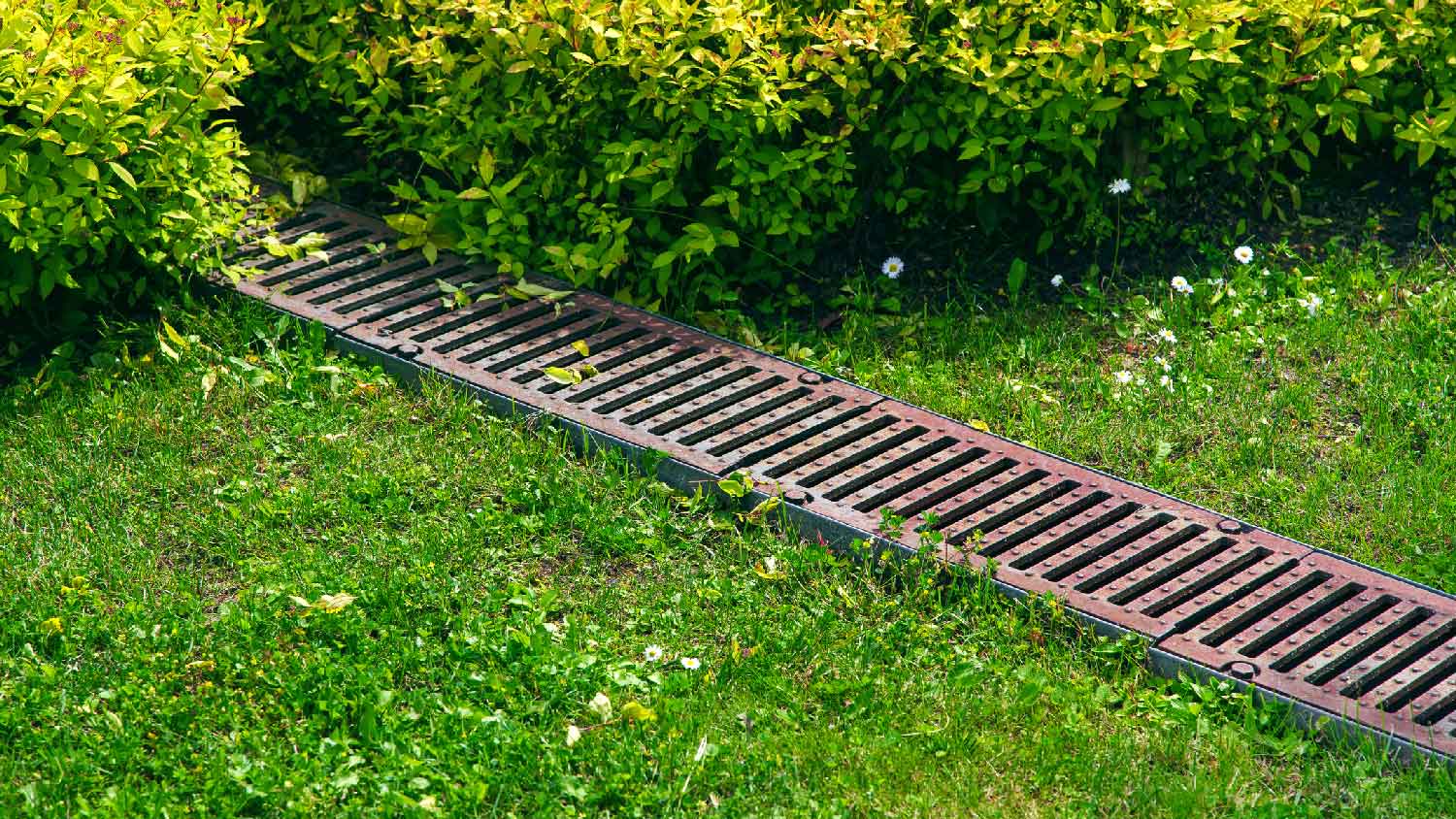
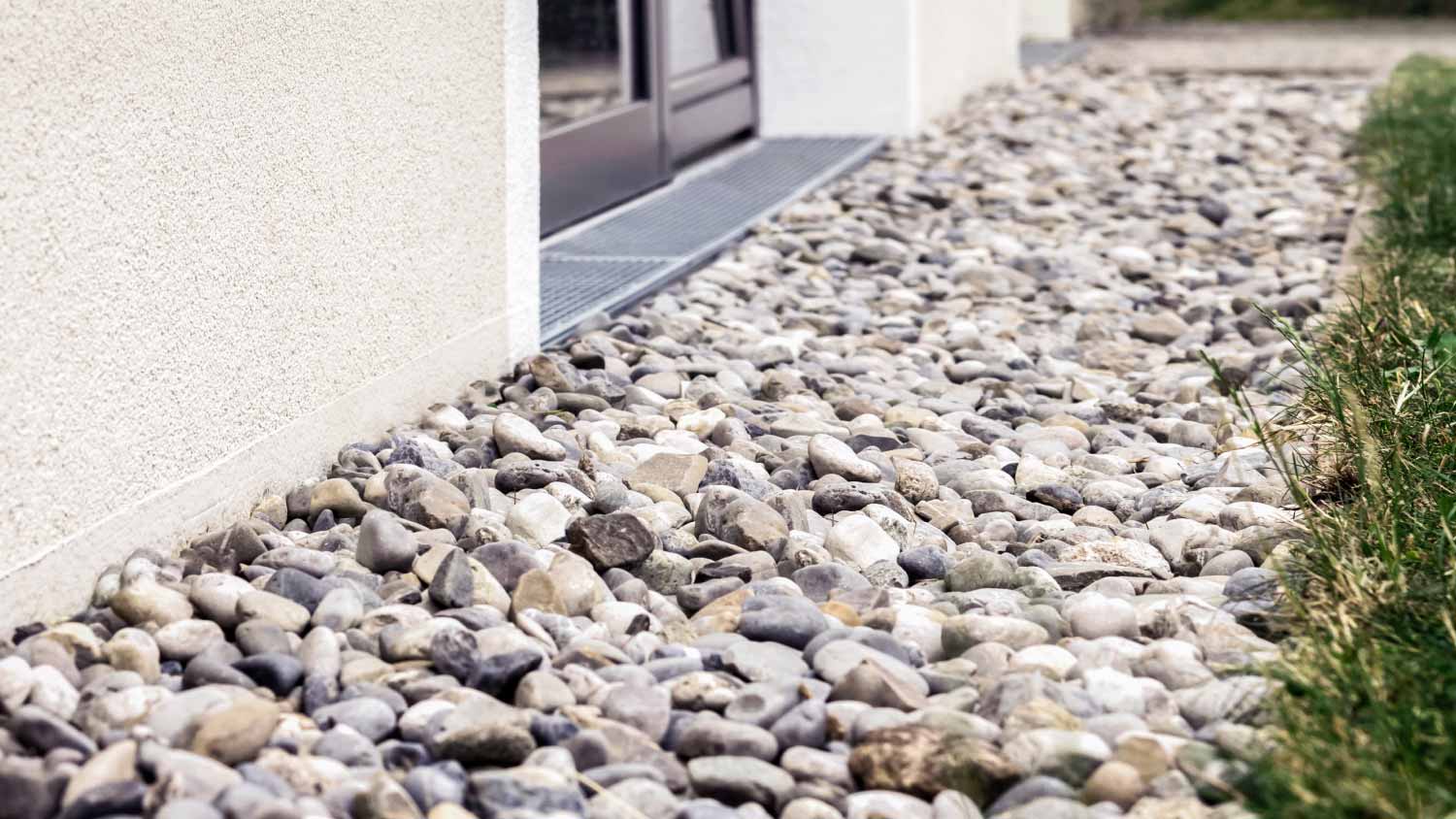
Since French drains are focused on surface-level projects, they tend to be more visible, especially during installation. But afterwards, their channels are often covered with sod or disguised as dry riverbeds, so users will have appearance options based on preferences.
Drain tiles are often installed during construction, which provides opportunities to plan where they will go and how exits will be hidden.
Since French drains require less labor to install, they are much less expensive. The cost to install a French drain ranges from $500 to $18,000, or $9,250 on average. The average French drain cost $10 to $50 per linear foot, but extensive, complicated installs can run up to $100 per linear foot.
On the other hand, installing drain tiles costs $20 to $60 per linear foot, with interiors ranging from $60 to $100 per linear foot. This project requires additional excavation or construction work since the pipes are buried so deep in the ground. Also, drain tile projects are more likely to need additional drain outlets and other add-ons to dry the basement level of a building.
The surface-level construction and versatility of a French drain make it an easier project to accomplish and a faster installation, especially for professional French drain installers with more powerful digging tools. It may still be a multi-day project, but you can expect to get it completed over a weekend.
Drain tiles tend to take more time, planning, and work to install. Whether installed during the foundation construction or put in afterward, they need to be handled by professionals. Additional care is required if they are integrated with a foundation, and there’s even more danger of running into buried cables, plumbing, and tree roots. That means it’s more likely to require permits for the changes.
Both French drains and drain riles have excellent longevity, especially with durable pipe materials. You can expect them to last for 30 to 40 years without needing significant updates.
However, some issues can cut that lifespan short. Shifting foundations can crack or move drain tiles, which may require emergency replacements. Likewise, tree roots and similar landscaping changes can push French drains and require repositioning. Finally, disasters like earthquakes or floods can ruin these types of drains and require significant repairs afterward.
Despite the use of PVC pipe and similar materials, these drainage systems are very eco-friendly. They don’t leech any toxins into the soil, and they don’t require fuel or moving parts to work.
Both options can be easily integrated into existing landscaping while making areas safer and healthier to use. However, it’s important to look up any existing pipes or lines buried on your property to avoid accidents. Plan drainage into a safe, out-of-the-way spot where water can quickly flow away.
Cody did a great job!
 Itzelpainting
Wonderful. I am going to have them remove and replace my driveway in the spring.
 All Star Paving and Sealing
Did an amazing job transforming my yard. Also installed sod in places, would recommend to everyone.
 Cardinal Landscaping & Construction LLC
Always been satisfied with the service work and how they have taken care of my pool.
Bill Gerhardt sold the company to his employees at the end of 2019, apparently without a workable succession plan and without notifying prospective customers of this fact. Most aspects of the maintenance contract have not been fulfilled: no installation of anual plantings per contract, no...
They show up and they did take us on as a client which seems to be a problem with other lawn care providers. We have multiple properties and this one was located close to downtown and no one really wants to mess with it.
I was very happy with the service provided by AK Irrigation. They responded quickly to my email, and the woman I spoke with was polite and professional. I was able to get an appointment that same week. <br /> The technician (Tyler) arrived on time. He was very knowledgeable, and worked...
 AK Irrigation
The worker came out when he was supposed to come. He informed me he would honor the Angie's List deal, but would not do any more work for me since my son in law owns lawn care company as well, even though they do not do the same type of work. He said he did not feel comfortable giving me...
 Bello Giardino LLC
E & L Lawn Care was super. They were very responsive before and after service. They were efficient and were able to complete the job within 1 day. I have had concern about one section of sod - the owner was pro-active and did a visit to evaluate. I have no doubt they will stand behind...
 E&L lawn care
From average costs to expert advice, get all the answers you need to get your job done.
A French drain costs around $9,250 to install, but several factors will determine the final price you pay. Learn the cost to install French drains in this guide.
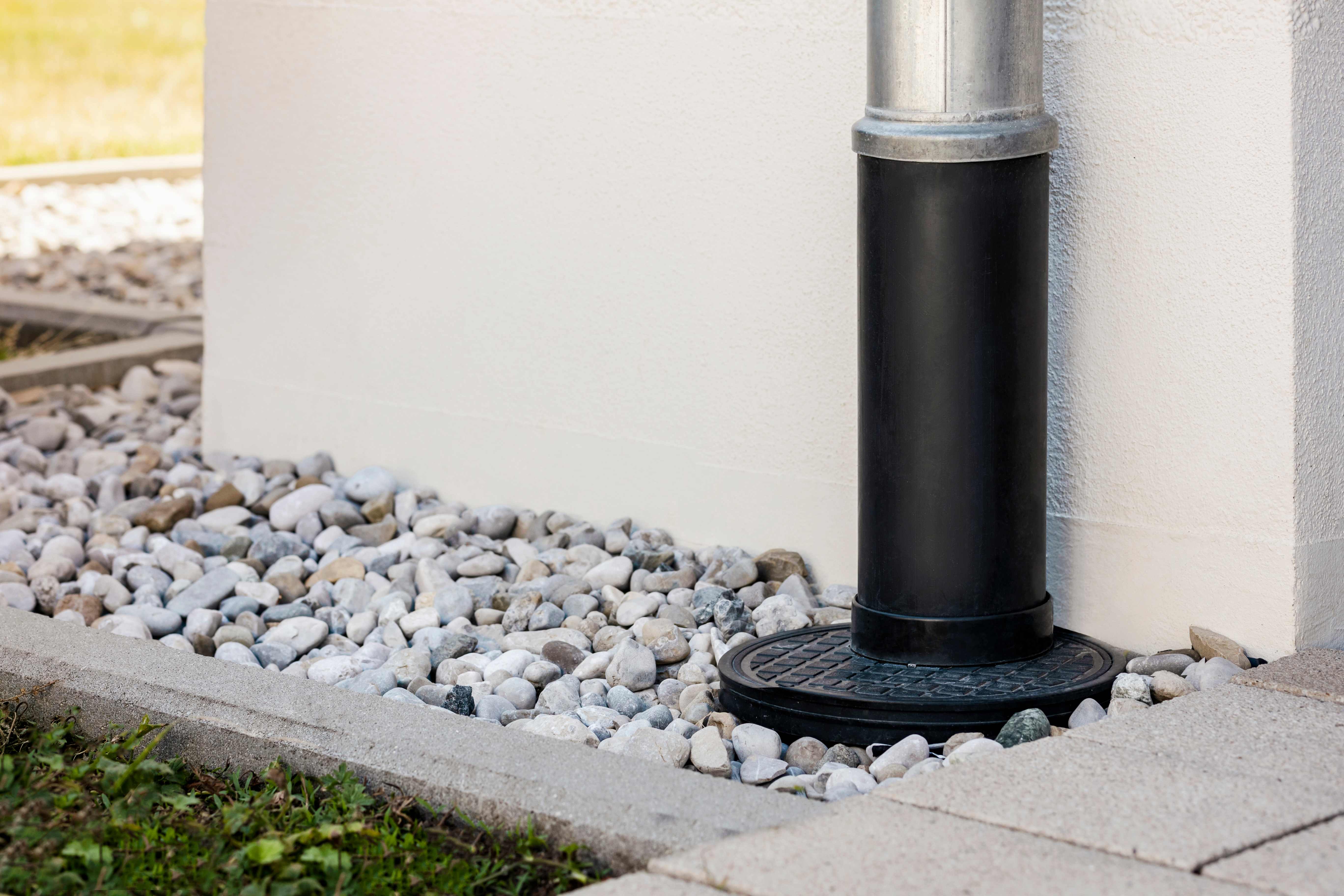
Discover basement drain installation cost, key price factors, and ways to save. Get expert tips to plan your basement drain project with confidence.
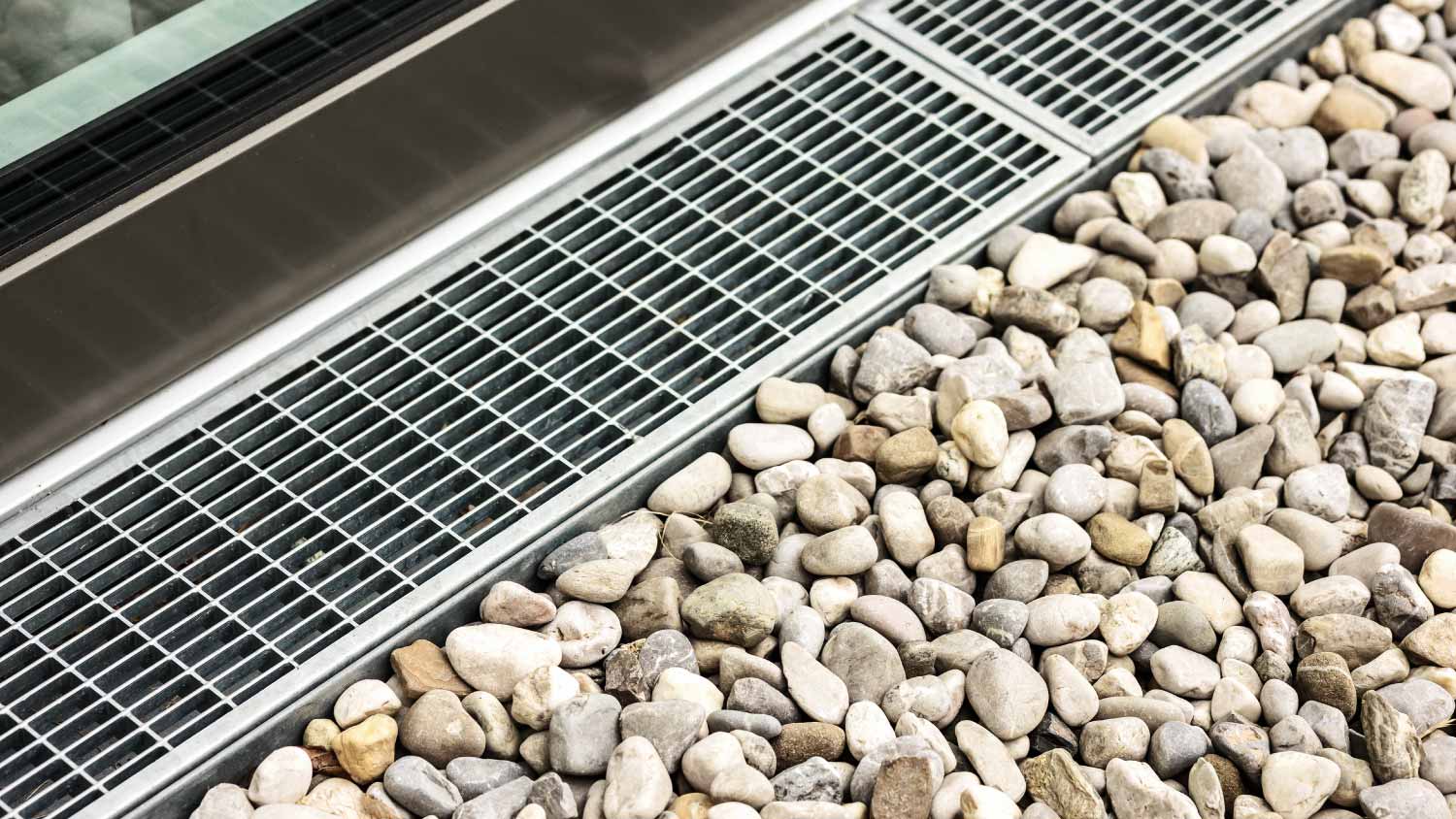
Deciding between a French drain and trench drain is a big decision. Check out the pros and cons of each, plus which drain system will work best for your home.
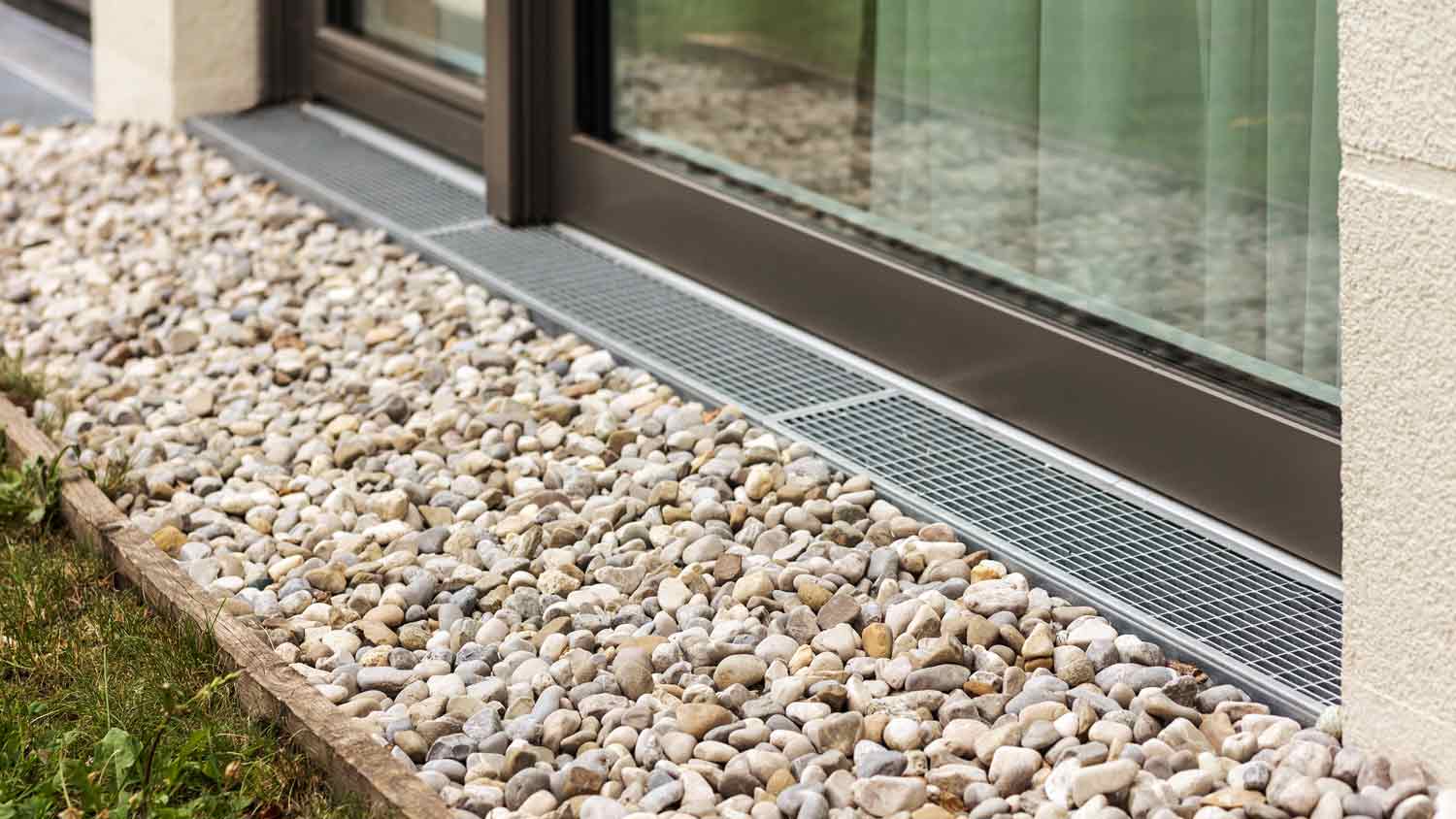
French drains and curtain drains protect your home from excess moisture, but one is for water above ground, the other is for water below ground.
You’ve decided on a French drain system but need to determine whether the drain holes should face up or down. Our guide can point you in the right direction—literally.
How deep is a french drain buried and how does it work? Learn how deep a french drain needs to be to work properly and other aspects to consider.