
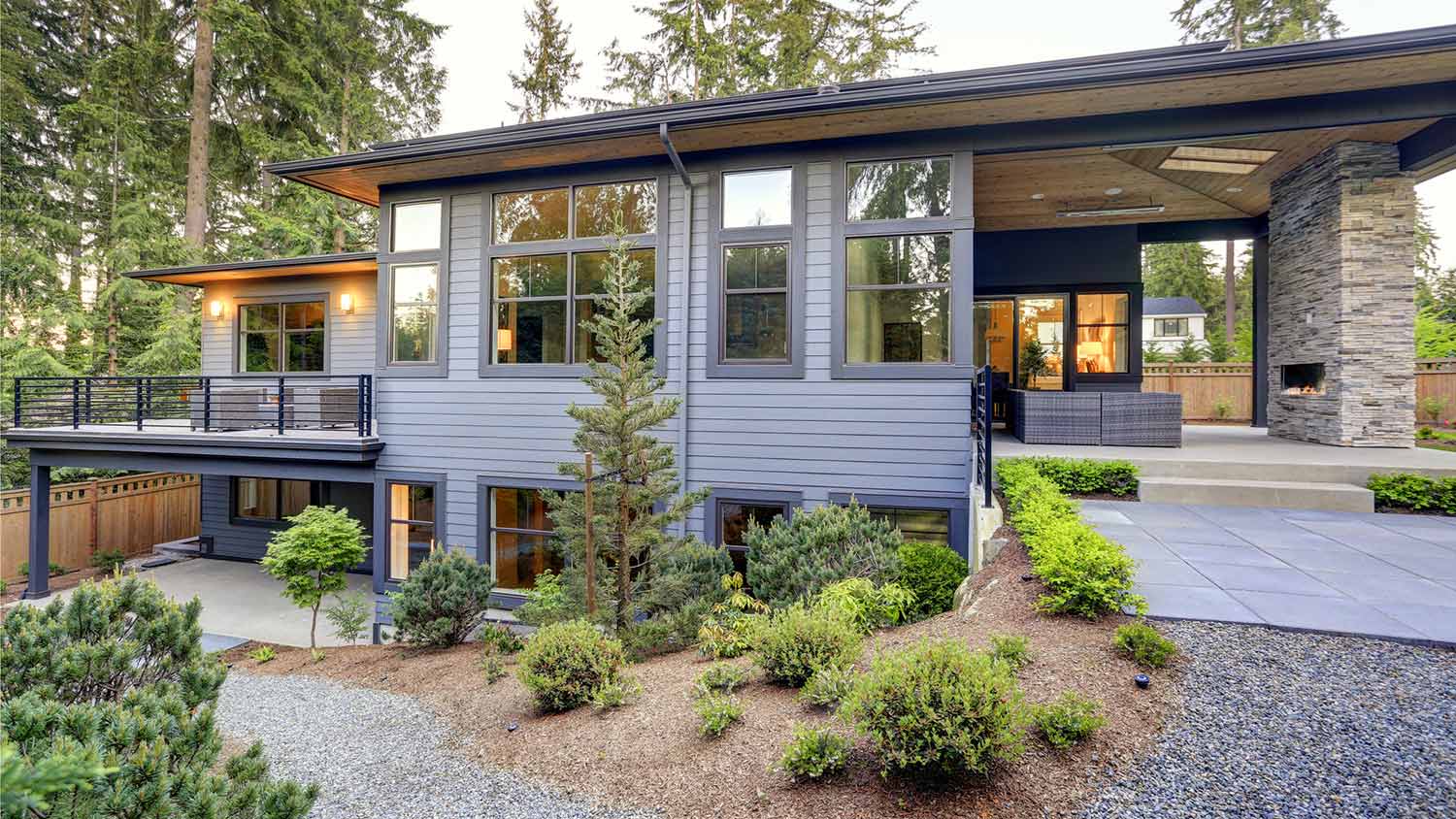
The cost of replacing a flat roof is much lower than an angled one. Learn about the factors that can affect flat roof replacement costs and ways to save on a quality replacement.
Choosing a roof design can be a slippery slope (or not)


Flat roofs sit nearly level on your building with minimal slope, while a slanted roof has visible angles that naturally shed rain and snow.
Expect to pay $7,400 for flat roof installation and $9,400 for pitched roof installation, with costs reaching above $25,000 depending on materials.
Your best choice depends on your priorities: flat roofs suit commercial buildings and maximize interior space, while sloped roofs boost curb appeal and longevity.
Hiring a local roofing professional keeps your project on track with expert guidance on material selection and installation, helping you get the roof that fits your home.
When you’re building a home, roof design is a key factor to consider for roof longevity, ongoing maintenance needs, curb appeal, and more. Understanding the differences between a flat roof and a pitched roof is a good place to start to ensure you get the roof of your dreams—and not one that will provide constant headaches.

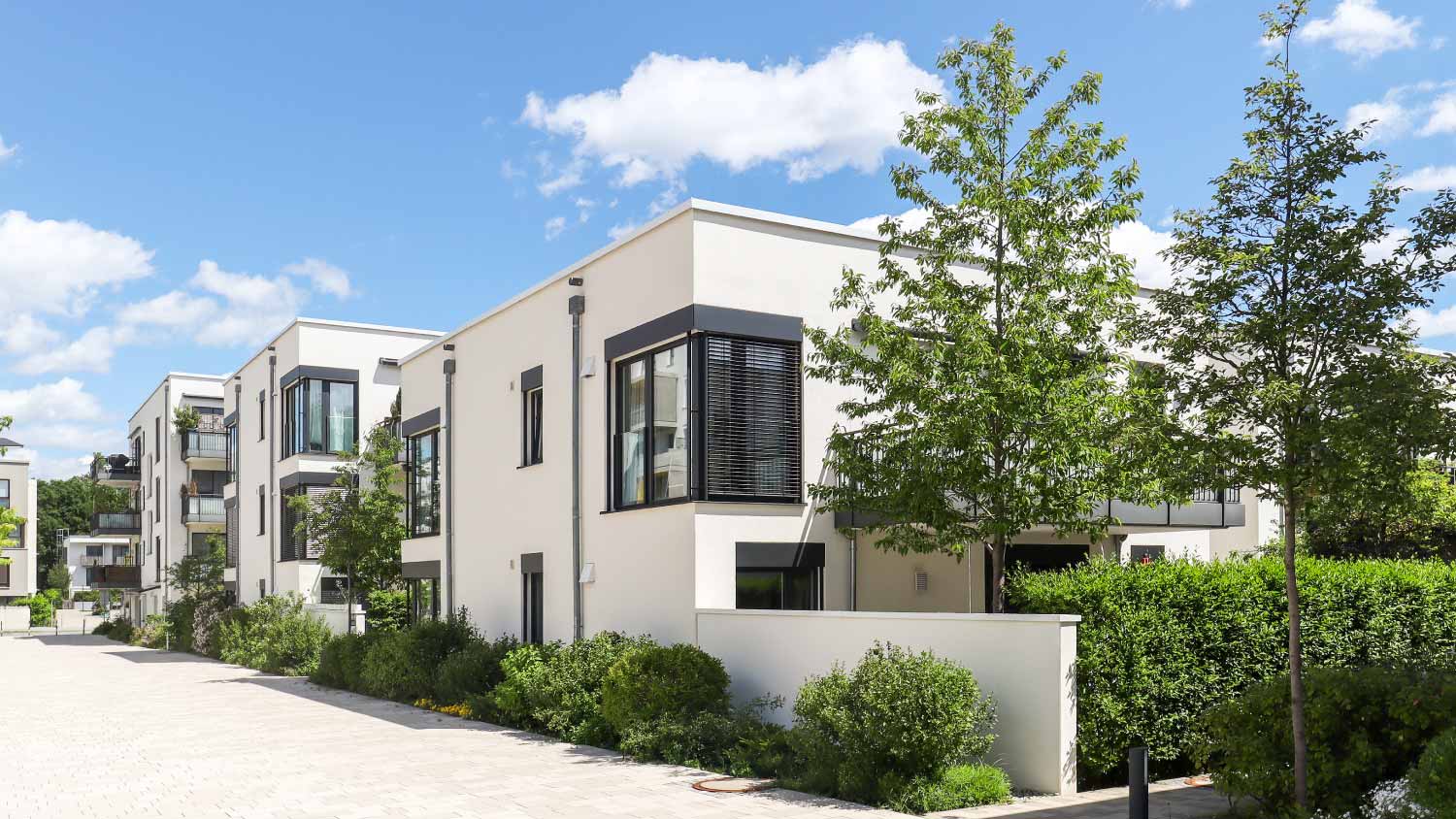
Flat roofs aren’t visible from the street, as they have a minimal slope, so they don’t affect curb appeal. They’re less expensive to install but require more maintenance and are more likely to leak. Pitched roofs give you more room to customize and last longer, so they tend to improve your home value more as a result. Most residential homes have pitched roofs, while commercial buildings and multi-family homes are more likely to have flat roofs.
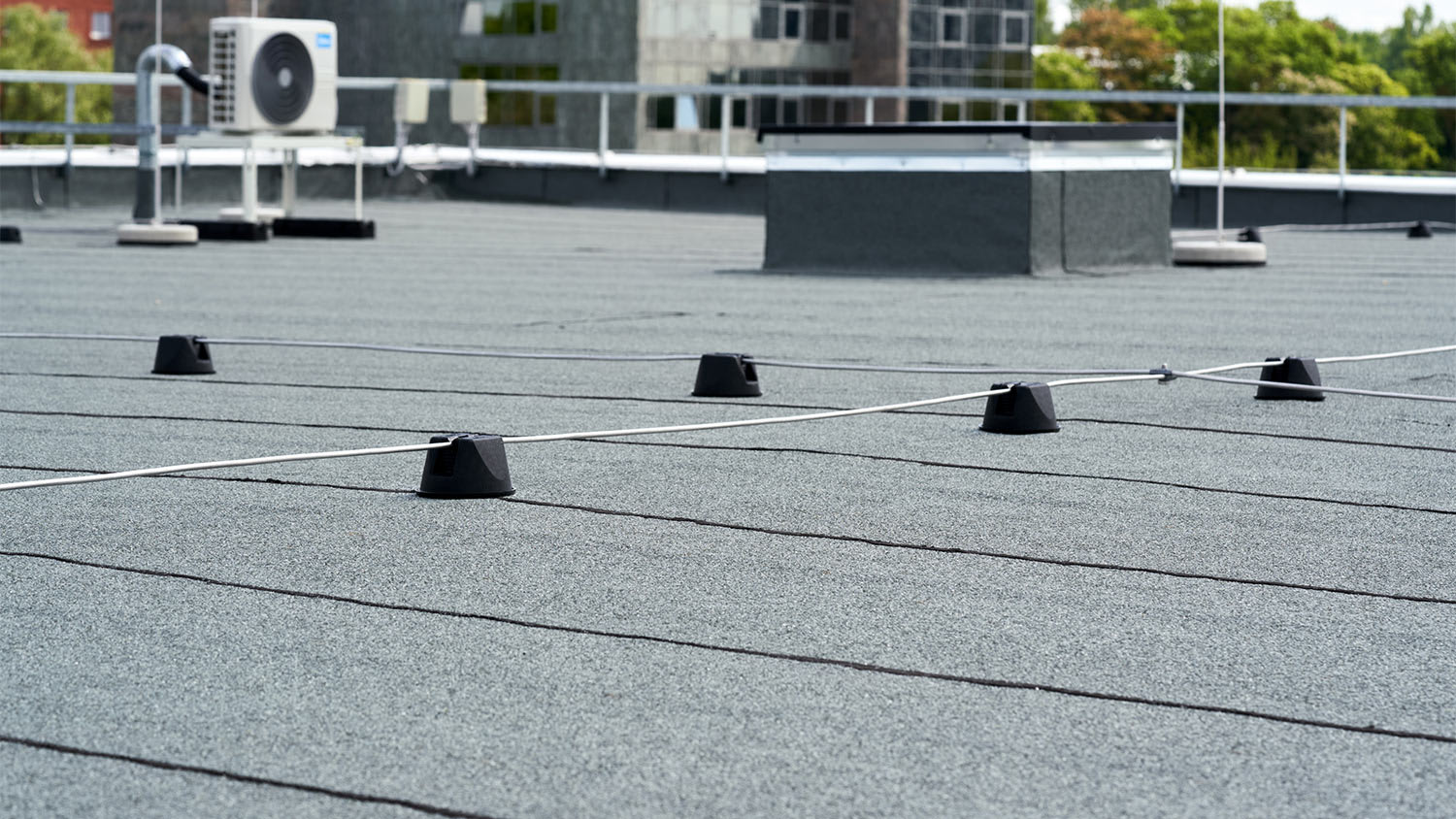
A flat roof is one where the roof deck and roofing material sit almost flat on top of your building, with minimal slope to aid drainage. They require roof drains to avoid standing water, and they can be made from asphalt, modified asphalt, or single-ply membranes, like a TPO roof or an EPDM roof.
| Pros | Cons |
|---|---|
| More affordable | Leak risk |
| Wind resistant | High maintenance |
| Can house HVAC units | Shorter lifespan |
| Interior space | No curb appeal |
Best for:
Commercial buildings and multi-family homes
Areas where severe winds are an issue
Maximizing living space inside
One of the most significant benefits of a flat roof is the up-front cost. Flat roofs cost $7,400, on average, while pitched roofs cost an average of $9,400 and can reach above $25,000, depending on materials.
Flat roofs are more resistant to severe winds because all parts of a flat roof are protected by the perimeter walls.
The flat orientation also means there’s no slope to detract from the living space inside, so you maximize the interior square footage of your building. Flat roofs can also house HVAC units, which can free up some of that precious living space, as well.
Flat roofs don’t shed rain and snow nearly as well as pitched roofs, so you’re more likely to run into issues with leaks. Standing water can also cause structural damage if your roof fails to drain.
Flat roofs require roof drains to reduce these risks, but you’ll need regular maintenance to keep them clear and functioning properly. The roofing membranes also aren’t as durable as pitched roof materials, so punctures are still a risk even if your roof drains work well.
Flat roofs aren’t visible from the ground, and they have a shorter lifespan of between 10 and 30 years. For both of these reasons, they add less to your home value than most pitched roofs.
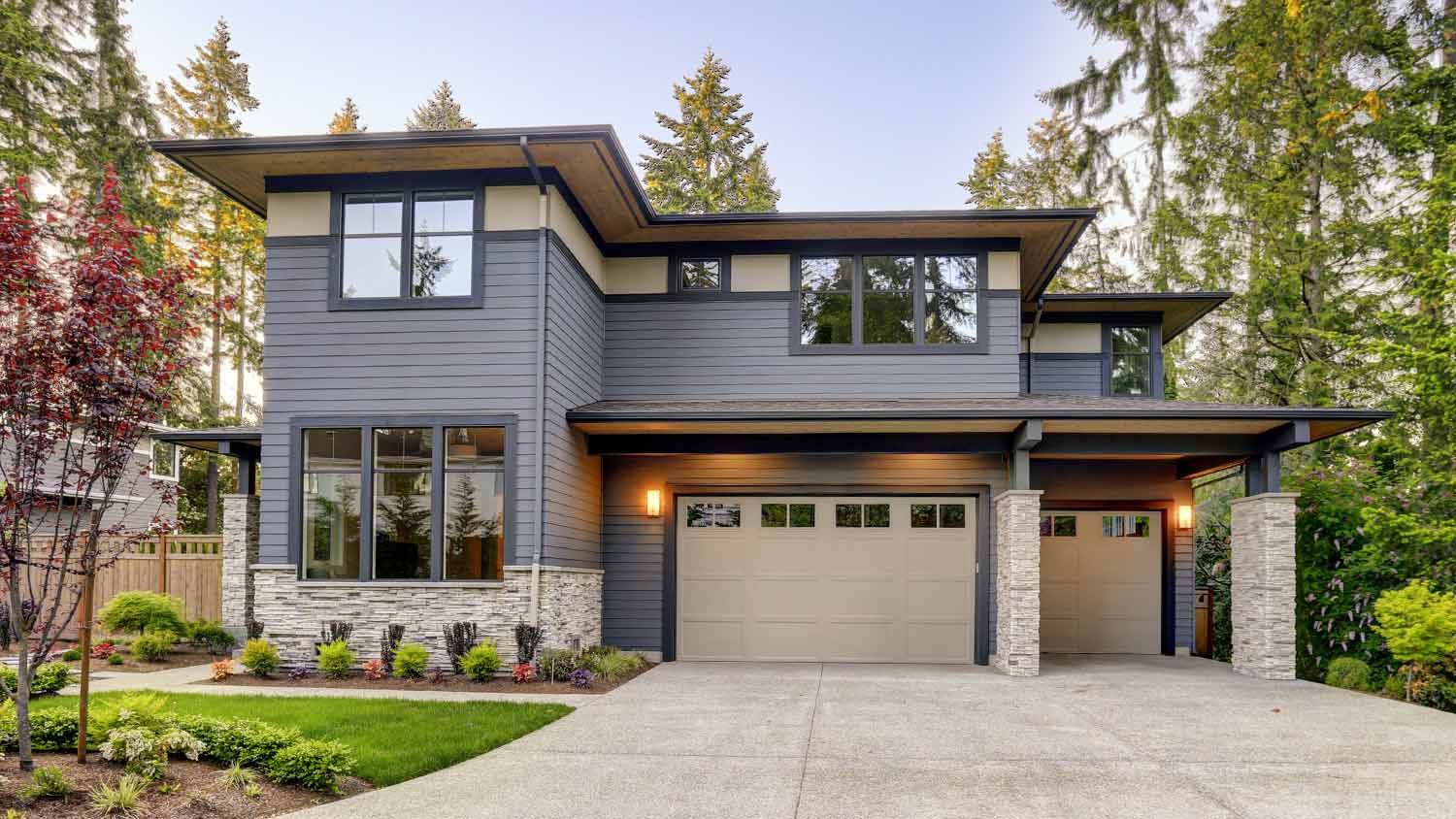
A sloped roof is the standard among residential properties. They come in a variety of designs, but all of them have slopes that drain water and shed snow. Sloped roofs come in many different materials that can add varying levels of value and curb appeal to your home.
| Pros | Cons |
|---|---|
| Longevity | More expensive |
| Lower leak risk | Wind resistance |
| Less maintenance | Can’t hold HVAC unit |
| Curb appeal | Reduce living space |
Best for:
Most residential and single-family homes
Areas where heavy rainfall or snowfall are possible
Maximizing curb appeal and roof longevity
Sloped roofs are more common among residential properties. They can also last 100 years or more, depending on the material, and since they’re visible from the street, they can add to your home’s curb appeal. This ultimately means they tend to boost your home value more than flat roofs.
Sloped roofs are pitched, so they naturally direct rain and snow off of your roof. The risk of leaks and structural damage from added weight is much lower.
Pitched roofs require less maintenance, too, as they rarely need resealing and don’t require roof drain cleaning.
Sloped roofs extend beyond the edge of your exterior walls, making them more likely to sustain damage in strong winds.
Although sloped roofs require less maintenance over time, they’re more expensive to install and replace. Some sloped roof materials, like slate and copper, can cost more than triple the cost of a flat roof installation.
The slopes on a pitched roof don’t allow you to house HVAC units on them, and the slopes can cut into the rooms on your upper floor. This means they can reduce your usable living space more than a flat roof would.
Consider the following key differences between flat roofs and shingles or panels on a pitched roof to decide which is best for your new home.
Pitched roofs are visible from the street, which means they impact your home’s appearance. You can customize your roof material to maximize curb appeal and its impact on home value.
Flat roofs cost an average of 22% less than pitched roofs to install. That disparity can be even higher if you compare a standard built-up roof for a flat roof to a slate or copper-pitched roof, which can cost three times as much.
Pitched roofs require minimal maintenance, including regular roof inspections and cleaning as needed. Flat roofs also require roof inspections, but you’ll also need to reseal most flat roof materials every two to five years, keep up with roof drain cleaning, and carry out repairs more often.
Pitched roofs shed rain and snow easily, so there’s no risk of standing water. Flat roofs have roof drains to avoid standing water, but you’ll still get puddling due to the minimal slope. Roof leaks are far more common on flat roofs, especially if you don’t keep up with roof drain maintenance.
Blown debris is more likely to puncture a flat roof. However, the material doesn’t overhang the edge of your building, so flat roofs are less likely to get ripped off in severe winds.
Flat roofs are either a flat black color or a white color in the case of a cool roof, and there are just a few types of flat roofs to choose from. With pitched roofs, you can choose from a wide variety of colors, materials, patterns, and shingle shapes to customize the look of your home.
On the other hand, flat roofs can accept solar panels in more orientations, making it easier to maximize energy production by angling directly toward the sun’s path.
Installing a roof is an extremely challenging project, but it is possible to DIY with a pitched roof. Flat roofs require special tools and experience to install, so you’ll need to hire a roofing company near you for installation and repairs.
Flat roofs are easier to repair, in large part because your pro can install patches rather than replace materials. It’s also easier and safer to access a flat roof, which helps keep labor costs down.
Pitched roofs can last between 15 and 150 years, depending on the material you choose. Flat roofs last for 10 to 30 years, so flat roofs require replacement more often.
Mitchell and the crew were top tier i am so happy with my new roof
 Home Genius Exteriors
D1 Roofing delivers outstanding service from beginning to end, backed by a strong warranty and expert teams. I highly recommend them for their excellence in meeting and surpassing expectations with unmatched communication. Choosing D1 Roofing was flawless decision
 Division 1 Roofing LLC
This place took $25,000 for a flat roof job with a five-year warranty and never returned to fix the leaks that were caused by their work. These people are not professionals and should not be doing this type of work. They incorrectly changed the pitch of the roof, and caused more damage than...
The technician was very professional and friendly. He answered all my questions and was very thorough. He left the fireplace area very clean . He inspected from the roof and advised me as to other work that might need to be done. There was no pressure there. I was very satisfied with the...
 Supreme brick & chimney
I am really impressed with their timeliness and turnaround. Mitchell came out, and we decided to move forward with their pricing. Our roof was on within a week, and we could not be happier with their team! Amazing company, great prices and honest, dependable craftsmanship. I highly recommend...
 Window Depot USA of Central Ohio
Manuel Calvillo is the best option in the area for roofing and you won't be disappointed.
They damaged multiple items on my property, including a marble slab used as a table top, tried to hide it, and refused to pay or replace. Arrived day one without a ladder to access roof & delayed a day. Left a mess in back yard; didn't wear face masks; no show by owner to property to see damages
 Grants Tree Service
I've hired Gary/Cherokee Roofing for two different homes, work quality, responsiveness, and completion have been great both times. And the prices quoted were very competitive. I would definitely hire again.
Lyle did a great job removing asbestos shingles from our front porch roof. They worked together with our roofer to make sure that the new roof was able to be installed on the same day that Lyle removed the asbestos shingles.
 Lyle Environmental
Bradley Builders did a good job replacing the roof on our front porch. They color-matched the existing shingles on the rest of the house and installed a metal ridge roll since we live in a historical neighborhood. They did the job while we were out of town. When we got back, everything was...
 Bradley Builders, Inc.
From average costs to expert advice, get all the answers you need to get your job done.
The cost of replacing a flat roof is much lower than an angled one. Learn about the factors that can affect flat roof replacement costs and ways to save on a quality replacement.
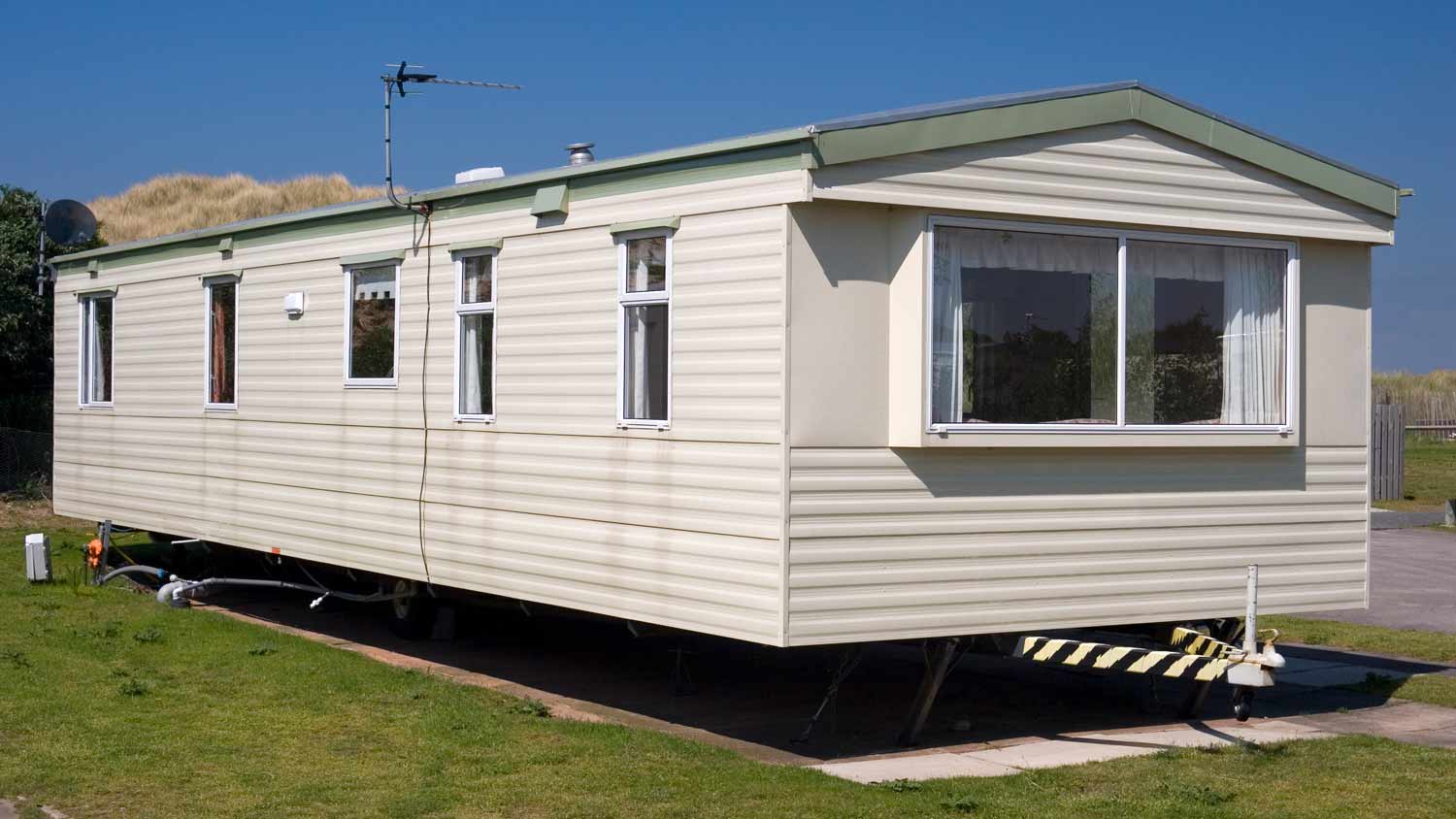
Your mobile home roof replacement cost is determined mainly by size and materials. Here's what you need to know when budgeting for the project.
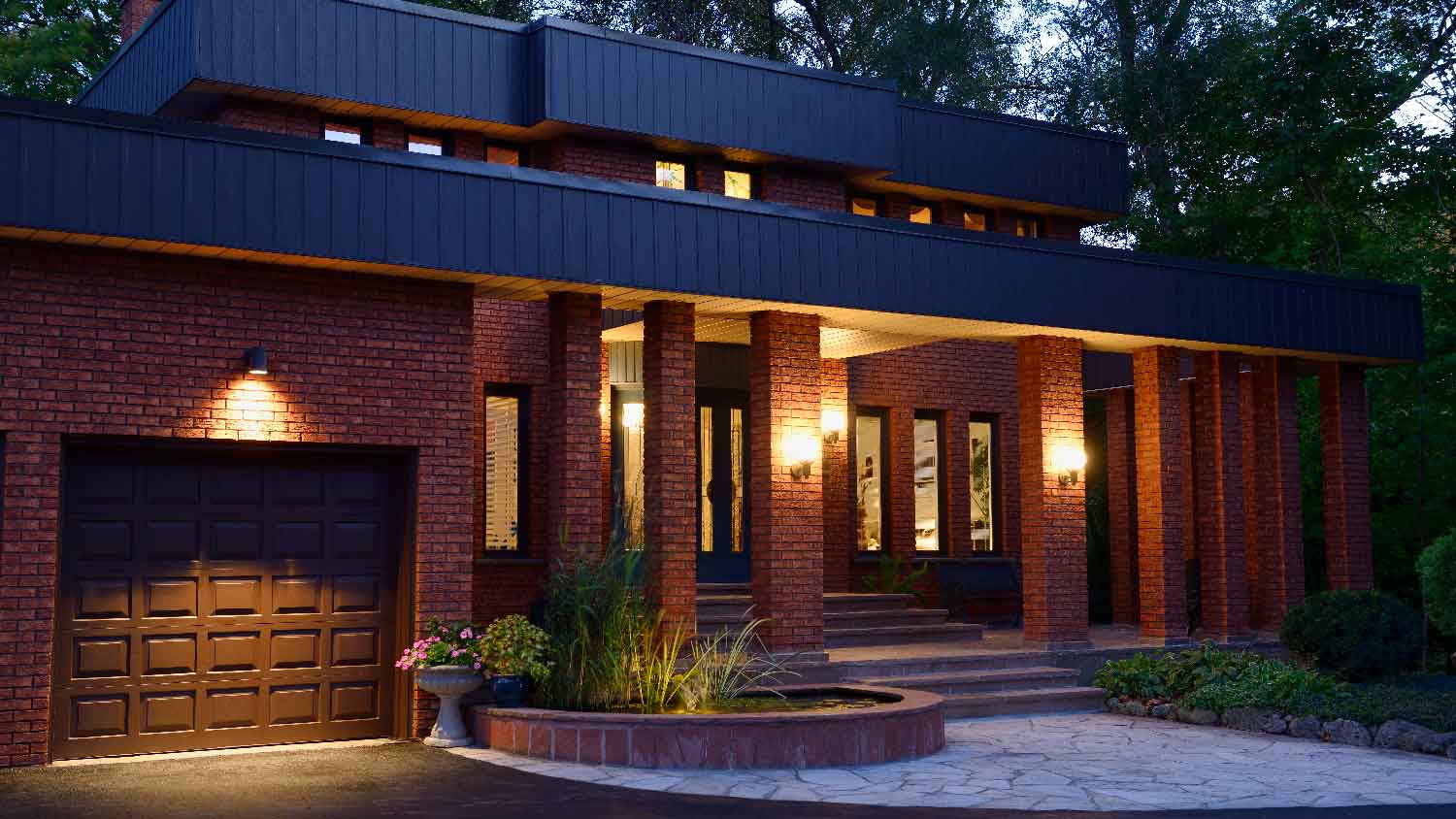
Understanding the flat roof pros and cons can help you make the right choice for your new building. Learn more about the pros and cons of a flat roof.
Unsure who to hire for flat roof installation? Learn when to call a flat roofing contractor vs. a general contractor, and how pros work.
Worried your roof might be compromised? Learn about the seven most common signs your flat roof needs to be replaced to stay ahead of the damage.
Flat roofs need regular maintenance to prevent leaks and keep leaves and debris from causing damage. Avoid pricey repairs with these seven flat roof maintenance tips.