

Electrical panel replacement costs $530 to $2,100, depending on the location, the type of hardware, and any required building materials.
Keep these tools handy to tackle any electrical job

Your tools for electrical work include basic items like drills, screwdrivers, and tape measures for simple fixture swaps and more advanced tools for complex projects.
Basic electrical tools like cable ties and torpedo levels cost less than $10, making it easy to build your toolbox without a large upfront investment.
You need voltage testers and insulated gloves in your house wiring tools collection to confirm power is off before starting work and protect against shocks.
Hiring a local electrical professional provides reliable guidance on voltage, wiring routes, and circuit locations, keeping your home safe when you tackle electrical projects.
Completing electrical projects requires specific tools for electrical work to get the job done. If you're becoming an expert-level DIY homeowner with electrical skills under your belt, you may be ready to tackle more electrical projects.
As you prepare to take on electrical jobs around the house, it's time to upgrade your toolbox to equip yourself with the tools to complete the job safely. We've gathered the best tools for electrical work to prepare for your next project.

If you want to keep your space organized and avoid a tangled mess of cables, keep cable ties (also known as zip ties) on hand. These fasteners are relatively inexpensive and help bind electrical wires or cables together. A package of cable ties can cost less than $10 at your local home improvement store.
Circuit finders are a more high-end electrical tool, and they indicate which circuit connects to each electrical outlet. In some homes, it's a challenge to find which outlet belongs to which circuit. As a DIY homeowner, if you're having difficulty finding this information before beginning your project and don't have a lot of electrical knowledge, hiring a local electrician is the better option.
A conduit bender is a special tool used to curve conduit piping to accommodate wiring routes hidden or placed in the corner of the wall. You may need to run a conduit through an exterior wall to bring electricity outdoors. Using a conduit bender ensures that the conduits are nonintrusive and placed efficiently.
An electric drill, or a power drill, is likely already an item you have in your toolbox. It's a must-have for any DIY homeowner and may come in handy for electrical projects. If you are planning to disassemble or install new light fixtures or other electrical components, you will need an electric drill with various bits.

Electrical tape is a pressure-sensitive adhesive material made from vinyl, plastic, or fiberglass cloth and can be extremely useful in completing electrical projects. The tape is used to insulate wires or other materials conducting electricity, preventing the electrical current from passing to other wires and protecting against electrocution.
If you're making wiring improvements such as adding or extending circuits, fish tape can be an extremely useful tool. Fish tape allows you to pull stranded or solid wire conductors through metal or PVC conduit. You can use cable lube with fish tape to make the job easier. Weekend DIYers may not need fish tape, but it benefits more advanced DIYers.
Often when doing electrical work, you’ll need to shut off the power at the circuit breaker box for safety purposes or you'll need to work in dark areas. If you're in an area without plenty of natural light, you will need a flashlight or a headlamp. There's no room for error when working on an electrical project so adequate lighting is a must.

Any electrical work, no matter your skill level, comes with the risk of electrocution. Insulated gloves provide a layer of protection from electric shocks, and you will need some handy. Finding the best fit that allows you to work effortlessly is essential, so shop around for a pair that fits well and works best for you.
If you've done DIY work around your home, you're guaranteed to have a hammer. You may need to use one for an electrical project to secure any equipment. For example, you’ll likely need a hammer to put electrical boxes into place or secure wire staples.
Installing light fixtures requires accuracy, and using a level such as a torpedo level is essential to ensure you properly place boxes, screws, and other fixtures. Torpedo levels can cost less than $5 and should be part of every homeowner's toolkit, proving beneficial for projects outside of electrical work, too.

While having various pliers can be beneficial for electrical work, lineman's pliers are one of the staple tools for electrical work. This type of specialized pliers are crafted with a squared-off end for twisting, a center cutting blade for trimming, and a grip area between the handles for pulling wire. You may also benefit from having needle-nose, side-cutting, or tongue-and-groove pliers.
Close examination of wires during an electrical project is bound to happen. To keep your eyes safe, ensure you're wearing safety glasses when completing your project.

As with many other home projects, you may need a screwdriver for electrical work. A screwdriver set is a great option to keep handy as you may need various screwdrivers, such as a Philips or straight-blade screwdriver. For example, you would need this tool to replace an electrical outlet or change a light switch.
If you need to bridge a connection with multiple pieces of wires, such as electrical cables or device wires, a splicing connector will come in handy. This tool can ensure you connect wires correctly with the help of additional tools like a wire stripper and pliers.
Another common tool DIYers already own, a tape measure, will prove beneficial for electrical work when calculating exact measurements for cutting or stripping wires. The tool can also be useful for determining the height of switches and outlets, centering lighting fixtures, and measuring wall cutouts.
A terminal block is an insulated device that assists you in grouping multiple wires. You would likely use this tool to connect wiring, outlets, or electrical switches to the ground or main wire.
The voltage tester is a key tool in ensuring your safety because it allows you to test an outlet to see if power is running to it. Before starting any electrical work, you'll need to test the voltage. It's only safe to start further work once you can confirm no voltage runs to the outlet. Similarly, after completing the project, you can use a voltage tester to confirm power has been restored to the outlet.
While a voltage tester determines whether power is running to an electrical outlet, a voltmeter provides the exact voltage reading. You could also use a multimeter, a more sophisticated version of a voltmeter that measures current, resistance, and continuity. This tool is typically for experienced electrical DIYers, so a casual DIY homeowner may not need to know how to use a voltmeter or multimeter for their projects.
Wire crimpers are not essential for every DIYer's toolbox, but it can be a useful tool for homeowners who routinely work on appliances or electronics. The specialty tool is used for many electrical tasks, including attaching lugs, terminals, and wires, and stripping wire insulation.
Another specialty tool that may not be for every DIY homeowner is wire strippers. Used to cut and strip insulation from electrical wires, wire strippers feature gauged holes for stripping different wire sizes and cutting jaws for trimming wire ends. This tool is especially useful when attempting to strip wire yourself.
I recently had Mosby Electric perform an electrical installation on 8-14-2026, and I couldn’t be more satisfied with the service. From the moment I called, their team demonstrated fast arrival and professionalism. The electricians were highly knowledgeable, completing the installation...
 Mosby Electric
Great company! Price was competitive, technician showed up on time and completed the job (exterior electric Radon fan replacement) quickly. Would hire them again.
 MaGen Property Inspections and Radon Mitigation
I conferred with 2 other contractors before Armstrong Electric. Nick and his crew showed me that the project was not as convoluted as the other contractors made it appear to be. They completed the entire project on time. They were professional, friendly and cleaned up after at completion. I...
 ARMSTRONG ELECTRIC, LLC
The techs on my project, Shawn and Cliff, were great. They were prompt, courteous, and efficient. I am very happy with the results and would definitely contact Mr. Electric for any future electrical projects.
 Mr. Electric of Columbus
Victor was wonderful. He was on time, professional, and explained everything he was doing. He was thorough and figured out that the problem was electrical instead of with my HVAC system. Very knowledgeable. I will be using this company in the future for any HVAC needs. Thanks!
 Hubbs Heating & Air LLC
They were excellent. They did a great job. I was totally satisfied. They put tremendous effort in making sure the work was completed. They were great. They provided immediate response to any inquires I made. I would hire them again. I would recommend them to anyone who needs electrical work....
 JCB & Associates, LLC DBA Property-Tech Industries
Initially, the repairman could not find the problem. Apparently, there was some electrical shortage, but he could not find the definite problem. He left, but called back later to say he had a new idea. He returned and replaced the light switches on the doors. The refrigerator seemed to return...
 Appliance Pro LLC
The initial quoted price from a walk-through seemed high, but we discussed that the quote represented worst case scenario (re-wiring to two floors) and we were excited about the opportunity to have the work done in a timely manner with closing for fire safety reasons, etc. When the job was...
I have to tell you I am all about customer service - I will go out of my way and even pay more for it if you give me great customer service. <br> <br>In a world where this is hard to find, these guys were awesome! I can not sing their praises enough. They were prompt, personable, funny, got...
 Waibel Electric
When I challenged the markup on the generator, Bruder Electric withdrew its bid. They only want naïve customers.
From average costs to expert advice, get all the answers you need to get your job done.
Electrical panel replacement costs $530 to $2,100, depending on the location, the type of hardware, and any required building materials.

Wondering who to hire for electrical work on home additions? Compare electricians and electrical contractors to see how pros get the job done.

Having dependable electricity is more than just a convenience—it’s a necessity. Here’s when to hire an electrician to keep your home up and running, safely.
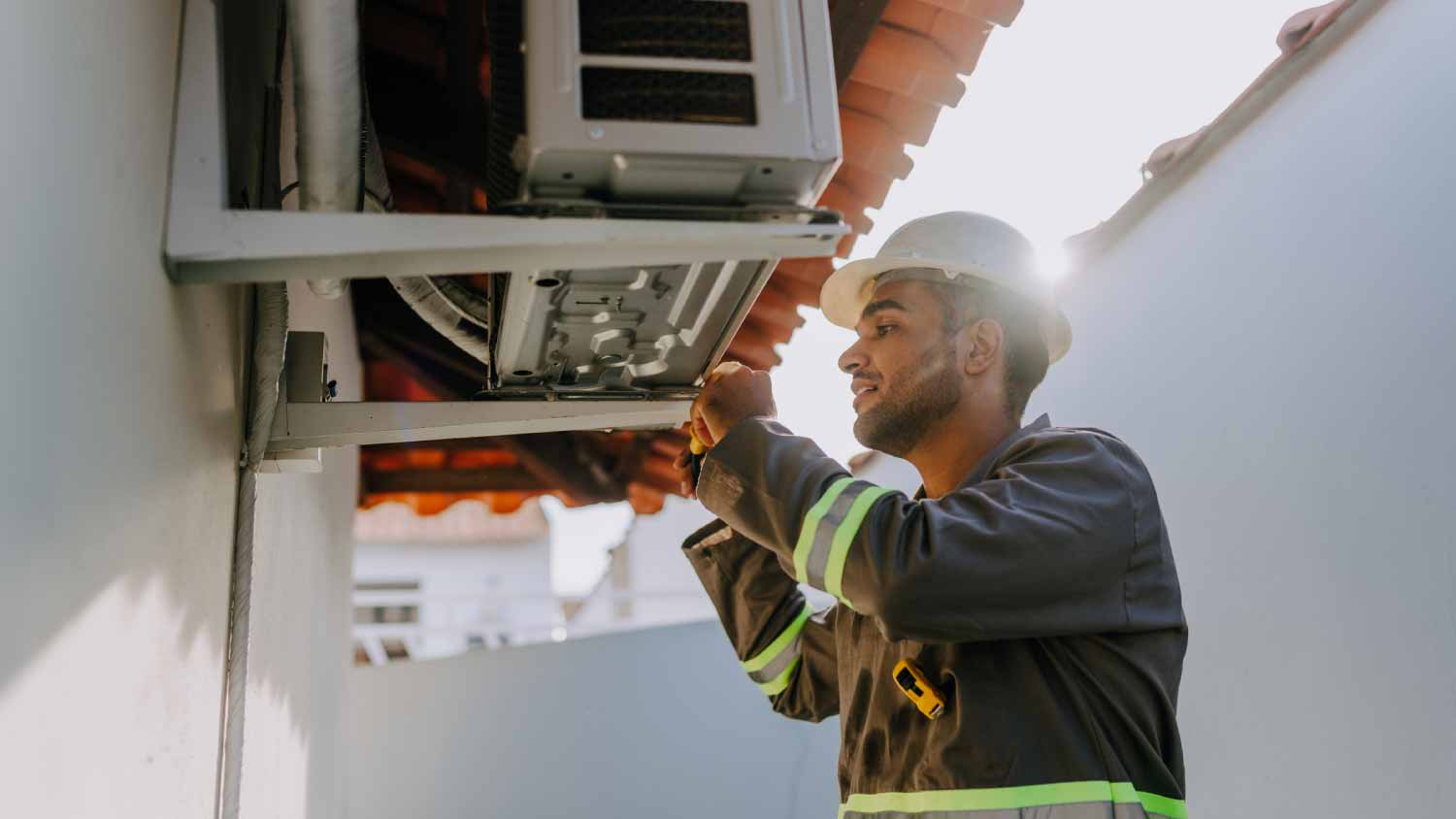
HVAC technicians can only perform basic electrical tasks related to HVAC systems. Here’s what tasks they can perform versus what an electrician can do.
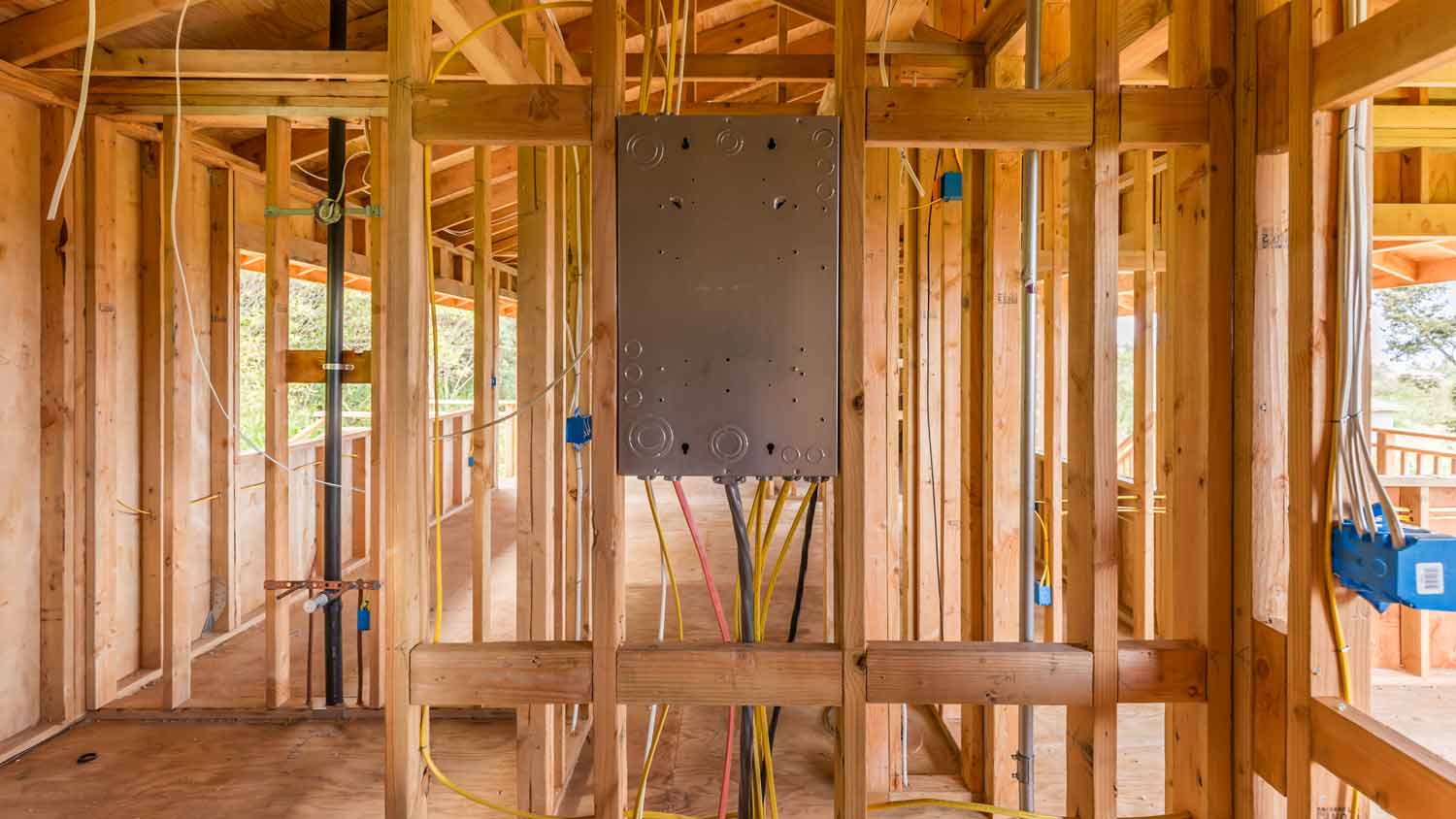
Electrical wiring is an essential part of new home construction. Learn how to devise a solid plan for all of your new home’s electrical needs.

A beginning DIYer can usually handle these four electrical repair jobs with the proper safety precautions and a bit of planning.