

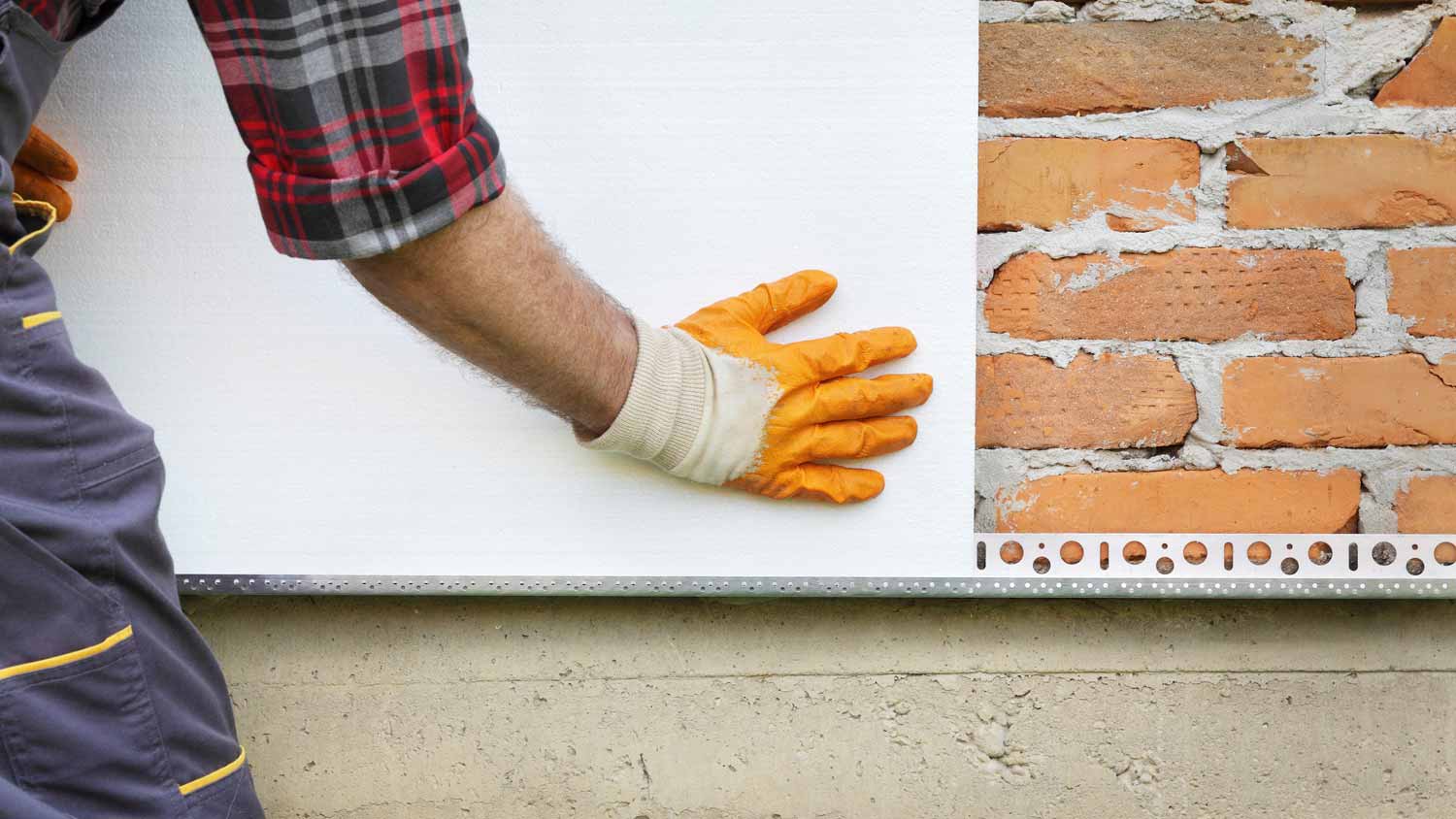
After damage from large storms or unwelcome woodpeckers, the cost of EIFS repairs can sneak up on you. Here's how to determine the price of repairing this common home siding.
Siding service costs depend on your project and location. Check with a local pro for your specific job.

Professional EIFS installation costs $16,000 to $28,000 for your average-sized home, with materials and labor included in the total.
Your home's architectural details and hard-to-reach areas influence the final installation complexity and cost for the cladding project.
Budget for siding removal, permits, and cleanup, which run $150 to $2,000 on your project depending on location and scope.
Hiring a local siding professional prevents water intrusion and structural damage and ensures your EIFS system is installed correctly.
In 2026, the national average cost to install an EIFS (Exterior Insulation and Finish System) on a home is $22,000. Most homeowners spend between $16,000 and $28,000, with final costs driven by home size, architectural complexity, and the EIFS cost per square foot. Budget for additional expenses like siding removal, permits, and cleanup, which can add $150 to $2,000 to your total.
EIFS costs $8 per square foot on the low end and up to $14 per square foot on the high end, with an average of $11 per square foot for materials and labor combined. At that average, 2,000 square feet of cladding comes to roughly $22,000. The cost per square foot is the single largest factor in your overall estimate, whether you're replacing existing EIFS or installing it for the first time. Material availability, your home's design details, and your location can all push estimates outside this range.
Most homes require between 1,500 and 2,500 square feet of siding, and at the average EIFS rate of $11 per square foot, that puts the average total between $16,500 to $27,500. The table below breaks down estimated EIFS costs by square footage so you can size up your project before speaking with a contractor:
| Siding Needed in Square Feet | Cost Range in 2026 |
|---|---|
| 500 | $4,000–$7,000 |
| 1,000 | $8,000–$14,000 |
| 1,500 | $12,000–$21,000 |
| 2,000 | $16,000–$28,000 |
| 2,500 | $20,000–$35,000 |
| 3,000 | $24,000–$42,000 |
You can also use these estimates when replacing a small part of your EIFS siding, such as one exterior wall that measures a total of 500 square feet. However, keep in mind that EIFS repair costs are slightly higher because they often require specialized expertise.
Labor is the largest share of any EIFS project, and your local siding contractor might charge $5 to $9 per square foot for installation alone. Many contractors price by home size, but some bill at $40 to $75 per hour depending on the complexity of the job. Factors like removing old siding and working in hard-to-reach areas can shift a project from a square-footage rate to an hourly rate. Always ask your contractor upfront how they structure their estimate so there are no surprises.
The following table outlines additional contractors you may need for your EIFS project, along with their average costs:
| Contractor | Cost Range in 2026 |
|---|---|
| Structural Engineer | $340–$780 |
| Mold Remediation | $1,200–$3,800 |
| Termite Control Team | $200–$600 |
| Exterior Home Painter | $1,800–$4,500 |
Replacing siding can reveal underlying issues such as wood rot or pest problems. Your siding contractor may have trusted referrals in their network or you can outsource them on your own. Here are some of those potential pros and their standard costs.
If water damage from failing EIFS has compromised your home's structure, you may need to hire a structural engineer, which costs $340 to $780. EIFS is particularly susceptible to water leakage, and damage left unaddressed can escalate into serious structural problems. Catching issues early is the most effective way to avoid this added expense.
Even with its built-in water-resistant layer, EIFS can trap moisture inside the cladding and lead to mold growth. Mold remediation costs $1,200 to $3,800 depending on the extent of the problem. Addressing any signs of moisture intrusion quickly is the best way to keep remediation costs on the lower end.
Gaps around EIFS flashing and caulking can give termites and other pests an entry point behind your siding. Basic termite control runs $200 to $600, making it a manageable add-on if pests are discovered during your siding project. Have your contractor inspect the flashing and caulking carefully so any vulnerabilities are sealed before new EIFS goes up.

If painting isn't included in your contractor's estimate, you can hire a professional exterior painter for $1,800 to $4,500. EIFS is easy to paint and recoat, so refreshing the finish when it loses its sheen is a straightforward and cost-effective update.

EIFS cladding's multiple layers of waterproofing and insulation set it apart from simpler siding options, but they also push material costs higher than the cost of traditional stucco. Those layered materials can also raise the cost of prep work and removal of existing systems. Understanding what drives the price helps you budget accurately and ask the right questions before signing a contract.
EIFS materials cost $3 to $5 per square foot, and this range varies by brand, location, and current material demand. Hiring a siding contractor gives you access to bulk pricing from trusted suppliers, which typically beats what you'd pay sourcing materials on your own. If cost is a concern, getting multiple contractor quotes is one of the most effective ways to find competitive material pricing.
Removing old siding adds $0.25 to $0.75 per square foot to your project, which works out to $500 to $1,500 for a 2,000-square-foot home. The type, age, and condition of your existing siding are the primary factors that determine where your removal cost lands within that range.
Your home's architectural complexity directly affects EIFS installation costs, with higher and hard-to-reach areas requiring more time and effort to clad properly. Window placement, eave shapes, and unusual architectural details all add difficulty when fitting EIFS around them. Before getting quotes, walk the exterior of your home and note any features that could complicate the installation.
Siding replacement almost always requires a permit, and the cost of a construction permit ranges from $150 to $2,000 depending on your location. Your contractor should pull the permit on your behalf, but confirm this upfront so the cost is included in your estimate rather than discovered later.
Understanding your home insurance plan is an important step in budgeting for EIFS, since coverage can significantly offset your out-of-pocket costs. Damage from hail, lightning, fallen trees, and wind is often covered, while normal wear and tear, flooding, and earthquakes typically are not. Some insurers add exclusions or coverage caveats specifically for EIFS because of its susceptibility to water damage, so review your policy carefully before assuming you have full coverage.
The cost of junk removal after an EIFS installation runs $100 to $800 depending on the volume of debris. Ask your contractor whether cleanup and disposal are included in their quote before signing, since these costs are easy to overlook until the job is done.
One of the largest benefits of hiring an EIFS contractor is determining whether it's more cost-effective to repair or replace your siding. The average EIFS repair cost for a 10-square-foot area is $400, or about $40 per square foot. You'll pay far less for repairing shallow cracks and holes that haven't led to water damage. However, if you need to repair a larger section, let's say, 100 square feet, your contractor may recommend replacing the area entirely.
The best way to save money on the EIFS cost per square foot is by hiring a skilled contractor. Not only can they source high-quality material at bulk prices, but they will ensure proper installation under the protection of a work warranty.
Additionally, keep these tips in mind to lower EIFS costs overall.
Speak with at least three siding contractors to compare quotes and portfolios.
Address repairs or replacements as early as possible to avoid additional home repairs.
When possible, book your contractor ahead of time to avoid rush fees.
Schedule your work in the off-season if your siding project can wait.
Handle the preparation, cleanup, and junk removal on your own.
The average ROI of both traditional stucco and EIFS cladding is 70% . Additionally, EIFS has a higher R-value—or ability to insulate your home—than other popular siding alternatives. Homebuyers may see newly installed EIFS as a long-lasting and durable method while also protecting their wallet from high heating and cooling bills. Be sure to check whether your home insurance plan covers EIFS, as it's prone to leakage and water damage over time.
Installing EIFS yourself costs between $3 and $5 per square foot for materials alone, not including the tools and equipment you'll need on hand. However, installing EIFS yourself is not your best bet for several reasons. You will miss out on workmanship warranties, and your local building codes may also require a professional to inspect and install the siding.
It's always best to hire a local siding contractor to source the materials for your home and install them efficiently.
Installing EIFS is a job that's best left to experienced professionals. Here's why:
Professionals know how to securely install EIFS to prevent water intrusion, cracking, and insulation failure.
DIY installation can lead to moisture problems, mold growth, or structural damage.
Reputable contractors carry insurance and offer warranties for added protection.
Experts can safely and efficiently install EIFS, saving you time and stress.
Professionally installed EIFS systems improve your home's energy efficiency, durability, and value.
If you want to assist with the process, consider helping out with the following tasks:
Mask windows, doors, and fixtures to protect them from overspray
Hold boards and panels in place while your pro secures them
Keep tools and materials nearby and easily accessible for your pro
Lay down protective covers over landscaping and nearby surfaces to prevent damage
Have a clear idea of the wall size, materials, and design of the system you want to install.
Consider whether you need additional pros, such as a structural engineer, mold remediation pro, or termite control team.
Talk with your pro about removal and disposal fees for old siding.
Discuss the permit requirements with your pro and confirm if they handle the process for you.
Home is the most important place on earth, which is why Angi has helped more than 150 million homeowners transform their houses into homes they adore. To help homeowners with their next project, Angi provides readers with the most accurate cost data and upholds strict editorial standards. We extensively research project costs to develop the pricing data you see, so you can make the best decisions for you and your home. We rely on reputable sources, including the U.S. Bureau of Labor Statistics, academic journals, market studies, and interviews with industry experts—all to ensure our prices reflect real-world projects.
Want to help us improve our cost data? Send us a recent project quote to [email protected]. Quotes and personal information will not be shared publicly.
The guys at PaveWay are top notch. From the estimate to the job being completed,all was done in a timely and professional manner. I myself was a DOT Engineer Inspector(know what to look for) and got to talking with Cameron and he himself was a Contract inspector for a few years,same job as...
 All Star Paving and Sealing
I highly recommend KTM construction! I will look no where else for anything that needs to be done, in or out side of our property. The level of craftsmanship is 5 star service across the board! The level of detail, knowledge and professionalism is 5 star service across the board! Ken is a...
 KTM Construction, LLC
I purchased the "Big Deal": $199.00 for exterior pressure-washing of one- or two-story home up to 2,000 square feet. They cleaned the siding only. I wasn't aware when I bought the Big Deal that they would not do any other surfaces other than the siding (i.e. sides of the gutters or stucco). I...
 Complete Home Services
This brownstone is historical and the carpentry work is very detailed. I was very happy to secure a company in NY and living in OH to complete the request. Wood work on this brownstone has been existing since approximately 1888 and West side did a GREAT JOB. I will not be able to...
 Westside Home Improvement
Nice group of workers, very friendly. Day 1 covered everything before starting, seemed very organized. Things seemed to be going great. Day 2 they didn't show up until around 10:00a.m. and work crew was cut in half, was told they had another job. Day 3 they didn't show up until around...
 CertaPro Painters of Columbus
The work went great! Couldn't ask for better. Joel set a work start date. About the time of the storms that may have been associated with Sandy. He was half a day late. They set up on a Thursday. On Friday they had a full crew at work. By Monday they were finishing up. Now, the best...
 NJW Construction
A few months ago, a tree branch fell across my car, leaving a series of dents across the hood and driver's side fender. I took it to Rife's after reading the Angie's List reviews. Rife's did a great job! My car looks like new. And they made the process as easy as possible. When I came in...
 Rife's Autobody Inc
I received an email from Angie's List offering Car Detailing 4 U's services for $99. Coming from Angie's List, I expected this to be a highly dependable and qualified company that was known for doing exceptional work. I set the appointment for them to come to my home. They were arrive at...
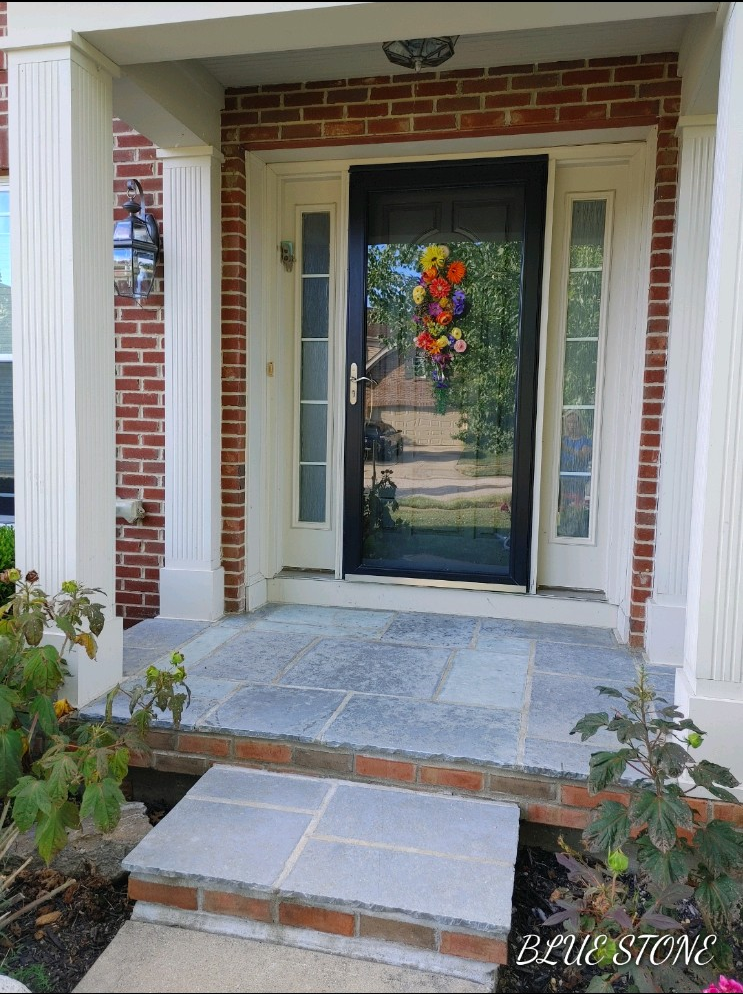
We first had Mark fix the back patio and liked his work so much we had him make a brick patio on the side of the house. When we decided to change our concrete walkway to brick, we wanted Mark to do the job because his prices were fair and he did such good work on t he other two projects.
 Mark Monnette Masonry
I was very pleased with the cost and end result. I truly expected this job to cost me 50% more than it did. When you factor quality and cost, I would highly recommend Mark's services and plan to use him in the future. The best part was, I asked Mark to match the paint color in one section...
 Fresh Touch Custom Painting Inc.
From average costs to expert advice, get all the answers you need to get your job done.
After damage from large storms or unwelcome woodpeckers, the cost of EIFS repairs can sneak up on you. Here's how to determine the price of repairing this common home siding.
If you need to get rid of bugs and pests making your home unsafe, it's time to decide if fumigation is necessary. Learn more about average fumigation costs.
The up-front cost of an electric fireplace is lower than a gas or wood-burning fireplace. This guide will help you understand what you're paying for.
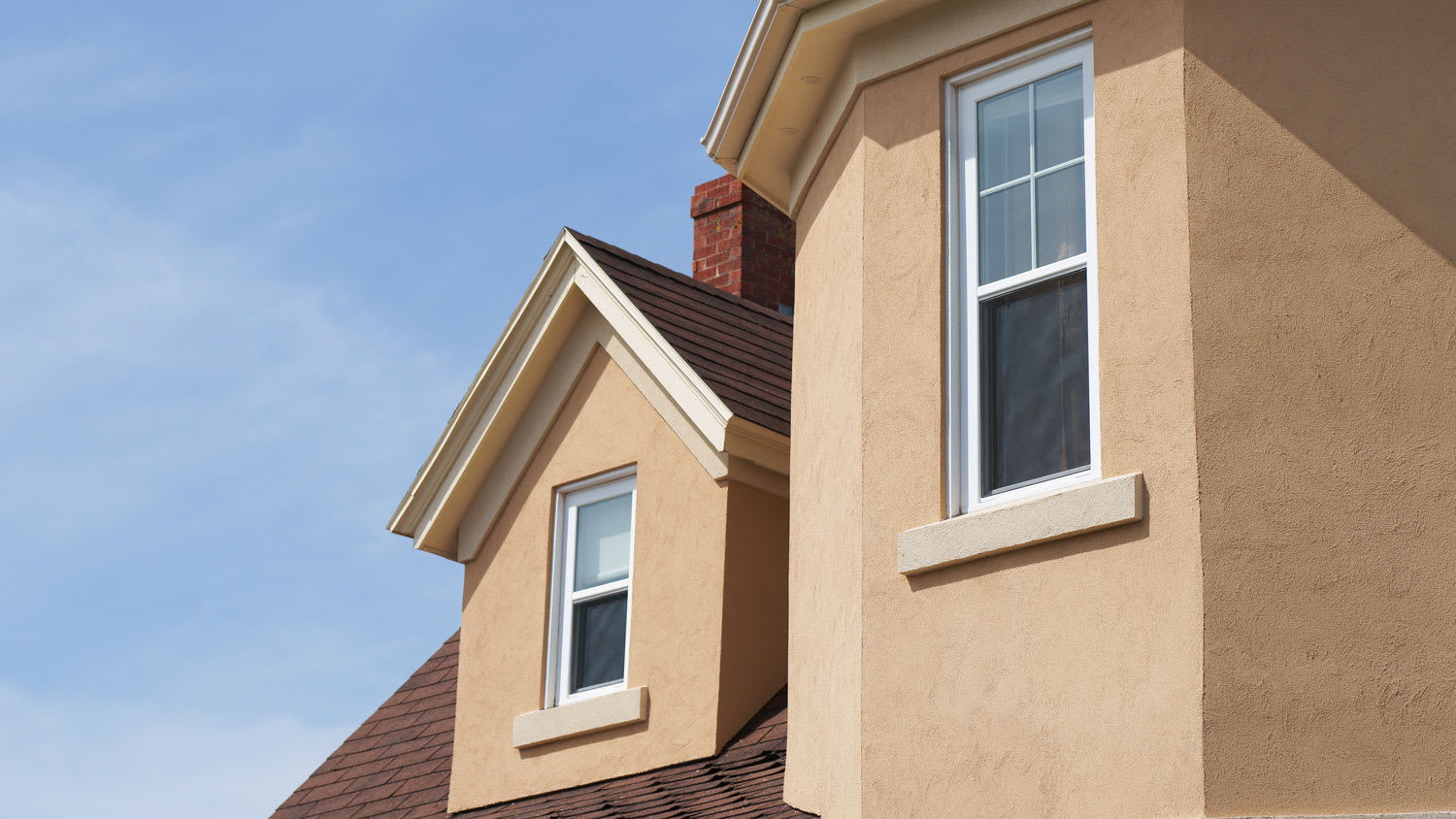
Exterior Insulation and Finish Systems, or EIFS, is a stucco look-a-like but is actually very different. It can be hard to clean and expensive to install, but EIFS is a durable, energy-efficient, and attractive option to spruce up any home.
Tackle your EIFS repair job like a pro by following the steps in our guide, which walks you through cleaning and repairing small holes and cracks.
Exterior Insulation and Finish Systems, or EIFS, is an exterior finish that protects and beautifies your home. Learn how to install EIFS in five steps.