
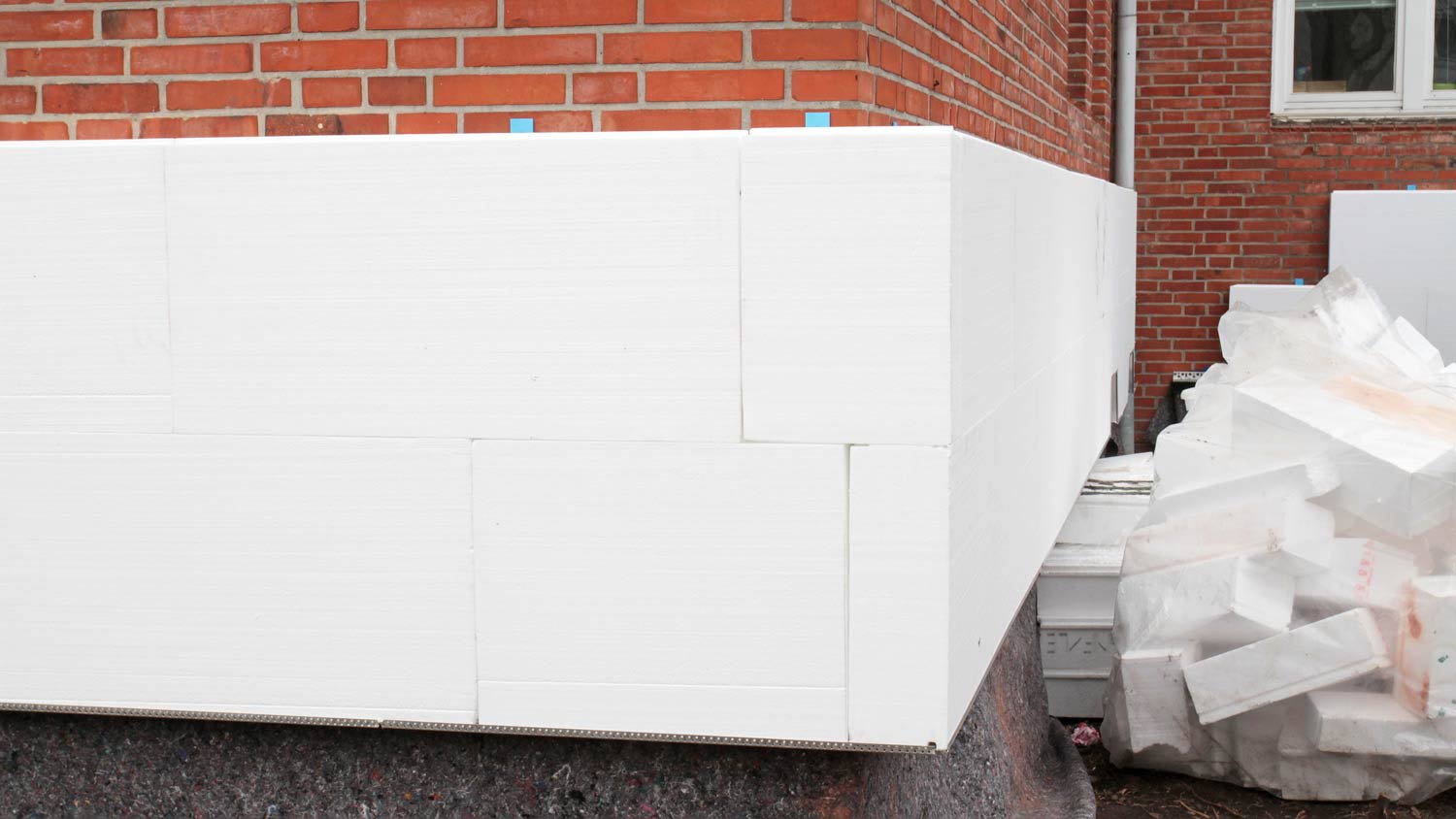
Determining how much EIFS costs per square foot is the key to predicting your bottom line when replacing or installing this long-lasting home cladding option.
Siding service costs depend on your project and location. Check with a local pro for your specific job.

You can expect to pay $300 to $500 for a small 10-square-foot EIFS repair on your home.
Your damage type drives the repair plan, with water intrusion and mold needing deeper fixes than surface cracks.
You should budget for trim, drywall, and flashing repairs, adding $150 to $2,000 based on damage.
Hiring a local siding repair professional prevents hidden moisture damage and keeps your EIFS layers sealed against leaks.
Exterior Insulation Finishing Systems, commonly referred to as EIFS or synthetic stucco, became a popular solution for homebuilders in the mid-20th century. The system's lightweight, highly insulated R-value, and low-maintenance perks made it a hit for both durability and energy efficiency. However, when compared with other common home siding repair costs, the cost to repair EIFS is higher—offsetting some of its benefits in the long run.


A home sided with EIFS includes six layers, including a water-resistant barrier, drainage plane, an insulation board, a mesh layer, and two coats for water resistance and finish. While these layers add significant water protection and insulation, breakage on the surface or surrounding the outside of the EIFS installation leads to several common issues.
| Type of Problem | Cost Range |
|---|---|
| Water Damage | $8–$45 per square foot |
| Mold | $8–$70 per square foot |
| Cracks | $30–$50 per square foot |
| Woodpecker Holes | $30–$50 per square foot |
| Stains and Discoloration | $150–$1,400 |
Due to its multi-layered structure, EIFS-clad homes are infamous for moisture and water-related issues. Water seepage through cracks, incorrect installation, or condensation can lead to water damage, wood rot, and mold.
When facing large-scale water issues, full siding replacement may be a homeowner's best bet. Total EIFS replacement costs between $8 and $45 per square foot, or $16,000 to $32,000 for a 2,000-square foot house. Replacing smaller areas may require complex labor and water damage inspection, pushing the price to $30 to $50 per square foot, including labor.
Similarly, intruding water or condensation from poor home insulation can become trapped between layers and encourage mold growth. Contractors suggest replacement in this case, costing between $8 and $45 per square foot plus the potential cost of mold remediation, which adds $10 to $25 per square foot.
Small cracks in the exterior layer of EIFS may only call for a DIY patch that costs between $10 and $60, depending on the crack's size and depth. However, it's best to hire a professional to inspect cracks and signs of damage since EIFS water damage is notoriously hard to detect. Professional care will fall between $30 and $50 per square foot of the cracked area.
Woodpeckers and similar birds can break down the outer layer of EIFS siding. If you catch the damage quickly, DIY patch kits cost between $20 and $40 and professional repairs will range from $30 to $50 per square foot on average.
Stains and discolored areas of synthetic stucco are just as common as the real thing but are often remedied with a low-pressure setting on a pressure washer. Professional pressure washing costs between $150 to $1,400 for the siding of a home.
Above all else, EIFS repair costs come down to the size of the damage. Small DIY repairs for minimal cracks and holes may only require a $10 kit, while repairs that require a professional cost an average of $30 to $50 per square foot. The final price will depend on how much siding you need, which—due to the comparatively high cost of synthetic stucco materials—drives the majority of the cost.
| Size of Repair in Square Feet | Cost Range |
|---|---|
| 10 | $300–$500 |
| 50 | $1,500–$2,500 |
| 100 | $3,000–$5,000 |
| 1,000 | $30,000–$50,000 |
The top layer of synthetic stucco used in EIFS costs between $0.25 and $0.50 per square foot, five times as much as traditional stucco, which is quite high in the scheme of home cladding costs. The multiple layers and long-term benefits of EIFS also push up the price, adding up to between $1 and $4 per square foot before labor.
It's important to contact a local siding contractor familiar with homes clad in EIFS. Labor prices range from $40 to $75 an hour, or an average of $29 to $46 per square foot if they break down their EIFS repair costs that specifically.
As is the case with most home repairs, the trickier it is to reach the area, the higher the labor costs. Siding repairs on upper levels or blocked by a porch take more time to inspect and repair. EIFS repair costs can also rise when it surrounds an area prone to costly damage such as your foundation.
Depending on your plan, your home insurance plan will cover EIFS repair costs in a few scenarios. For example, some weather and impact damage—such as from a vehicle or a tree—may fall under your plan. In most cases, however, repairs from water damage or typical wear and tear do not qualify.
Be sure to ask your siding contractor if your project requires a building permit. Most small EIFS repairs do not, but larger replacements and any structural repairs to your home could cost an extra $150 to $2,000.
Water, mold, and impact damage to EIFS siding can typically indicate related problems that are either causing or were affected by the original culprit. Here are just a few of the common EIFS repair cost additions to consider in your project.
| Type of Repair | Cost Range |
|---|---|
| Trim Replacement | $0.50–$10 per linear foot |
| Drywall Replacement | $1.50–$3 per square foot |
| Flashing Replacement | $0.50–$3 per linear foot |
| Foundation Repair | $1.50–$12 per square foot |
Removing siding from your home may require contractors to repair or replace damaged trim around windows and doors. Trim replacement costs between $0.50 and $10 per linear foot.
Extensive water damage to your EIFS siding can lead to problems down to the drywall. Drywall replacement costs between $1.50 and $3 per square foot.
Flashing and soffits that run alongside waterproofed areas of your home, such as a chimney, may need replacing along with your EIFS siding. Flashing costs between $0.50 and $3 per linear foot.
Damage to the lower sections of your EIFS siding can cause stains or even damage to your home's foundation. Foundation repairs cost between $1.50 and $12 per square foot, though structural issues can run much higher.
Your contractor will be the best expert to determine whether EIFS repair or replacement is cost-effective. Minor damage from light hail or animals likely only calls for small repairs. A simple patch can cost under $100. While you'll pay more per square foot for repairs—between $30 and $50—the smaller area means a lower bottom line. Replacing EIFS siding costs between $8 and $45, but replacement often covers a larger area affected by water damage or other major disturbance.
EIFS repairs can be deceptively complex because the system relies on multiple layers working together to keep moisture out. Once any part of that barrier is compromised, the underlying damage isn’t always visible from the surface.
A siding professional understands how EIFS is built, how water travels behind it, and what needs to be opened up (or left alone) to fix the issue. To find local pricing and schedule an inspection, compare quotes from a local siding contractor in your area.
Moisture issues, hidden damage, and multi-layer construction make a professional evaluation essential:
A trained pro can assess whether the problem is isolated or part of a larger moisture intrusion you can’t see from the exterior.
Repairs are more reliable when handled by someone familiar with the layers of drainage, insulation, mesh, and finish that make up an EIFS system.
Professionals use the right techniques and materials to prevent future leaks, mold, or structural issues.
EIFS repairs often require careful blending so the patched area matches the existing finish, something pros are equipped to do.
Contractors can identify related repairs, such as flashing or trim issues, that may be contributing to the damage.
Only very small, surface-level issues are candidates for DIY projects, and even then, they require care.
Hairline cracks or tiny impact holes can be patched with a small repair kit if the underlying layers are otherwise intact.
Cleaning surface stains with low-pressure washing is manageable as long as you avoid damaging the finish.
Minor touch-ups on intact areas may be possible using matching caulk or finish coat products.
The secret to lowering the cost of EIFS repair costs is keeping a close eye on your siding. While you'll still find this design on plenty of homes, it's losing popularity due to its susceptibility to water damage. Here are some ways to keep EIFS repair prices low.
When replacing your siding or building a new home, create a list of questions to ask your stucco contractor to ensure EIFS is right for your region.
Hire a professional to inspect your EIFS siding every one to three years, or more frequently if your area is prone to storms.
Keep up with small, DIY-able EIFS repairs, such as cracks and small holes caused by impact damage.
Request and compare quotes from at least three contractors to weigh your options.
Weigh the pros and cons of either repairing or replacing your EIFS siding, depending on the size of the issue.
Ask the siding contractor how they diagnose moisture intrusion, including whether they use moisture meters or infrared scanning.
Confirm whether the EIFS repair is isolated or if surrounding areas should be evaluated for hidden damage.
Review the materials they plan to use and how the new finish will blend with the existing siding.
Request an itemized estimate that separates inspection, labor, materials, and any related repairs.
Discuss access needs (scaffolding, ladders, or removal of nearby fixtures) so the timeline is clear.
Home is the most important place on earth, which is why Angi has helped more than 150 million homeowners transform their houses into homes they adore. To help homeowners with their next project, Angi provides readers with the most accurate cost data and upholds strict editorial standards. We extensively research project costs to develop the pricing data you see, so you can make the best decisions for you and your home. We rely on reputable sources, including the U.S. Bureau of Labor Statistics, academic journals, market studies, and interviews with industry experts—all to ensure our prices reflect real-world projects.
Want to help us improve our cost data? Send us a recent project quote to [email protected]. Quotes and personal information will not be shared publicly.
The guys at PaveWay are top notch. From the estimate to the job being completed,all was done in a timely and professional manner. I myself was a DOT Engineer Inspector(know what to look for) and got to talking with Cameron and he himself was a Contract inspector for a few years,same job as...
 All Star Paving and Sealing
I highly recommend KTM construction! I will look no where else for anything that needs to be done, in or out side of our property. The level of craftsmanship is 5 star service across the board! The level of detail, knowledge and professionalism is 5 star service across the board! Ken is a...
 KTM Construction, LLC
I purchased the "Big Deal": $199.00 for exterior pressure-washing of one- or two-story home up to 2,000 square feet. They cleaned the siding only. I wasn't aware when I bought the Big Deal that they would not do any other surfaces other than the siding (i.e. sides of the gutters or stucco). I...
 Complete Home Services
This brownstone is historical and the carpentry work is very detailed. I was very happy to secure a company in NY and living in OH to complete the request. Wood work on this brownstone has been existing since approximately 1888 and West side did a GREAT JOB. I will not be able to...
 Westside Home Improvement
Nice group of workers, very friendly. Day 1 covered everything before starting, seemed very organized. Things seemed to be going great. Day 2 they didn't show up until around 10:00a.m. and work crew was cut in half, was told they had another job. Day 3 they didn't show up until around...
 CertaPro Painters of Columbus
The work went great! Couldn't ask for better. Joel set a work start date. About the time of the storms that may have been associated with Sandy. He was half a day late. They set up on a Thursday. On Friday they had a full crew at work. By Monday they were finishing up. Now, the best...
 NJW Construction
A few months ago, a tree branch fell across my car, leaving a series of dents across the hood and driver's side fender. I took it to Rife's after reading the Angie's List reviews. Rife's did a great job! My car looks like new. And they made the process as easy as possible. When I came in...
 Rife's Autobody Inc
I received an email from Angie's List offering Car Detailing 4 U's services for $99. Coming from Angie's List, I expected this to be a highly dependable and qualified company that was known for doing exceptional work. I set the appointment for them to come to my home. They were arrive at...
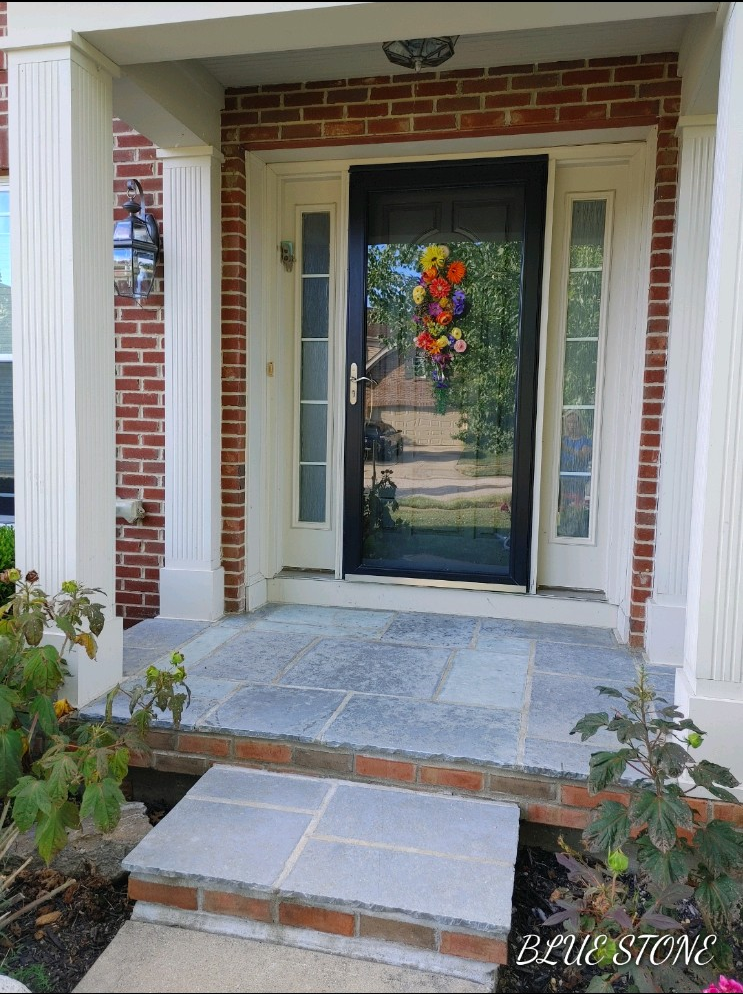
We first had Mark fix the back patio and liked his work so much we had him make a brick patio on the side of the house. When we decided to change our concrete walkway to brick, we wanted Mark to do the job because his prices were fair and he did such good work on t he other two projects.
 Mark Monnette Masonry
I was very pleased with the cost and end result. I truly expected this job to cost me 50% more than it did. When you factor quality and cost, I would highly recommend Mark's services and plan to use him in the future. The best part was, I asked Mark to match the paint color in one section...
 Fresh Touch Custom Painting Inc.
From average costs to expert advice, get all the answers you need to get your job done.
Determining how much EIFS costs per square foot is the key to predicting your bottom line when replacing or installing this long-lasting home cladding option.
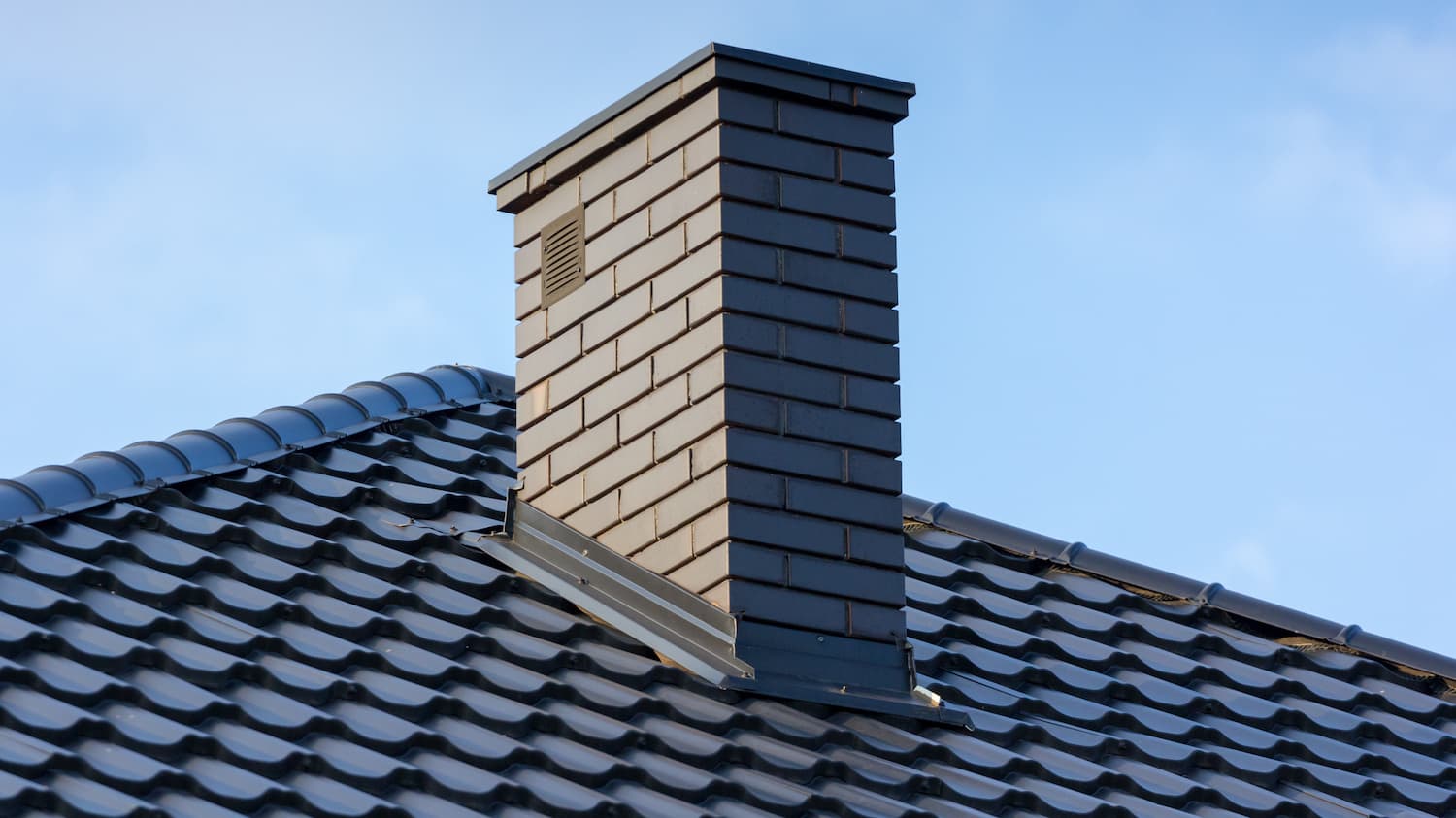
Chimney repair costs can vary by the type of chimney you have and the required repairs. Use this guide to help you estimate project costs.
Discover the average awning repair cost, key price factors, and expert tips to help you budget and save on your next awning repair project.
Tackle your EIFS repair job like a pro by following the steps in our guide, which walks you through cleaning and repairing small holes and cracks.
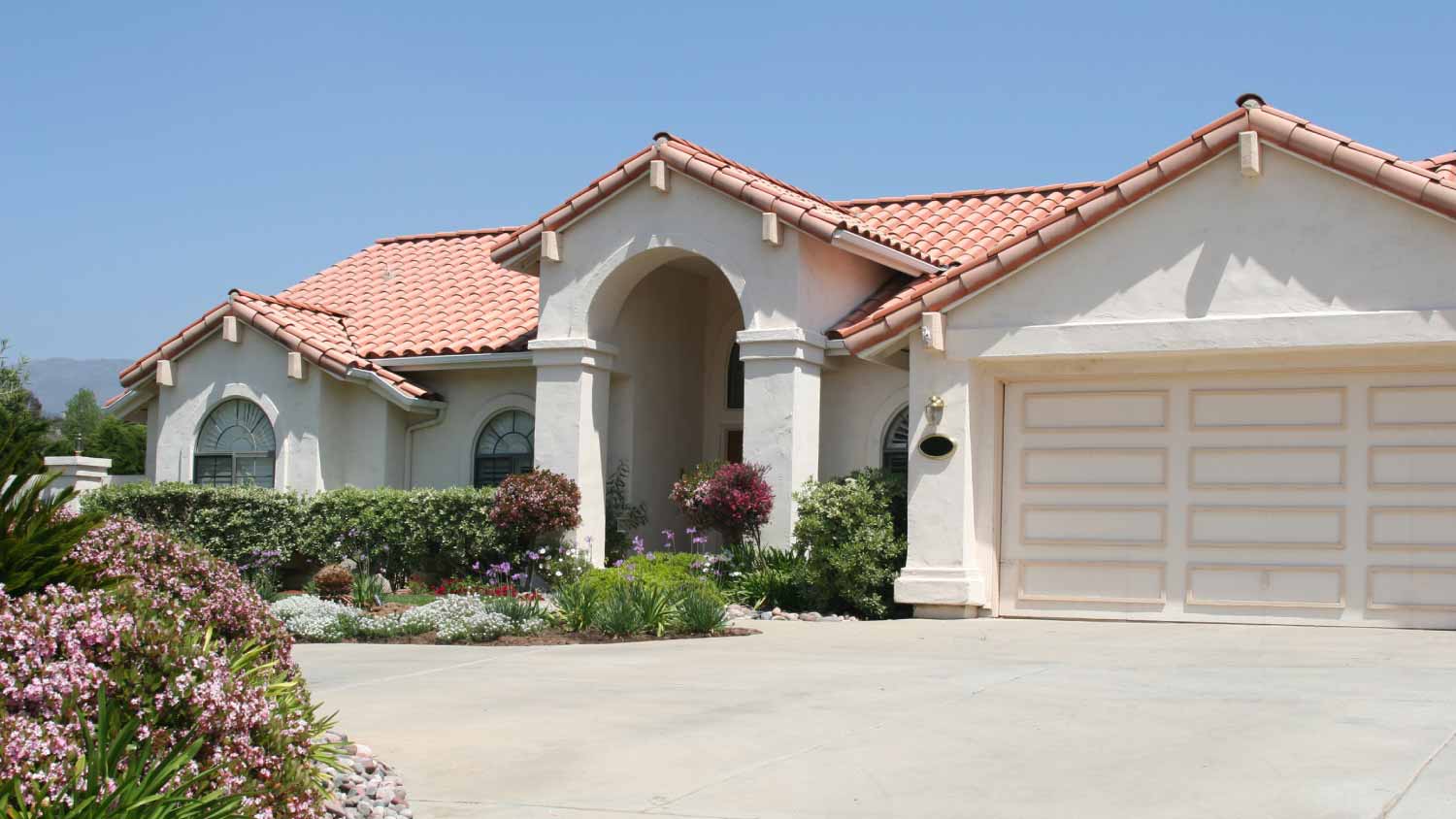
Exterior Insulation and Finish Systems, or EIFS, is an exterior finish that protects and beautifies your home. Learn how to install EIFS in five steps.
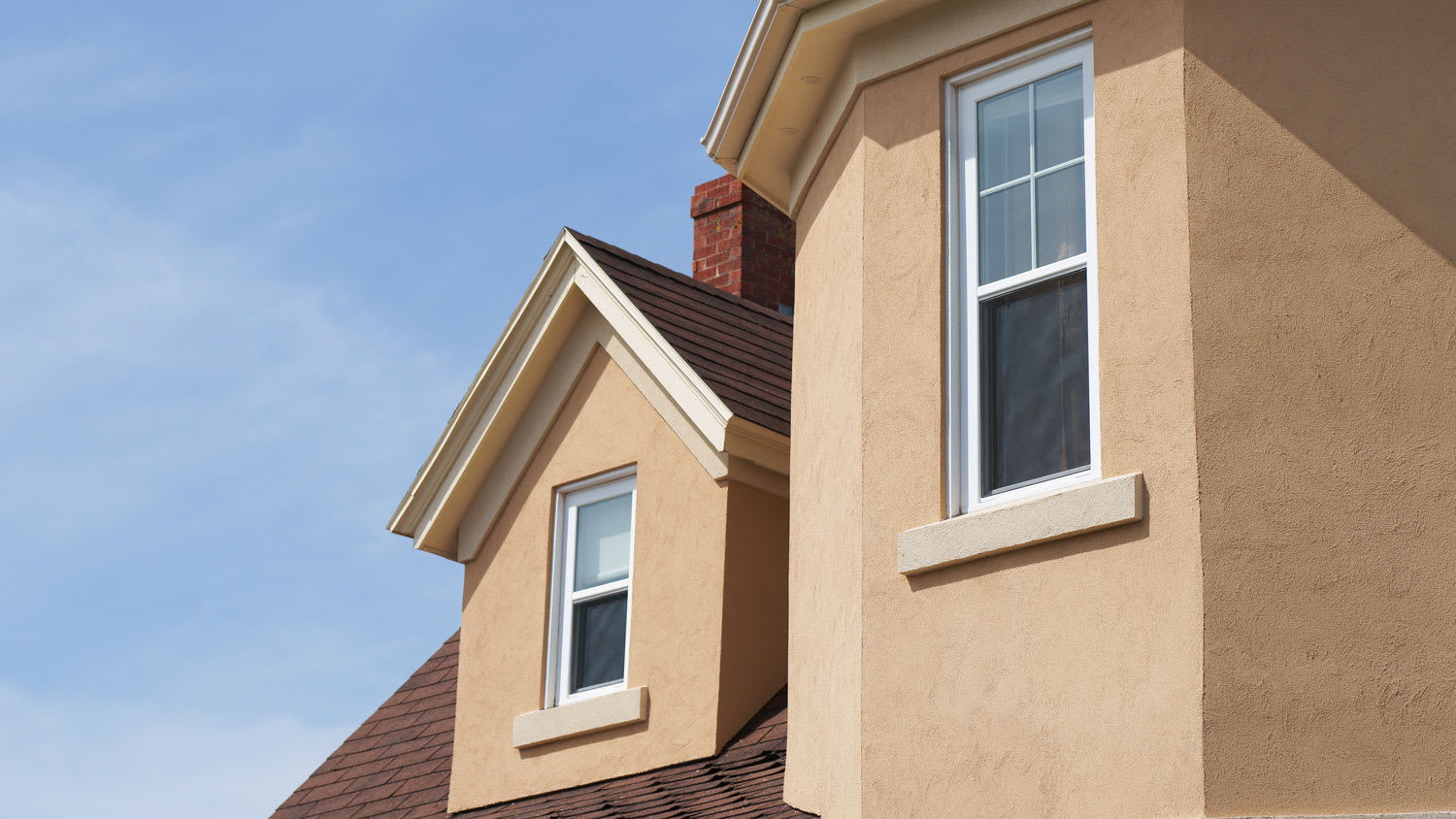
Exterior Insulation and Finish Systems, or EIFS, is a stucco look-a-like but is actually very different. It can be hard to clean and expensive to install, but EIFS is a durable, energy-efficient, and attractive option to spruce up any home.