

Discover how much concrete walls cost based on factors like their size, material, location, design, and local labor rates.
Precast concrete offers a time-saving alternative to concrete poured on-site

Precast concrete arrives at your construction site fully formed and cured, ready to install without the waiting time required for traditional concrete poured on-site.
Precast cement components cost more in materials than cast-in-place concrete, but you save on labor costs when installation requires less on-site time and work.
Your precast concrete construction needs proper sealing and annual inspections to prevent staining, discoloration, and deterioration that can shorten its 50 to 100 year lifespan.
Hiring a local concrete wall professional keeps installation safe and up to code, handling specialized equipment and ensuring all precast components fit correctly and securely.
If you’re building or renovating a home, it’s likely you’ve heard the term “precast concrete” since this construction material has become a common component used in building homes. If you’re not sure what precast concrete is or if it’s right for your project, this guide explores what makes precast concrete different, how it’s used, and its benefits and drawbacks.
Precast concrete is a construction material consisting of concrete poured into a mold, cured in a controlled environment, and transported to a construction site ready to use. Unlike traditional cast-in-place concrete, which is poured into forms or molds and cured on-site, precast concrete arrives at the job site already formed and ready to be lifted into place. This type of concrete is a popular choice for construction projects due to its consistency, convenience, and time savings.

Precast concrete is used in various ways for building homes. Precast concrete slabs are a popular alternative to pouring a slab on-site. A precast concrete slab may cost more in material costs than concrete poured on-site, but the savings in labor costs can make it cost-effective for many projects.
This versatile material is also used for walls, beams, foundations, concrete floors—even concrete steps. Precast concrete can also be used to make retaining walls and septic tanks, so a wide range of projects may offer the option for precast concrete components.
Precast concrete is a great choice for many projects, but there are some factors to consider when deciding between precast and cast-in-place concrete.
| Pros | Cons |
|---|---|
| Consistent shape and quality | Harder to transport |
| Saves on-site curing time | May require specialized installation equipment |
| Controlled curing environment | Higher material costs |
Precast concrete is a popular choice for several reasons. Precast concrete offers consistently sized components because it’s poured into prefabricated molds rather than forms built on-site. Its consistency in curing is also an advantage—because it’s cured in a controlled environment rather than outside at a job site, temperature and moisture variations won’t affect the concrete.
One of the biggest reasons to choose precast concrete is the time savings. Cast-in-place concrete can take days or weeks to cure, adding time to your construction schedule. Precast concrete arrives at the job site fully cured and ready to install, so you won’t waste time waiting for it to be ready for the next stage of construction.
While the fact that precast concrete is ready to use as soon as it’s delivered is a big selling point, transportation and installation can be a drawback. Transportation costs can be prohibitive depending on how far the construction site is from where the concrete is manufactured.
These large concrete pieces have to make their way to the job site fully formed, so they require specialized—and often expensive—equipment to install them. Cranes are often used to lift precast concrete into place, which can add to the project cost.
Precast concrete can also cost more than cast-in-place concrete due to material and transportation costs. In many cases, though, the time savings from using precast concrete can result in a lower overall project cost, so consider all the cost factors when deciding which type of concrete to use.
"The easiest way to avoid concrete burns is to wear long sleeves, gloves, and a mask when working with concrete. If the concrete does come into contact with your skin, simply use a hose or cold water to get it off as soon as possible."
— Mitch Coluzzi, Head of Construction at SoldFast
Precast concrete is a durable, long-lasting material that can stay in great condition for decades with some routine maintenance. Ensuring that your precast concrete is properly sealed goes a long way to extending its lifespan and makes it easier to prevent staining. Perform regular cleaning according to the manufacturer’s instructions and re-seal as needed to prevent discoloration and deterioration. In addition, inspect your precast concrete annually to identify any minor repairs that are needed.

While precast concrete components mean you don’t need experience with pouring concrete unless you have the equipment and expertise necessary to install it, your best bet is to hire a local concrete wall pro. Professional concrete contractors will ensure all components are installed correctly and that the project is safe and up to code.
Depending on where you live, local building codes may require a licensed contractor for specific building projects, so check your municipality’s regulations before attempting DIY concrete projects.
Archie did a good job cleaning up the driveway before he laid down the sealer. It looks good. He was gracious and even helped me bring up my groceries. His rate was comparable to another company who came out to give me a quote and he talked to me personally rather than just text me a quote...
 Pro Seal Roofing & Paving
Wonderful. I am going to have them remove and replace my driveway in the spring.
 All Star Paving and Sealing
Working with Peter and his crew was a breeze. They were exceptionally polite and did a neat job to repair and seal our driveway. I will definitely talk to them first for additional work.
 Central Paving
The preformed a really good job the staff is incredible never been so happy with my home, A brand new driveway is like a face lift!!
 Pristine Paving
We recently had our office sidewalk repaired and CT Concrete did an "Outstanding" job. They were quick, friendly and the job is "flawless". I would highly recommend CT Concrete for any of your concrete/sidewalk needs.
Called Mark on a Thursday morning. Not really knowing if he could help me or not. I was having driveway, flooding issues due to a clogged channel drain and I was trying to figure out what direction to take. Heavy rains had come on Monday and again on Thursday leading to flooding in my garage...
 Mark Rodgers Construction
It went really well! The concrete looks, they even did some patch work on my buildings parking lot. That was such a plus! <br />
 AmeriCoat Asphalt & Concrete
Jand J has provided services for clients of mine for 15 years or maybe longer. They are always honest with their recommendations, providing good advice to my clients and competitive pricing. All three of the structural engineers whom I have dealt with in recent years have Jand J on their...
We first had Mark fix the back patio and liked his work so much we had him make a brick patio on the side of the house. When we decided to change our concrete walkway to brick, we wanted Mark to do the job because his prices were fair and he did such good work on t he other two projects.
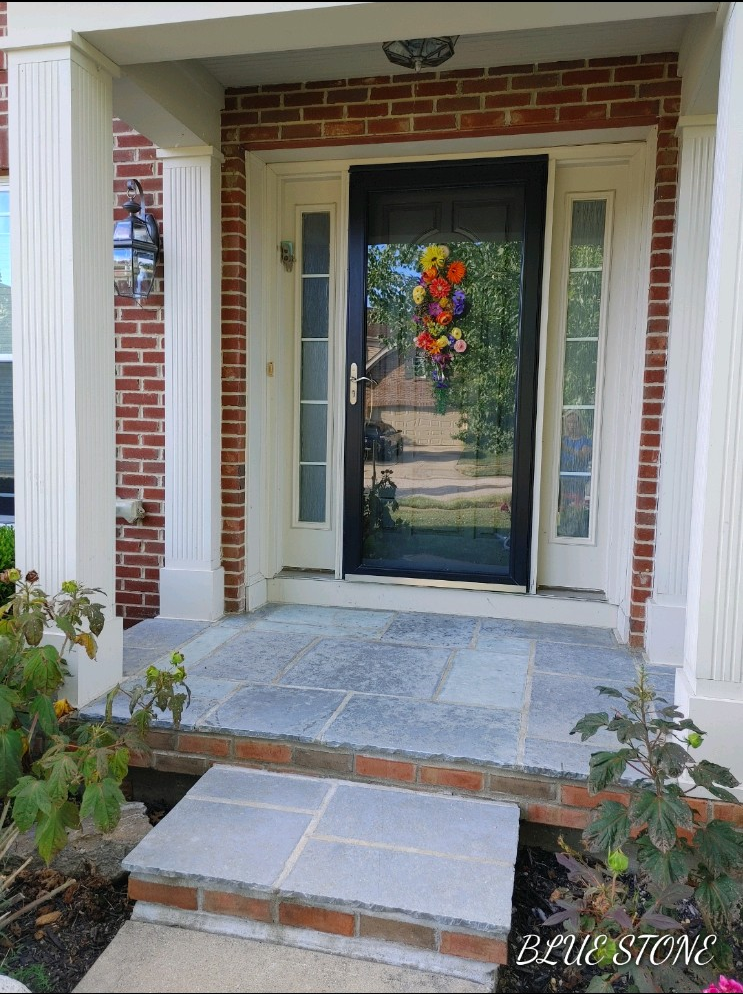 Mark Monnette Masonry
Mr. Lewis was extraordinarily responsive. At the time we realized that the concrete could not be repaired, we had intended to put our house on the market. We were anxious to get the work complete so that we wouldn't delay marketing the house. Mr. Lewis promptly returned our calls, provided...
From average costs to expert advice, get all the answers you need to get your job done.
Discover how much concrete walls cost based on factors like their size, material, location, design, and local labor rates.
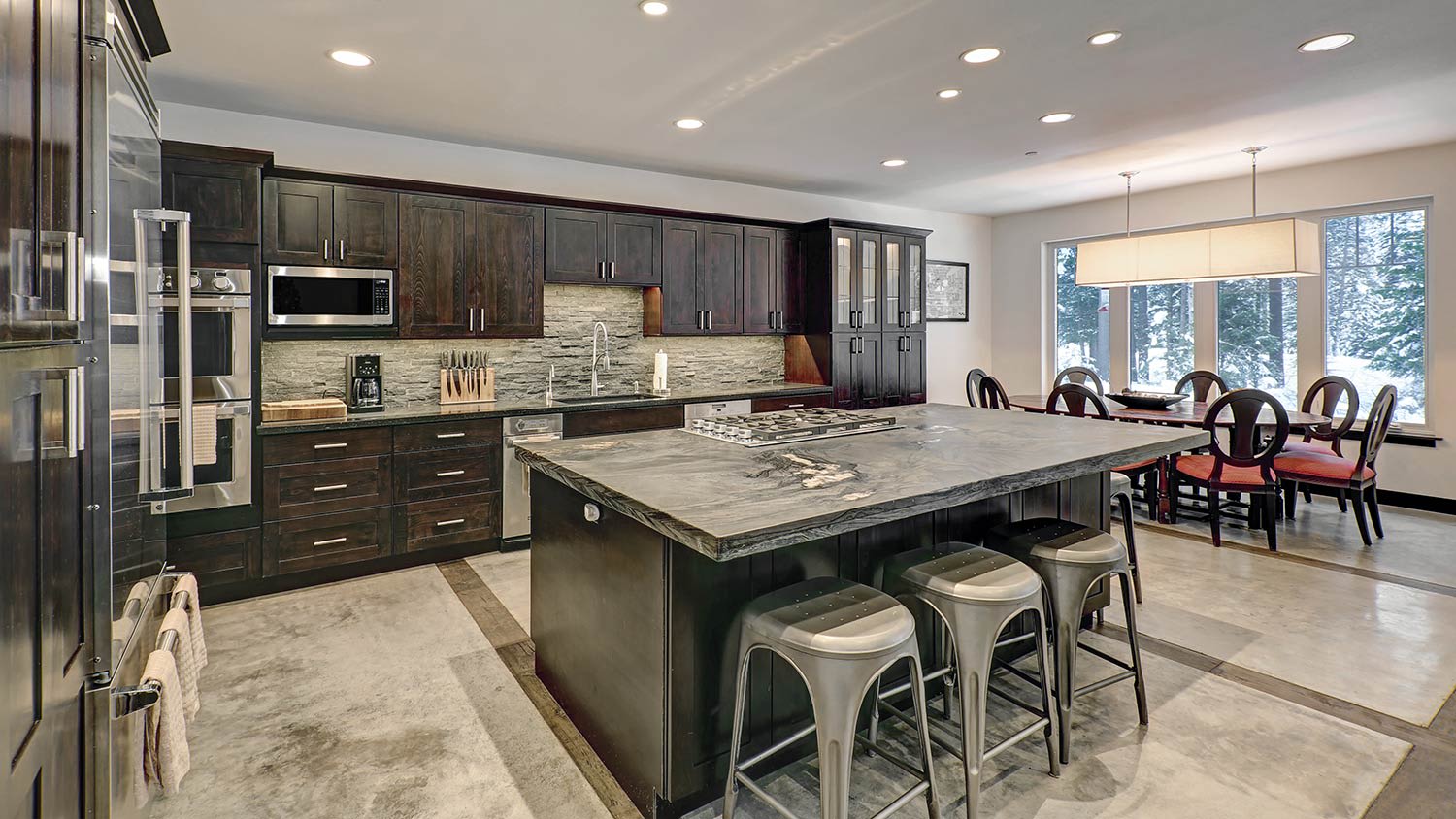
Explore how much concrete countertops cost to install based on factors like their size, thickness, location, finish, and labor rates.
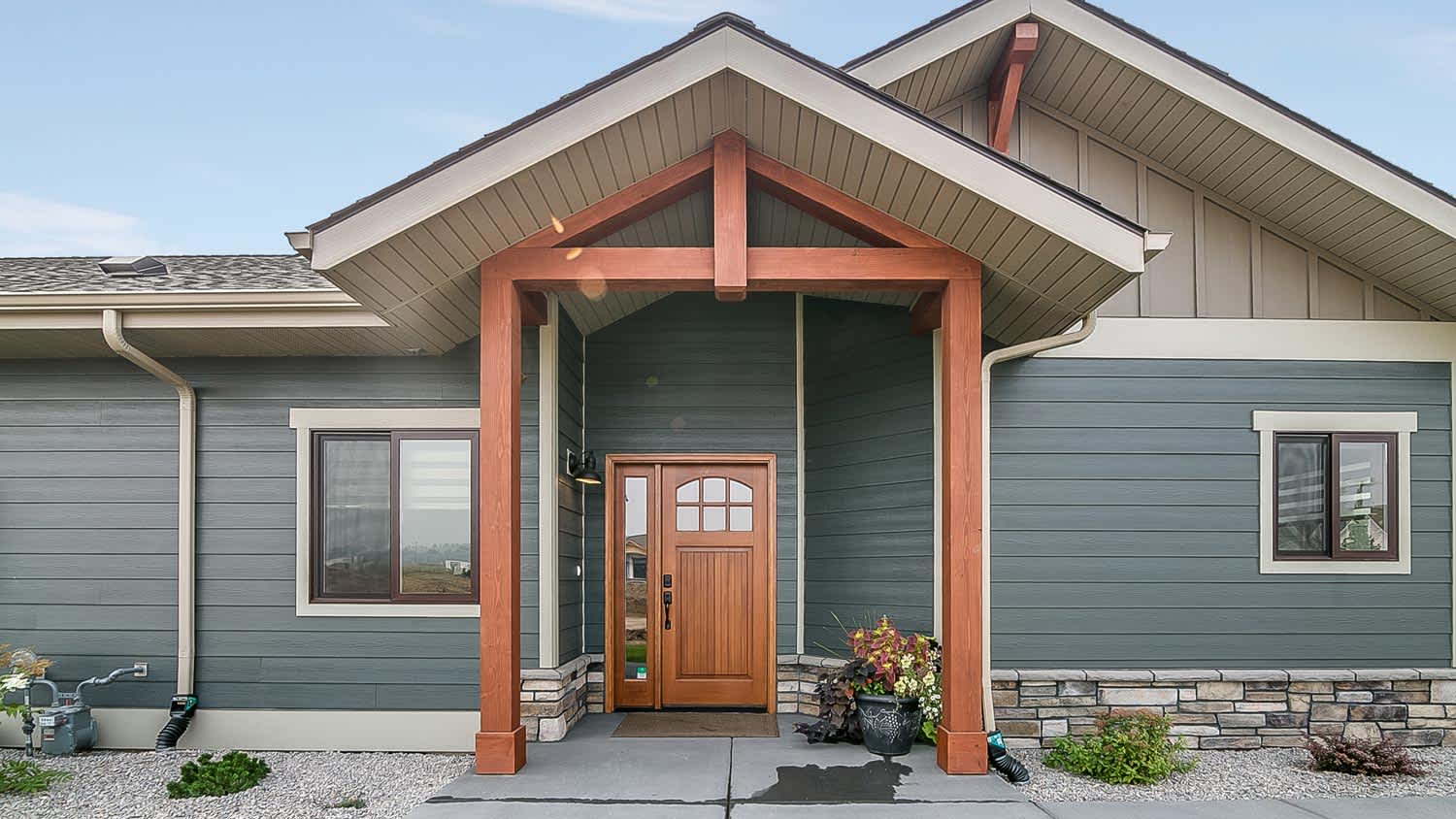
Concrete plays a role in more than just your foundation. No matter where you need the extra stability, here's how to determine your concrete slab cost.
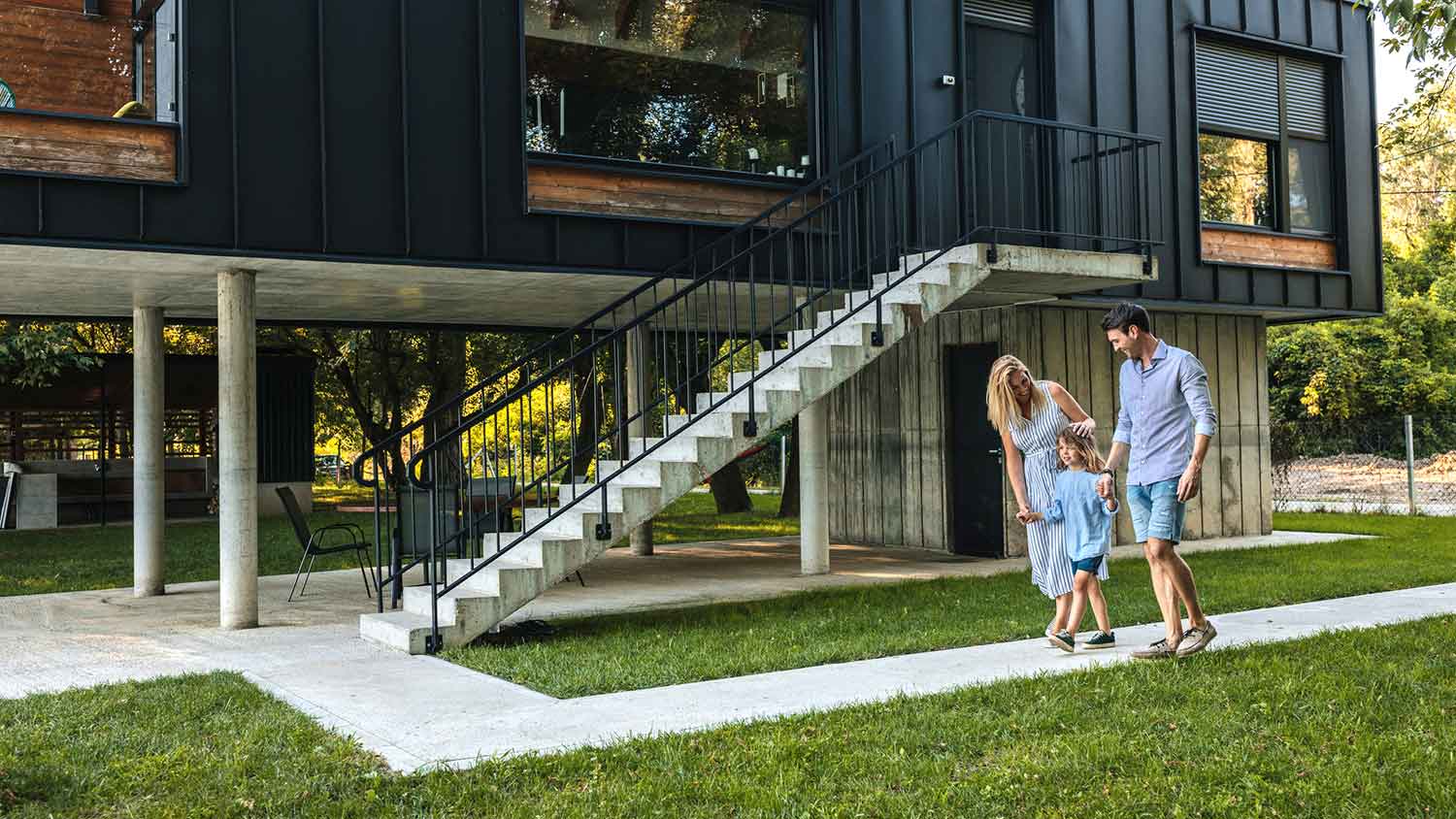
Did you know there are different types of pre-mixed concrete? Learn what project each type is best for, important terms, and more.
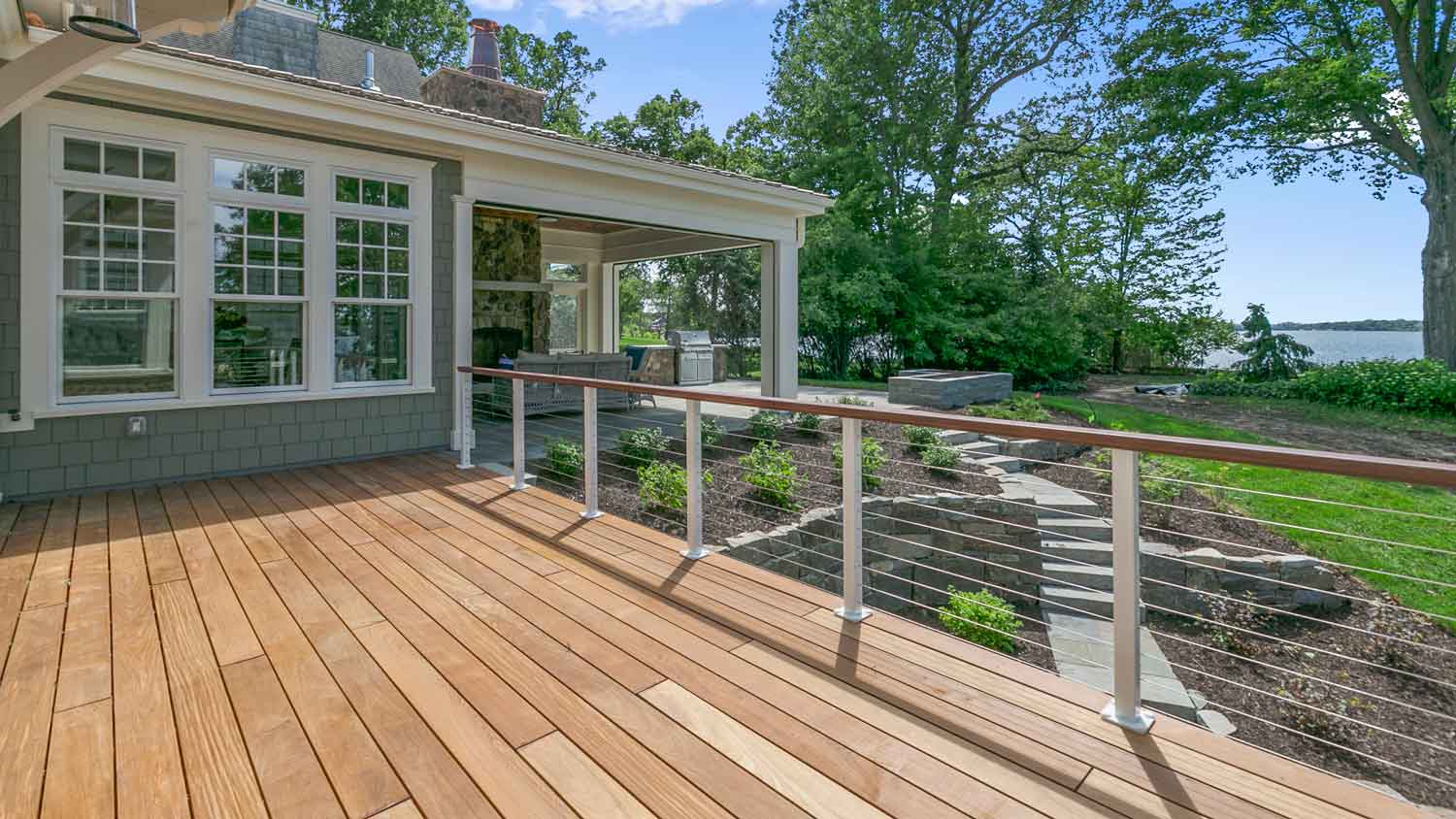
Footings act as your deck’s base, making sure it’s safe and sturdy. However, not all footings are the same. Here’s how five types of deck footings compare.
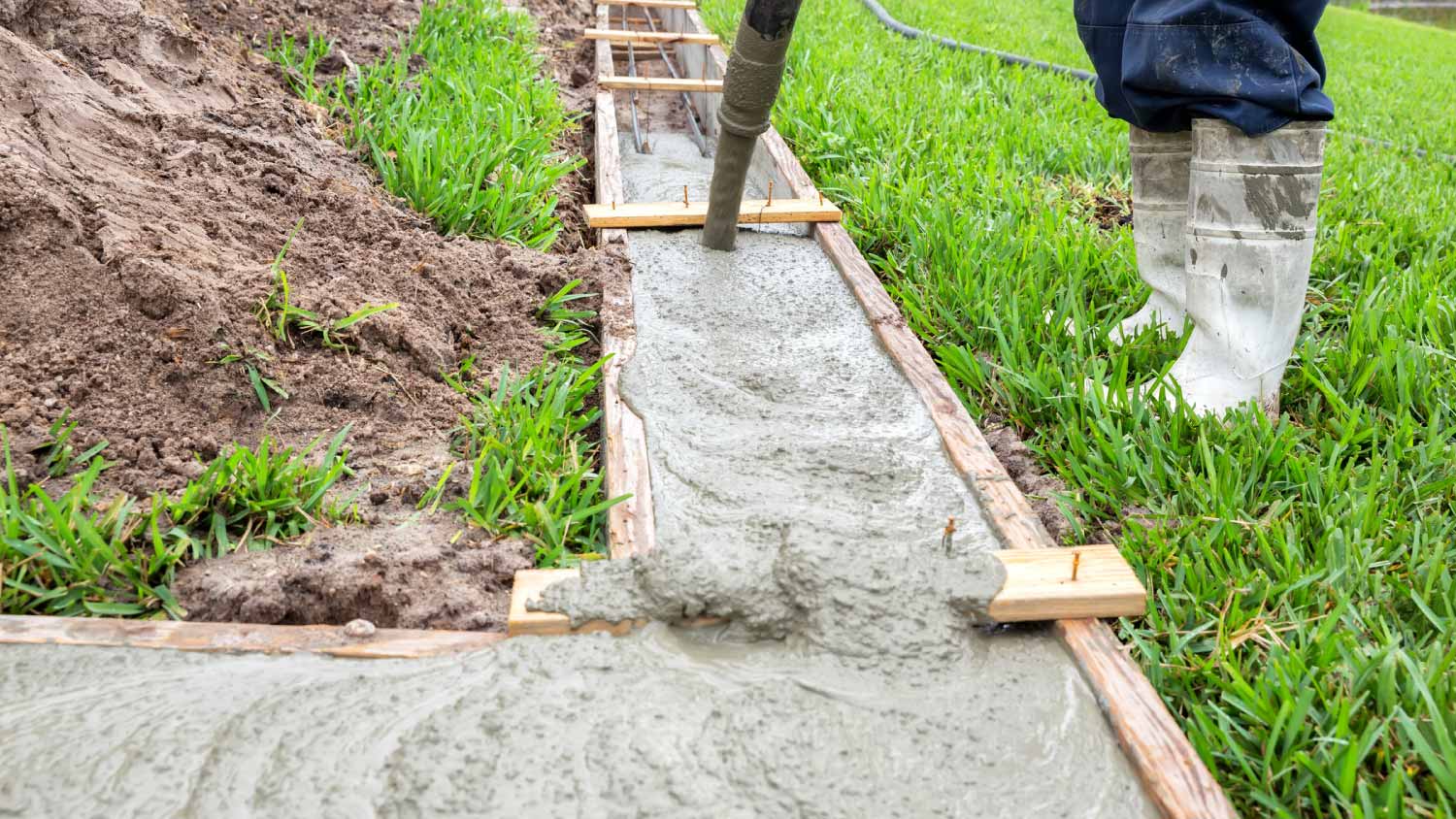
A new patio, walkway, or driveway can be a welcome addition to your home, but be sure to check if you need a permit to pour concrete in your location.