
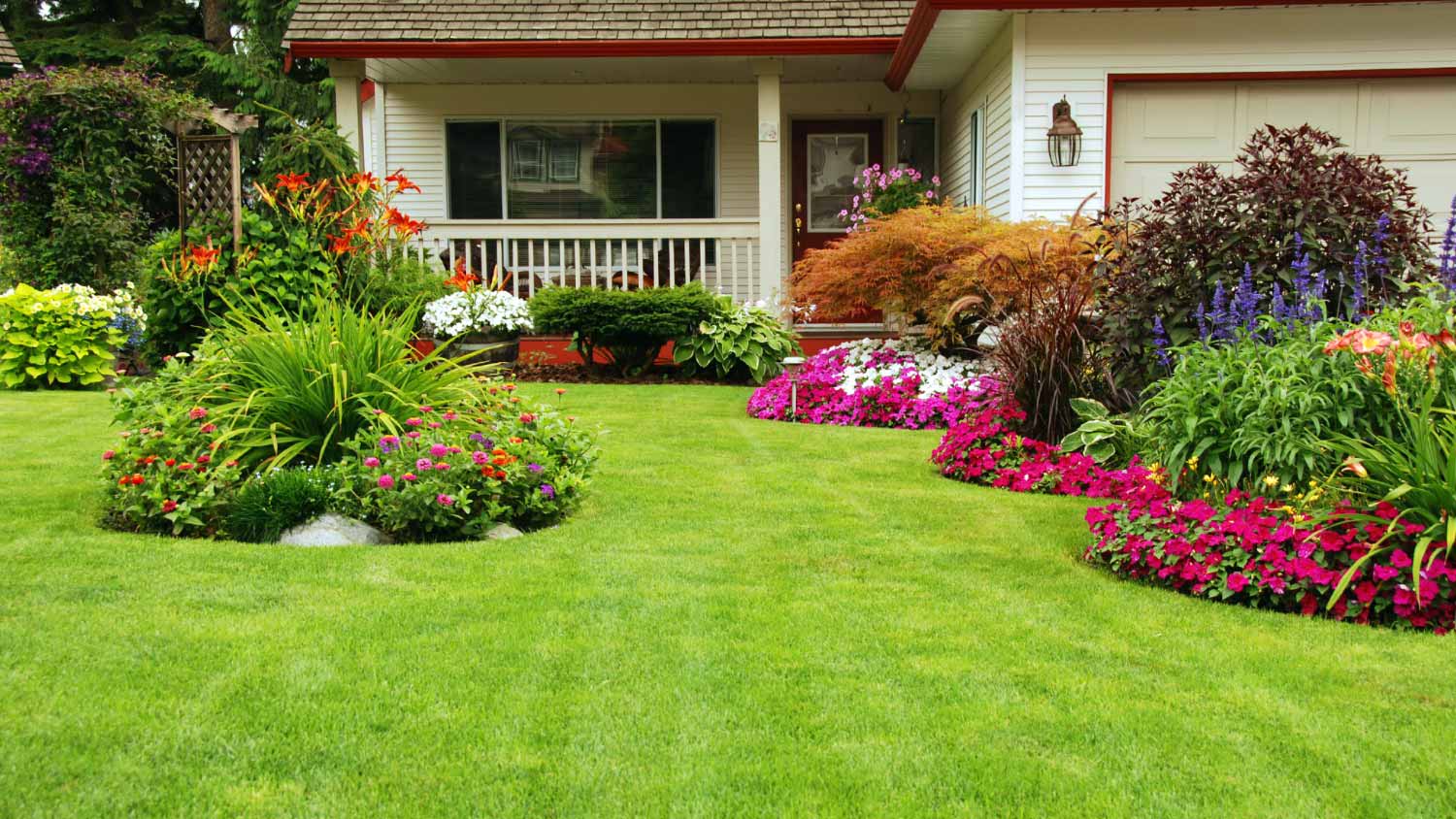
The cost to renovate your lawn depends on the extent of the damage. Our guide will show you how much lawn renovation costs.
Not all homeowners want to take a walk down nature’s green carpet

Moss in your lawn indicates compacted soil, poor drainage, low pH, excessive shade, or under-fertilized grass that struggles to compete with moss growth.
Your lawn needs better drainage through aeration and compost, increased sunlight by pruning trees, and higher soil pH using lime to support turfgrass over moss.
Address moss by aerating your soil to improve drainage, seeding bare spots, fertilizing five to six times yearly, and dethatching to remove old grass.
Hiring a local lawn care professional provides reliable support for soil testing, aeration, fertilization schedules, and identifying the specific conditions encouraging moss in your yard.
Beauty is in the eye of the beholder, and moss is no exception. Some homeowners can’t stand the sight of moss popping up between a thinned-out turfgrass, while other homeowners love the texture and look of moss. And while moss isn’t necessarily “bad,” you’ll want to know how to maintain (or remove) it, depending on your preferences.
First and foremost, though we all have passed by moss on the trees or growing sneakily in the shade of a yard, it’s not often that we sit down to think about what exactly moss is. Moss is an absorbent, rootless plant that helps maintain soil moisture and humidity.
You’ll find moss in damp woodlands, swamps, and marshes, but it can grow in many environments. While you might find moss to be invasive in your yard or worry it’ll have bad effects, it’s actually an important part of ecosystems, helping to stabilize soil and protect the earth from erosion and floods. Moss also absorbs nutrients from our atmosphere and can serve as a good indicator of how much air pollution is present in a region.

There are many reasons you have moss growing on your lawn.
These conditions promote lawn moss growth:
Compacted soil. Poor air circulation in the soil allows for too much moisture.
Poor soil drainage. Wet soil that has poor drainage can include soil in low spots of your property or soil types that are prone to poor drainage, like clay.
Highly acidic soil (low soil pH). Plants like pine and pecan trees are acidic and can encourage the growth of moss.
Heavy to medium shade. Excessive shading allows for moist environments perfect for moss.
Cutting your lawn way too low. Cutting the turf too low helps moss grow because it has a better chance of competing with the thinned grass.
Soil that’s under-fertilized. If your yard isn’t regularly fertilized, the grass will struggle to grow, allowing for moss to grow in its place.
Not all homeowners want to get rid of moss. In fact, moss is a low-maintenance option for lawns that offers rich color and a soft texture to walk around barefooted. You won’t even have to crank out the old lawn mower or hire a local lawn service to maintain your yard come springtime!
Here are some best practices for keeping your lawn moss in tip-top shape:
Keep it moist
Maintain pH levels between 5.0 and 5.5
Add shade
Plant moss from a nursery rather than harvesting it from nature to preserve the ecosystem
Remove weeds as they appear
If you don’t want moss to grow in your lawn, but it continues to rear its head like a game of whack-a-mole, then you’ll need to get your gardening gloves ready to proactively rid your yard of the pesky plant.
Mossy lawns result from native mosses that grow into areas where your lawn is weak or your soil is bad. Unfortunately, mosses are extremely resistant to poor growing conditions and can take over your lawn if allowed to spread. Lawn moss can increase rapidly under the right conditions and is tolerant of extremely low mowing, so regular clipping of the grass will not remove it.
Not all is lost, however; you can reduce lawn moss growth by a number of methods:
Moss loves compact soil, so the best way to counter this is to add loose soil to your lawn. Improve soil drainage by adding compost or manure to the soil. Organic compost can be raked into the holes left from aeration to improve your soil. When the compost breaks down, organic matter is introduced to the clay to nourish and enrich the soil, which encourages worms and strong root growth.
If you have too much shade in your yard, then it might be time to prune those shrubs or thin your trees. Pruning your trees or removing the lower limbs improves your lawn’s growing conditions by discouraging shade, which attracts moss. Have a good walk around the yard to see what other areas are prone to shade and clear out any of those areas if possible.
Turfgrass thrives on soil with a pH level somewhere between 6.0 to 7.0, but moss thrives on lower pH levels (between 5.0 and 5.5). The most common ingredients to increase soil pH levels include lime, dolomite lime, or even ground eggshells, wood ash, or any other items that naturally include calcium carbonate.
Before you add anything to your soil, conduct a soil test to assess the condition of your soil. A soil test is simple to perform and very affordable, and it will give you valuable information about the condition of your soil.
Dethatching is the removal of old, tired grass and moss. A motorized power rake does this quickly. The best time to dethatch is in the fall and late spring when your lawn is dry and the thatch is light and fluffy. This allows the maximum amount of thatch to be removed while minimizing stress on your lawn.
To reduce competition from moss and give your lawn a fighting chance, you'll need to aerate, seed, and fertilize the lawn. Stay on top of fertilizing your yard by hiring a fertilizing company near you to fertilize and seed your yard five to six times a year.
Here’s what you need to do:
Aeration. Improve soil drainage by using a tractor or push aerator to drive into your soil and loosen it up. Follow with raking and then adding compost, manure, or peat moss to the soil to add more nutrients and create a more porous soil for your lawn.
Seed. When introduced immediately after aeration, seeds can help your existing lawn stay vibrant and strong.
Fertilizer. Finish it off with fertilizer to feed the grass and help keep moss from invading.
While moss isn’t bad for your lawn, you’ll need to make sure any issues preventing lawn growth are corrected or it could come back with a vengeance. It might take a bit of trial and error, but be sure to identify which factors are contributing to moss growth and address them to help improve your lawn.
Eradicating lawn moss is a matter of dealing with underlying forces of nature—conditions that ultimately will decide how successful you will be. As with any force of nature, it can be frustrating to troubleshoot your lawn on your own.
From the right soil enhancements to the right seeds, a professional landscaper near you can help you navigate the challenges of managing moss in your lawn to better help you get that yard of your dreams.
They did an excellent job! Super fast, helpful, and made the process so easy. Great job!
 1-800-GOT-JUNK?
1 tree was cut down and 5 others including a large willow tree were trimmed. The Grant Tree Service men were professional and cleaned up afterwards. The cost of the 6 trees were affordable. I am very happy with the results. I would hire them again.
 Grants Tree Service
Thank you very much for his professionalism and getting the job done the right way the first time. Great job!
 Alex & Alex
Great job! Friendly, timely and thorough.
 Eco Plumbers, Electricians, and HVAC Technicians
It was a difficult job and Robert and his son worked diligently to get it done.
Window Depot did an amazing job on my deck. I wasnt sure what I wanted to do, but their composite decking was affordable and will last a long time. I am excited to have family over, and I am no longer embarrassed by my backyard. Jeff and the ground crew were polite, respectful, and caring for...
 Window Depot USA of Central Ohio
He did the work in a timely manner and I would use him again!!
 Quantum Waterworks Waterline & Drain Cleaning Services, LLC
Cameron and his crew did an excellent job. On time, professional and courteous. My driveway looks awesome!!
 All Star Paving and Sealing
The guys did an outstanding job and we had a great experience with CarifaTile. I appreciated that Joe reviewed the quotes with me and set expectations prior to the install. The crews showed up as scheduled and always left the areas clean upon leaving the house. We will definitely use...
 CarifaTile
He was very informative and knowledgeable about what needed to be done and very thorough I was really pleased with our visit
 Southwest Ohio Art Glass
From average costs to expert advice, get all the answers you need to get your job done.
The cost to renovate your lawn depends on the extent of the damage. Our guide will show you how much lawn renovation costs.

Discover the cost to fertilize your lawn, including average prices, key factors, and tips to help homeowners budget for a lush, healthy yard.
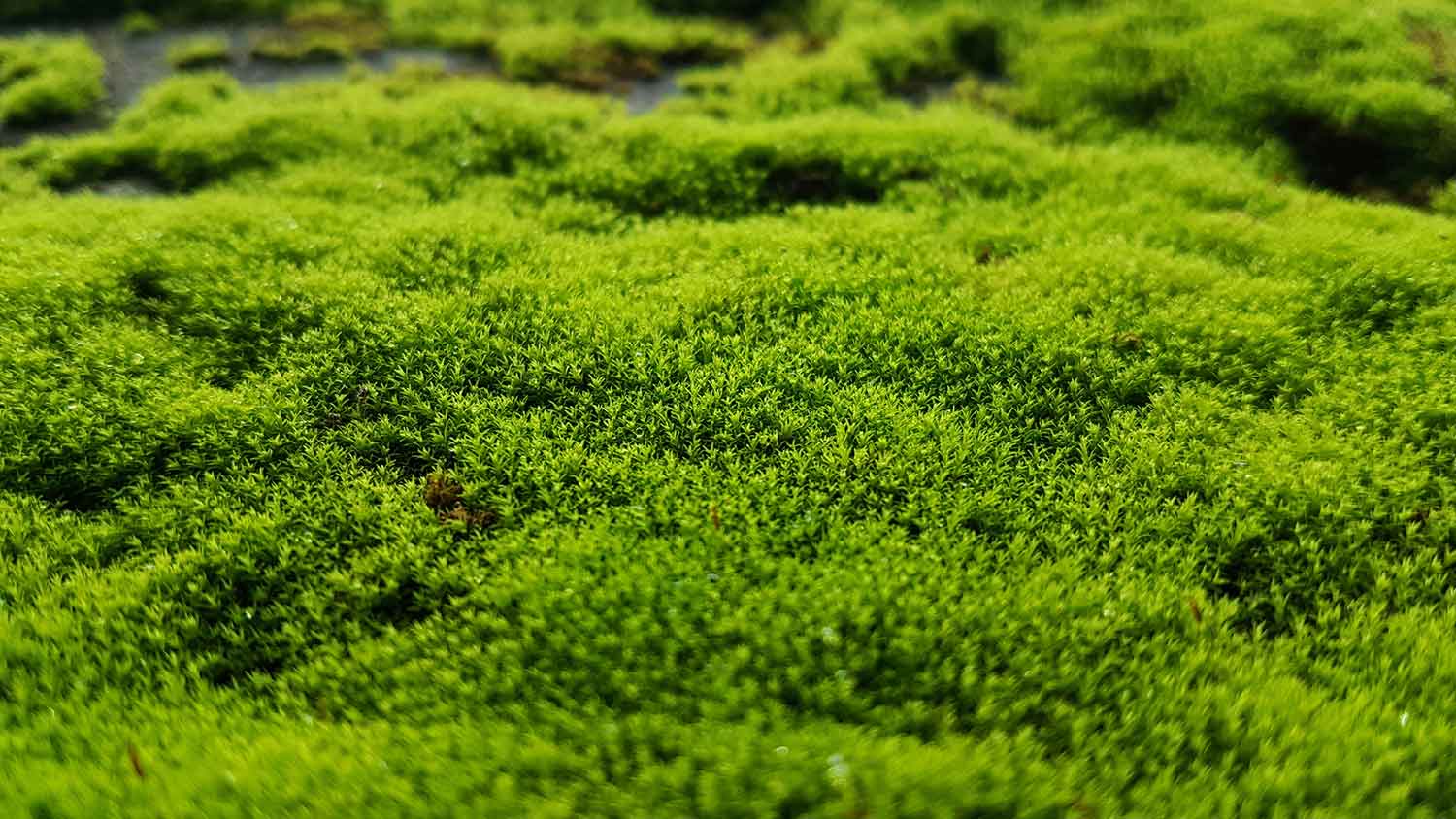
A lush moss lawn can be a beautiful, low-maintenance green space that thrives in extreme conditions with little effort.
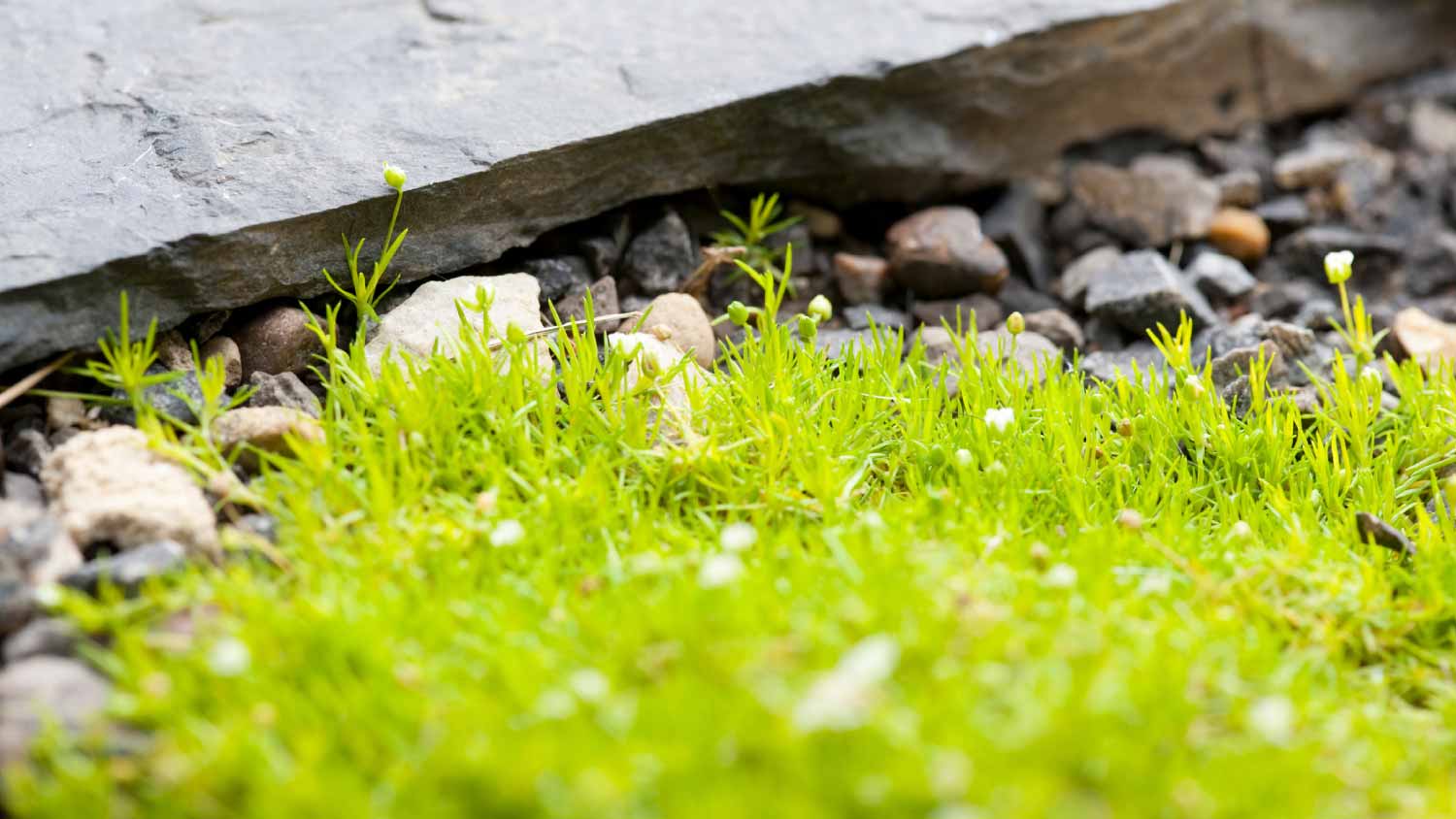
Why is moss growing in your lawn? Learn what makes moss grow and how you can get rid of it and make your lawn the envy of your neighbors.
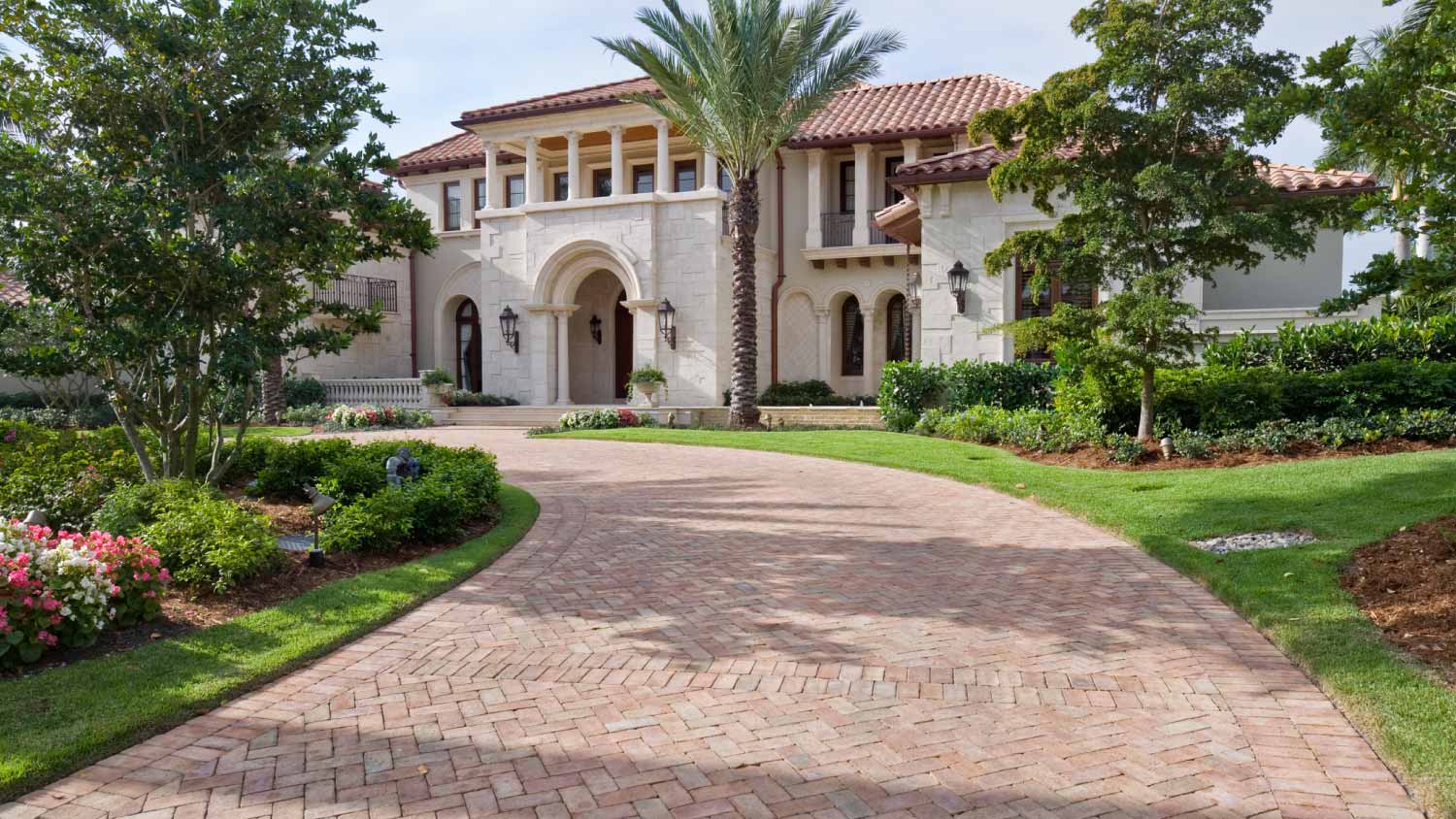
You can use boiling water, vinegar, commercial moss killers, and more to remove moss from driveways. Learn how to get rid of moss on driveways in this guide.

Discover what lime does for grass, how it can help improve your lawn, and when and how to apply it for the most effective results.