
Cutting tree roots doesn’t always stop them from growing. Here’s what you need to know about root regrowth and how to prevent issues.
Climate conditions can dictate a tree's root growth

Tree root growth in winter depends on your soil temperature, as roots stop growing when the ground freezes and resume only when temperatures rise above freezing.
Expect to pay $200 to $700 for stump and root removal, with costs varying based on your stump's size, location, and the removal method used.
Your trees grow roots most actively during late spring and early summer, though some root growth can continue into fall if your temperatures remain above freezing.
Hiring a local stump removal professional keeps your sidewalks and foundation safe by removing stubborn stumps and roots that continue growing after tree removal.
Caring for trees during the winter is different from other times of the year. Many types of trees, such as oaks, birches, and maples, experience dormancy during the coldest months of the year.
Let’s dig into the details of whether trees grow roots during dormancy, when they grow fastest, and whether a tree stump can still grow roots.
Whether trees grow roots during dormancy depends on the ground’s temperature and the overall climate. When the soil temperatures reach below freezing, root growth stops, and it won’t resume until the ground temperature rises above the freezing point. Although trees can grow roots during dormancy if climate conditions are right, the growth is typically much slower than other times of the year.
Dormancy is a period when plants and trees enter a state of “rest” and temporarily stop growing. It is caused by reduced temperatures and sunlight, occurring during late fall and winter. When a tree enters dormancy, it conserves energy and resources, allowing it to survive the harsh conditions of the winter season and prepare for the growing season.
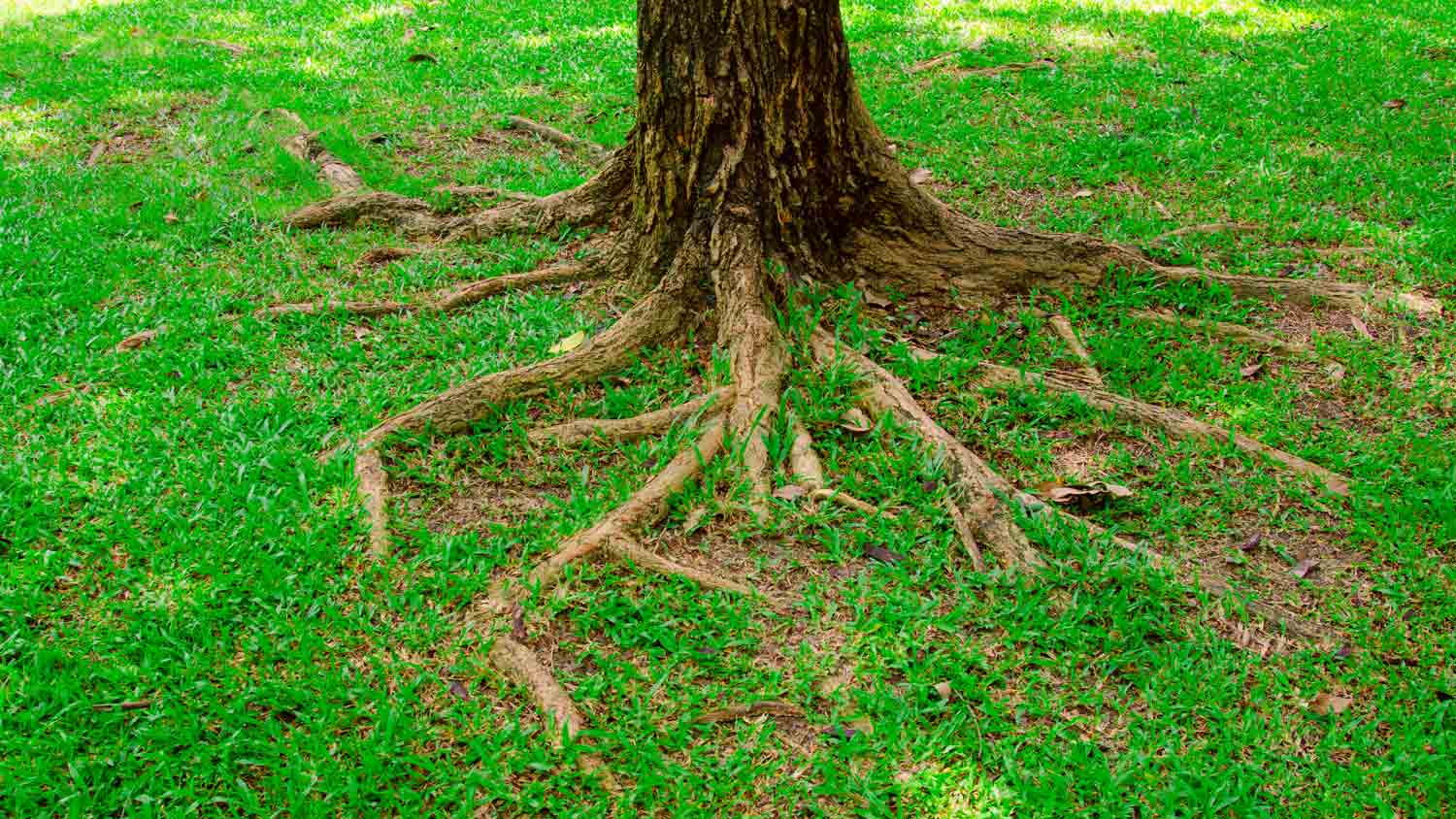
Since deciduous trees enter dormancy during the winter, they tend to grow most during late spring and early summer. If temperatures remain above freezing, some trees can grow roots into the fall, too. However, as the temperatures get colder, root growth slows down.
To care for a growing tree during dormancy, add a layer of mulch around the tree out toward the drip line, which can help regulate the ground temperature and protect the tree’s roots.
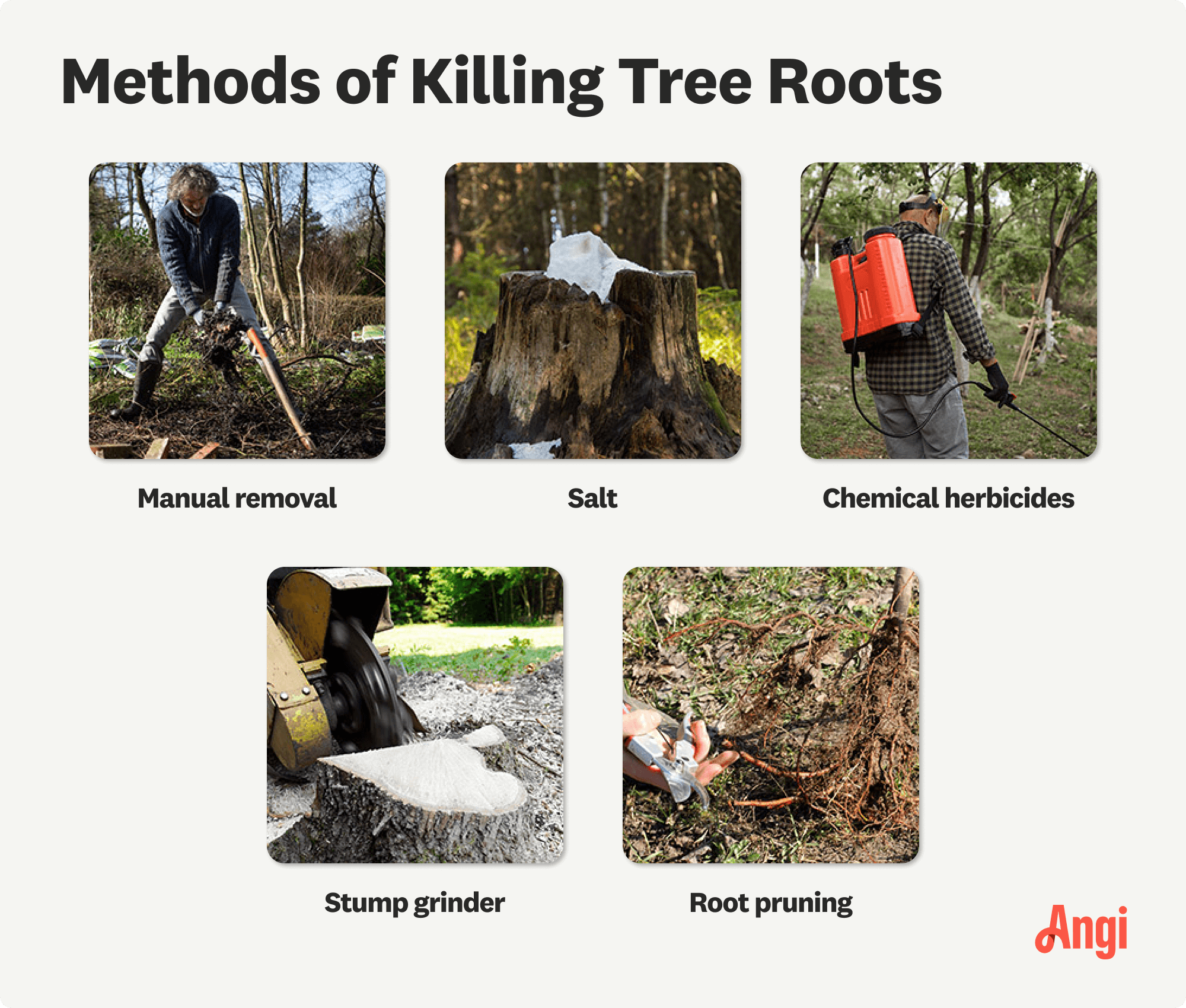
There are many methods for killing tree roots, including chemical herbicides, manual removal, and root pruning. It’s best to hire a tree service professional to remove pesky root systems, especially if they’re interfering with your landscaping or sidewalk, because it will require specialized tools and experience.
If you have tree roots growing out of a stump leftover from a cut-down tree, you’ll need to remove the stump entirely to get rid of the troublesome roots. Hire a stump removal company near you to get rid of the stump and remove the roots to prevent potential damage. The amount it will cost to remove a stump and the roots varies depending on its size, location, and removal method used, but you can expect to pay between $200 and $700.
From average costs to expert advice, get all the answers you need to get your job done.
Cutting tree roots doesn’t always stop them from growing. Here’s what you need to know about root regrowth and how to prevent issues.

Can tree roots damage a foundation? Learn what kind of problems tree roots can cause and the best way to prevent and repair foundation damage.
How deep tree roots go depends on a number of factors, many of which you can’t necessarily control. Learn what affects root depth and more in our guide.
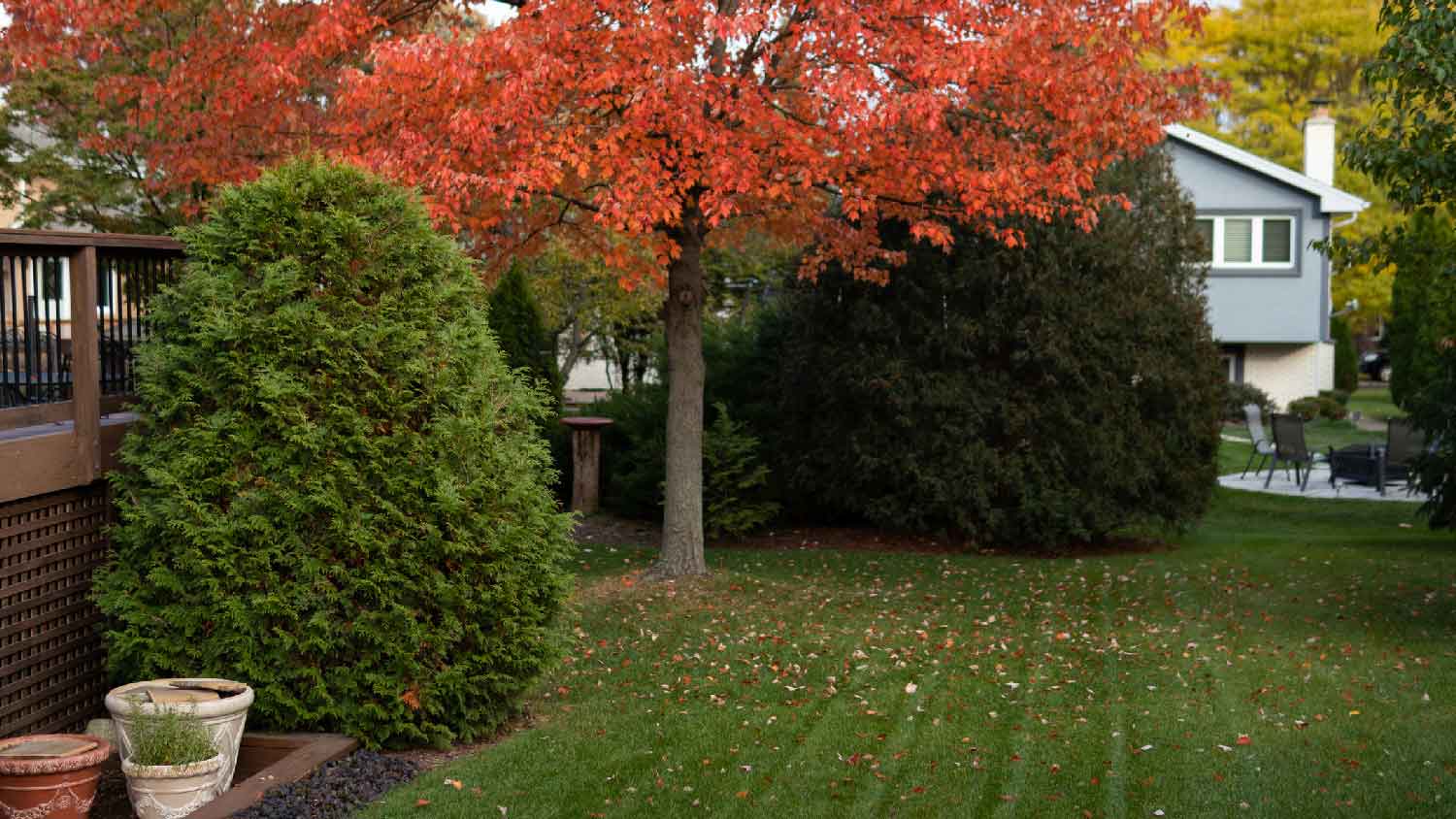
What does root rot look like? Learn the signs and causes of root rot in trees, treatment options, and more.
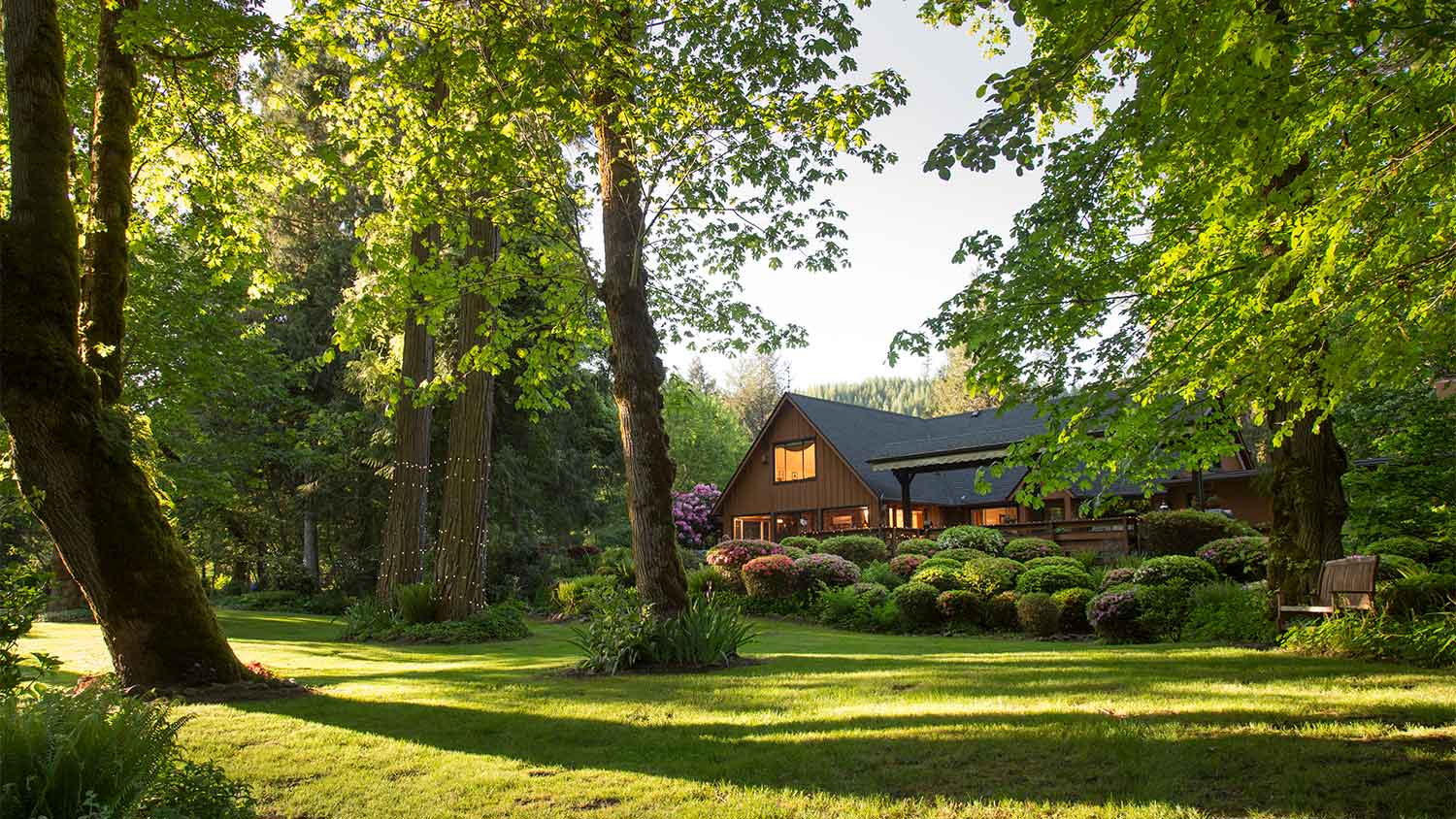
Are surface roots a problem? Maybe not, but if an issue does crop up, it could be costly. Here’s what to do when you notice tree roots in your lawn.
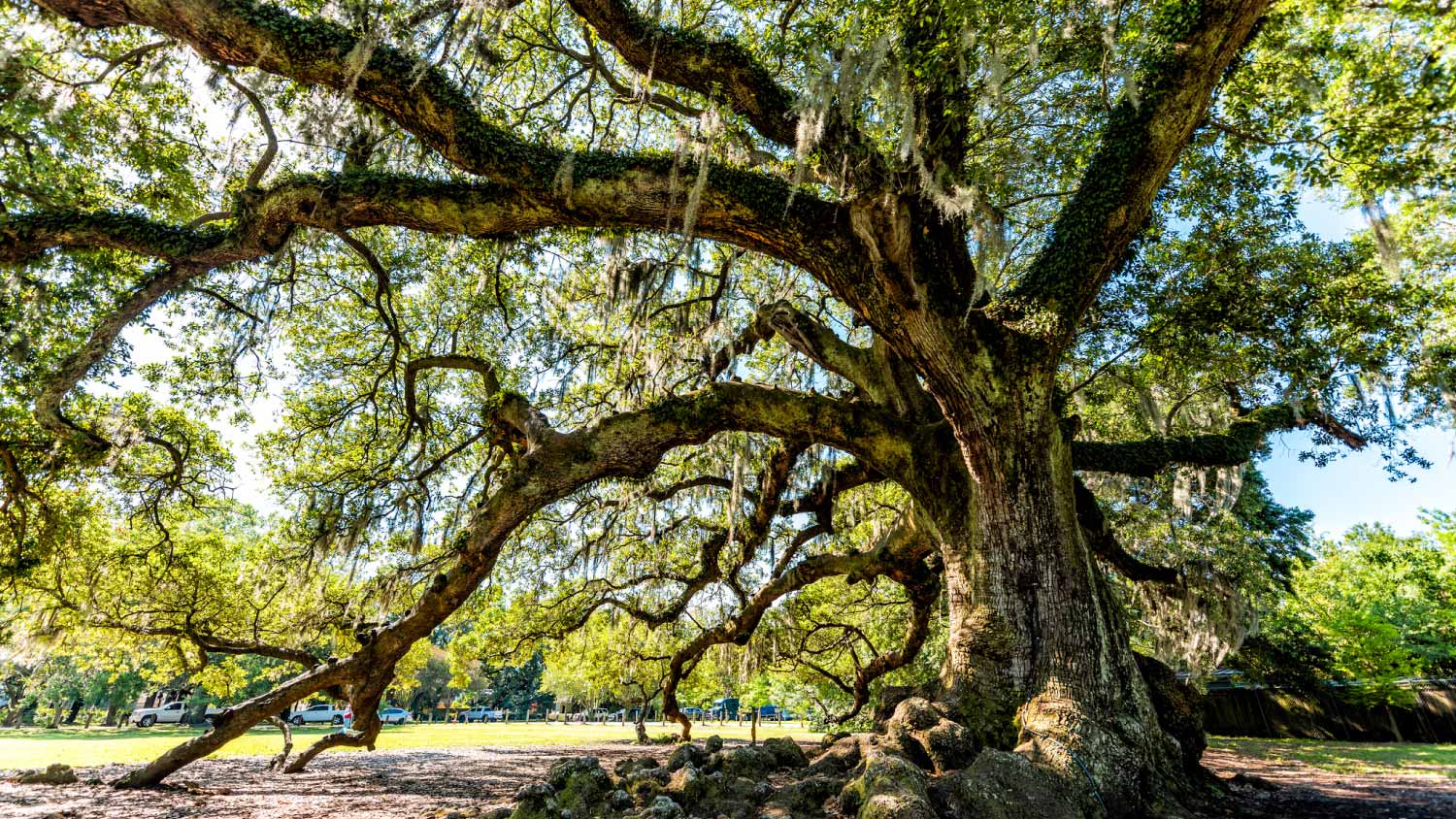
Wondering how to kill oak roots but not trees? Follow these 6 tips to learn the best ways to handle oak roots without harming the tree itself.