
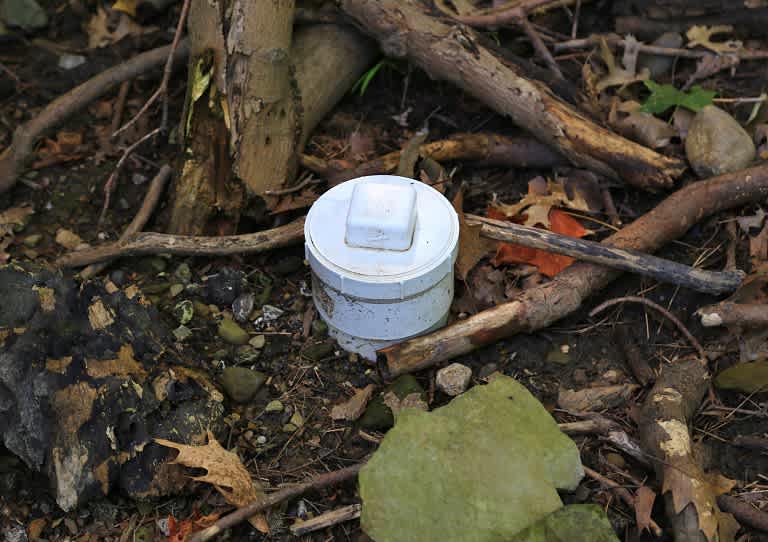
•
Find out the average cost to remove roots from pipes, what impacts pricing, and expert budgeting tips for root removal, and protect your plumbing.
Learn how to spot and treat root rot

Root rot signs and symptoms include yellowing or wilted leaves, dying branches, thinning canopy, and fungal growth appearing at your tree's base.
Waterlogged soil deprives your tree roots of oxygen, weakening them and making them vulnerable to fungal pathogens that thrive in damp conditions.
Improving your yard's drainage and avoiding overwatering are the best ways to prevent root rot from attacking your trees and landscape plants.
Hiring a local arborist professional provides expert diagnosis of root rot types and determines whether your tree can be treated or needs removal.
Root rot is a scary prospect for a tree, but the sooner you spot it, the better chance you’ll have at intervening. So, what does root rot look like? This guide will cover how to diagnose and treat root rot so you can give your tree the best chance for recovery.
Root rot is a condition that affects the roots of trees growing in wet or damp soil. Soggy, waterlogged conditions prevent tree roots from getting the oxygen they need, leading to decay and the eventual spread of rot to healthier roots.
Once tree roots weaken from a lack of oxygen, they’re more likely to be attacked by fungal pathogens that thrive in damp conditions, like Phytophthora or Armillaria. Fungi can lie dormant in the soil for years, but when the soil becomes waterlogged, spores can become active and attack the roots, causing them to rot and eventually die.
So, what does root rot look like? It’s not always easy to spot and can share symptoms with a variety of other common tree diseases. Symptoms vary based on the type of fungi affecting the tree, but here are the main ones to look for:
Yellow, wilted, or browned leaves/needles
Smaller, paler new growth
Gradual or sudden decline without an apparent reason
Dying branches
Thinning of the canopy
Fungal growth
Root rot is caused by a few different species of fungi and similar organisms. These are the main types of organisms that cause root rot in trees.
Phytophthora species, also known as water molds, thrive in moist soils and are notorious for causing root rot in a wide range of plants, including trees and shrubs. While they’re no longer classified as fungi, these organisms behave similarly, with Phytophthora cactorum being the primary culprit in root rot for trees. The spores of Phytophthora can either lie dormant in soil for long periods or move quickly through irrigation water, making plants in wet and dry areas vulnerable when moisture levels are high.

Armillaria root rot, caused by the Armillaria mellea fungus (also known as the honey mushroom or shoestring fungus) shows up as white rot on the base of your tree and spongy, stringy roots beneath the bark. You may also notice honey-colored mushrooms growing at the base. This massive fungus can spread its mycelia over miles, making it one of the largest organisms on Earth. Its mycelia can also survive for decades in dead roots and stumps, which means it can remain in the soil and infect future plants long after the sick tree is removed.
Cotton root rot, also known as Texas root rot, is caused by the aggressive fungus Phymatotrichum omnivorum, aptly named for its ability to "eat everything." Symptoms of cotton root rot include sudden wilting, particularly in hot weather, and dead leaves that remain attached even after the tree dies. Once infected, there are no effective controls, and the fungus can survive in the soil for many years, making prevention and early detection crucial.
Black root rot, caused by the fungi Xylaria mali and Xylaria polymorpha, affects trees that are at least 10 years old but can also affect younger trees. True to its gruesome nickname "dead man's fingers," it shows up as black, finger-like structures on decaying roots. These “fingers” can also emerge from the soil near infected trees, a telltale sign that the fungus has started infecting the tree.

Treating root rot can be challenging, especially if it has progressed far enough to show serious symptoms. In many cases, the tree will need to be removed to prevent it from spreading the fungus or becoming a hazard in its weakened state. However, if the rot is caught early, pruning the infected roots might save the tree. Targeted fungicides and chemical treatments can also help, but it’s best to consult a certified local arborist before applying treatments to ensure you select the right one and use it properly.
If it’s in your budget, investing in the cost of hiring a professional arborist will be your best shot at saving the tree if you suspect root rot. These experts can diagnose the type of root rot (or other diseases) affecting the tree to find the quickest and most effective method of treatment. They can also determine whether the tree needs to be removed or if it can be treated, which can save you time and prevent the issue from becoming worse.
Since root rot is extremely tough to fight, prevention is your best line of defense. Follow these prevention guidelines to ward off root rot.
Improving your yard’s drainage is the best way to be proactive against root rot, but even well-draining soil can become a problem if trees are watered too frequently.
It’s essential to monitor your irrigation practices, avoid oversaturating the soil, and always plant trees in well-draining areas where possible.
Since root rot fungi can remain in the soil for years, it’s crucial to kill the remaining stump and remove any dead wood and roots before planting anything else.
If you decide to plant a new tree in its place, consider replacing it with a more disease-resistant species for the best long-term prevention.
One of my old tall evergreen trees was suddenly leaning toward the busy street in front of my house. I submitted a request for an emergency tree inspection, and Alejandro, owner of Cajete Tree Service, contacted me immediately and arrived to look at it just 20 minutes later. We agreed the...
 Cajete Tree Service LLC
1 tree was cut down and 5 others including a large willow tree were trimmed. The Grant Tree Service men were professional and cleaned up afterwards. The cost of the 6 trees were affordable. I am very happy with the results. I would hire them again.
 Grants Tree Service
Promptly arrived for quoting! Demonstrated superb customer service, affordable pricing, and completed service swiftly! Looking forward to the spring for our service!
 All Star Paving and Sealing
Seth was very professional, prompt in responding to queries about the work required , gave sincere advice as to what would be best for tree trimming and did the job timely.
Excellent, Prompt, Courteous Service!!! They were super friendly and quite personable. I felt very comfortable with the gentlemen that did the installation. They installed it exactly where I asked them to and they did an excellent job!! I loved their service so much.
 Tether House
Supreme Brick & Chimney is one of the best service providers I’ve interacted with. Extremely efficient, knowledgeable, and thorough. They took the time to walk me through their detailed full-service inspection and were extremely professional. Not to mention their turnaround time was...
 Supreme brick & chimney
Ace Fireplace Services' chimney sweep service is truly exceptional. They used advanced technology to ensure a thorough cleaning process, and my chimney has never looked better. I highly recommend their services.
 Ace Fireplace Services
Flawless finish and exceptional service. Custom Paint Jobs LLC is the only choice for me.
 Custom Paint Jobs, LLC
I definitely recommend Ramonaâ s cleaning service! I have booked services with her many times and she arrives on time, ready to work and provides a great service.
 Your Cleaning Solutions LLC
Excellent experience! Left my place looking great. Friendly customer service too. Would recommend!
From average costs to expert advice, get all the answers you need to get your job done.
Find out the average cost to remove roots from pipes, what impacts pricing, and expert budgeting tips for root removal, and protect your plumbing.
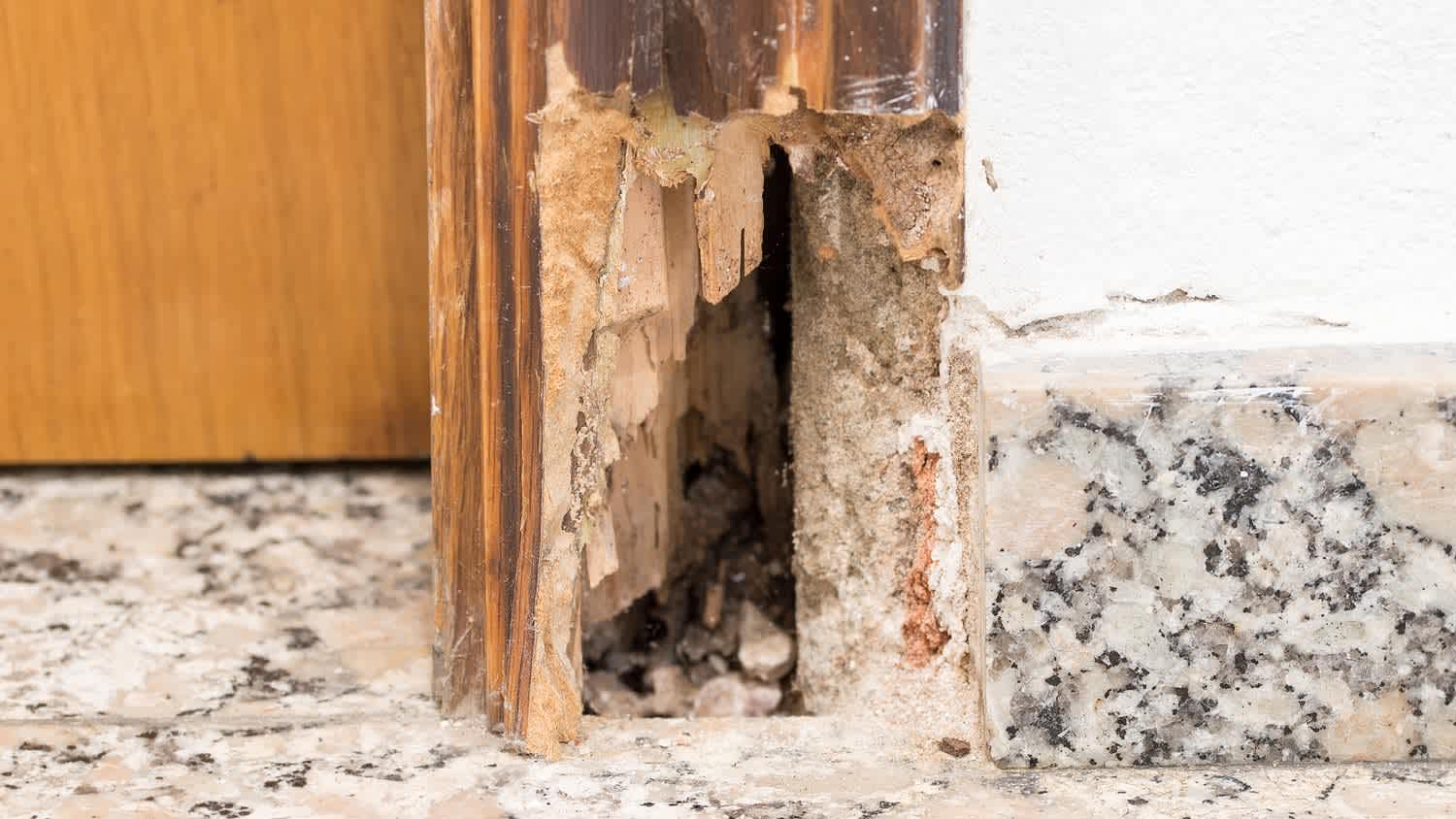
What does dry rot look like? Knowing what signs to watch for will help you identify and treat infections before they’re too big to fix.

Know what signs to look out for to identify and treat palm tree diseases with our expert guide to the signs, symptoms, and prevention of palm tree diseases.
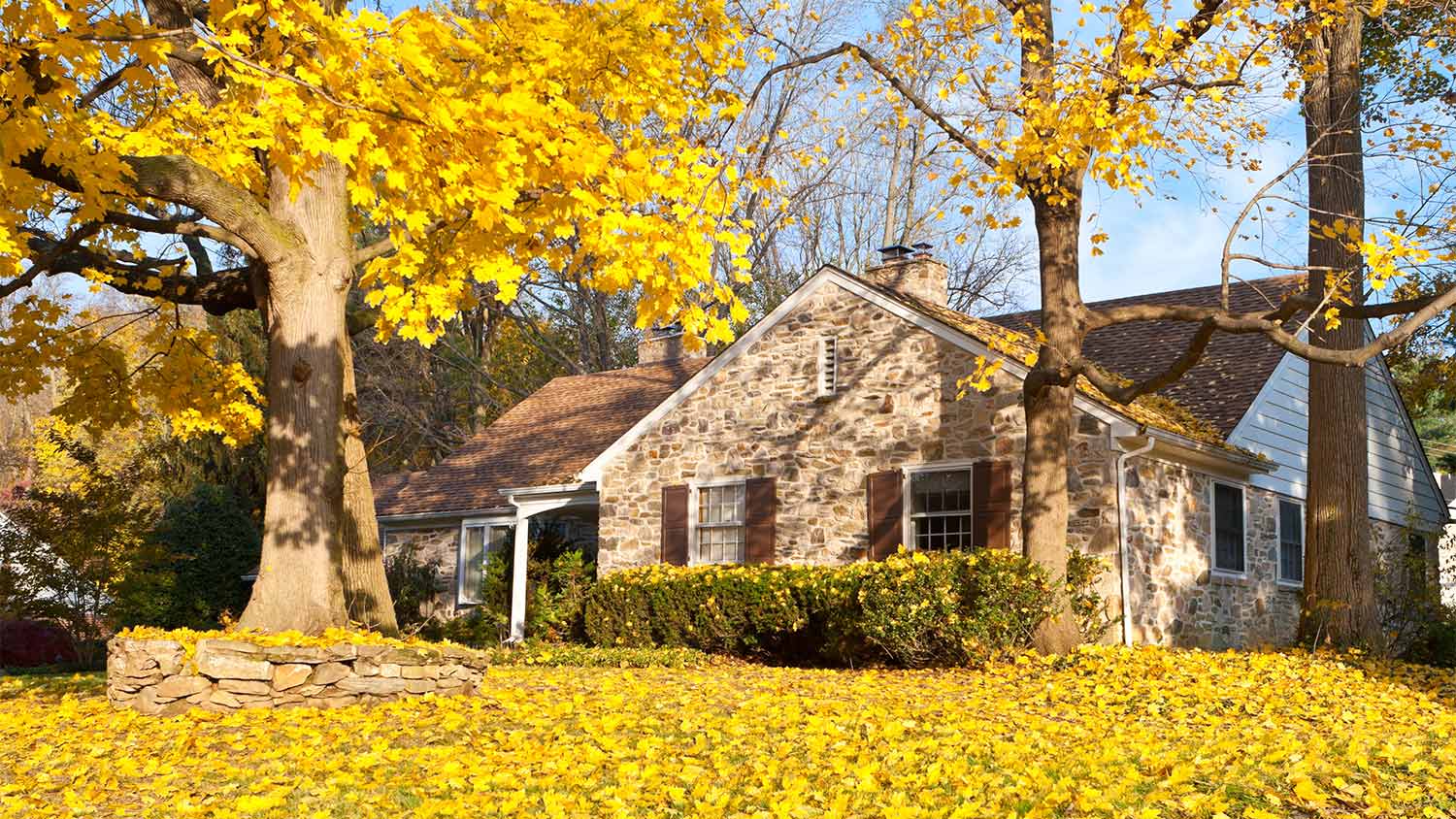
Learn what a maple tree looks like, whether you want to make your neighborhood walks more entertaining or find trees suitable for your yard.
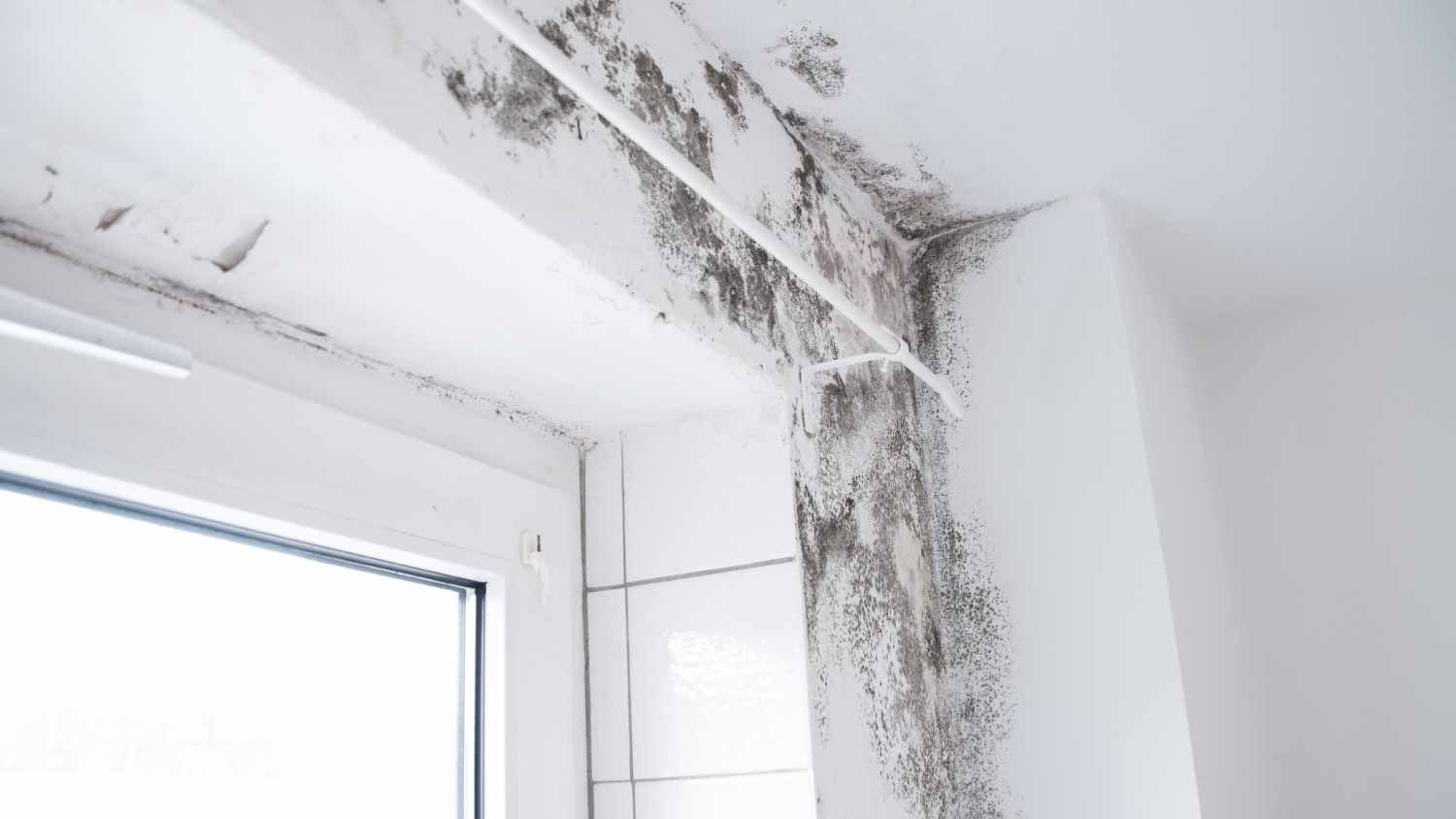
What does black mold look like? It has a dark color and may appear slightly fuzzy. Use this guide to learn about the variations in black mold’s appearance.
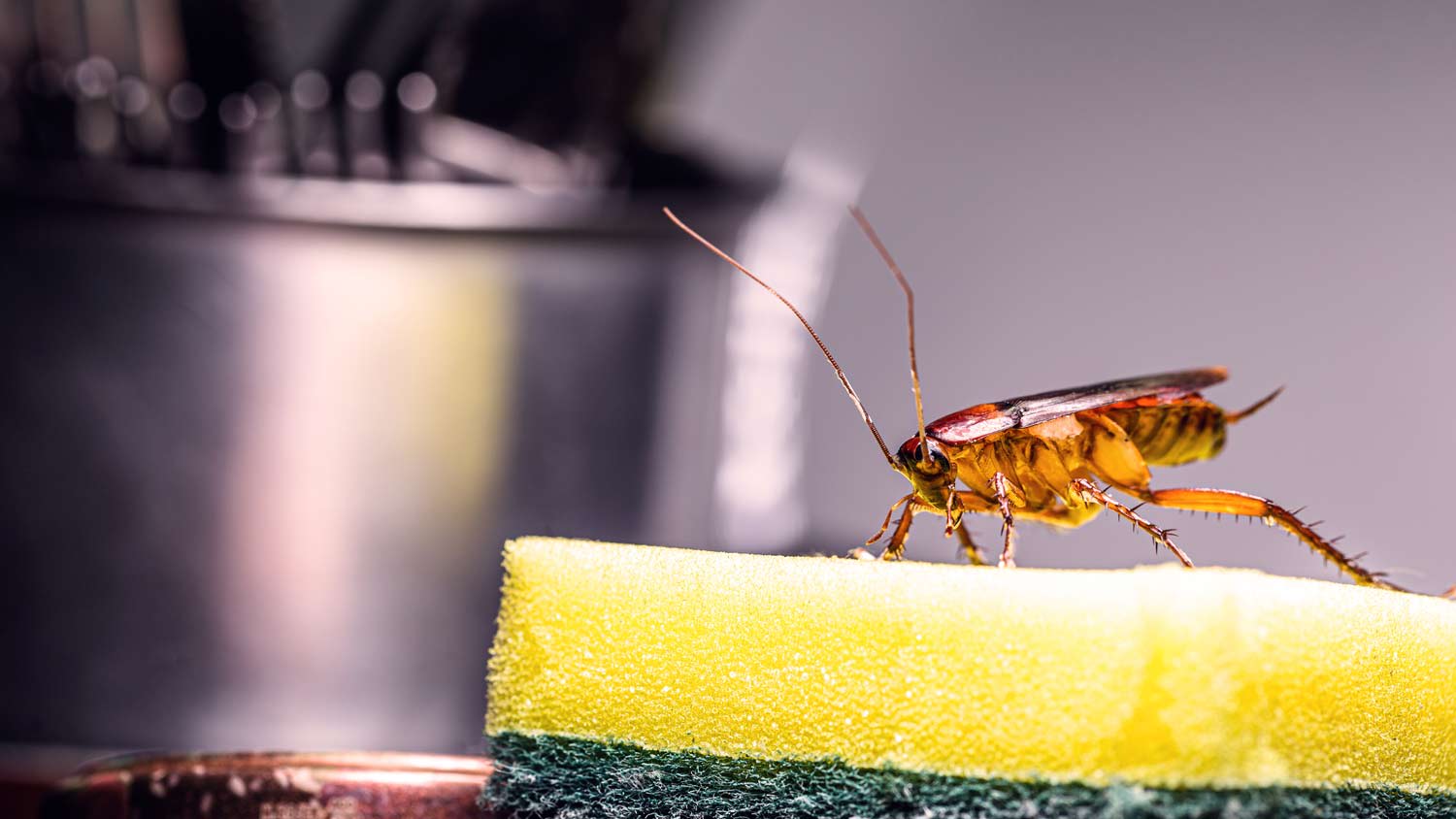
What does a roach look like? Our cockroach appearance guide covers color, size, shape, and body parts—and helps you identify different roach species.