
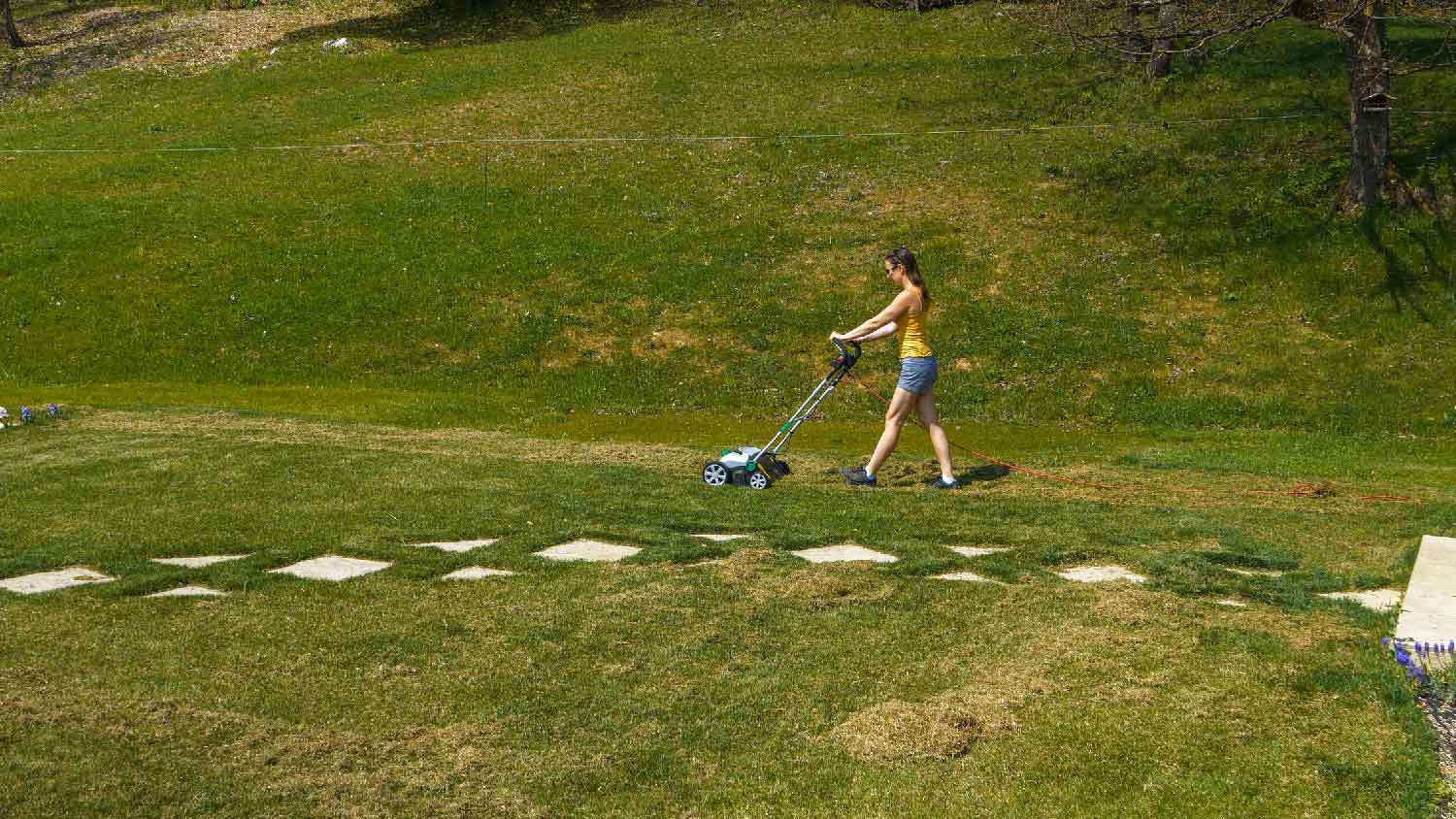
Considering a spike vs. core aerator? Here’s how to make your decision—and other affordable options for savvy gardeners to think about.
They’re walkin’ on air

Lawn aerator shoes use spikes to create holes as you walk, but they require many passes to match the coverage of other tools and can further compact soil instead of loosening it.
Manual aerators and tow-behind aerators provide better aeration results for your lawn because they remove soil cores rather than just pushing dirt aside, addressing compaction more effectively.
Core aerators offer the most effective solution when your lawn shows signs of compaction, as these machines remove small soil plugs to improve air and water flow to grass roots.
Hiring a local lawn aeration professional removes the guesswork from tool selection and technique, ensuring your lawn gets proper aeration coverage without the risk of additional soil compaction.
Maintaining a lush, green lawn is a goal for many, and one of the key factors in achieving this is proper aeration. Lawn aeration plays a crucial role in helping your grass get the nutrients it needs more effectively, and it helps your lawn grow healthier and stronger. While there are various tools and methods for aerating your lawn, aerator shoes have gained popularity as a DIY solution. But do aerator shoes work? We’ll explore the effectiveness of aerator shoes, alternative aerating tools, and whether hiring a professional lawn aeration service is a better option.
Before diving into the topic of aerator shoes, let's first understand what lawn aeration is and why it’s critical for your yard’s health. Over time, lawns can become compacted due to foot traffic, heavy equipment, or simply the natural settling of the soil. Compacted soil prevents air, water, and nutrients from reaching the grassroots, leading to poor grass growth and overall lawn health.
Aeration involves creating small holes or channels in the soil to loosen up the soil and improve its ability to support healthy grass growth. This process has several benefits, including better nutrient absorption, improved oxygen circulation, better water infiltration, and thatch reduction.
Also known as “lawn aerating shoes” or “spike shoes,” aerator shoes have been marketed as a cost-effective and accessible tool for those looking to aerate their lawns. They’re an especially attractive option for those who don’t want to invest in expensive machinery or pay for the cost of lawn aeration services. These shoes are designed with spikes on the soles, and the idea is simple: You wear them, and as you walk around your lawn, the spikes create holes in the soil. But do lawn aerator shoes work effectively to achieve this goal?

While aerator shoes may seem like a convenient solution for your aeration needs, they have severe limitations and downfalls that reduce their effectiveness. Let's explore some of the issues with using aerator shoes.
One of the primary drawbacks of aerator shoes is their inefficiency. To achieve proper aeration using these shoes, you would need to walk around your lawn many, many times over. This can be a labor-intensive and time-consuming process, especially for larger lawns. The need for repetitive passes easily makes aerating a lawn with these shoes impractical for many people.
Unlike some other aeration tools, aerator shoes typically do not have hollow spikes. Hollow spikes are beneficial when aerating your lawn because they remove soil cores from the ground during the process. This creates space for air and nutrients to penetrate the soil. Aerator shoes, on the other hand, merely move the soil around the spikes so that it expands outward, which can potentially lead to further compaction rather than alleviating it.
Aerator shoes also lack depth control since their spikes are typically only a couple of inches long. This means you cannot adjust the depth at which the spikes penetrate the soil. Proper aeration requires consideration of the soil type and the depth at which aeration should occur, and aerator shoes do not provide this level of control.
A big issue with aerator shoes is that they may yield inconsistent results. The spacing between the spikes and the pressure applied when walking naturally varies, leading to uneven aeration. Inconsistent aeration may not address the compaction issues that exist uniformly across your lawn.
If you're looking for more effective alternatives to aerator shoes, there are several aeration tools available that can provide better results. Here are some options to consider.
Also known as handheld aerators or aerating forks, manual aerators are designed to be pushed into the ground manually. They typically have hollow tines that remove small soil cores, addressing compaction and allowing air and nutrients to reach the grassroots. Manual aerators offer better control over the depth of aeration and can provide more consistent results than aerator shoes.
The easiest and most effective aeration tool—especially if you have a riding lawn mower or ATV, tow-behind aerators are larger mechanical devices that can be attached to the vehicle and dragged over the lawn. These machines cover a wider area and can aerate a large lawn faster and more efficiently than manual tools or aerator shoes. They often come with adjustable depth settings, allowing you to tailor the aeration to your lawn's specific needs.
Core aerators, sometimes called plug aerators, are specialized machines that remove small plugs or cores of soil from the lawn. This method is highly effective at alleviating compaction and thatch buildup. Core aerators are available for rent or purchase and are a popular choice among those with larger lawns.
When it comes to lawn aeration, you have two primary options: tackling the task yourself or enlisting the services of a professional lawn aeration service near you. Each approach has its own set of advantages and disadvantages.
DIY aeration can be an attractive choice for many since it often results in cost savings. This is particularly true if you already have or can easily get the necessary equipment. Doing the job yourself also provides flexibility in terms of scheduling, allowing you to choose a convenient time and tailor the process to your lawn's specific requirements.
However, there are drawbacks to consider in the DIY approach. Aerating can be physically demanding and time-consuming, depending on the tools you use. Additionally, effective aeration may require specialized equipment that you might need to rent or purchase.
On the other hand, professionals bring expertise to the table, ensuring that the aeration process is executed correctly and addressing any unique issues your lawn may have. Moreover, it can save you significant time and effort, as the experts handle all aspects of the job. Nevertheless, there are downsides to this approach, as well. Professional services come at a cost, and the price can vary depending on the size of your lawn. You may also need to accommodate the service provider's schedule, which may not always align perfectly with your own.
D1 Roofing delivers outstanding service from beginning to end, backed by a strong warranty and expert teams. I highly recommend them for their excellence in meeting and surpassing expectations with unmatched communication. Choosing D1 Roofing was flawless decision
 Division 1 Roofing LLC
We had our houses windows and back door replace this summer by Window Depot USA of Central. He gave us grate advise and saved my family lots money. The team did a fantastic job with installation. If you need help, they sure get job done right!
 Window Depot USA of Central Ohio
Wonderful. I am going to have them remove and replace my driveway in the spring.
 All Star Paving and Sealing
We were having 2”x 2” tile installed . There was a small installation error and the new additional replacement tile was from a different lot and the colors didn’t match. Joe assured us that he would rectify everything , which he did without hesitation. We decided to go with the 18” x 36” tile...
 CarifaTile
We had a 20+ year old landscape lighting system that needed replacement. Midwest Lightscapes worked with us to design a much improved lighting system, lighting the exterior of the house and the back yard. Installation of the 45 light system took one and one-half days, and went very smoothly....
 Midwest Lightscapes
Did an amazing job transforming my yard. Also installed sod in places, would recommend to everyone.
 Cardinal Landscaping & Construction LLC
They show up and they did take us on as a client which seems to be a problem with other lawn care providers. We have multiple properties and this one was located close to downtown and no one really wants to mess with it.
The worker came out when he was supposed to come. He informed me he would honor the Angie's List deal, but would not do any more work for me since my son in law owns lawn care company as well, even though they do not do the same type of work. He said he did not feel comfortable giving me...
 Bello Giardino LLC
E & L Lawn Care was super. They were very responsive before and after service. They were efficient and were able to complete the job within 1 day. I have had concern about one section of sod - the owner was pro-active and did a visit to evaluate. I have no doubt they will stand behind...
 E&L lawn care
From average costs to expert advice, get all the answers you need to get your job done.
Considering a spike vs. core aerator? Here’s how to make your decision—and other affordable options for savvy gardeners to think about.
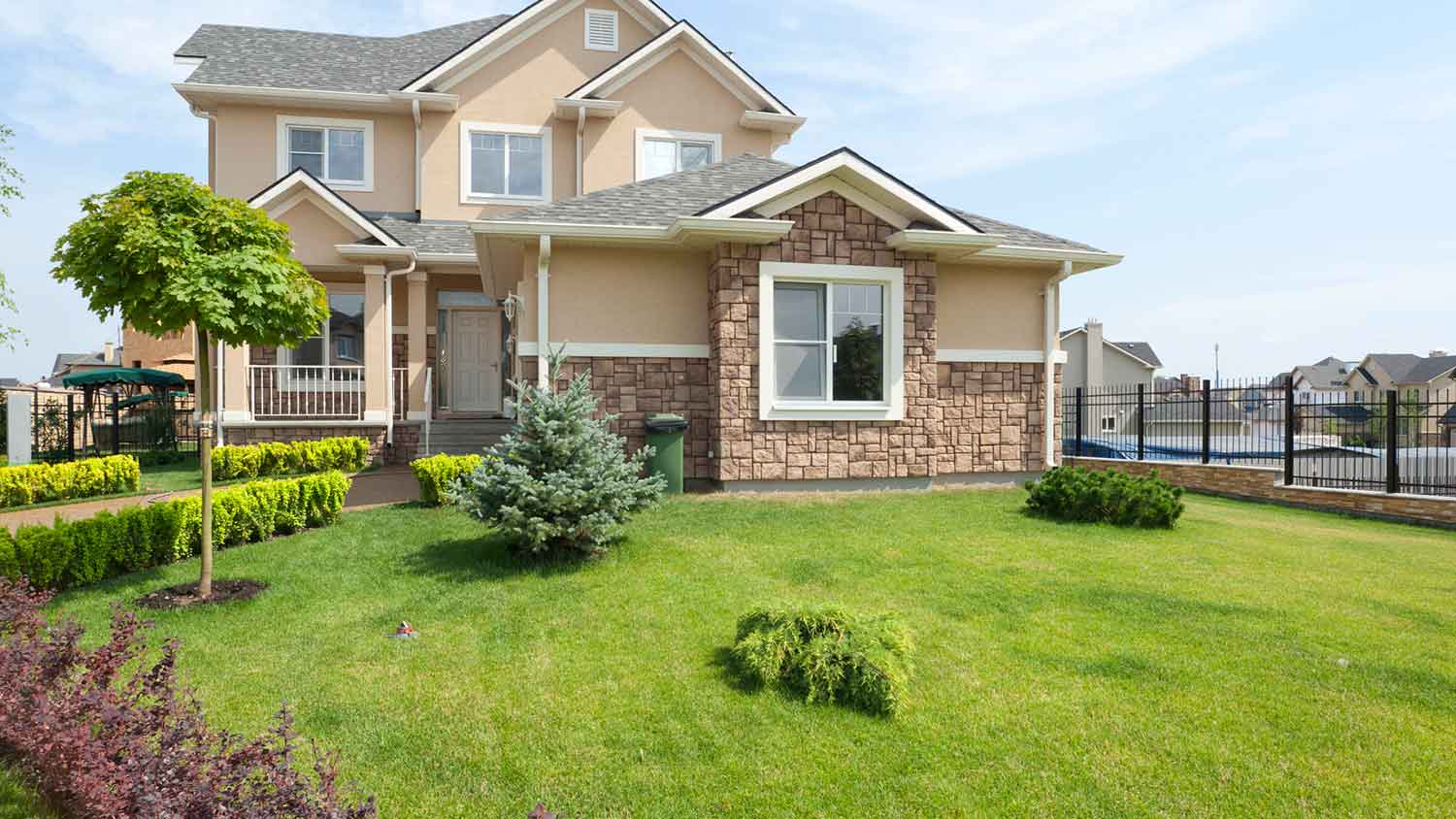
When it comes to a tiller vs. aerator, how are they different? Find out the key differences, pros, cons, costs, and more in our guide to these lawn care tools.
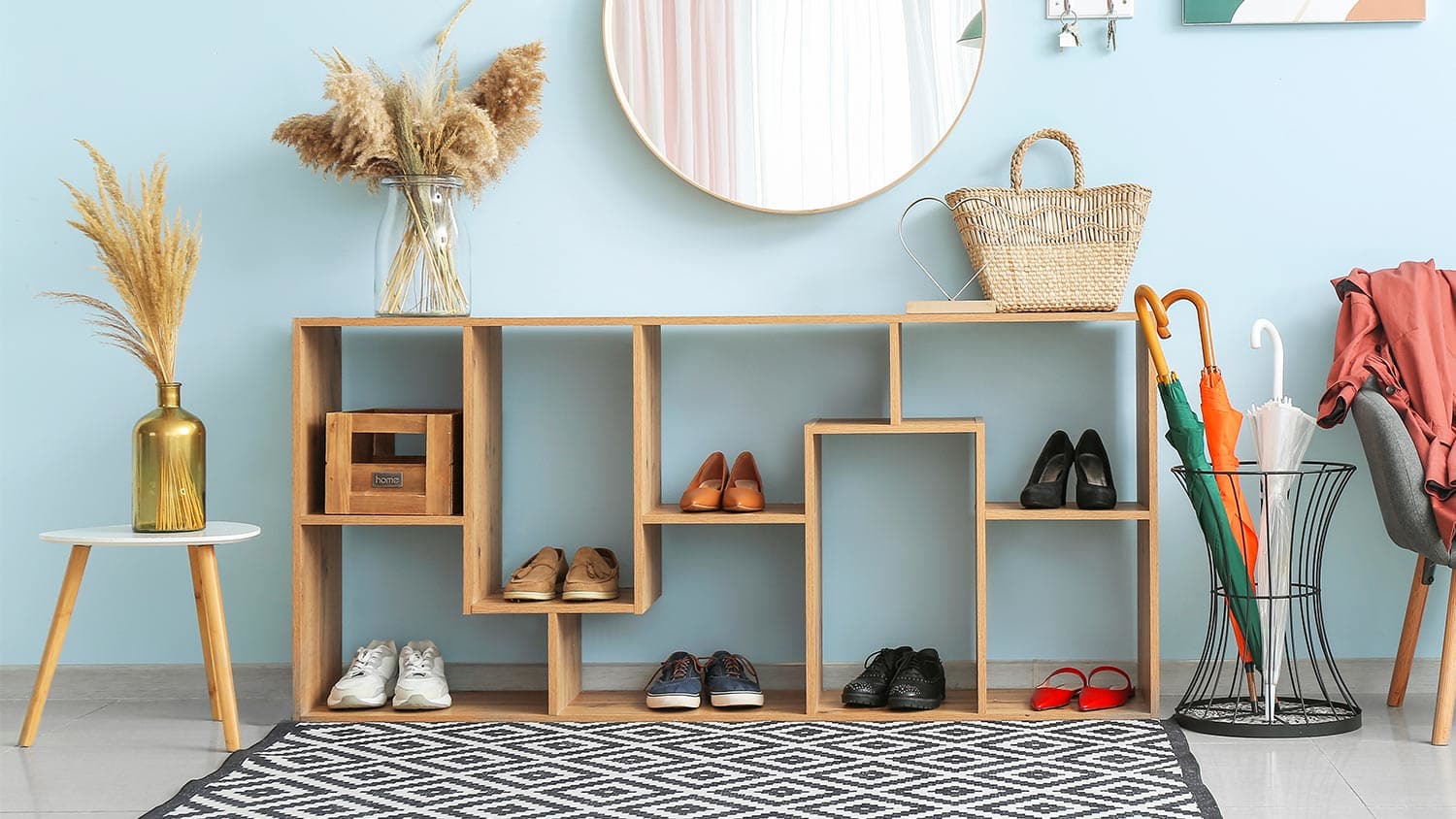
Whether you want to showcase your shoe collection or keep it out of sight, there are so many practical and surprising ways to organize your shoes.
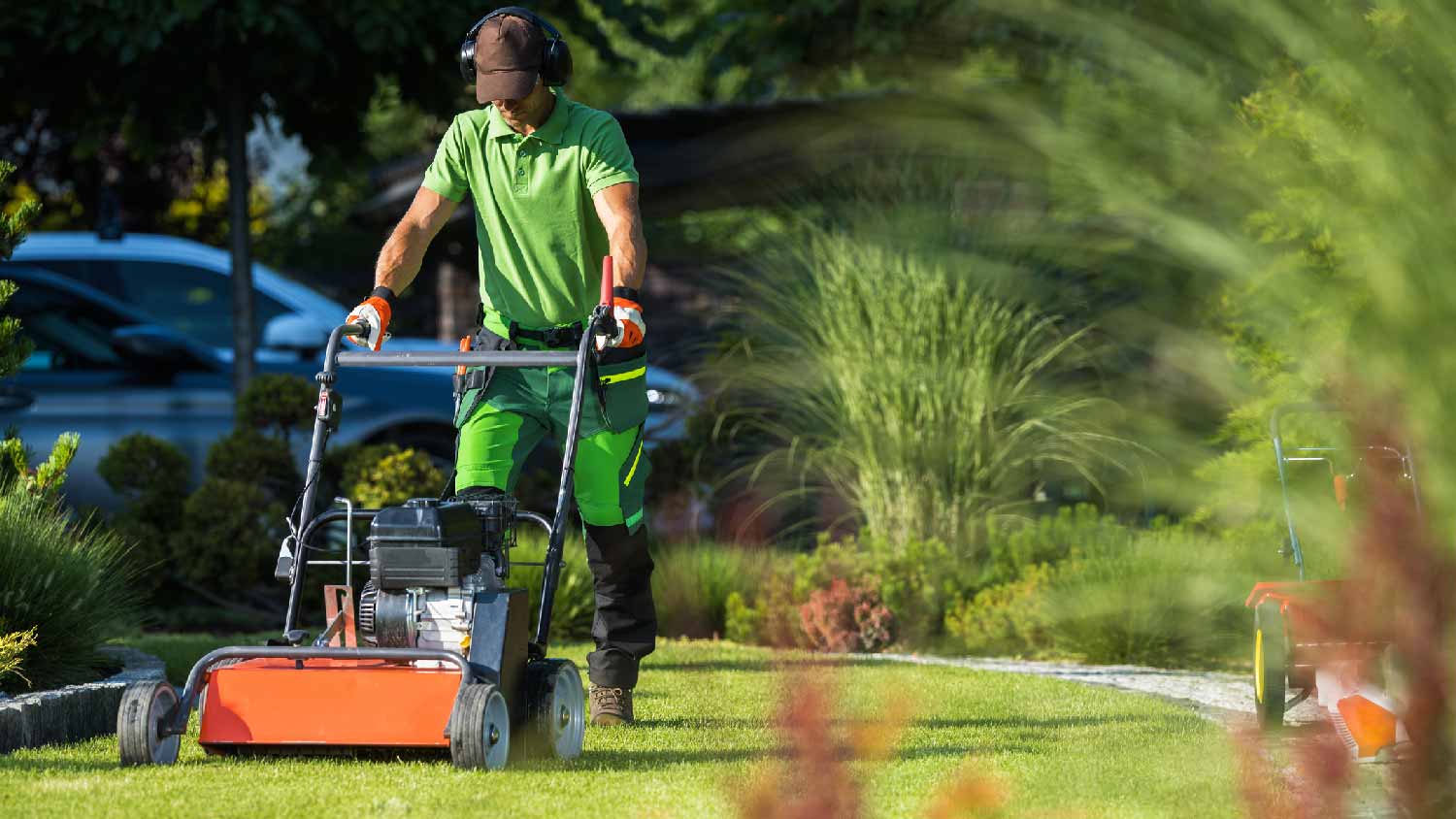
Lawn scarifiers vs. aerators: Which do you need for your lawn, and why? This article explains the differences between these tools, and when to use them.
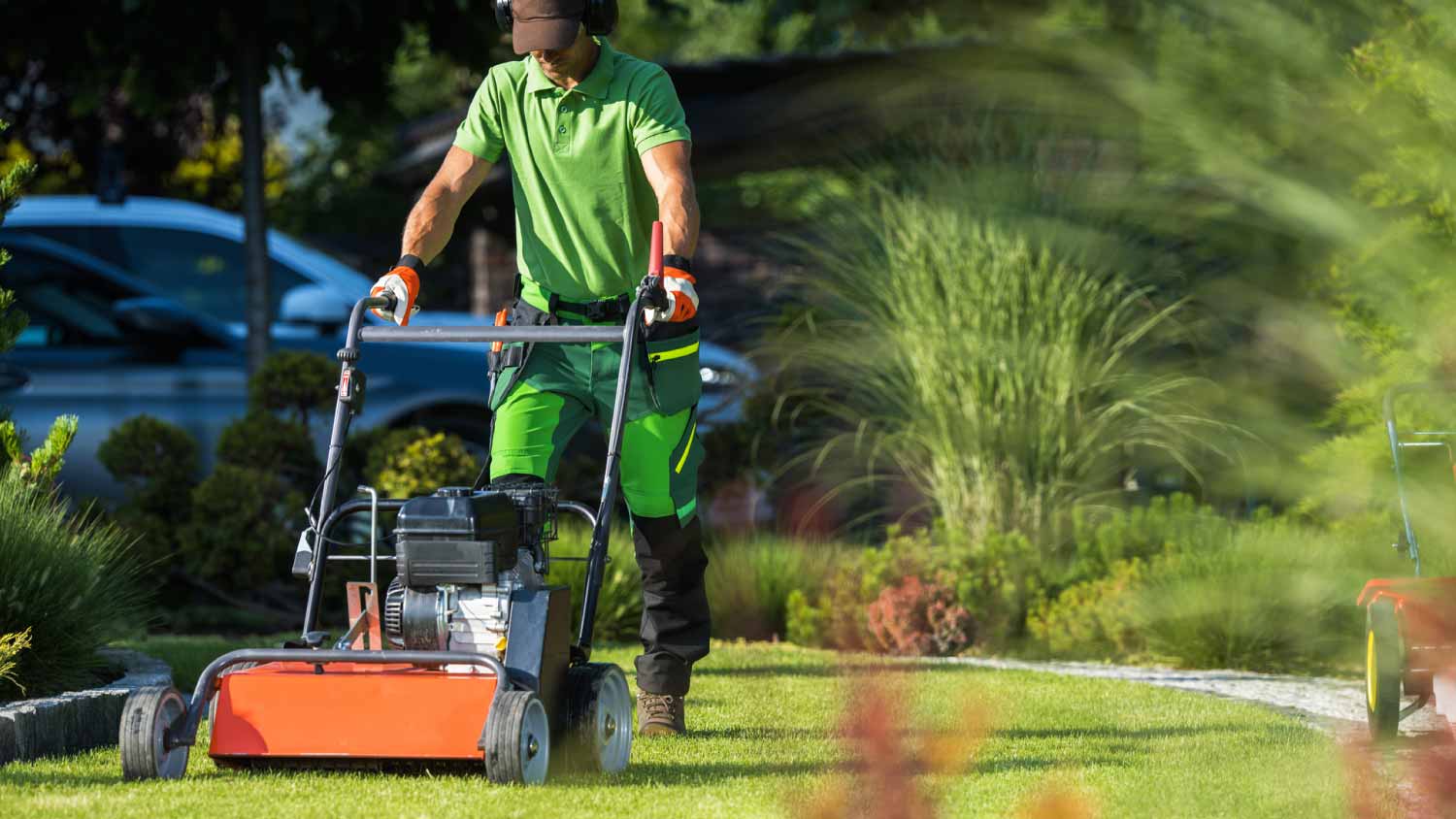
Spike vs. plug aerator: which is better and what should you buy? Learn which one is right for you and your lawn with this comparison.
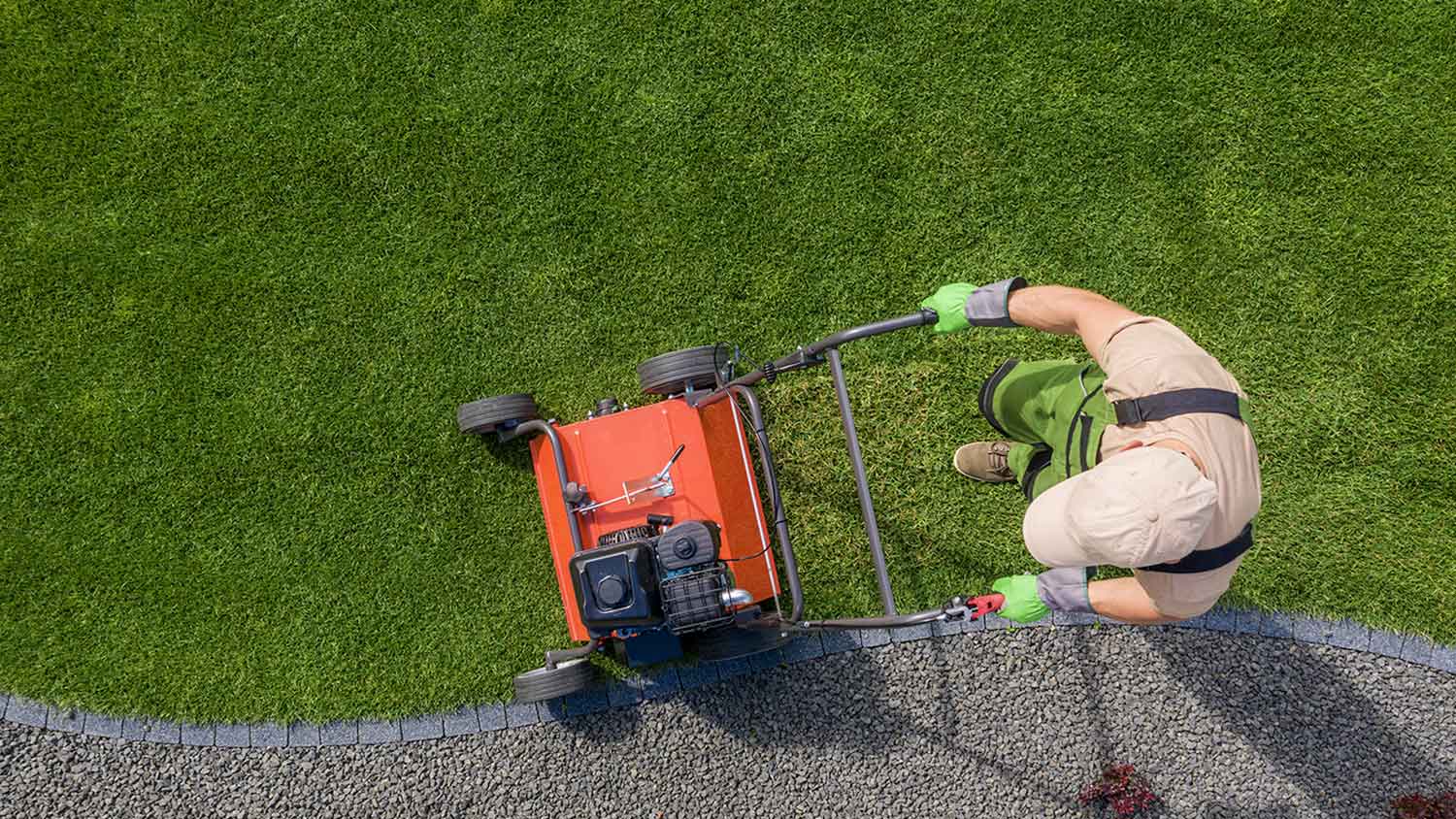
The benefits of aerating a lawn include loosening compacted soil, better nutrient absorption, preventing water buildup, and promoting a stronger turf and root system.