
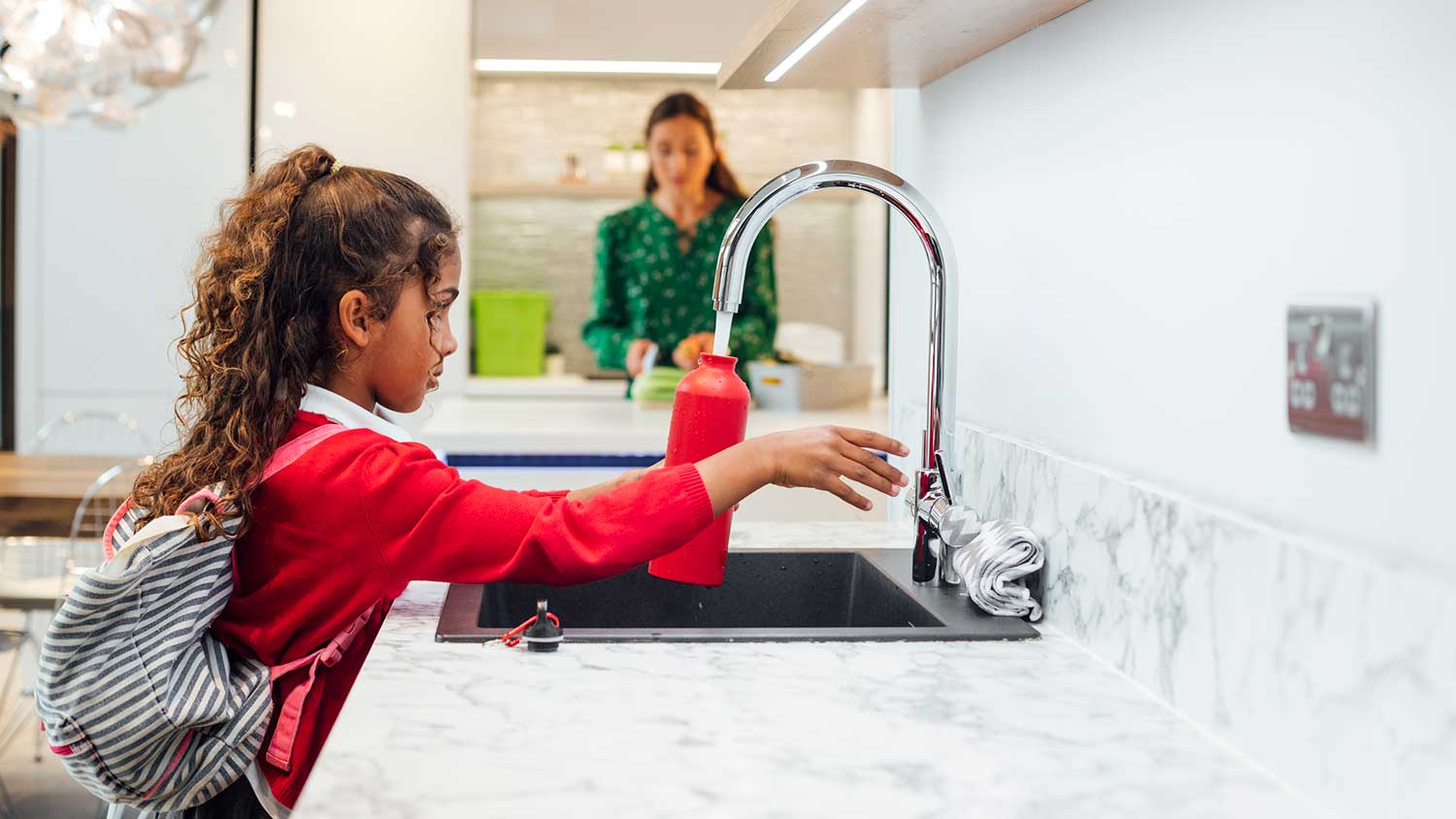
Whether you’re changing your home’s floor plan in a remodel or just replacing old, worn-out plumbing, this guide will help you estimate the cost of repiping a house in Baltimore, MD.
Plumbing costs depend on your project and location. Check with a local pro for your specific job.

The cost to repipe a house in Washington, D.C. trends above national averages due to the area’s higher cost of living.
Copper piping is the most expensive option at around $3 to $9 per linear foot, while CPVC starts at around $1 to $2 per linear foot.
Drywall repairs, mold remediation, and water damage restoration can increase your budget.
Hiring a licensed plumber in Washington, D.C. helps ensure code compliance and reduces risks of leaks, water damage, and failed inspections.
Washington, D.C.’s elevated cost of living drives whole-home repiping costs above the national average. The average Washington, D.C. cost to repipe a house ranges between $1,634 and $16,335, with most homeowners paying around $8,168, depending on factors like pipe material, accessibility, and labor costs. Here’s what to expect when budgeting for a repiping project in the nation’s capital.
Here are the key factors that will impact the cost of repiping a house in Washington, D.C.
Large homes have more plumbing fixtures and require longer runs for pipes and drain lines, so they cost more to repipe. Additionally, multistory homes cost more to repipe than single-story homes because you'll need more piping material to reach plumbing fixtures between floors.
There are three main types of plumbing pipe materials: copper, CPVC, and PEX. Costs vary with the material. For instance, copper ranges from $3 to $9 per linear foot, while CPVC costs around $1 to $2 per linear foot.
Remember that local codes can dictate the types of pipes you can use. Your plumber can recommend the best material for your home.
| Piping Material | Average Cost Range per Linear Foot |
|---|---|
| PEX | $1–$3 |
| CPVC | $1–$2 |
| Copper | $3–$9 |
Proper piping is required for all of your home's fixtures, including toilets, sinks, and showers. The more fixtures you have, the more piping you'll need. Rough-in plumbing for a bathroom is costly, as getting pipes to precise locations is more labor-intensive than running plumbing behind walls. If you’re changing your home’s layout, expect to pay more for the total cost.
| Plumbing Fixture | Average Cost Range |
|---|---|
| Sink | $380–$870 |
| Dishwasher | $435–$870 |
| Washing machine | $380–$1,630 |
| Shower | $655–$1,740 |
| Water heater | $760–$1,960 |
The size, or diameter, of your pipes also affects costs. Pipes used for waste drainage are wider than pipes designed to carry water. For the same type of piping, larger diameters will be more expensive. However, most drain lines consist of PVC, which is less expensive than copper, so drainpipes should still be more affordable than water supply lines.
If your pipes are in a difficult-to-reach location, expect to pay more for repiping your house. For example, pipes under concrete are more difficult to access than pipes behind drywall, so they cost significantly more to remove and replace.
If your municipality requires a permit for repiping, you’ll need an inspection after the work is done to ensure everything is up to code. In most cases, the initial inspection cost is included in the permit fee. However, reinspection costs approximately $25 to $165 if an issue requires it.
The soil around your home can also affect the cost of repiping. For example, clay soil shifts over time, affecting the surrounding plumbing and leading to more costly installations. This is only a factor if you replace buried lines, like water mains, underground pool lines, and sprinkler lines.
Hiring a professional plumber is essential for this project to ensure everything is installed properly and up to code. These are the factors that impact the labor costs on your final bill.
Plumbers across the U.S. charge between $45 and $200 per hour. Rates for Washington, D.C. plumbers average between $50 to $220 per hour because of the area’s high cost of living and stricter permitting requirements.
Repiping a home in Washington, D.C. requires permitting through the Department of Buildings (DOB). Fees vary by the project, and these may or may not be accounted for in your initial estimate.
Plumbers in Washington, D.C. need to also account for the district’s 6% sales and use tax on plumbing materials. These expenses are typically factored into your contractor’s estimate and can increase the overall cost of your repiping project.
Along with a professional plumber, you may need to hire additional contractors to open and repair walls, ceilings, or flooring after the new piping is installed. Also, if there’s water damage or mold, you might need to bring in a water damage restoration or mold remediation specialist.
Here are some common professionals involved in repiping projects and their typical costs:
Water damage repair specialist cost: $1,380–$6,380
Drywall repair contractor cost: $300–$930
Ceiling repair contractor cost: $440–$1,730
Mold remediation specialist cost: $1,220–$3,760
Flooring repair contractor cost: $500–$3,000
General contractor cost: $50–$150 per hour
The ROI of repiping a house won’t likely show up as a higher selling price on the Washington, D.C. market, but it can still play a major role in protecting your resale value and helping your home sell faster. While worn or damaged pipes might not be noticeable at first, these will be flagged on home inspection reports and may lead buyers to request repairs, negotiate lower purchase prices, or ask for credits toward closing costs.
Because many buyers in Washington, D.C. expect homes to be relatively move-in ready, repiping can help your property feel better maintained and reduce concerns about future plumbing emergencies or costly water damage repairs.
To help homeowners plan their next project, Angi provides readers with carefully researched cost data and upholds strict editorial standards. We start with national average project costs, which we collect by analyzing competitor information, retailer material costs, and input from professional contractors. We then apply local price index data to calculate location-specific estimates that reflect what homeowners typically pay in their local area. To do that, we use data from the U.S. Bureau of Economic Analysis (BEA), including its Regional Price Parities (RPPs), which measure price differences across cities. This helps us account for differences in labor, materials, and overall cost of living, so estimates in higher- or lower-cost areas better reflect real-world local pricing.
Every estimate undergoes a thorough editorial review to verify accuracy, consistency, and alignment with observed market conditions.
Want to help us improve our cost data? Send us a recent project quote to [email protected]. Quotes and personal information will not be shared publicly.
This plumbing company has worked for us for 30+ years doing all the plumbing piping & fixtures on both total renovation of houses and small apartment buildings as well as on new townhouse projects. They also have done service call repair & replacement work on existing units that were...
 James George & Co, Inc.
Great experience with 365 Plumbing! They provided a cost-effective solution without compromising quality. Fantastic service.
J F plumbing was great!!! They were honest and up front about their pricing and they explained everything to me in ways I could understand. If I need a plumber again, I will definitely call them.
We use Mallick plumbing for our plumbing needs. Recently had them out to our house to fix some leaky toilets and descale our tankless water heater. Very professional services with excellent customer service.
 Mallick Plumbing & Heating
Provided very helpful information about the plumbing problem and options for repair.
 Home Service Doctors, LLC - Plumberologist
As a residential property manager, I have a constant need for a good and reliable plumber. MPR Plumbing Services LLR and owner Mike Rich fit the bill! I hired MPR for any and every kind of plumbing project you can imagine, and he always delivered. Most of my rental properties are 1930s...
Suma Plumbing was excellent. Mr. Mawai responded to my call immediately and came within an hour of my call. He snaked out the drainline and got everything working beatifully in record time. He was efficient and professional and very easy to work with. Thank you Suma Plumbing!
 Suma Plumbing and Drain Cleaning, LLC
Rob is the best! He really knows his stuff, gladly explains what is going on with the plumbing if asked, and offers options for different budgets. His prices are reasonable for the excellent work he does. He also coordinates well by e-mail in advance, arrives promptly, and cleans up...
 Eire Plumbing
The plumber worked quickly and efficiently to solve the plumbing issues in my home. The garbage disposal issue was a quick fix and the tub needed to be "snaked." In my opinion this was not cheap; however, it was less expensive than the first well-known plumbing company that told me they would...
 Kelly Plumbing & Heating
Thanks to 4Service Pros, and especially to Tyriece Walker, my plumbing issue was quickly and perfectly fixed. They are professional, friendly and really efficient. I can only recommend them.
 4 Service Pros
From average costs to expert advice, get all the answers you need to get your job done.
Whether you’re changing your home’s floor plan in a remodel or just replacing old, worn-out plumbing, this guide will help you estimate the cost of repiping a house in Baltimore, MD.
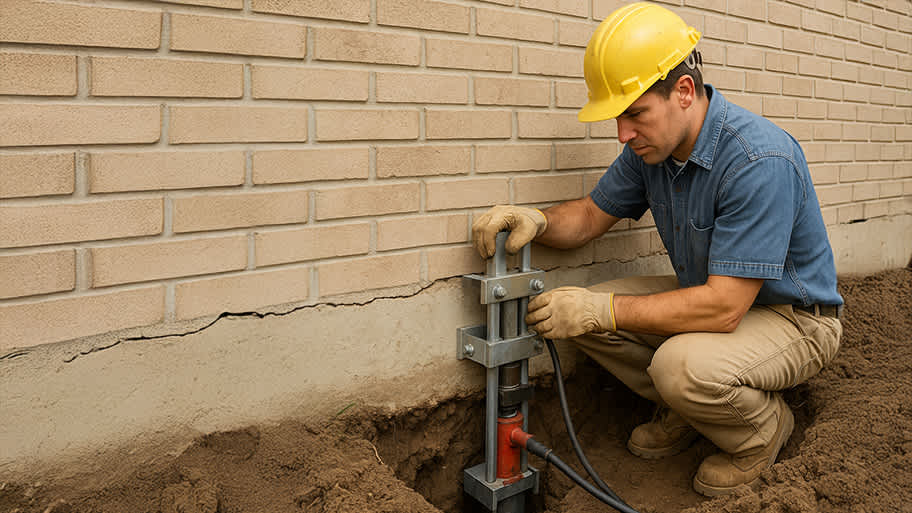
Find out the average raise a house cost in Washington, DC. Learn what you can expect to pay for local foundation lifting and get your project started today.

Find out the average whole house humidifier cost in Washington, DC. Learn what you can expect to pay for a new system and get your home ready for winter.
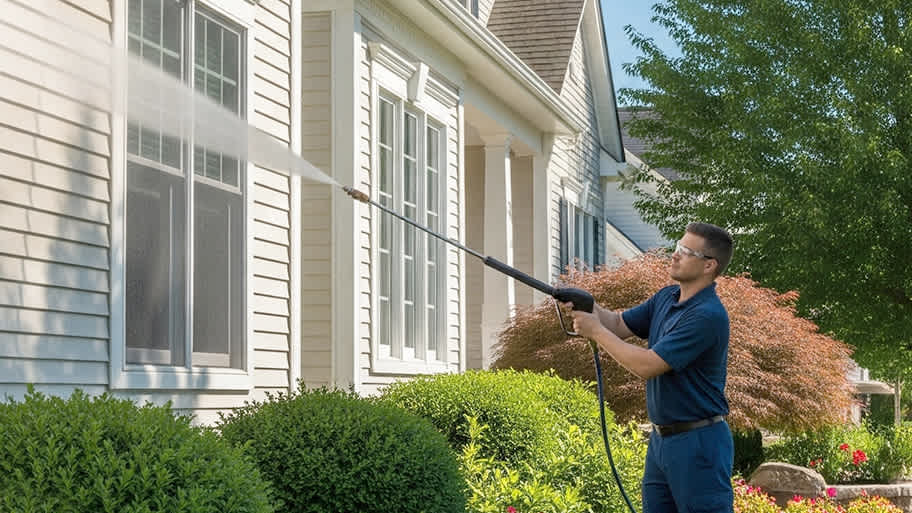
The cost to pressure wash a house in Washington, D.C., is based on the project type and surface area. Plan your budget here.
The cost of a whole-house surge protector depends on the materials, size, installation, and more. This guide will help you budget for a new surge protector in Washington, D.C..

Find out the average attic or whole house fan installation cost in Washington, D.C. Learn what you can expect to pay to keep your home cool and comfortable.