
•
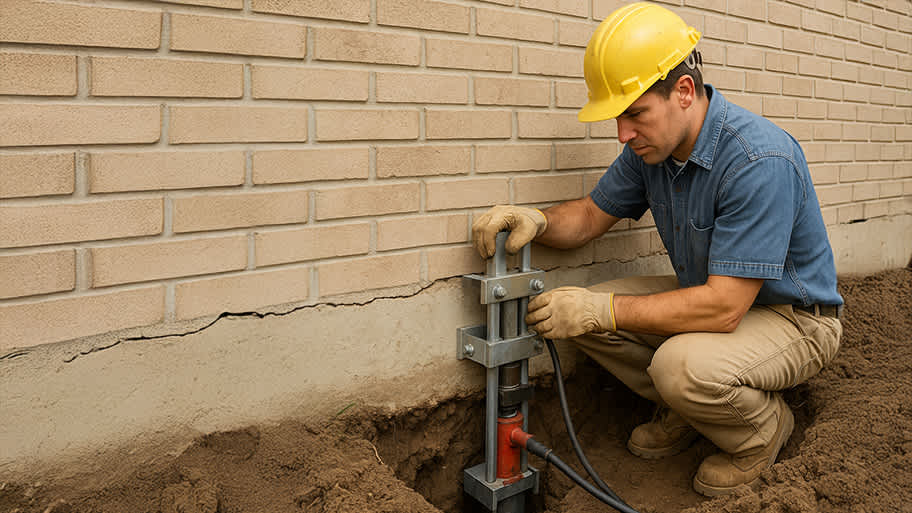
Find out the average raise a house cost in Phoenix, AZ. Learn what you can expect to pay for local foundation lifting services and plan your budget today.
Plumbing costs depend on your project and location. Check with a local pro for your specific job.

Phoenix repiping costs trend moderately above national averages because of higher living costs and demand.
Copper piping is the most expensive option at around $3 to $9 per linear foot, while PEX and CPVC start at around $1 per linear foot.
Permit fees, drywall repairs, mold remediation, and water damage restoration can significantly increase your final repiping budget.
Hiring a licensed plumber in Phoenix, AZ, helps ensure code compliance and reduces risks of leaks, water damage, and failed inspections.
With a moderately high cost of living, Phoenix’s repiping costs are higher than the average nationwide. The average Phoenix cost to repipe a house ranges between $1,550 and $15,495, with most homeowners paying around $7,748, depending on factors like pipe material, accessibility, and home size. Here’s what to expect when budgeting for repiping in Phoenix.
These are the main factors that will impact the cost to repipe a house in Phoenix, AZ.
Large homes have more plumbing fixtures and require longer runs for pipes and drain lines, so they cost more to repipe. Additionally, multistory homes cost more to repipe than single-story homes because you'll need more piping material to reach plumbing fixtures between floors.
There are three main types of plumbing pipe materials: copper, CPVC, and PEX. Costs vary with the material. For instance, copper ranges from $3 to $9 per linear foot, while CPVC costs around $1 to $2 per linear foot.
Remember that local codes can dictate the types of pipes you can use. Your plumber can recommend the best material for your home.
| Piping Material | Average Cost Range per Linear Foot |
|---|---|
| PEX | $1–$2 |
| CPVC | $1–$2 |
| Copper | $3–$9 |
Proper piping is required for all of your home's fixtures, including toilets, sinks, and showers. The more fixtures you have, the more piping you'll need. Rough-in plumbing for a bathroom is costly, as getting pipes to precise locations is more labor-intensive than running plumbing behind walls. If you’re changing your home’s layout, expect to pay more for the total cost.
| Plumbing Fixture | Average Cost Range |
|---|---|
| Sink | $360–$825 |
| Dishwasher | $415–$825 |
| Washing machine | $360–$1,550 |
| Shower | $620–$1,655 |
| Water heater | $725–$1,860 |
The size, or diameter, of your pipes also affects costs. Pipes used for waste drainage are wider than pipes designed to carry water. For the same type of piping, larger diameters will be more expensive. However, most drain lines consist of PVC, which is less expensive than copper, so drainpipes should still be more affordable than water supply lines.
If your pipes are in a difficult-to-reach location, expect to pay more for repiping your house. For example, pipes under concrete are more difficult to access than pipes behind drywall, so they cost significantly more to remove and replace.
If your municipality requires a permit for repiping, you’ll need an inspection after the work is done to ensure everything is up to code. In most cases, the initial inspection cost is included in the permit fee. However, reinspection costs around $25 to $155 if an issue requires it.
The soil around your home can also affect the cost of repiping. For example, clay soil shifts over time, affecting the surrounding plumbing and leading to more costly installations. This is only a factor if you replace buried lines, like water mains, underground pool lines, and sprinkler lines.
Hiring a professional plumber is essential for this project to ensure everything is installed properly and up to code. These are the factors that impact the labor costs on your final bill.
Plumbers across the U.S. charge between $45 and $200 per hour. Labor rates for licensed plumbers in Phoenix, AZ, average between $45 and $205 per hour, putting costs relatively close to national averages.
Home repiping projects require a permit through the City of Phoenix’s Planning and Development Department. Fees are on a sliding scale based on the project cost. Before work starts, confirm whether permit and inspection costs are included in your plumber’s estimate.
The materials used for your home repiping project are subject to Phoenix’s minimum combined tax rate of 8.6%. These will typically be accounted for in your estimate.
Along with a professional plumber, you may need to hire additional contractors to open and repair walls, ceilings, or flooring after the new piping is installed. Also, if there’s water damage or mold, you might need to bring in a water damage restoration or mold remediation specialist.
Here are some common professionals involved in repiping projects and their typical costs:
Water damage repair specialist cost: $1,380–$6,380
Drywall repair contractor cost: $300–$930
Ceiling repair contractor cost: $440–$1,730
Mold remediation specialist cost: $1,220–$3,760
Flooring repair contractor cost: $500–$3,000
General contractor cost: $50–$150 per hour
The ROI of repiping a house won’t likely show up as a higher selling price on the Phoenix real estate market, but it can still play a major role in protecting your resale value and helping your home sell faster.
While new plumbing pipes aren’t often noted on the initial walk-through, worn or damaged pipes can become red flags on home inspection reports, leading buyers to request concessions before closing that ultimately hurt your bottom line. Functional and updated plumbing pipes help make your home feel more move-in ready, reducing buyer hesitations and helping your home sell faster with minimal negotiations.
To help homeowners plan their next project, Angi provides readers with carefully researched cost data and upholds strict editorial standards. We start with national average project costs, which we collect by analyzing competitor information, retailer material costs, and input from professional contractors. We then apply local price index data to calculate location-specific estimates that reflect what homeowners typically pay in their local area. To do that, we use data from the U.S. Bureau of Economic Analysis (BEA), including its Regional Price Parities (RPPs), which measure price differences across cities. This helps us account for differences in labor, materials, and overall cost of living, so estimates in higher- or lower-cost areas better reflect real-world local pricing.
Every estimate undergoes a thorough editorial review to verify accuracy, consistency, and alignment with observed market conditions.
Want to help us improve our cost data? Send us a recent project quote to [email protected]. Quotes and personal information will not be shared publicly.
As someone who works in the trades, I pay attention to quality—and man was i impressed by Noah. Clean install, solid plumbing work, and no shortcuts. He explained everything and made sure the system was dialed in before leaving. Good local company doing honest work. I’d use them again without...
 HMU Plumbing
I called Zoom Drain for a clogged shower drain that just wouldn’t clear no matter what I tried. They came out the same day, arrived right on time, and were incredibly professional. The tech explained exactly what was causing the problem, fixed it quickly, and even cleaned up the work area...
 Zoom Drain Phoenix
Quick, knowledgeable and affordable. Will use again in the future for all plumbing needs.
 Do It Right Plumbing, Inc.
I recently hired Golden State Plumbing, and I couldn?t be more impressed! From start to finish, the entire experience was smooth and hassle-free. The team was punctual, professional, and extremely knowledgeable. They took the time to explain the issue and the solution, and I felt completely...
 Morgan Family Plumbing LLC
I had plumbing issues that cause damage, didn't know where to start, so glad I found them they were very easy to work with, explained everything they fast and reliable.
 Adams Disaster and Restoration
Two middle-aged plumbers with 30 years of plumbing experience and a truck (I am sure was paid for) filled with all plumbing supplies that could possibly be needed, arrived on time on a Sunday, and fixed my main water line leak using copper pipe that they skillfully soldered for a very fair...
I recently hired Handyman Connection of Phoenix to replace my kitchen and bathroom sink faucets and handle some general plumbing improvements. Abel was punctual, professional, and efficient. They explained the process clearly and ensured everything was functioning perfectly. Their workmanship...
We have an historic office building and Randy did a great job dealing with all the challenges that come with it. He exposed the original brick, replaced the old, galvanized plumbing, rewired/installed two dozen light fixtures and several new outlets, constructed new walls, installed a...
 Handy randy
Mr Schlarp contacted me right away and was on the job the next day. He was very neat, very knowledgeable and went the extra mile to make sure all was good and working. He was friendly and offered recommendations for a future job. I will definitely keep his card within reach for future...
 Water Heaters-Plus
They just do a variety and they can handle remodel plumbing.
 Kitchen and Bath Plumbing
From average costs to expert advice, get all the answers you need to get your job done.
Find out the average raise a house cost in Phoenix, AZ. Learn what you can expect to pay for local foundation lifting services and plan your budget today.

How much does rewiring a house cost in Phoenix? Explore pricing data, factors that affect your budget, and tips for hiring licensed electricians.
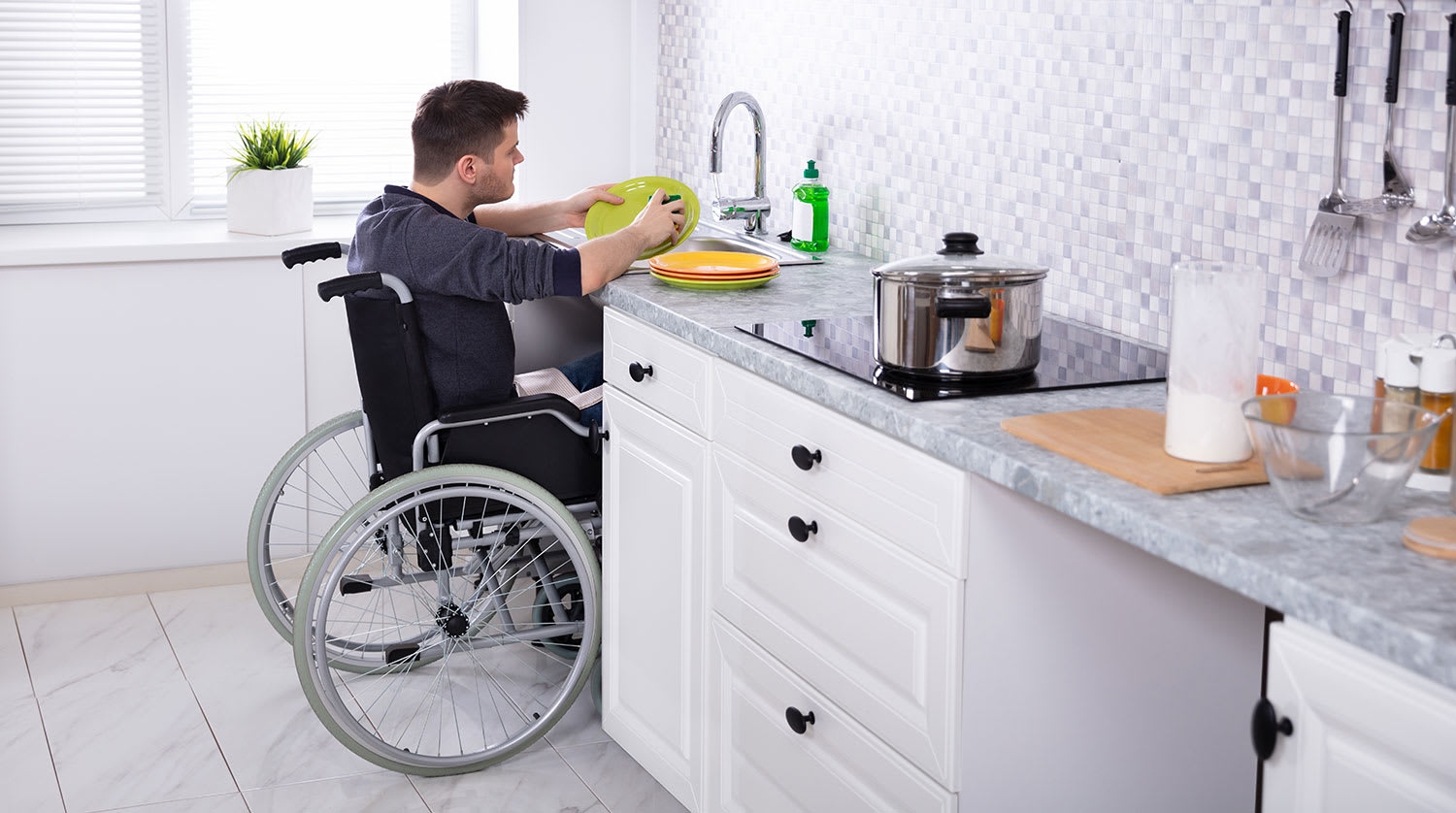
Find out the average home accessibility modification cost in Phoenix, AZ. Learn what you can expect to pay to make your home safe and accessible.

Does repiping a house add value? While it may not up the asking price, it can help your house pass inspection and make buyers more likely to make an offer.
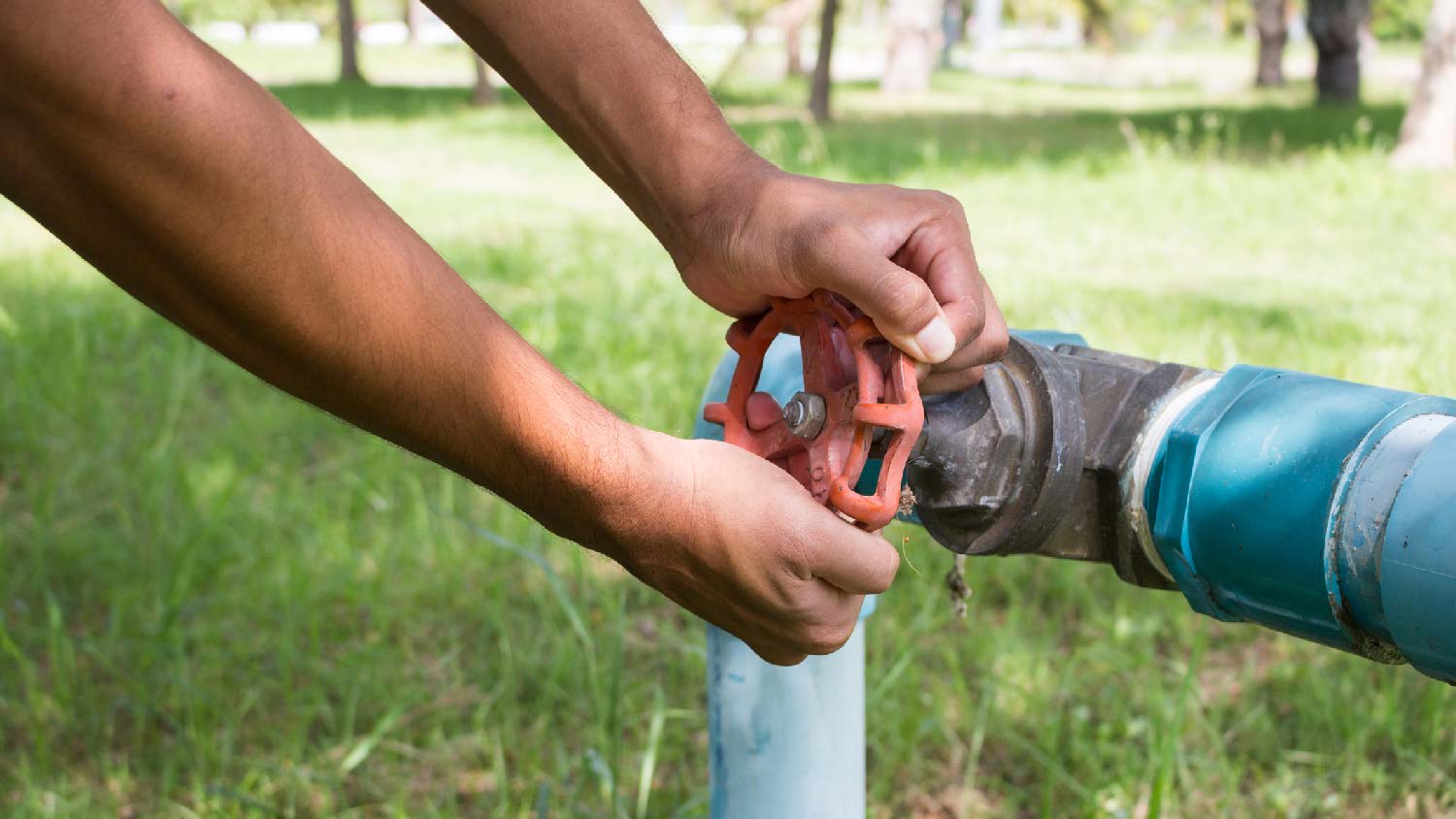
Choosing the wrong water main pipe size can lead to pressure issues and wasted money. Find out how to size it right for efficiency and long-term performance.
Keeping hardwood floors damage-free can be tough, but the cost to refinish hardwood floors in Phoenix, AZ is far less than the price to replace them.