

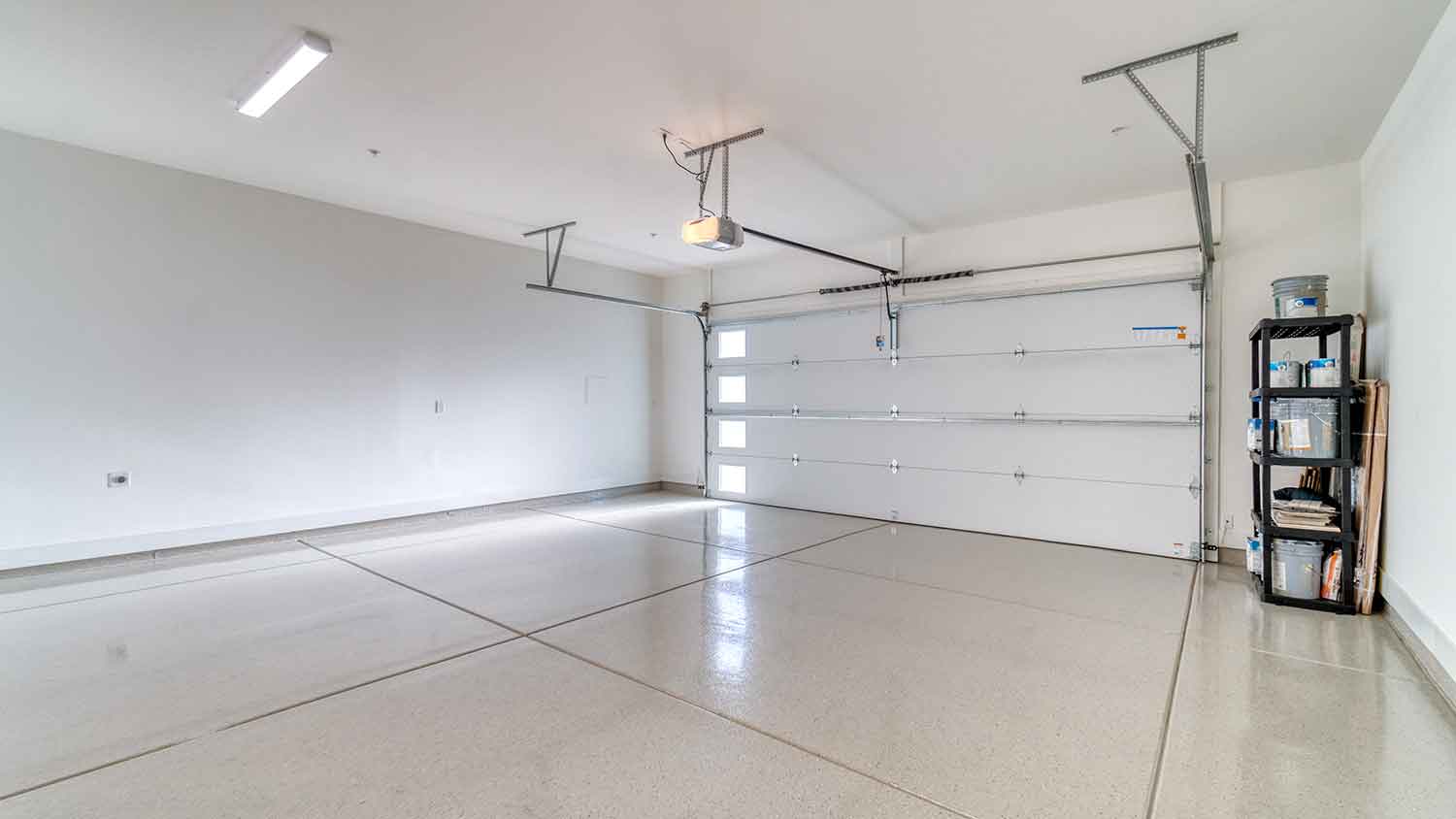
How much does it cost to insulate a garage? Discover insulation options, prices, and expected and unexpected circumstances that affect the project cost.
A protective barrier that increases versatility

Insulating a garage helps you maintain consistent temperatures year-round, making your space more comfortable for workshops, storage, or additional living areas.
Expect to pay $1,900 to $7,700 for professional garage insulation, with average costs around $4,700, or $700 to $2,300 for insulated garage doors alone.
You should consider your climate, how you use your garage, and your budget when deciding if insulation is the best investment for your home.
Hiring a local insulation company provides expert installation that prevents moisture issues and ensures proper temperature control throughout your garage space.
If you’re weighing the pros and cons of insulating your garage to make it a more comfortable space year-round, you should consider more than just the cost. Important factors like how you plan to use the space will also impact your decision. We've gathered all the benefits and drawbacks of an insulated garage to help you decide if it’s right for you.
Here are the outlet types you find in most U.S. homes:
15-amp, 120-volt (2-prong and 3-prong): The standard household outlet for lamps, TVs, and chargers.
20-amp, 125-volt: A higher-power outlet for kitchens, laundry rooms, and workshops.
240-volt (20-amp to 50-amp): A large-appliance outlet for dryers, ranges, and EV chargers.
GFCI: A shock-protection outlet for kitchens, baths, and other wet areas.
AFCI: A fire-protection outlet for bedrooms and living spaces.
Tamper-resistant: A child-safe outlet with internal shutters, now standard in new homes.
Weather-resistant: A corrosion-resistant outlet built for outdoor use.
Convenience types: Switched, combination, USB, smart, and rotating outlets.
Garage insulation primarily regulates temperature and improves energy efficiency within a garage space. The project involves adding insulation to the walls, ceiling, and sometimes the garage door to create a barrier that minimizes heat transfer between the interior and exterior.
The main goal of garage insulation is to maintain a more consistent and comfortable temperature to protect stored items and reduce energy consumption by preventing heat loss or gain. Insulation can be especially beneficial in regions with extreme weather conditions and for individuals who use their garage for various purposes, such as a workshop, home gym, or additional living space.

Hiring a local insulation installer to insulate your garage has many potential benefits.
Garage insulation helps maintain a more consistent temperature inside the garage. While this benefit is great for using garages as a vehicle shelter, it makes the space more versatile. Temperature control makes garages more comfortable for various uses, such as a workshop, home gym, or storage space.
Insulating the garage reduces air transfer, keeping cool or warm air inside. This process minimizes the need for excessive heating or cooling, leading to lower energy bills.
Condensation can cause moisture-related issues such as mold, mildew, and rust. Insulation helps prevent condensation by regulating temperature to reduce moisture-related risks.
Insulation provides a protective barrier against extreme temperatures. Items stored in the garage, such as tools, equipment, or other household products, are protected from damage caused by heat, cold, or humidity.
A well-insulated garage can serve as an extension of your living space. This offers an additional area for relaxation or activities without being overly affected by external weather conditions.
Insulation can help minimize external noises and create a quieter environment inside the garage. It also reduces disturbances to the rest of the household, making the garage a great space for a workshop or hobby space.
A properly insulated garage will often add value to the overall property. Potential buyers appreciate the energy efficiency and versatility of a well-maintained space.
In some regions, proper garage insulation may be a requirement to meet building codes. Using insulation ensures the structure meets certain energy efficiency standards.
While insulating a garage can be a good choice for homeowners, there are some drawbacks to consider.
One of the primary challenges of garage insulation is the initial investment. Quality insulation materials and professional installation can be expensive, potentially discouraging some homeowners. It's also worth noting that insulating a garage can be challenging and requires professional installation.
Depending on the region and your specific needs, the ROI for garage insulation may not be as immediate or substantial as other home improvement projects. While it is a feature potential buyers will appreciate, the increased value may not equate to the installation cost.
Insulating the garage can reduce the available space, particularly if thick insulation materials are used. This might be a concern for homeowners with smaller garages or those requiring every inch of storage space.
In some cases, improper insulation installation can trap moisture within the walls, leading to potential mold or mildew problems. It's crucial to choose insulation materials with moisture-resistant properties and ensure proper ventilation.
Insulated spaces can sometimes attract pests seeking shelter. Proper sealing and additional pest control measures may be necessary to prevent infestations.
In some climates or for garages that aren't frequently used, insulation may not be a worthwhile investment. Homeowners in milder climates may find little benefit in terms of energy savings.

When considering if insulating a garage is the right choice for you, the first consideration is the climate in your region. If you experience extreme temperatures, whether hot or cold, insulation may be critical to maintaining a comfortable and usable space.
You should also evaluate how you use the garage. Will it be a workshop, home gym, or additional living space? Insulation will help create a comfortable environment in which to work (or play) for long periods.
Budgetary concerns are an important factor to consider. The cost to insulate a garage depends on the garage size and type of insulation. Insulating a garage costs between $1,900 and $7,700, with an average price of $4,700. Budget-conscious homeowners can reduce the cost by opting only to insulate the garage door, as an insulated garage door costs between $700 and $2,300.
Company came to look at my garage door that was off track. They also said I needed a brace on the other garage door. They put the door back on track, and I paid to install the brace. The technician told me I needed a new garage door opener, and it would cost $1000. Red flags went off in...
 Precision Overhead Garage Door Service
I highly recommend KTM construction! I will look no where else for anything that needs to be done, in or out side of our property. The level of craftsmanship is 5 star service across the board! The level of detail, knowledge and professionalism is 5 star service across the board! Ken is a...
 KTM Construction, LLC
Replace garage doors: Fast response, competitive estimate, timely work done well.
 Village Garage Door
Called Mark on a Thursday morning. Not really knowing if he could help me or not. I was having driveway, flooding issues due to a clogged channel drain and I was trying to figure out what direction to take. Heavy rains had come on Monday and again on Thursday leading to flooding in my garage...
 Mark Rodgers Construction
Not well. I originally emailed Garage Gurus on 8/6, again on 8/9, and again on 8/11. In the meantime I left two voice messages with their answering service; both times I was told that an estimator would "get right back" to me. Not even the courtesy of a reply of any kind. Extremely...
This company is amazing! My garage door broke this afternoon and was stuck in the open position. I couldn't leave with the door open so I called Sanford and Sons because the company was recommended by the manufacture of my garage door motor. Nancy answered the company phone and problem...
The workers parked large trucks and trailers in the street that, on many occasions, over several months time precluded me from being able to get my car out of my garage. Additionally, it made for difficult movement of traffic on the street. Frequent request to the workers and to the property...
We had two outdoor fixtures swapped for motion sensing fixtures and a GFCI outlet added to the outside of the garage for the bird bath heater. <br /> He arrived at the agreed upon time and I was surprised and impressed at how quickly everything was completed. <br /> I would definitely...
 Powers Electric LLC
I received a glowing recommendation of RoofWise from my accountant & contacted them regarding a stubborn leak I've battled where the family room addition meets the original house. I also asked for a recommendation regarding ongoing garage leaks. Following a detailed inspection Roofwise...
 RoofWise Roofing Inc
Met with and received a detailed estimate from the owner who also answered all the questions I had about the work. Work was delayed by unusually rainy weather, but I did receive periodic scheduling updates by email. When the weather broke, the painting was completed in an extremely...
 Fresh Touch Custom Painting Inc.
From average costs to expert advice, get all the answers you need to get your job done.
How much does it cost to insulate a garage? Discover insulation options, prices, and expected and unexpected circumstances that affect the project cost.
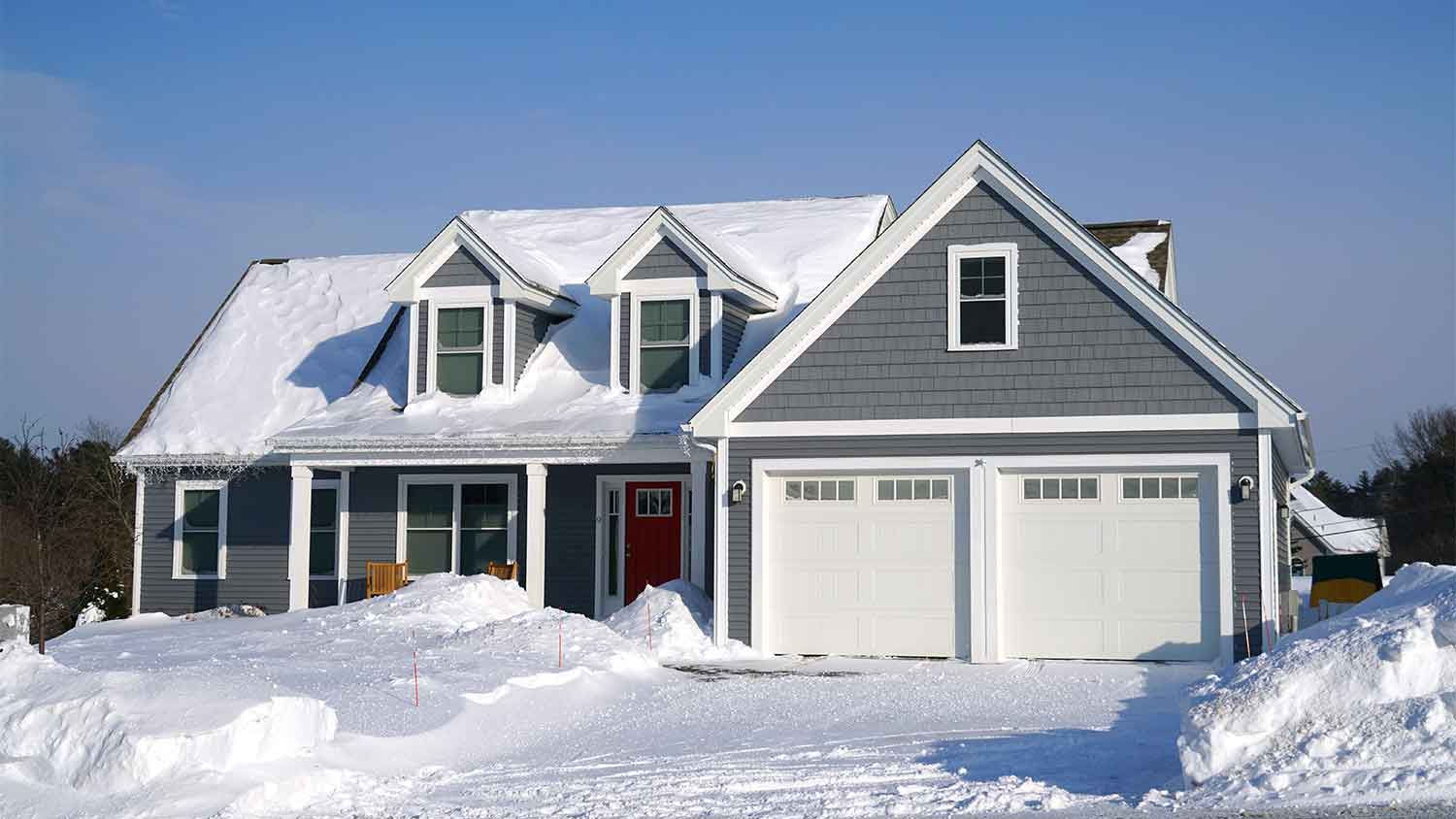
If you live in a climate that experiences harsh winters and summers, you should consider an insulated garage door. Learn what impacts the costs and how it can help save you money over time.
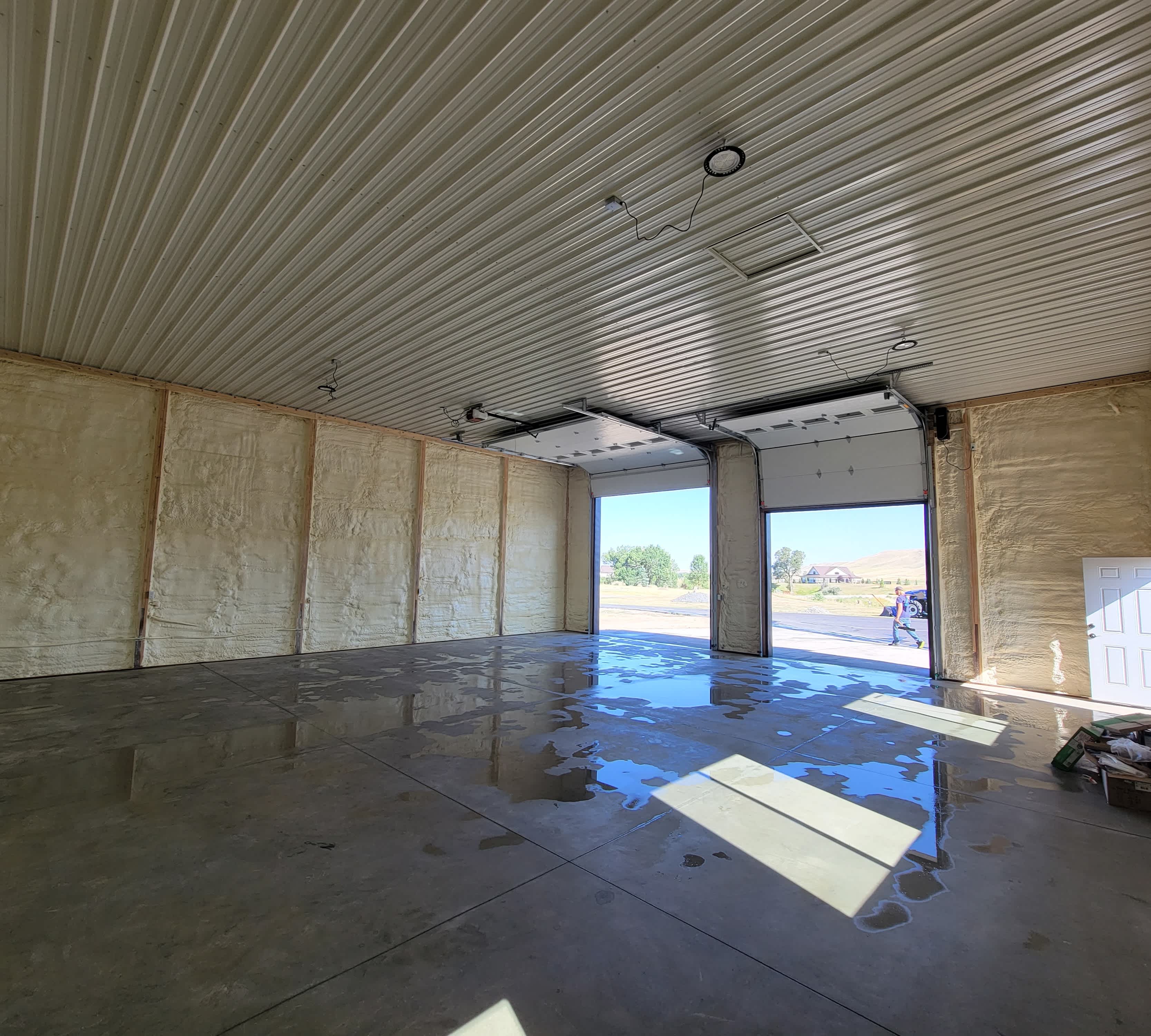
Our guide helps you select the right type of garage insulation to regulate temperature, sounds, and smells in your garage space.
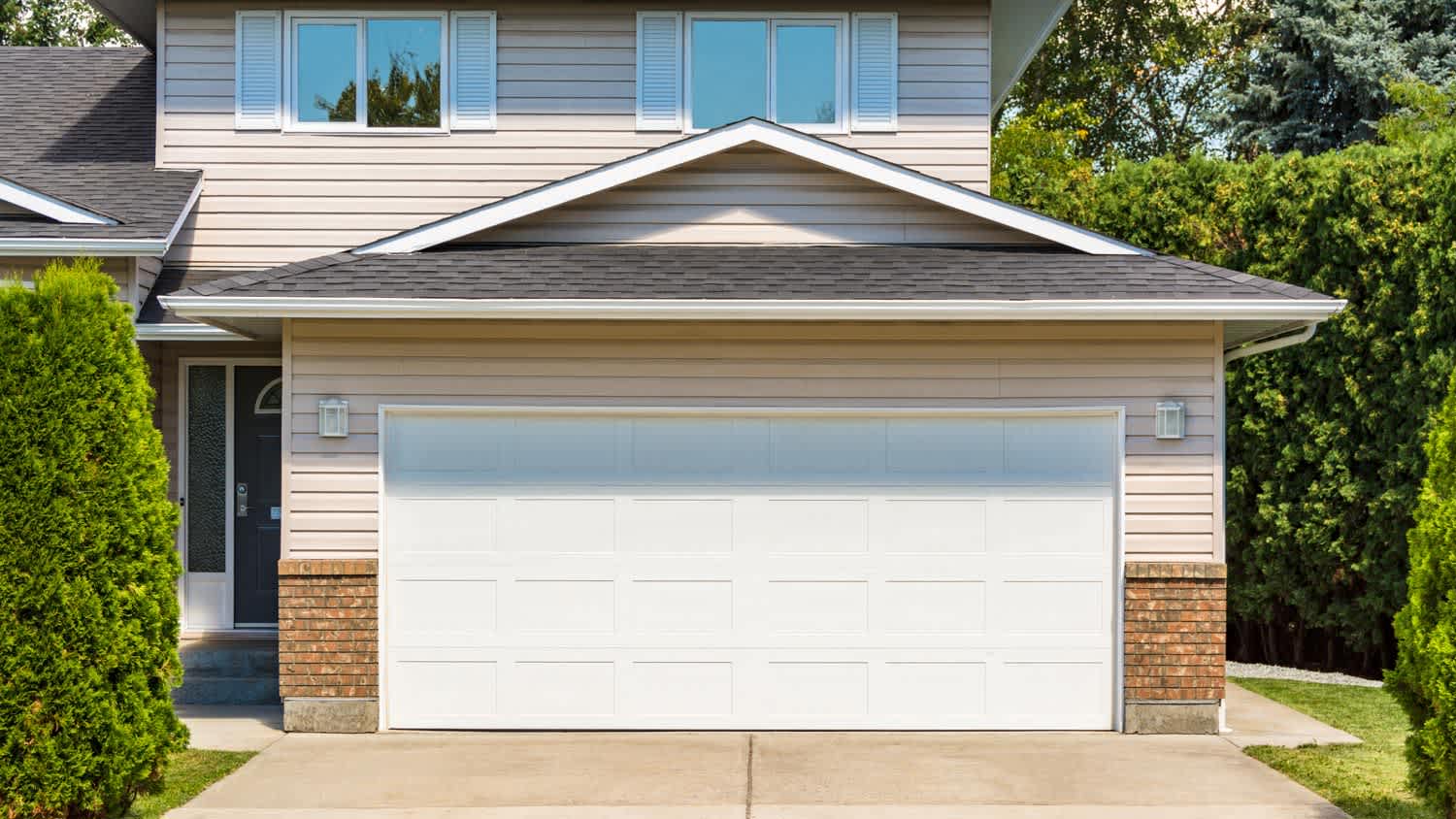
Insulating your garage door may seem like a pricey update, but you can do it on a budget and save money on your power bill all year long.
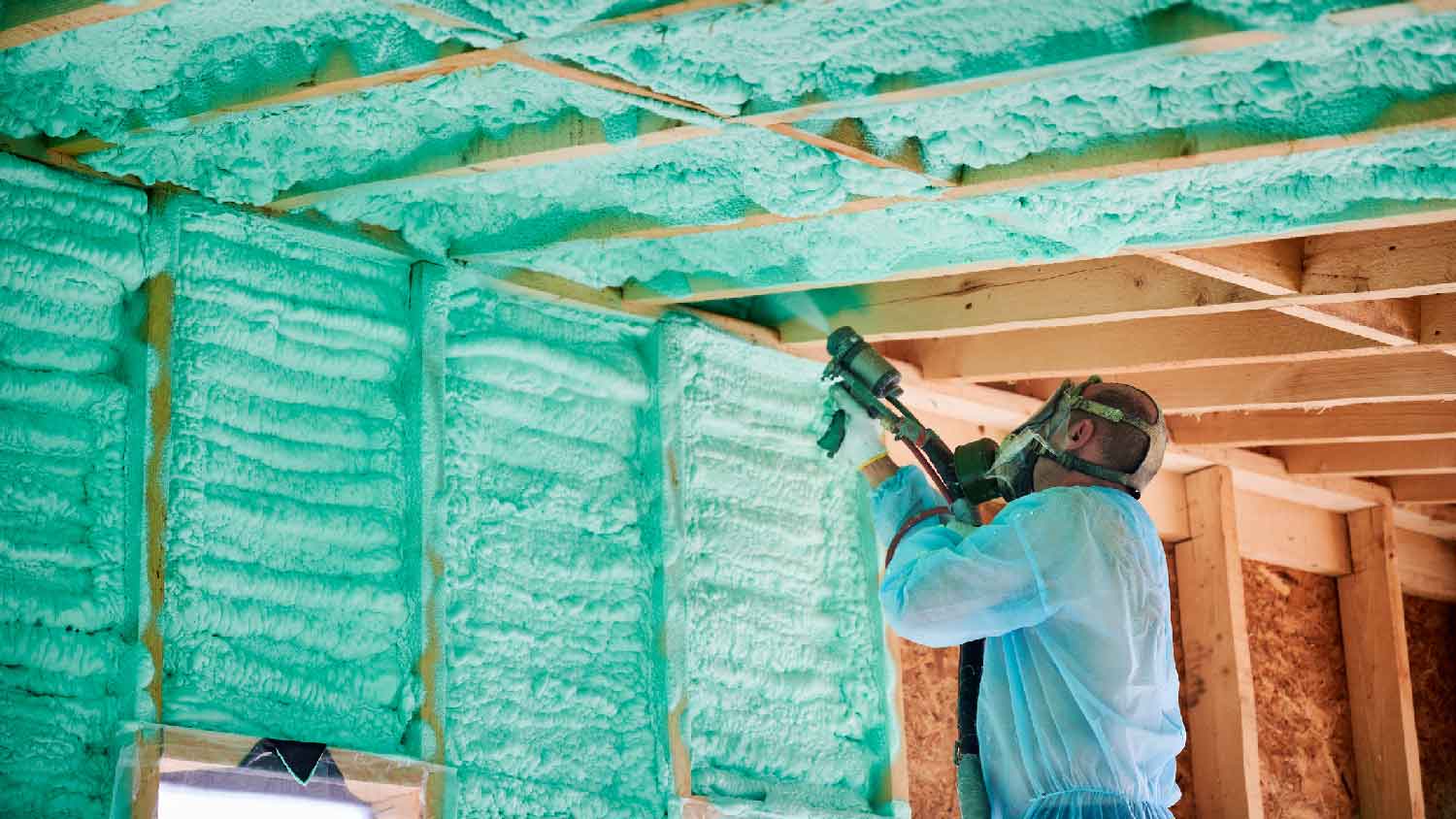
Weigh the pros and cons of spray foam insulation before choosing an insulation to keep your home comfortable.
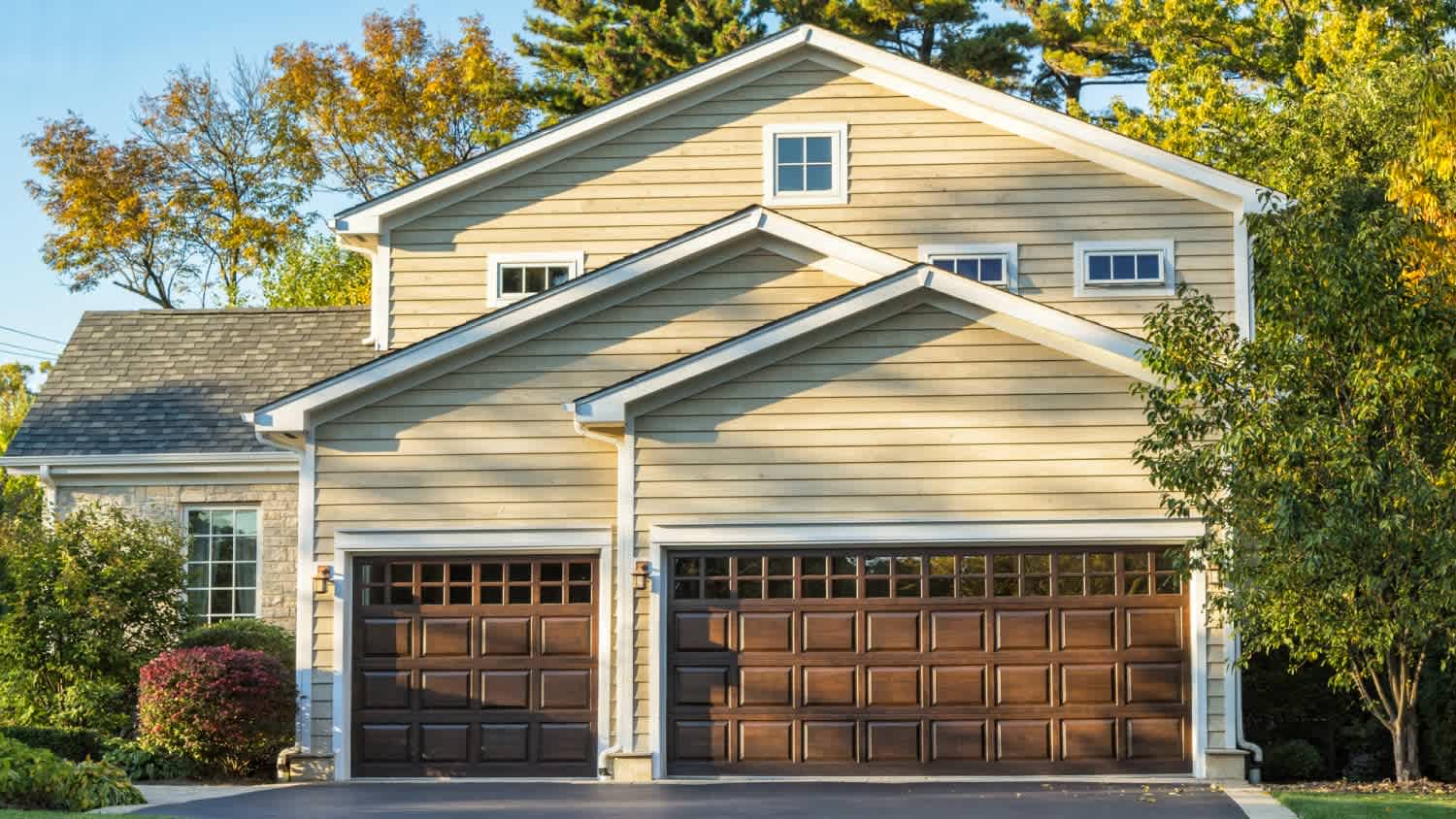
The high-end look of wooden garage doors can add to your home’s curb appeal, but they can also be expensive. Read on to learn more about the pros and cons of wood garage doors.