

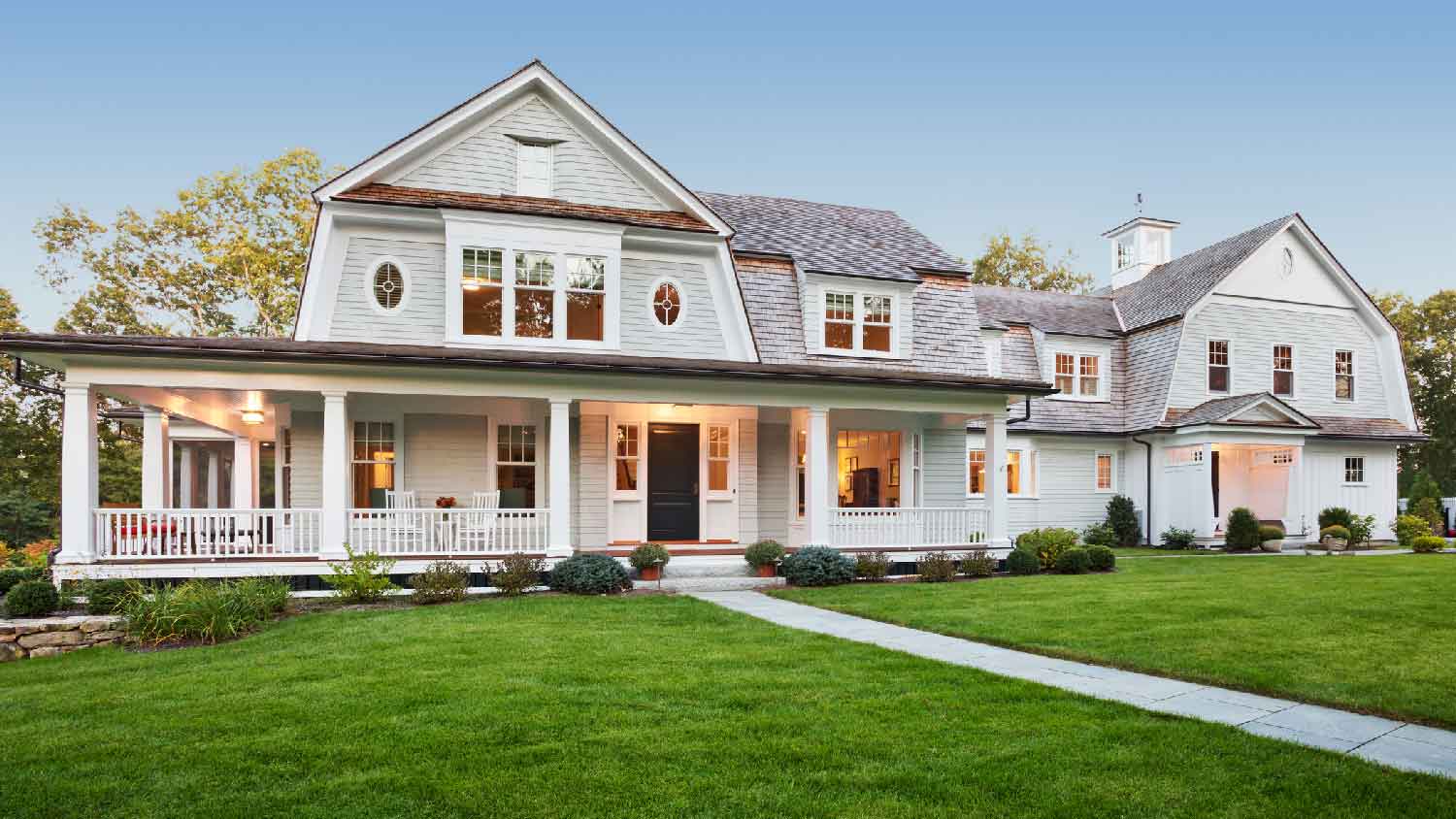
Are you wondering what factors might affect a wraparound porch’s cost? Budget for this rustic and charming addition with our cost guide.
Sunroom and patio service costs depend on your project and location. Check with a local pro for your specific job.

Year-round sunrooms can reach $50,000; overall porch enclosures run $8,700 to $28,350 based on size.
The enclosure type and materials you choose drive costs, from screens to glass, insulation, and new foundations.
Plan your budget for electrical work from $300 to $6,000, plus permits, insurance, and property tax changes.
Hiring a local sunroom professional keeps your enclosure code compliant, manages subcontractors, and handles zoning and inspections for you.
The cost to enclose a porch is $17,812 on average, though it can range between $2,050 to $50,000 depending on its size and the materials you choose. Enclosing your porch is a great way to enjoy more of the space your home offers without spending as much as you would with other additions. Even a simple screen enclosure can transform the space entirely.
Other types of porch enclosures are more costly but offer greater protection from the elements and more privacy. Learn about the cost factors that will impact what you pay to enclose a porch at your home.
The size of your porch will have the most significant impact on cost. For an average U.S. home, a porch addition is often between 150 and 200 square feet. This number can quickly expand to 350 square feet for larger homes.
| Size (Square Feet) | Average Cost |
|---|---|
| 100 | $3,000–$25,000 |
| 200 | $4,500–$45,000 |
| 250 | $9,000–$60,000 |
| 350 | $11,000–$98,000 |
There are three main types of enclosed porches. A screened enclosure is just that—a screen. These are by far the least expensive options. Three-season porches are a second option, and feature glass but no insulation. Finally, four-season porches are fully insulated with glass or walls and are the most expensive option.
A good way to determine which type you need is to base your usage on the seasons. If you want a shoulder season and summer-only option, consider a screened enclosure. If you want to use the screened porch comfortably in the early spring and late autumn, a three-season is your best bet.
| Type | Average Cost |
|---|---|
| Year-round (sunroom) | $16,000–$70,000 |
| Three-season | $7,000–$55,000 |
| Screened Enclosure | $500–$4,000 |
General contractors are much simpler to deal with as you only have to keep track of bills and hours for one contractor. A general contractor charges a percentage of the project cost—often around 20%. This comes out to $300 to $700 per day depending on how many workers they bring to build your porch enclosure.
Architects are a good idea if you plan on building a more robust enclosure. Expect to pay 8% to 15% of the total project cost, or around $140 per hour on the cost of hiring an architect. You’ll pay less, or around $70 to $90 per hour, for a junior architect.
Porches often have a few sockets and an overhead light. If you build out your porch into a year-round enclosure with a proper foundation, then you will need a seasoned electrician to handle the wiring. Common costs include:
Installing an outlet: $300
Adding a light fixture: $500
Rewiring: $6,000

If you enclose your porch in glass, you’ll want to hire a glass pro. Expect to pay between $80 and $130 per hour for the work of a primary pro, and between $40 and $90 per hour for additional workers. This is an area where bundling up the labor with a general contractor will likely save money.
Architects are a good idea if you plan on building a more robust enclosure. If you can, negotiate the rate as this isn’t a terribly complicated project for an architect. You may be able to save some money by asking for a junior at the firm you choose. Expect to pay 8% to 15% of the total project cost, or around $140 per hour on the cost of hiring an architect. You’ll pay less, or around $70 to $90 per hour, for a junior architect.
General contractors are much simpler to deal with as you only have to keep track of bills and hours for one contractor. A general contractor charges a percentage of the project cost—often around 20%. This comes out to $300 to $700 per day depending on how many workers they bring.
There are some items you need to take care of before you can start putting up your walls and installing a roof. Permits are the big one, but some elbow grease may be required for porches that aren’t up to shape or have seen significant weathering.
You most likely won’t need to do much demo work to enclose a porch other than possibly knocking down some posts. However, some prep is needed before starting the project. If you have a wooden porch, you must thoroughly check every piece to ensure it is in good condition.
After that, you’ll need to follow some other tasks, including:
Measure the porch down to the millimeter. Make sure to measure the height from the ground.
Bring plans and photos to the permit office to make sure your idea is within the code.
Source materials early if you plan on DIYing an enclosure.
Thoroughly clean the porch area. For wooden porches, consider a power wash and a reseal and re-stain.
You may not need a permit to build a screened-in porch. However, if your enclosed porch will act as a room in your home and not just a covered outside area, your local regulations may require a permit. Double-check with your contractor or if you’re going it alone, with your municipality.
Adding an enclosed porch can impact the cost of your home insurance fees and taxes. For instance, a temperature-controlled enclosed porch would likely be considered livable space, which would increase the square footage and value of your home as well as your insurance premiums and property taxes.
While it's not without risk, avid DIYers can install a simple screened enclosure on their porch. However, despite the possibility of saving roughly 20% of the cost, more involved projects, such as a permanent screened, three-season, or year-round enclosure, have additional requirements, including potential structural modifications, electrical wiring, insulation, and more. Each of these is subject to meeting building and energy code requirements, as well as permits and inspections, making the job best left to the expertise of a professional sunroom contractor.
Building a porch enclosure is a complex and demanding project, so here’s why you should hire a pro:
Licensed pros ensure your project meets building codes, zoning laws, and permit requirements.
They handle all aspects of the build and will assume the project management role for the entire project.
Your contractor will schedule the necessary subcontractors, source the required materials, and handle the inspection requirements.
Experts can recommend the best materials and design for your climate and home style.
Pros have access to crews and equipment to handle any task related to the project.
Reputable contractors provide warranties for their work and the materials they use.
DIY errors can cause potentially costly repairs down the road.
If your contractor is building your porch enclosure, there are still some tasks you can be involved with, including:
Remove furniture, debris, planters, and small structures from the porch.
Search for and choose some styles or colors for materials.
Light demo work, if your contractor approves, such as removing old screens, railings, or trim, before work begins.
Discuss options with your contractor that allow you to perform some of the finishing work, such as painting, after the build.
For complicated enclosures with several materials, you can shave some points off the top by:
Installing energy-efficient windows and insulation.
Pouring your own foundation if you have prior experience.
Filing for your own permits and double-checking them to avoid fees.
Choosing a simple design with inexpensive fixtures.
Using recycled materials.
DIYing any labor that isn’t specialized (if the contractor allows it).
The return on investment (ROI) on enclosing a porch is about 40% to 60% for most projects. Depending on the enclosure, this often equates to an increase in your home’s value of 3% to 10%.
Other than hard numbers, adding an enclosure can significantly increase the usability and enjoyment of a home. In many ways, this is far more important than an increase in price, especially if you plan on living there for several years. If the time does come when you want to sell, a screened-in porch is an added bonus to an otherwise open space—one that many buyers will appreciate.
Discuss enclosure types with your contractor, including screened, three-season, and year-round options, to determine which one is best for your budget, preferences, home style, and climate.
Be ready to confirm whether this project is a replacement task or a new build.
Talk to your contractor about material selections. Discuss color selections, material types, energy-efficiency specifics, and practicality.
Discuss your contract or pricing estimate with your contractor to determine the scope of the project and its details, including scheduling and cleanup specifics.
Home is the most important place on earth, which is why Angi has helped more than 150 million homeowners transform their houses into homes they adore. To help homeowners with their next project, Angi provides readers with the most accurate cost data and upholds strict editorial standards. We’ve surveyed thousands of real Angi customers about their project costs to develop the pricing data you see, so you can make the best decisions for you and your home. We pair this data with research from reputable sources, including the U.S. Bureau of Labor Statistics, academic journals, market studies, and interviews with industry experts—all to ensure our prices reflect real-world projects.
Want to help us improve our cost data? Send us a recent project quote to [email protected]. Quotes and personal information will not be shared publicly.
One of my old tall evergreen trees was suddenly leaning toward the busy street in front of my house. I submitted a request for an emergency tree inspection, and Alejandro, owner of Cajete Tree Service, contacted me immediately and arrived to look at it just 20 minutes later. We agreed the...
 Cajete Tree Service LLC
1 tree was cut down and 5 others including a large willow tree were trimmed. The Grant Tree Service men were professional and cleaned up afterwards. The cost of the 6 trees were affordable. I am very happy with the results. I would hire them again.
 Grants Tree Service
Raven and crew does absolutely fantastic job. They are very professional if any concerns were to occur with any of her work she always took responsibility and finished out with a great job. I have worked with her business for a year and have always been satisfied. Very trusted business and...
 Creations of Transformation LLC
This company went above and beyond with their work, chimney sweeps are usually pretty messy, but the clean up was spot on.!! Josh explained every thing that he was doing, and the things that he was checking to make sure the chimney was safe for me and my family. He was very professional,...
 Supreme brick & chimney
Window Depot did an amazing job on my deck. I wasnt sure what I wanted to do, but their composite decking was affordable and will last a long time. I am excited to have family over, and I am no longer embarrassed by my backyard. Jeff and the ground crew were polite, respectful, and caring for...
 Window Depot USA of Central Ohio
Cameron and his crew did an excellent job. On time, professional and courteous. My driveway looks awesome!!
 All Star Paving and Sealing
I definitely recommend Ramonaâ s cleaning service! I have booked services with her many times and she arrives on time, ready to work and provides a great service.
 Your Cleaning Solutions LLC
We were having 2”x 2” tile installed . There was a small installation error and the new additional replacement tile was from a different lot and the colors didn’t match. Joe assured us that he would rectify everything , which he did without hesitation. We decided to go with the 18” x 36” tile...
 CarifaTile
We had a 20+ year old landscape lighting system that needed replacement. Midwest Lightscapes worked with us to design a much improved lighting system, lighting the exterior of the house and the back yard. Installation of the 45 light system took one and one-half days, and went very smoothly....
 Midwest Lightscapes
From average costs to expert advice, get all the answers you need to get your job done.
Are you wondering what factors might affect a wraparound porch’s cost? Budget for this rustic and charming addition with our cost guide.
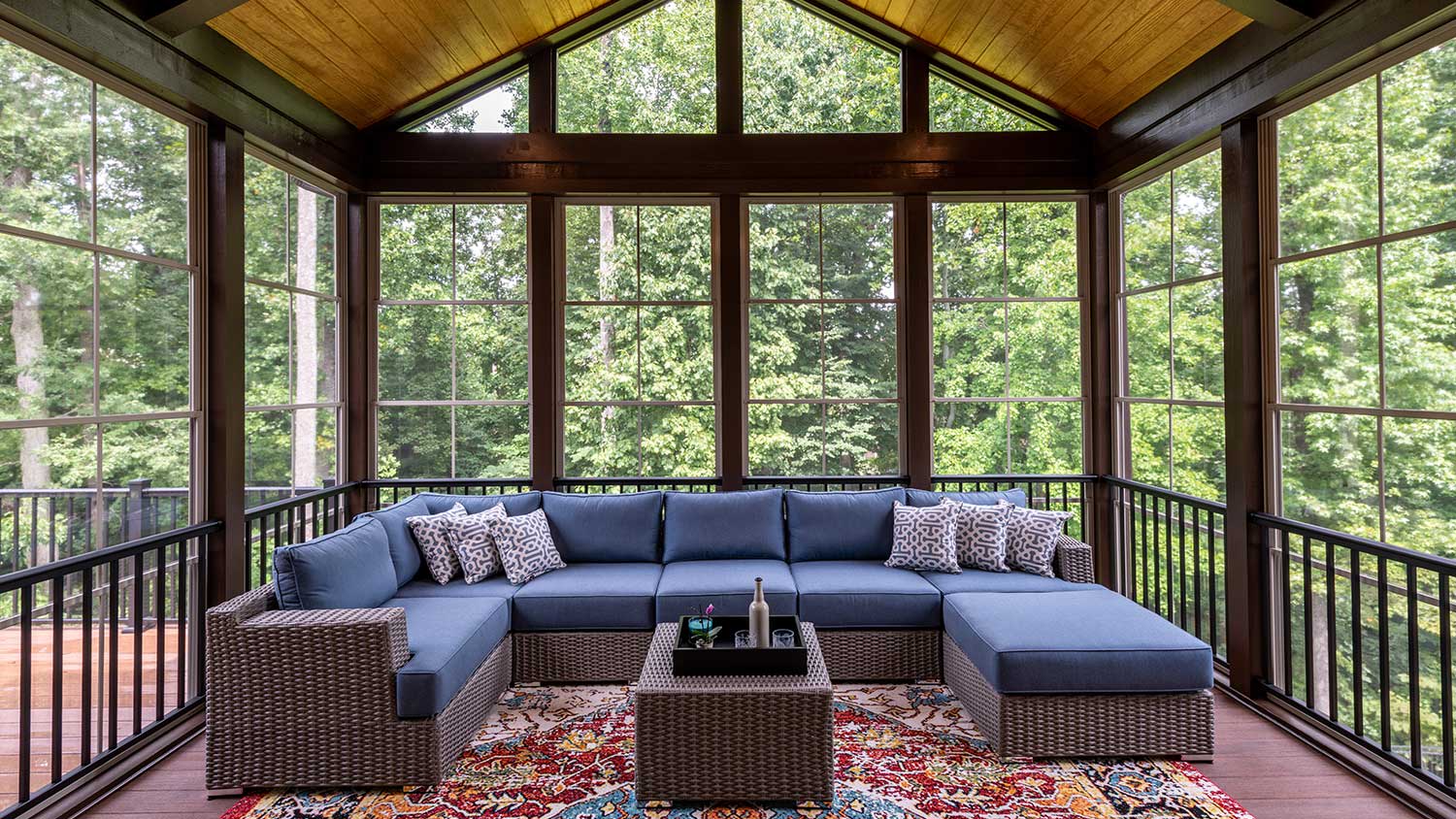
Considering adding a screened porch to your home? Discover the average cost of a screened-in porch, depending on its size, location, and more.
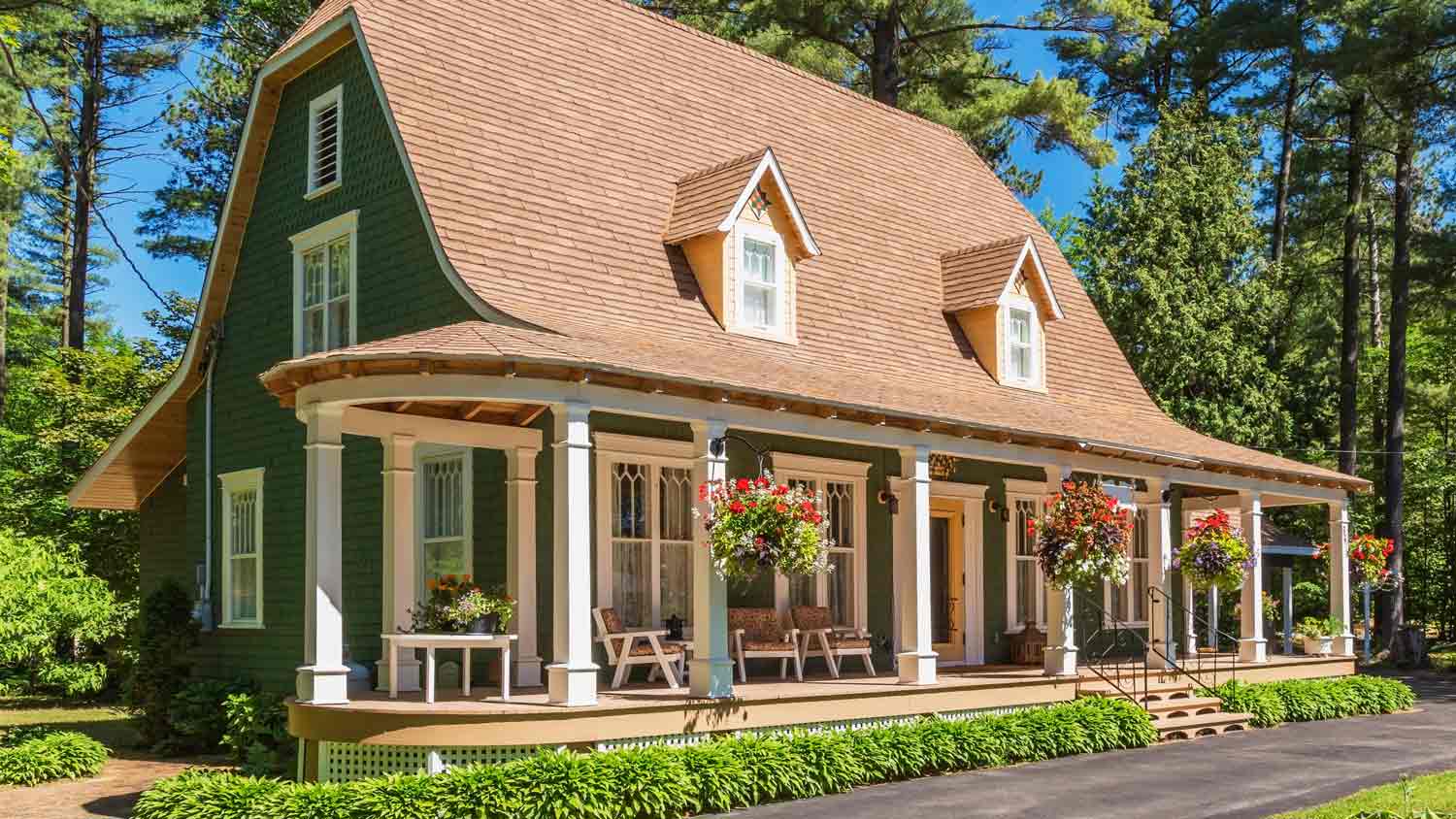
A porch can expand your living space and add curb appeal. Find out what to budget for the cost of a porch on your home with this guide.
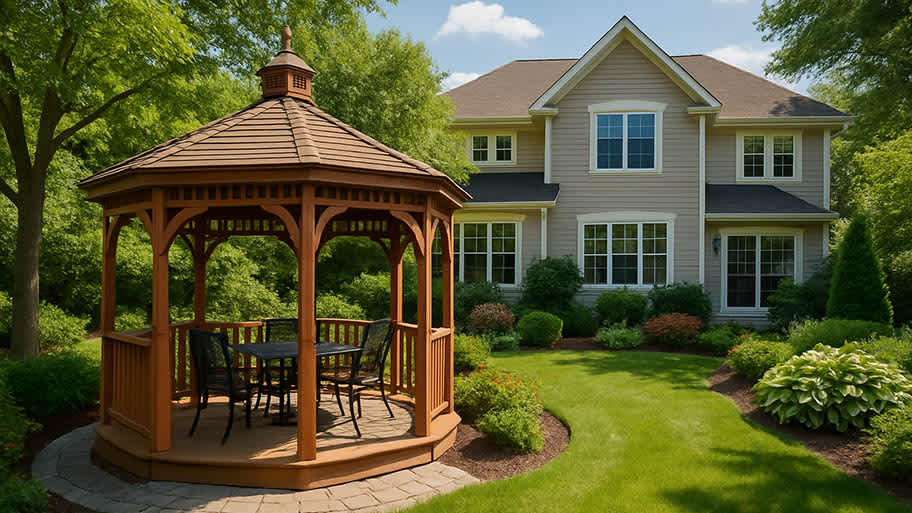
Thinking about a porch and gazebo installation? Learn about the logistics, average costs, and how to hire the right local pro for your yard.

A screened-in porch lets you enjoy the outdoors while being protected from bugs and direct sun. Learn the pros and cons of a screened-in porch.
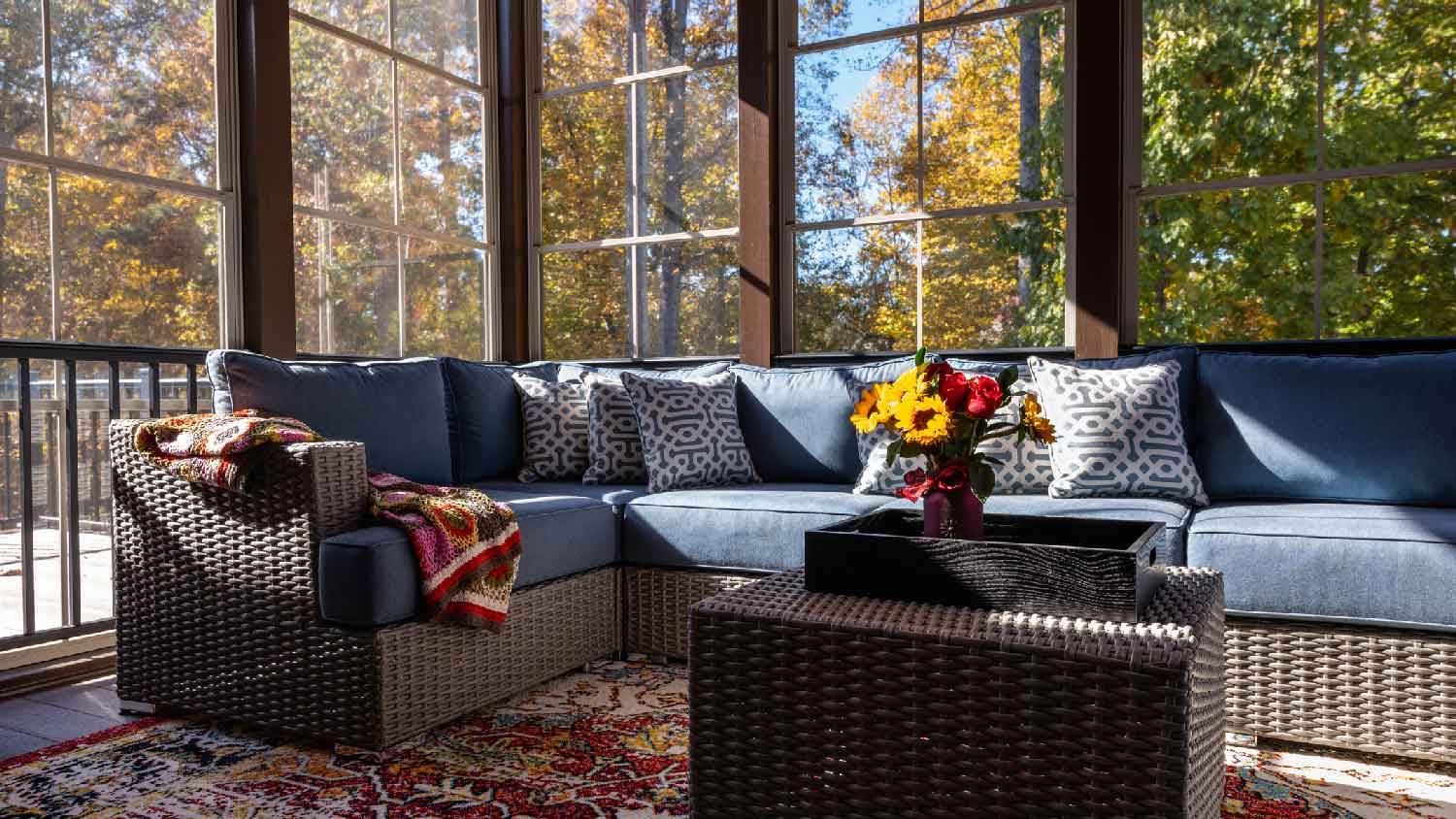
Looking to create a protected outdoor living space, but aren’t sure who builds screened-in porches? Here's what you need to know about hiring for this project.