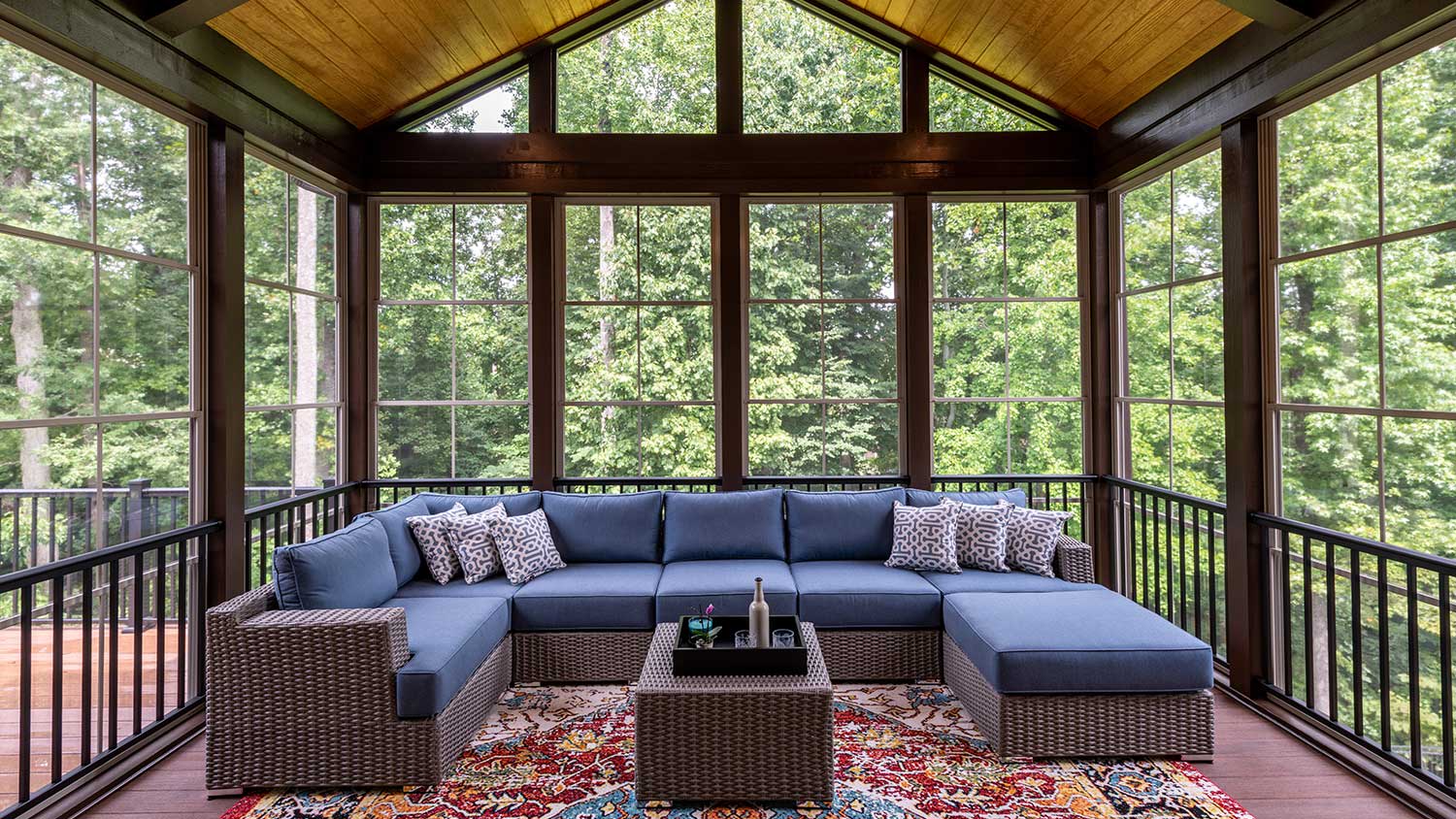
Considering adding a screened porch to your home? Discover the average cost of a screened-in porch, depending on its size, location, and more.
Enjoy the sun, no bugs required

Screened-in porch pricing depends on whether you add screens to an existing structure or build from scratch, affecting your overall investment.
Adding screens to your existing porch costs $2,800, while building a new 14-by-16-foot screened-in porch costs around $11,000 on average.
Your screened-in porch offers the best value in mild climates where outdoor living is appealing, but bugs and weather create challenges.
Hiring a local sunroom professional keeps your porch project on track with proper permits, building codes, and construction that boosts your home's resale value.
You want to enjoy your backyard, but the bugs and drizzle can make it difficult to do so. One option is to add a screened-in porch, where you can relax, bug and rain-free. But you may wonder: does a screened-in porch add value to your home? The answer is, in most cases, this coveted home addition does indeed make your house more valuable. Learn about the return on investment (ROI) of screened-in porches, their pros and cons, and how they stack up against sunrooms.
A screened-in porch is an extension of your home, with a roof and screens on the sides instead of walls or windows. Think of it as a patio, but instead of being exposed to the open air, it has screened-in sides. Instead of drywall or plaster, those sides are covered in a fine mesh screen.
Depending on the size and type of screen, a screened-in porch will help to keep insects and debris from getting onto the porch and ruining your relaxation time.
What you do with your porch is up to you. You may set up outdoor chairs and couches there, transforming it into a lounge area. Or you may add a dining set and enjoy your morning coffee, lunch, or dinner semi-al fresco.
A screened-in porch can boost your home's value and offer an ROI of between 70% and 80%, provided a few conditions are met:
You follow all local codes and the permitting process when installing the porch.
You work with a porch or sunroom contractor near you to build it.
You live in an area with a mild climate, where there's a demand for screened-in porches.
Screened-in porches offer the best ROI in areas where spending time outdoors is appealing, but obstacles, such as flies or mosquitos, can make it challenging. If you're in a sunny, warm area that doesn't see harsh winters, a screened-in porch can be worth the cost.

Screened-in porches and sunrooms serve the same overall purpose—they give you a place to enjoy the outdoors, without being directly outside.
However, there are notable differences between the two. A sunroom may be either three or four-season. A three-season sunroom is enclosed on three sides by clear vinyl or glass, not mesh screens. A four-season sunroom is also enclosed by vinyl or glass and has a separate heating or cooling system, allowing you to use it even in extremely cold temperatures.
Screened-in porches don't often have any additional source of heat. Since the screens let air flow through, they also don't have the greenhouse effect that a three- or four-season sunroom will have.
If you live in a colder climate, a sunroom may add more value to your property than a screened-in porch.
When deciding whether a screened-in porch will add value to your home, it helps to consider the pros and cons of a screened-in porch.
The biggest advantage of a screened-in porch is that it gives you a place to enjoy the outdoors, with some additional protection from pests, rain, and the sun's rays. You can relax with a book without risking sunburn or enjoy a meal without insects as uninvited guests.
A screened-in porch also gives you a bit more living space, making your house feel less cramped.
A notable drawback of a screened-in porch is that, depending on your location, you can't use it year-round. The screens let air in, so it's impossible to insulate the porch for use during a chilly winter. You may also find that the porch becomes too damp to use on rainy days. Screens themselves don't last forever, so you'll need to perform regular maintenance to keep them clean and to repair any rips or tears.
One of my old tall evergreen trees was suddenly leaning toward the busy street in front of my house. I submitted a request for an emergency tree inspection, and Alejandro, owner of Cajete Tree Service, contacted me immediately and arrived to look at it just 20 minutes later. We agreed the...
 Cajete Tree Service LLC
1 tree was cut down and 5 others including a large willow tree were trimmed. The Grant Tree Service men were professional and cleaned up afterwards. The cost of the 6 trees were affordable. I am very happy with the results. I would hire them again.
 Grants Tree Service
Raven and crew does absolutely fantastic job. They are very professional if any concerns were to occur with any of her work she always took responsibility and finished out with a great job. I have worked with her business for a year and have always been satisfied. Very trusted business and...
 Creations of Transformation LLC
This company went above and beyond with their work, chimney sweeps are usually pretty messy, but the clean up was spot on.!! Josh explained every thing that he was doing, and the things that he was checking to make sure the chimney was safe for me and my family. He was very professional,...
 Supreme brick & chimney
Window Depot did an amazing job on my deck. I wasnt sure what I wanted to do, but their composite decking was affordable and will last a long time. I am excited to have family over, and I am no longer embarrassed by my backyard. Jeff and the ground crew were polite, respectful, and caring for...
 Window Depot USA of Central Ohio
Cameron and his crew did an excellent job. On time, professional and courteous. My driveway looks awesome!!
 All Star Paving and Sealing
I definitely recommend Ramonaâ s cleaning service! I have booked services with her many times and she arrives on time, ready to work and provides a great service.
 Your Cleaning Solutions LLC
We were having 2”x 2” tile installed . There was a small installation error and the new additional replacement tile was from a different lot and the colors didn’t match. Joe assured us that he would rectify everything , which he did without hesitation. We decided to go with the 18” x 36” tile...
 CarifaTile
We had a 20+ year old landscape lighting system that needed replacement. Midwest Lightscapes worked with us to design a much improved lighting system, lighting the exterior of the house and the back yard. Installation of the 45 light system took one and one-half days, and went very smoothly....
 Midwest Lightscapes
From average costs to expert advice, get all the answers you need to get your job done.
Considering adding a screened porch to your home? Discover the average cost of a screened-in porch, depending on its size, location, and more.

How much does it cost to rescreen your porch or sunroom? Learn about screen materials, average labor costs, and other costs for rescreening your porch.
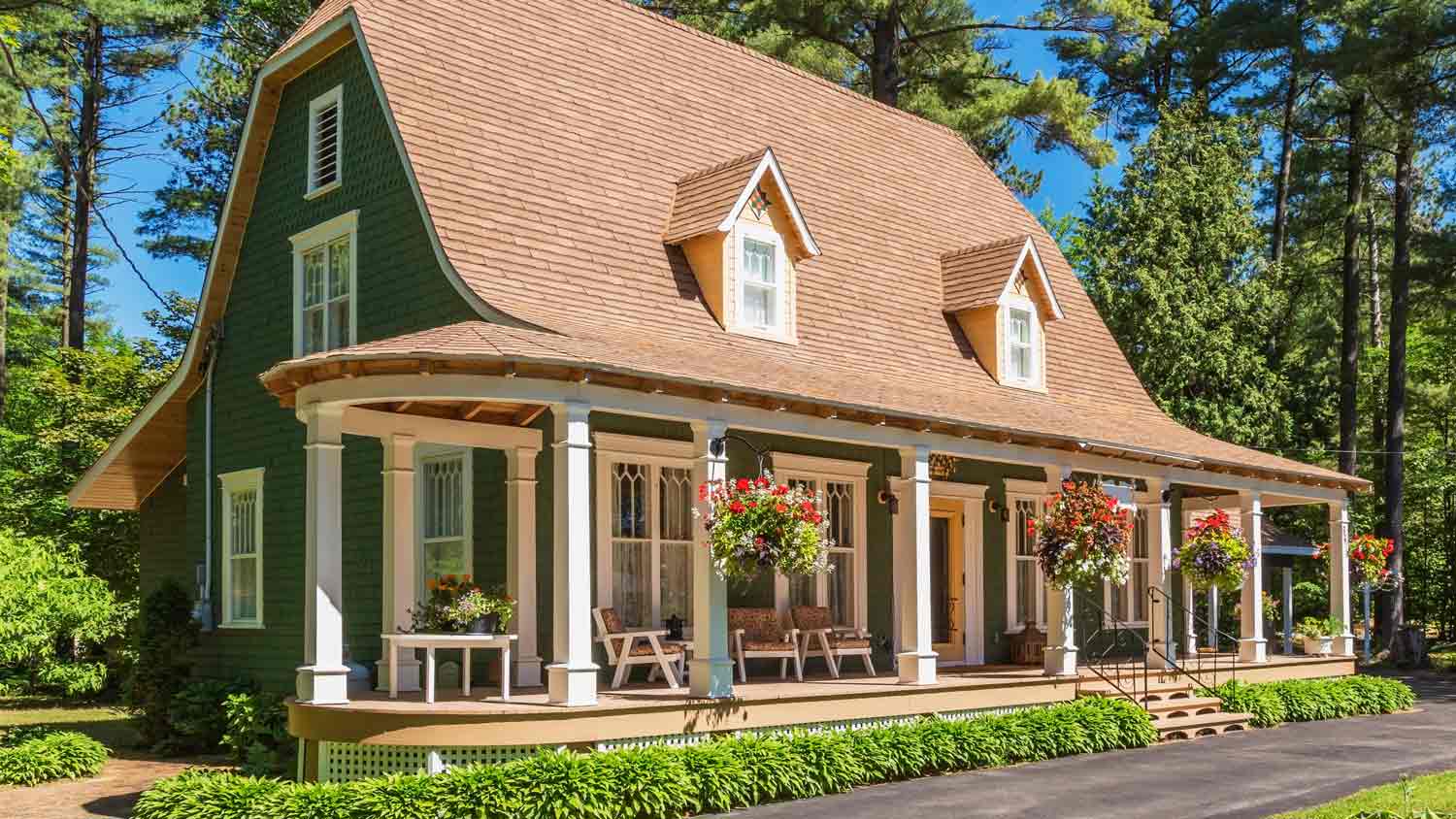
A porch can expand your living space and add curb appeal. Find out what to budget for the cost of a porch on your home with this guide.

Get some inspiration and DIY ideas for turning your screened-in porch into a beautiful and tranquil place to enjoy the outdoors in comfort and style.

A screened-in porch lets you enjoy the outdoors while being protected from bugs and direct sun. Learn the pros and cons of a screened-in porch.
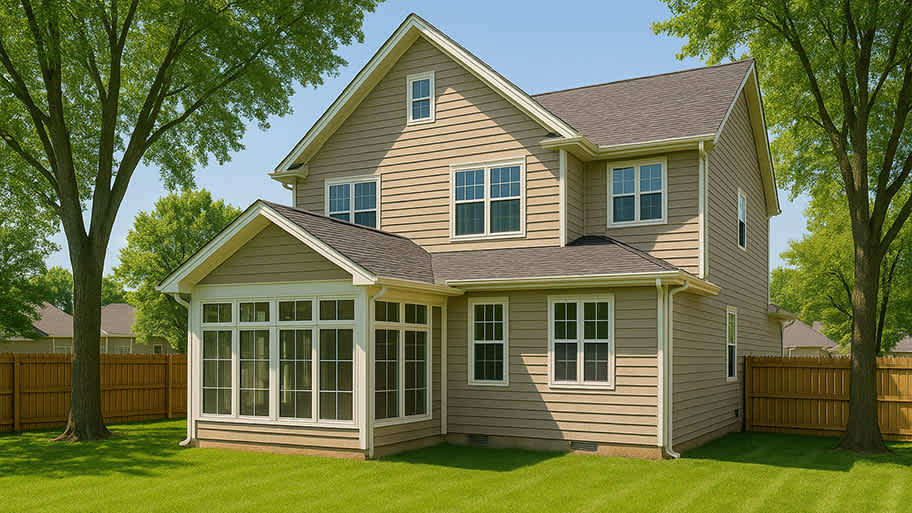
Not sure if you’d prefer a sunroom vs. a screened porch? Use this comprehensive guide to help you decide which you’d get more value from in the long run.