

One of the best ways to expand your home is to build up. That said, the cost of adding a second story in Washington, DC, can range. We'll break it down here.
Kitchen and bathroom remodel costs depend on your project and location. Check with a local pro for your specific job.

The cost to add a second story in Baltimore, MD, ranges from $300 to $500 per square foot.
Full second-story additions cost more than partial remodels, since they generally require more structural reinforcement work.
A building permit for a second-story home addition starts at $75.
Hiring a local home builder in Baltimore, MD, ensures that your project meets zoning, permitting, and historic preservation requirements.
The cost to add a second story in Baltimore, MD, averages $182,875, and most homeowners pay from $104,500 to $261,250. Project size and type are the main cost factors, especially in Baltimore, MD, where older rowhomes and attached houses often involve more complex structural reinforcement and permitting.
The cost to add a second story in Baltimore, MD, depends on the size and type of the addition, as well as the finish level, demolition, and foundation reinforcement.
A second-story addition costs between $300 and $500 per square foot on average, but complex projects with high-end materials could reach even higher.
| Size (Sq. Ft.) | Average Cost | Maximum |
|---|---|---|
| 800 | $83,600–$250,800 | $418,000 |
| 900 | $94,050–$282,150 | $470,250 |
| 1,000 | $104,500–$313,500 | $522,500 |
| 1,100 | $114,950–$344,850 | $574,750 |
When you can picture your second-story design idea but can't quite put it into words, take a look at the costs by the type of addition. Every second story will be unique, but they typically fall into one of the following categories:
| Addition Type | Average Cost |
|---|---|
| Full second-story addition | $627,000 |
| Partial second-story addition | $313,500 |
| Converting a vaulted ceiling | $20,900 |
| Dormer addition | $12,540 |
| Bonus room | $62,700–$125,400 |
Full second story: Building a full second story over your current layout comes with stiffer foundation requirements. You will also spend more on windows, roofing, insulation, and all of the homey features that round out your second floor.
Partial second story: These additions are popular for their flexibility and comparatively lower costs. They may include a guest bedroom, an extra bathroom, or a flexible space for an office.
Converting a vaulted ceiling into a second story: A vaulted ceiling adds lots of airy space to a house, but some see all that space and wonder if it could be used differently. If the ceiling is higher, it’s possible to convert it into a partial addition or loft to create usable space.
Dormer addition: A dormer is a triangular window space on top of a roof. Dormers cost less than full second-story additions but can expand an existing second story and give rooms more light and a bigger feel.
Add a bonus room above the garage: When adding a room above a garage, square footage matters, but you'll also need to ensure the garage's structure can handle the extra weight. The second floor may also require additional insulation and vapor barriers.
If you choose higher-end materials, such as stone siding or marble bathroom flooring, expect your costs to be higher than those of builder-grade materials. While some high-end materials reduce maintenance costs, many standard finishes are still durable and save money in the total project price.
Depending on the structure of your existing home, your foundation may not be strong enough to support a second-floor addition. You'll want to hire a local structural engineer to evaluate your foundation and determine what you may need to strengthen it.
Foundation support work costs $2,400 to $7,600. Where you live, seasonal weather patterns, and ground characteristics all factor into the amount of work needed.
In many cases, building a second story requires that your contractor remove the roof and then open up walls and ceilings to reinforce your home’s framing. Removing a room costs an average of $1,300, and the cost to replace the roof when all is said and done usually falls between $4.50 to $12.50 per square foot. While designers often work around existing chimneys, the price to remove a chimney for a second story adds an average of $4,705.
Installing the main staircase in your home costs between $2,510 and $4,180, but high-end designs can reach $6,270. General contractors will often include this price in the second-story price estimate, as it's a crucial element of the design. However, the placement of your stairs, the design, and additional elements like carpeting can raise the price.
While not as common, the landscape surrounding your home may change when you add a second story. Construction equipment can damage your lawn, garden, and surrounding trees. Due to a shift in the shadows of your lawn, you may choose to move certain plants and flowers that sat in direct sun before the build. Professional landscaping costs between $45 and $75 per hour.
For safety purposes, you'll need to be out of your house during the construction of your second-story addition. A partial addition can take three to six months to complete, while a full second-story addition can take six to 12 months. If you don't have a nearby relative or a motorhome to stay in, factor in the cost of a rental into your project.
The cost to hire a local home builder in Baltimore, MD, for a second-story addition varies according to labor rates, permit requirements, taxes, and other factors.
Labor accounts for 40% to 60% of the total cost of a second-story home addition, with higher costs for more complex or large-scale projects. Home builders or general contractors also charge 10% to 20% of the total project cost as their fee. These fees cover management of the construction, such as hiring and scheduling crews and subcontractors, acquiring permits, and purchasing materials.
Since the city has an older house stock of masonry rowhomes, many second-story projects in Baltimore, MD, require more specialized labor. Historic buildings often require more extensive structural work, while dense neighborhoods and tight lots may make access difficult.
The state has a flat sales tax rate of 6%. Home builders are considered end consumers when they purchase construction materials, so they pay sales tax rather than pass it on to you. They’ll instead account for sales tax in their overhead costs and build it into their project estimates.
You’ll need to make sure you pull the proper building permits for your second-story addition from the Baltimore City Department of Housing and Community Development. Your building contractor typically handles this, but the cost of a building permit starts at $75 and increases by $10 for every 1,000 cubic feet.
If you come up against strict laws in your area and your permit is turned down, keep in mind that you may also need to pay for legal assistance. Historic homes, homeowner associations, and areas with strict air rights can be complex to understand without a legally trained eye.
A second-story home addition is a large, complex job that requires many specialized skills. Your home builder may subcontract or refer to other professionals for certain tasks, depending on your contract and project details:
Structural engineers: $130–$160 per hour
Interior designers: $100–$500 per hour
HVAC technicians: $75–$150 per hour
Plumbers: $45–$200 per hour
Electricians: $50–$100 per hour
Adding a second story in Baltimore, MD, can boost home value by increasing functional living space and household capacity, offering a return on investment (ROI) of 20% to 50%. In dense rowhome neighborhoods with limited lot sizes or zoning allowances in Baltimore, MD, expanding upward rather than outward allows you to upgrade your home's functionality and layout. Potential buyers often prioritize second-story additions that increase the number of bedrooms or bathrooms.
To help homeowners plan their next project, Angi provides readers with carefully researched cost data and upholds strict editorial standards. We start with national average project costs, which we collect by analyzing competitor information, retailer material costs, and input from professional contractors. We then apply local price index data to calculate location-specific estimates that reflect what homeowners typically pay in their local area. To do that, we use data from the U.S. Bureau of Economic Analysis (BEA), including its Regional Price Parities (RPPs), which measure price differences across cities. This helps us account for differences in labor, materials, and overall cost of living, so estimates in higher- or lower-cost areas better reflect real-world local pricing.
Every estimate undergoes a thorough editorial review to verify accuracy, consistency, and alignment with observed market conditions.
Want to help us improve our cost data? Send us a recent project quote to [email protected]. Quotes and personal information will not be shared publicly.
We used PI Kitchen and Bath in Frederick to completely remodel our master bathroom. We wanted to update the entire space and make it feel more comfortable and modern, and the finished bathroom is exactly what we were hoping for. There was an unexpected issue during the project that required...
 Kitchen and Bath Shop - Frederick
Our kitchen remodel turned out great- thanks to our installer, Trae Allen. He was efficient, on time, answered all our questions and very hard working and knowledgeable about his craft. He did an A+ job! Cabinets look great!
 Kitchen Saver
I?m so glad I hired Remodel Now for my old townhouse rental. They did a full renovation that turned out amazing. They opened up the living room walls for a nice open floor plan, fixed up the outdated basement, put in luxury vinyl flooring everywhere, renovated both bathrooms, redid the stairs...
 Remodel Now
Had Ricky on several jobs including a bathroom remodel after a water disaster. Ricky and his crew does it all. I don't care what it is. Installed a toilet, drywall work on my rental property, put in a nice Lifeproof laminate plank flooring in the kitchen, including punch out work like...
 Ríos Remodeling LLC
We just had the Contractor's, Inc. give our kitchen a much-needed update. When deciding to do this work, we got quotes from several different companies. Our kitchen was old, but made with high quality materials and so we were really interested in cabinet refacing rather than completely...
 The Contractors Inc: Kitchen Cabinet Refacers
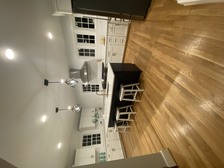
Hasan did an AMAZING job with my kitchen renovation. I needed cabinets (above refrigerator, tall pantry cabinet and under a kitchen bar) added to my townhouse kitchen. Hasan was hard working, courteous, patient and more than willing to help provide what I need within my budget and...
 H&H Carpentry LLC
I loved the work these guys did remodeling my bathroom. I really recommend them to my friends and family. My sister and I already hired them, as did my father.
 Robby Construction
I hired these guys. They rebuilt the kitchen, bathroom, and almost the whole house. This is incredible. Thanks to these guys. I recommend it to everyone
I recently hired Re-Design Renovations & Remodeling to install new piping under my master bathroom sink, which was unusable since I bought my home 2 years ago. They performed the job very efficiently and the process was smooth and affordable. I couldn't be more pleased with their...
This was a great experience. I called to have fixtures in my bathroom and kitchen replaced. They came to my house within 30 minutes, gave me an estimate, offered to do the work right away, went to the hardware store to pick up parts I did not have and did a very thorough clean up when the...
 EBENEZER PLUMBING & DRAIN
From average costs to expert advice, get all the answers you need to get your job done.
One of the best ways to expand your home is to build up. That said, the cost of adding a second story in Washington, DC, can range. We'll break it down here.

Whether you're dreaming up a new office or a peaceful sunroom, home addition costs will shape your design. Learn how much a home addition costs in Washington, D.C.
One of the best ways to expand your home is to build up. Let’s break down the cost to add a second story in Los Angeles, CA.
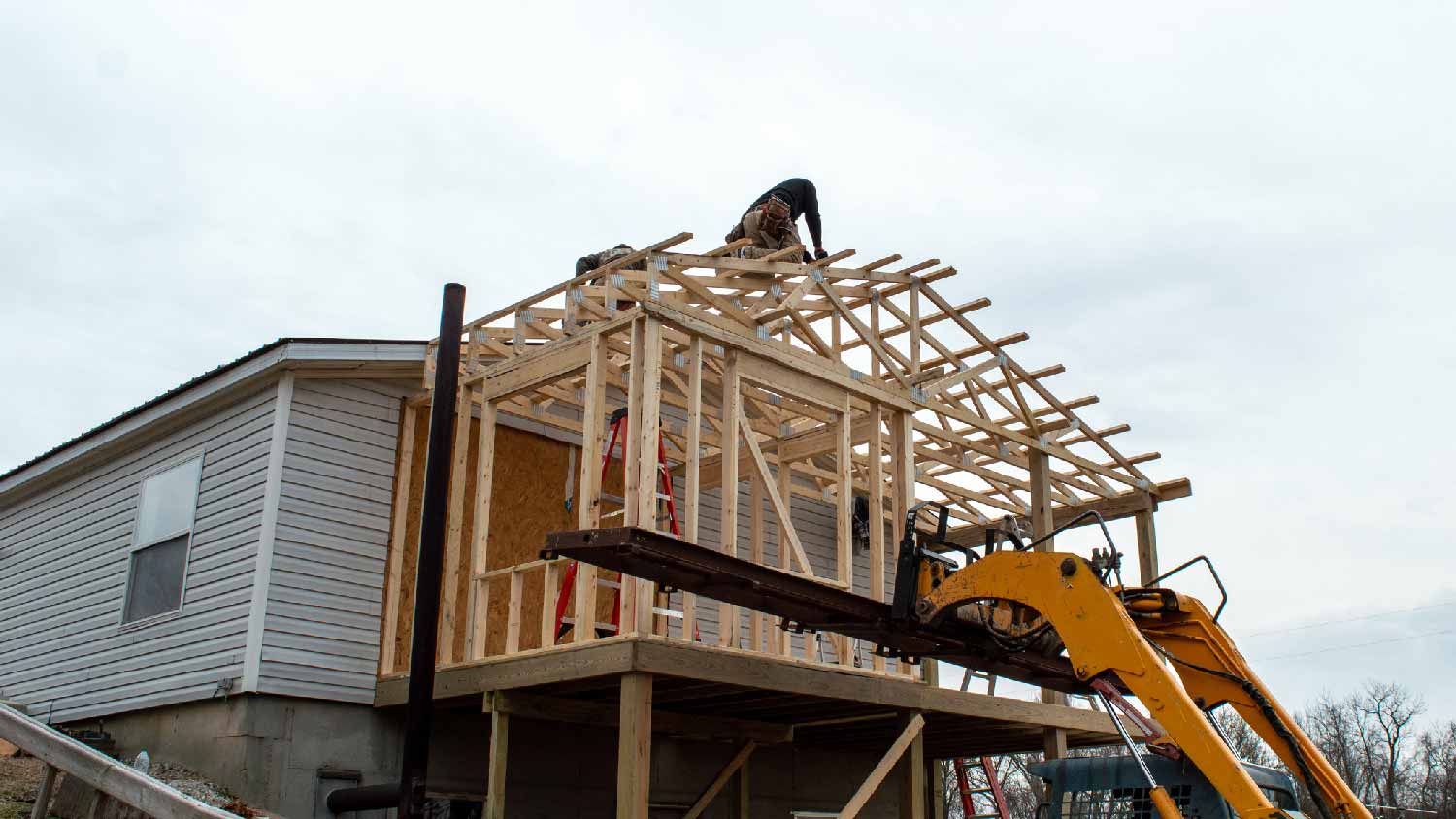
Learn who to hire for a second story addition—compare general contractors, architects, and design-build firms, then choose the right team for your home.
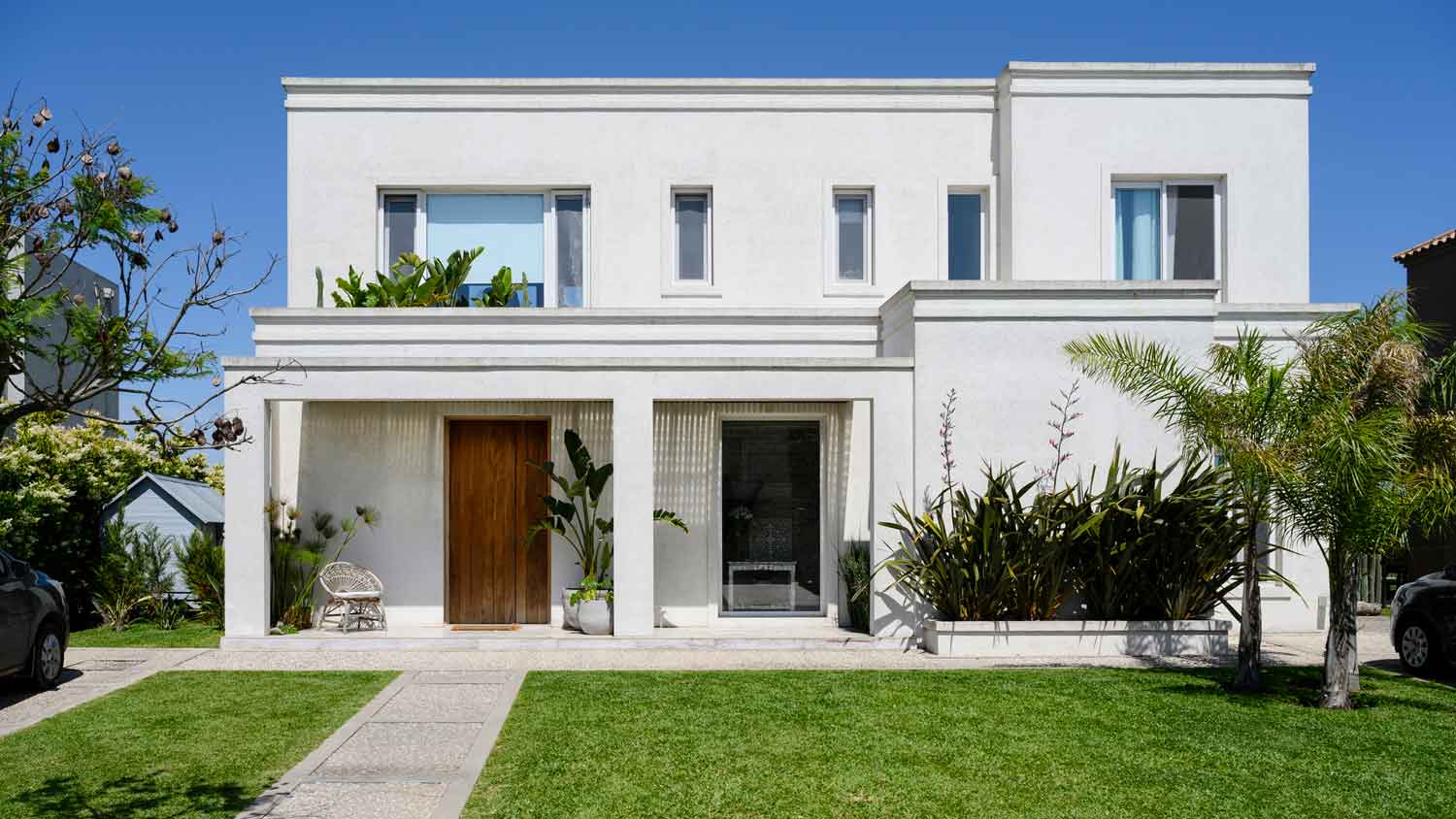
Adding a second story to a house is a great way to get the space you need without uprooting your family. Find out everything you need to know here.
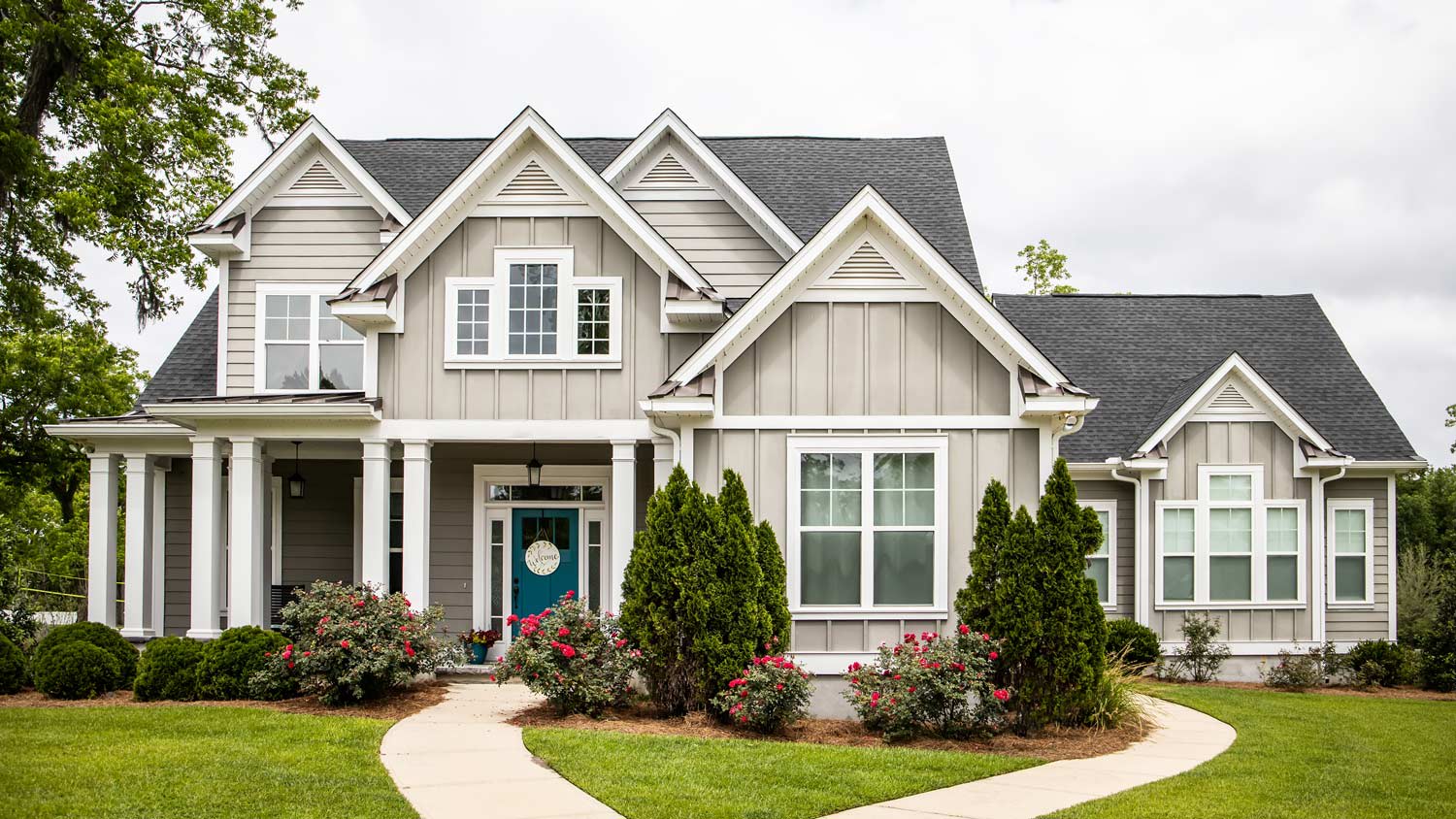
Learn the essential foundation requirements for adding a second-story addition to your home, how much it costs, and other considerations.