
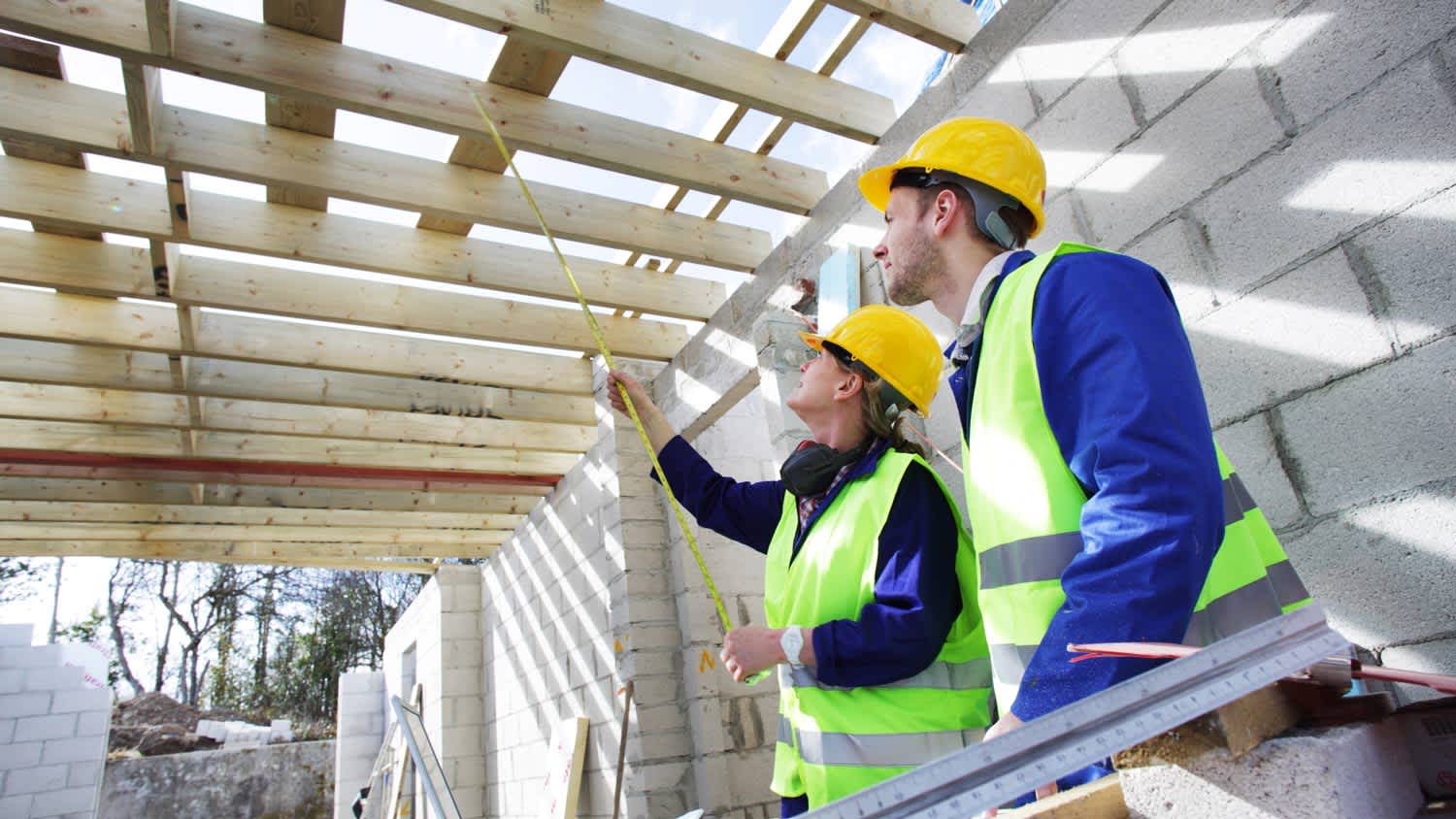
Building permits are essential. Here’s everything you need to know about building permit costs to budget accordingly for your building project.
Failing to obtain a permit for your home project can be a costly mistake

The penalty for building without a permit includes daily fines of $500 or more until you secure the required permit and comply with local building codes.
Expect to pay $10 to $2,000 for building permits depending on your project scope, and addressing unpermitted work early helps you avoid higher fines.
Your local building department can require you to demolish completed work if inspections reveal safety issues or code violations from unpermitted construction.
Hiring a local building professional provides reliable support with permit applications and ensures your project meets safety codes, protecting your home's value and your family.
If you’re a fan of binging home improvement shows, it’s tempting to tackle some DIYs over the weekend. But before you start knocking down walls, building a home addition, or adding new electrical sockets, take a few minutes to determine whether you need a permit for that. Failure to secure a permit for specific home improvement projects could cost you big time.
Building permits are not there to slow down the process but to make sure it runs successfully in the first place. A permit ensures that your project meets all local building codes, that the workers follow safety standards, and that the design serves the surrounding area. Some permits protect nearby structures, local drinking water, and local trees, for example.
Most importantly, you need a building permit to ensure no one gets hurt before or after the project. A permit confirms that a design is structurally sound and that the right professionals handle potentially dangerous work, such as working with electricity.
Despite the cost of a building permit—which averages about $1,600—a building permit will help you save money in the long run. Avoid fixing costly errors and maintain or raise your property value by ensuring the work is done correctly.
If you’re itching to start on your next project, spending several hundred dollars and waiting up to six weeks to begin might be a buzzkill. Some homeowners even skip the permitting process because they don’t want to wait. But, if you go ahead with your project, there could be expensive consequences.
If (when) the local building department discovers that you’ve been working without a permit, they may notify you to cease work until you receive the proper building permit. You may be charged $500 or more daily for violating building permit laws. Your county can also put a lien on your home if you don’t pay the fine.
Depending on the type of project, your county building department may ask you to demolish any work you’ve done. If, during a later inspection, a home inspector discovers issues that could compromise the safety of your home, the county may require that you demolish the entire project or pay to hire a professional to update the work properly. For example, if you need several permits to renovate a kitchen, and the last thing you need is to backtrack on all that work after the fact,
If you didn’t read your homeowners’ insurance paperwork carefully, you might be surprised to learn that unpermitted work could void your homeowner’s insurance. Your homeowners’ insurance company likely won’t pay for damages caused by unpermitted work. The insurance company won’t cover injuries sustained on your property related to the unpermitted project.
Completing home improvement projects to increase the value of your home is an excellent idea—unless you make the improvements without a permit. If a project (like the addition of a deck or privacy fence) occurred without the required permits, those updates wouldn’t improve the home’s value.
You are required, by law, to disclose any renovations or remodeling on the property. When you try to sell your home, you may be required to retroactively pay for permits for the improvements.
Housing departments have permitting requirements for various reasons. The primary concern with building permits is safety, zoning, and building codes. Depending on the project, the city may require periodic inspections to ensure safety and code compliance.
Most importantly, you risk safety issues when you complete work without a permit or hire someone willing to do the job without the proper licenses. Poorly executed electrical or plumbing work could be dangerous and expensive, so you want to ensure the work is top-notch.
Plenty of DIY and pro-jobs can go ahead without the town's stamp of approval. For the most part, decorative changes to your home that do not alter your house's plumbing, electrical wiring, or structural elements can go ahead without a permit—obviously, with exceptions. In the end, it's always best to double-check. Even though most contractors will do this leg work for you, the homeowner is ultimately responsible for pulling permits.
All this being said, here are some projects that are a safe bet to be permit-free:
Landscape maintenance
Adding decorative tile to floors, walls, and countertops
Add a stone walkway
Plastering holes in your wall
Completing a project without a permit could result in major fines or having to tear it down and start over. A reputable contractor can pull the necessary permits for you prior to starting a project.

Exquisite workmanship from Custom Paint Jobs LLC. My home has never looked better.
 Custom Paint Jobs, LLC
Visited my home for estimate same day that I called. Painted on Saturday. Great job. Good price!
Window Depot did an amazing job on my deck. I wasnt sure what I wanted to do, but their composite decking was affordable and will last a long time. I am excited to have family over, and I am no longer embarrassed by my backyard. Jeff and the ground crew were polite, respectful, and caring for...
 Window Depot USA of Central Ohio
The guys did an outstanding job and we had a great experience with CarifaTile. I appreciated that Joe reviewed the quotes with me and set expectations prior to the install. The crews showed up as scheduled and always left the areas clean upon leaving the house. We will definitely use...
 CarifaTile
Beginning with the estimate, Larry and Peyton were super helpful in getting my new condo's interior re-painted. Not only was the job well done, but also done in a super timely manner as promised.
 Five Star Painting of Plain City and Powell
BJ Trim Carpentry rescued me in the middle of a do-it-yourself project. I found I needed more expertise than I had...and more TOOLS! BJ Trim Carpentry responded quickly and completed what I needed expertly, politely and with a little humor!
This brownstone is historical and the carpentry work is very detailed. I was very happy to secure a company in NY and living in OH to complete the request. Wood work on this brownstone has been existing since approximately 1888 and West side did a GREAT JOB. I will not be able to...
 Westside Home Improvement
We had a great experience with Mark Rodgers Construction. We were in the process of seeking out estimates for possible foundation work for our front porch. Mark came out himself to provide the estimate. Turned out that the company deals mainly with concrete, so we wouldn't be getting an...
 Mark Rodgers Construction
Overall this experience was incredible! I looked on Angies List for a cleaning service because I was planning a holiday party and wanted to make sure we found a reliable, thorough and efficient cleaning service to make sure everything was perfect for the party since we had co-workers and...
From beginning to end our experience with Joe was very good. He was professional and prompt in his estimate for the job and worked hard to meet our schedule so that he could remove our old backsplash the day before our new countertops were removed and return shortly after they were removed to...
From average costs to expert advice, get all the answers you need to get your job done.
Building permits are essential. Here’s everything you need to know about building permit costs to budget accordingly for your building project.
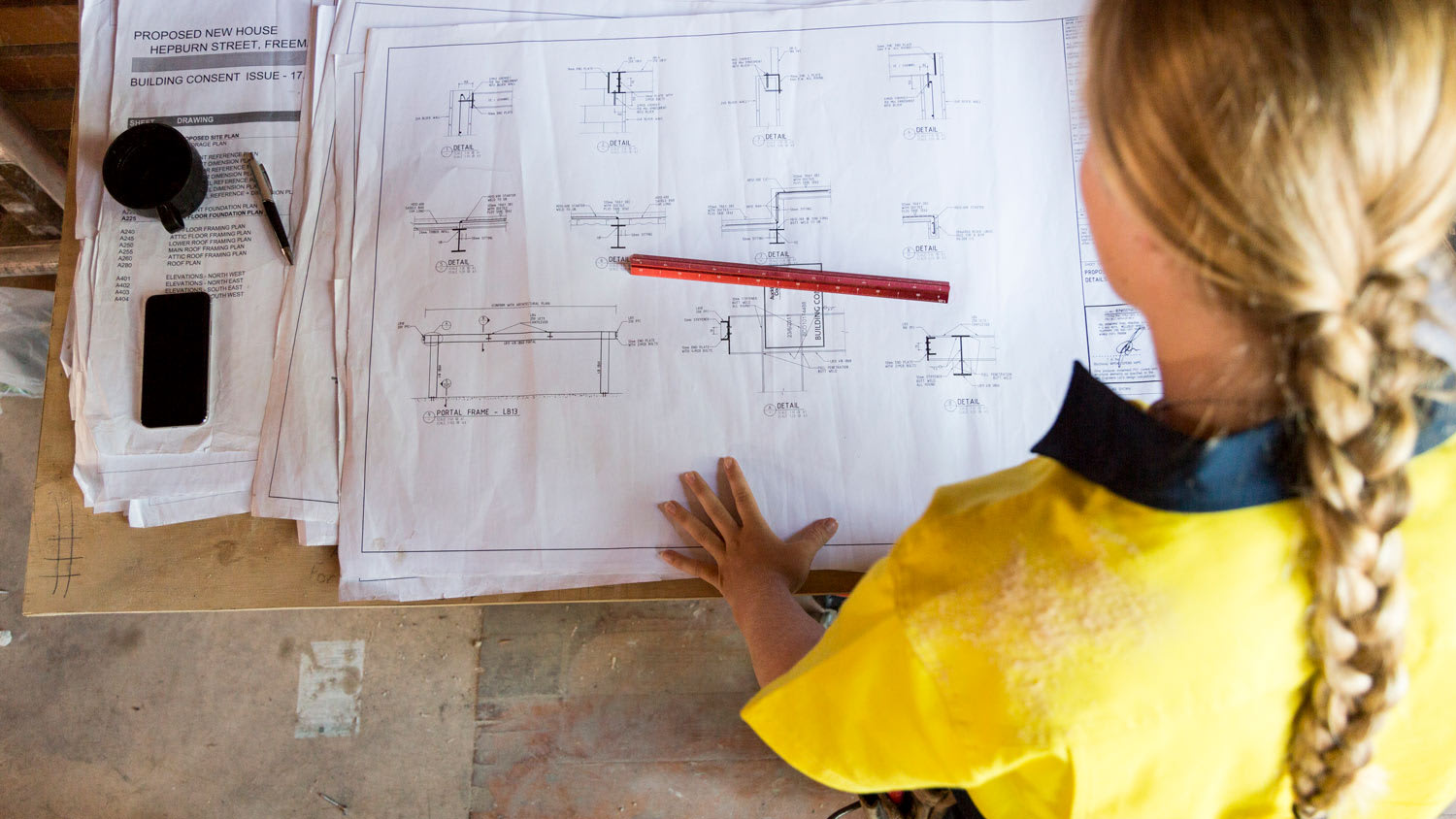
How much do contractors charge to pull permits for different types of projects? Permit cost varies by project value and local building departments. Permits are important to protect against fines, lawsuits, and a bad general contractor reputation.
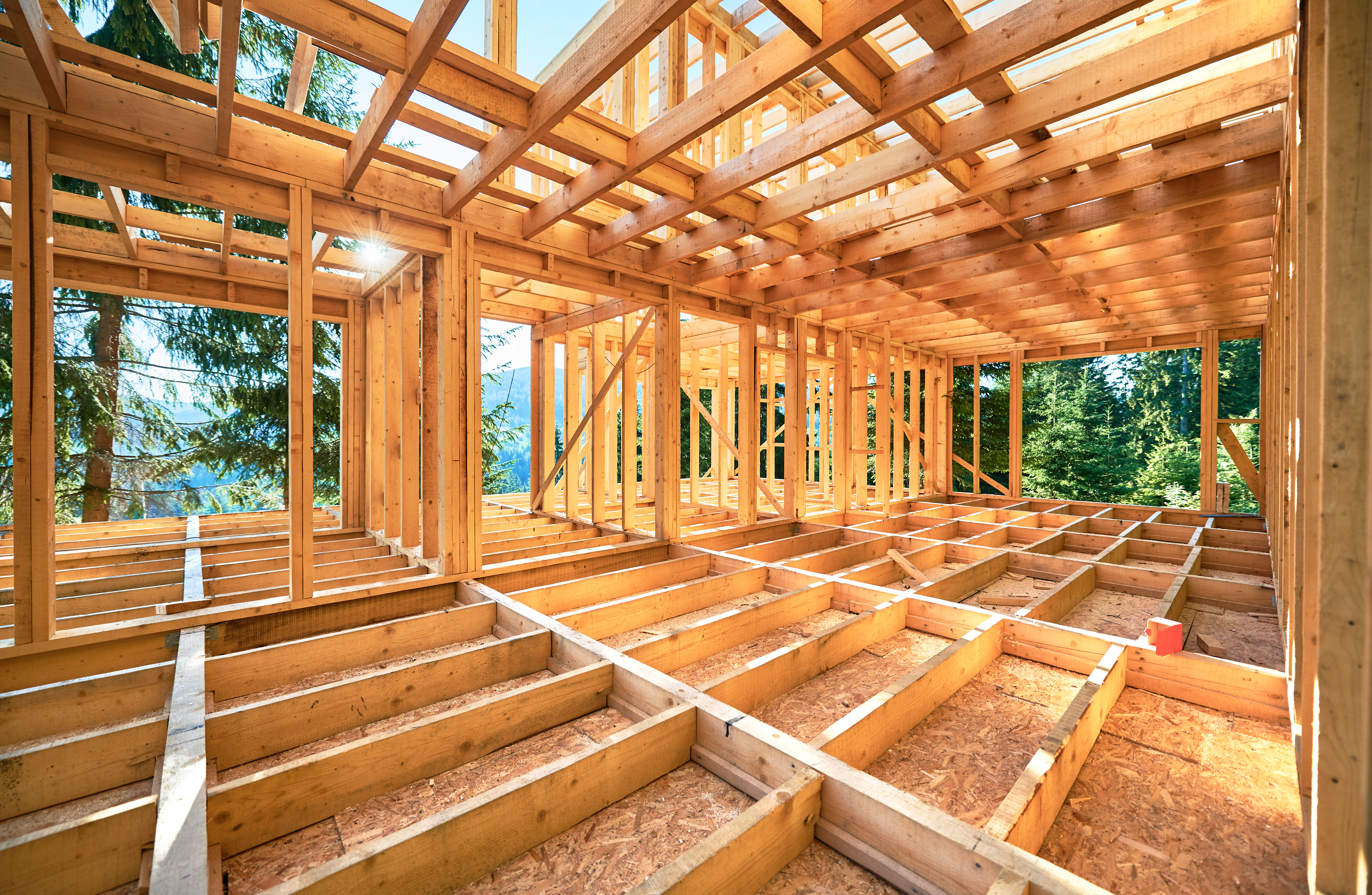
If contractors don’t pull permits, homeowners are responsible for obtaining them after the fact. Learn more about how to get a permit after work is done or ongoing.

Before breaking ground or tearing down that wall, consider an important question: when do you need a building permit for your project? Here's what to know.
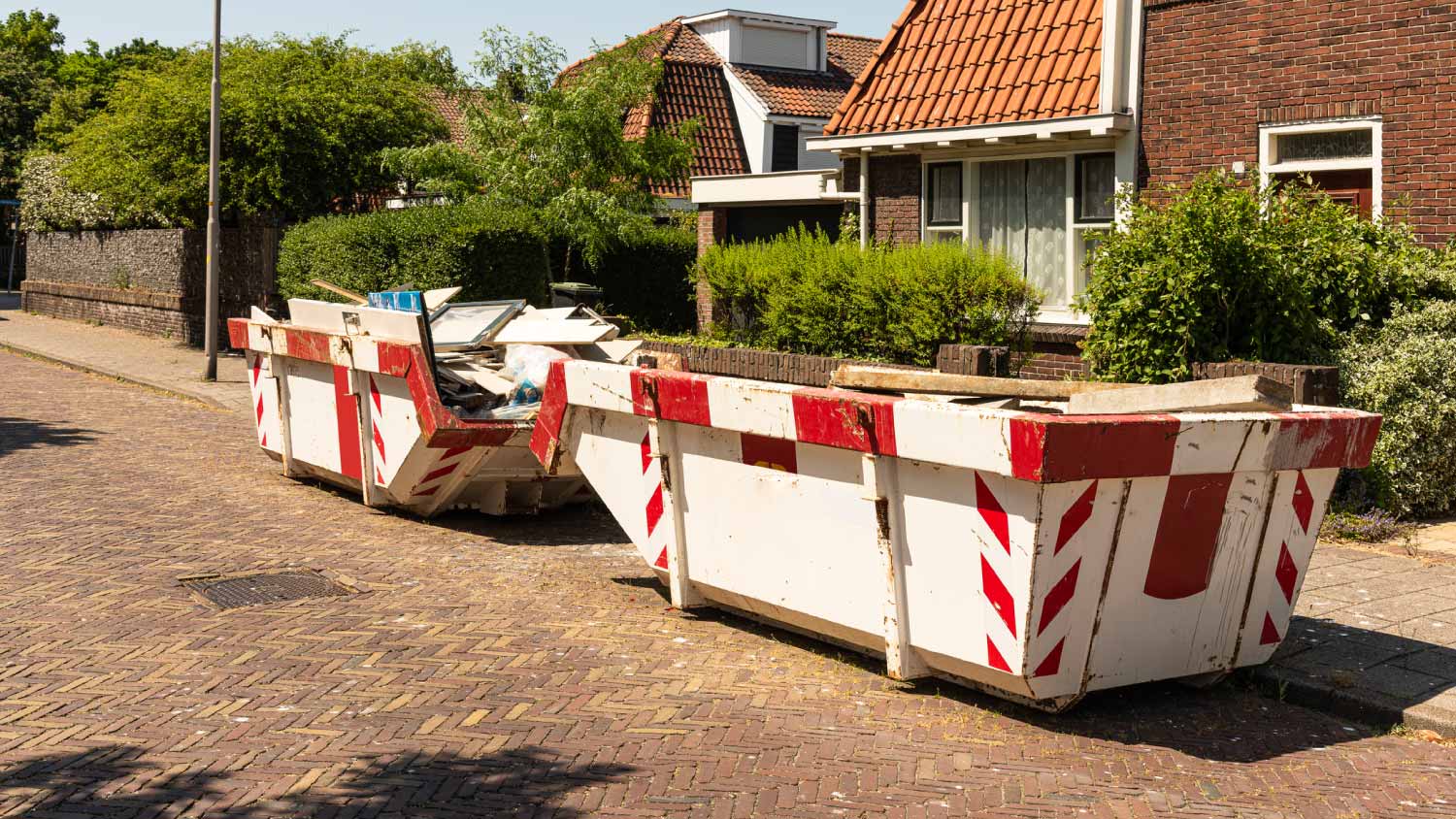
There are several situations where you will need a permit for dumpster rental, especially if it blocks traffic.

If you want to know who pays for building permits, the answer is pretty simple: you do. However, the person responsible for obtaining the permit depends on who is doing the project. Here are some things you should consider about building permitting.