

A damaged septic system can leak odors and sewage, so repairs are urgent. Find out how much septic tank repair costs based on repair type, tank size, and more.
Don’t waste time on the wrong septic system

Both cistern tanks and septic tanks hold wastewater underground near your home, but cisterns need monthly pumping while septic tanks last three to five years.
Expect to pay $6,500 to $8,000 for cistern installation or $3,500 to $12,000 for a septic system, with pumping costs ranging from $300 to $600.
Your water usage determines the best system for your home, as weekend cottages work well with cisterns while full-time homes benefit from septic filtration.
Hiring a local septic tank company keeps installation and pumping on track, helping you choose the right system and maintain it properly for years.
If you’re looking for a new septic system, there can be a lot of options to sift through, especially when most of them just look like big underground tanks. Take a closer look at two of these underground tanks—cisterns and septic tanks— and examine the differences between these popular septic system options to help you find the best one for your home.

Cisterns and septic tanks are both sturdy tanks designed to hold liquids. They’re typically placed underground within a close distance of the house so that wastewater can travel quickly into the tank.
The primary difference between cisterns and septic tanks is that cisterns are designed to hold drinkable water and need to be emptied and refilled. Septic tanks are meant to hold wastewater and are emptied far less frequently.
| Purpose | Drinking water or sewage | Sewage |
| Materials | Concrete, fiberglass, steel, or plastic | Concrete or fiberglass |
| Location | Above or below ground | Below ground |
| Safety Ratings | FDA-approved | Not FDA-approved |
| Construction | Single tank with inflow and one opening | Divided tank with inflow, two openings, and outflow |
| Filtration | No filtration | Basic waste filtration |
| Internal Pressure | Can handle changes in pressure and fill amount | Can’t handle large pressure changes |
| Installation Cost | Average of $7,000 | Average of $8,000 |
| Maintenance | Pumped once a month | Pumped 3 – 5 years |
Although cisterns can be used as a sewage system to hold wastewater, that’s not their primary purpose—they’re mainly used to hold fresh, clean water that can be used for drinking water for a home or business or as fresh water for animals and agriculture. A cistern’s water source is often rainwater. Some people even use rainwater cisterns as an alternative to wells for a drinking water source.
Septic tanks have one dedicated purpose—holding sewage, specifically two types of wastewater: graywater and blackwater.
Graywater is water that’s been used in your home and may contain things like soaps and cleaning products but is unlikely to contain any large amounts of bacteria. This type of water can be reused for non-drinking purposes like flushing toilets and cleaning cars.
Blackwater is wastewater that has a high bacteria content. This type of water isn’t safe to reuse without further treatment, like a filtration and cleaning process after it’s removed from your septic tank.
Most cisterns are most often made up of either concrete or plastic. You can find some made of fiberglass or steel, as well.
Plastic cisterns are lighter and easier to transport and may be located above ground to store drinking water.
Concrete cisterns are sturdier and are preferred for underground use.
Some concrete cisterns are even strong enough that you can drive on top of them, which makes it easy to place them almost anywhere on your property.
Septic tanks are usually made from concrete, though they may also include fiberglass. They’re also buried underground. Although they’re sturdy, it’s not recommended to place them anywhere where machinery or vehicles might drive on top of them so you don’t run the risk of costly septic tank repairs.
Since cisterns are most often used to hold water that’s of drinking quality, they’re required to meet FDA regulations for human consumption. Septic tanks only hold wastewater, so the materials used don’t need to meet any consumption standards.
Since cisterns are designed to hold liquids, they don’t have any extras. A cistern includes:
A single big tank
A separate input pipe for sewage, when it’s used for holding waste
No filtration system
Septic tanks are specifically intended for sewage, so they have a bit more to their makeup. Septic tanks include:
Internal compartments to help separate wastewater
An inflow pipe that opens into the first chamber
A partition wall that discourages solid waste from flowing into the second compartment
An outflow pipe, which is protected by a basic filtration system to prevent solids from entering the pipe
An initial filtration process for sewage so that cleaner liquids can be directed out of the tank and into the environment
An external leach field that returns the filtered wastewater back into the soil
Cisterns are designed to be regularly emptied and refilled, so they’re built with extra reinforcements to handle the changes in pressure. This reinforcement minimizes the risk of any structural failure in the walls.
Septic tanks are intended to stay consistently filled since the filtration system allows for outflow as well as inflow. As a result, they’re not designed for large pressure changes and don’t have the same structural reinforcement as a cistern.
Cistern systems are simpler to install than septic tanks and therefore generally cost less. Depending on the size, installing a cistern can range from $6,500 to $8,000, with an average of about $7,000.
The cost to install a new septic tank system can range from $3,500 to $12,000, with an average cost of about $8,000. Septic system installation includes the septic tank and the leach field.
Since septic cisterns don’t have any way for water to exit, they fill up much more quickly than septic tanks. In many cases, cisterns need to be pumped out about once a month, though that can vary by a few weeks, depending on the size of your tank and your home’s water usage. Cistern pumping usually costs between $300 to $600.
A septic tank requires a little less maintenance and should be pumped out every 3 to 5 years. On average, the cost of pumping a septic tank is about $400, though it can range from $300 to $600.

Cisterns and septic tanks both offer underground storage for wastewater, and both septic system types tend to be sturdy and reliable. The biggest decision-making factor when choosing between the two sewage systems is the volume of water you produce in your home.
Although septic tanks have a steeper installation cost, they have much lower maintenance fees in the long run. This is because the filtration and outflow system allows the tank to fill up more slowly than cisterns that have no way for wastewater to exit.
If you’re building a sewage containment system for a cottage or weekend home where you only use a little bit of water, cisterns are convenient and affordable. You also don’t need to plan for extra space for a leach field.
However, if you’re looking for a full-time water treatment system and you live in a home that has multiple water fixtures like taps, toilets, showers, and laundry machines, the costs to constantly empty a cistern can add up quickly. You’re usually better off installing a septic tank that can process wastewater through a drainage system and only needs to be fully pumped every 3 to 5 years.
No matter which you choose (or if you’re having trouble choosing and need a little help), a local septic tank company near you can handle all types of septic system installations, maintenance, and pumping for both cisterns and septic tanks so you can rest assured your sewage won’t become a problem later on.
I recently moved to another state and chose United Trust Van Lines after comparing several companies. Their team was punctual, professional, and extremely careful with my belongings. I was especially impressed with how they handled my home office setup and fragile items. Everything arrived on...
 United Trust Van Lines, LLC
Positive experience. As previously stated, the replacement/repair could not be completed (no fault of the plumbing tech) b/c misinformation was rec?d by property management maintenance. Thanks to the plumbing tech for your efforts. Appreciate you!
 The Waterworks
As usual with ECO, tech Jordan was outstanding, very professional, very knowledgeable, and very thorough with repairs made to tankless water heaters. Very highly recommend ECO!!!
 Eco Plumbers, Electricians, and HVAC Technicians
I would recommend this company to anyone! He showed up on time, was friendly, completed a very difficult repair on our dryer vent cover, was responsive, and pricing was extremely fair and competitive. I would have him back to do any of our repairs or cleanings without hesitation!
 U.S.A. Dryer Vent, LLC
Best cleaning I've had at my property
I'm a repeat customer of All Star Paving & Sealing and I appreciate the service that all start paving has done for me in the past. I just recently had them out for an estimate and things couldn't have gone better. The staff that they send out to do the estimates are very knowledgeable. The...
 All Star Paving and Sealing
Supreme Brick & Chimney is one of the best service providers I’ve interacted with. Extremely efficient, knowledgeable, and thorough. They took the time to walk me through their detailed full-service inspection and were extremely professional. Not to mention their turnaround time was...
 Supreme brick & chimney
They were great! They were thorough and efficient and paid attention to the details. Definitely recommend. I'm definitely going back!
 FIFI'S EARTH FRIENDLY CLEANING
Storms Mobile Welding was great to work with. They were prompt, professional and did an overall excellent job on the project. I highly recommend.
Great experience all together. Dog friendly, courteous, great results and honest with recommendations. Will certainly be using Cardinal in the future for any carpet repairs
 Cardinal Carpet Care & Repair
From average costs to expert advice, get all the answers you need to get your job done.
A damaged septic system can leak odors and sewage, so repairs are urgent. Find out how much septic tank repair costs based on repair type, tank size, and more.
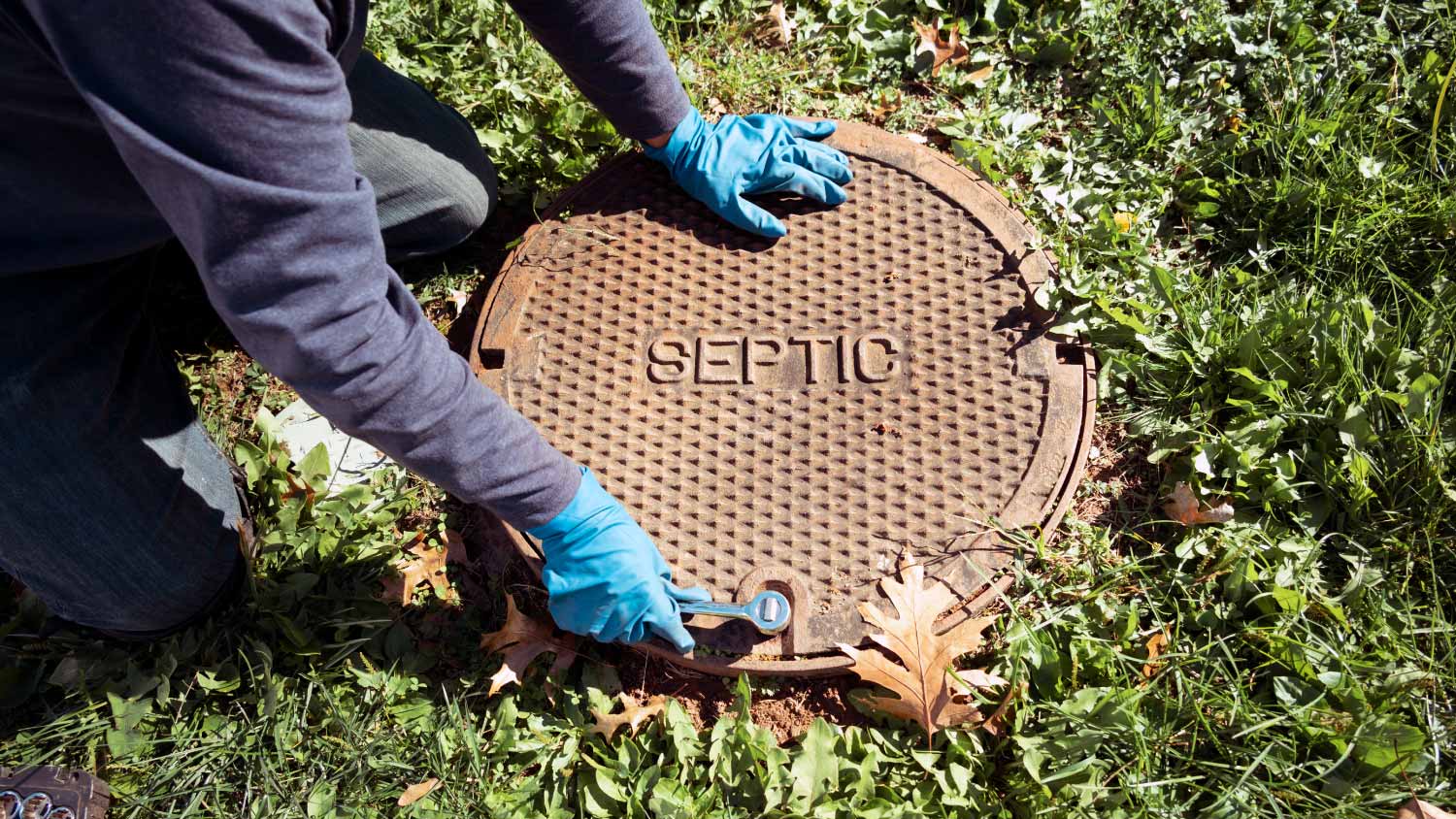
Rural homeowners need to consider how to handle wastewater. Find out whether a holding tank versus a septic tank is right for you with this guide.

If you’ve never lived in a house with a septic system before, you might be wondering: Are septic tanks bad? Here are some of the pros and cons.

Septic tank sizes vary depending on the size of your home, how many people live there, how much water you use, and more. Read on to learn how to determine the right size for you.
It’s crucial to install a septic tank with the right volume to avoid wastewater backups. This guide will help you calculate the right septic tank volume.
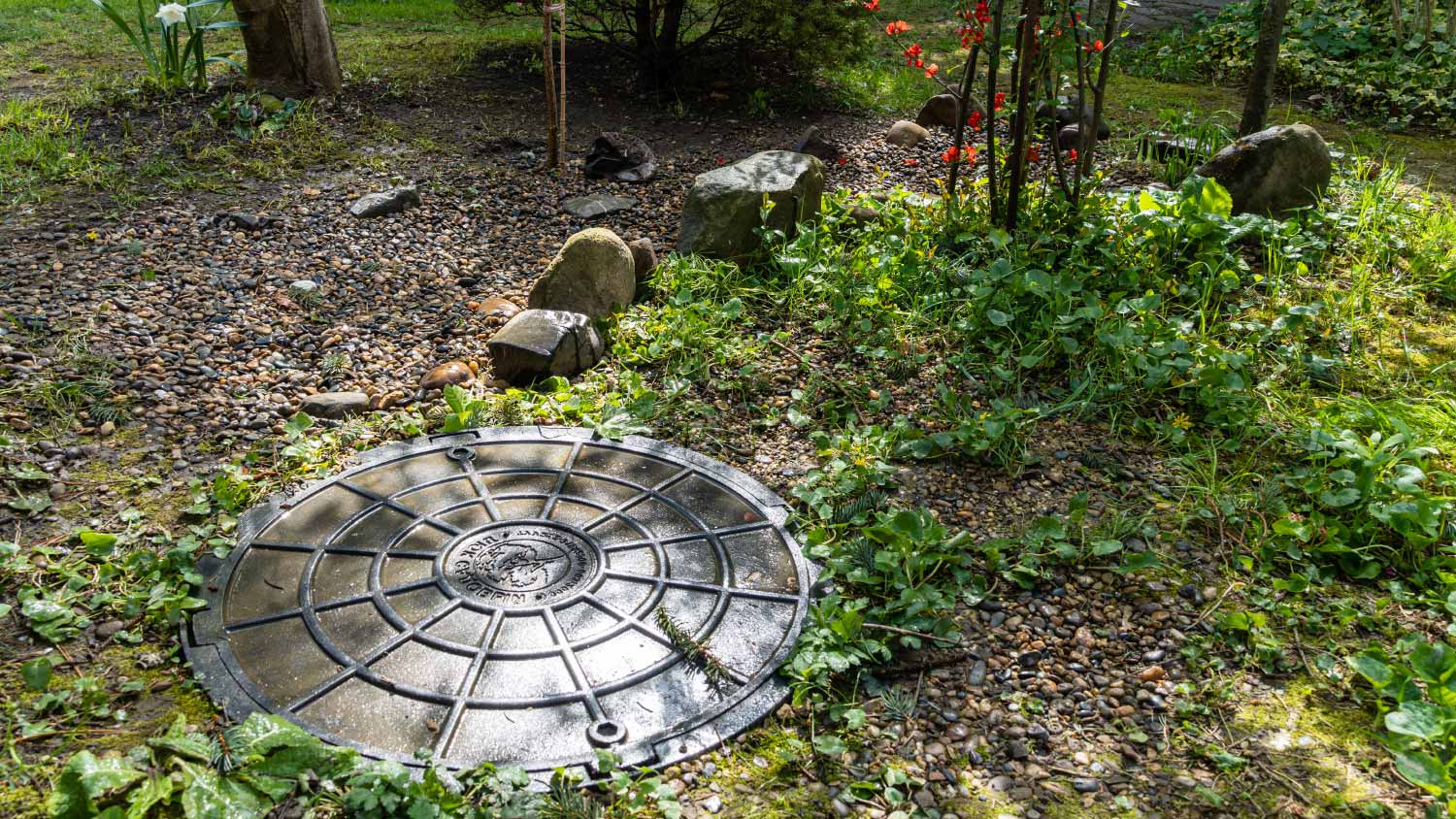
What is a septic tank? It might be smelly, but it’s got a vital job to do! Dive into this important part of your home systems and see how it works for you.