

Cisterns can save you money and help the environment. So what’s the cost of a cistern and how does it compare to other rainwater collection systems?
Keep your water supply nearby

A cistern collects and stores rainwater from your roof in a large tank, providing you with a private water supply for household tasks and garden irrigation.
Expect to pay $12,000 to $21,000 for in-ground cistern installation, while above-ground tanks cost $70 to $6,000 depending on size and material.
Calculate your household water demand by estimating monthly gallons used, then multiply by four to find the minimum tank capacity you need for your home.
Hiring a local well pump professional helps you choose the right tank size and ensures proper installation without contamination, keeping your water supply safe and reliable.
If you find yourself at the mercy of high water bills, extreme weather, or frequent droughts, a water cistern may be a useful addition to your home. By collecting rainwater from your roof, you can create a private water supply to use for household tasks, garden irrigation, or even drinking. Read on to discover the different types of cisterns and how to install them in your home on your own or with a professional’s help.
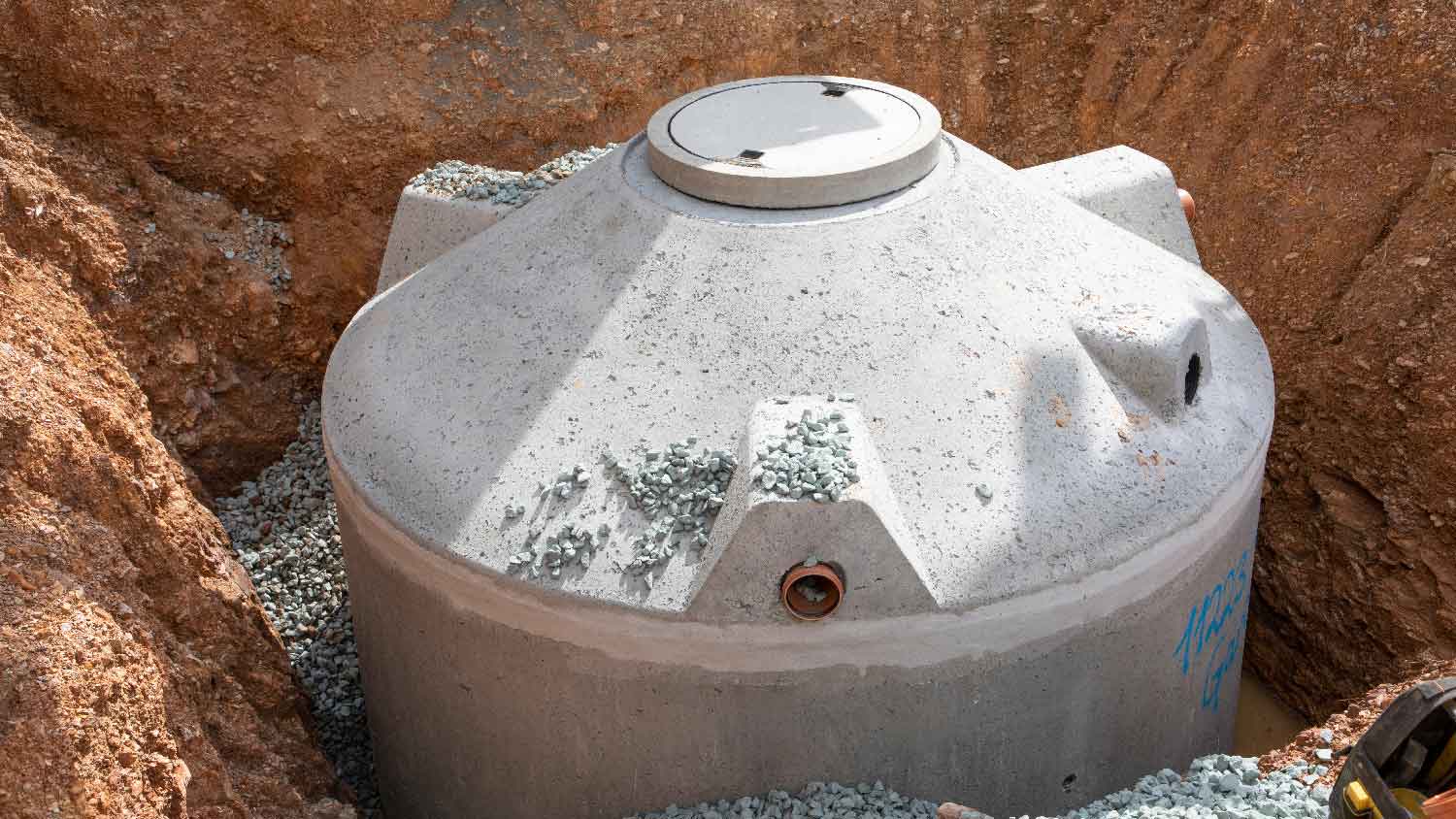
A cistern is a water collection system that stores rainwater for household use. It uses a large tank that can be made from fiberglass, wood, steel, or concrete. When rainwater falls on a rooftop, it flows into pipes that empty into the tank. Leaves, dirt, and debris are filtered through mesh screens to keep the water as clean as possible.
The water that’s collected is stored in the tank for use in your home and garden. The tank keeps it safe from animals, insects, and temperature changes. You can access the water through a hand pump, drainage system, or electric pump.
There are two main types of cisterns: in-ground and above-ground. In-ground systems are much more costly and need to be installed by a professional, whereas above-ground systems can be a cost-effective option that you can install yourself.

In-ground cisterns are best for frigid temperatures or for collecting a large amount of water. These cisterns involve a complex installation process that is best left to the pros. Contractors will begin by calculating the size of the cistern needed and then excavating a hole of that size for the tank. They will also attach underground plumbing to the tank that brings rainwater underground.
The average cost of installing an in-ground cistern ranges from $12,000 to $21,000 and will include excavating costs, water system costs, regrading costs, labor costs, and piping costs. The total cost will depend on the size of your tank, piping complexity, and the materials used.

Above-ground cisterns are a much more cost-effective and less invasive option for those with smaller water-storage needs. They use a large tank that’s installed next to your property. It works with your existing roof, gutters, and downspouts to store rainwater.
The average cost of an above-ground cistern ranges from $70 to $6,000, depending on the size and material of the tank. Steel and concrete tanks are often the most extensive, whereas plastic and fiberglass tanks are less costly.
| Cistern Type (5,000 Gallon Size) | Cost Range |
|---|---|
| Polyethylene | $2,000 – $4,000 |
| Fiberglass | $2,000 – $5,000 |
| Steel | $3,000 – $6,000 |
| Concrete | $3,000 – $6,000 |
Installing an above-ground cistern can be done on your own. After choosing your tank material, follow the steps below to find the best tank size, the correct pump, and a downspout so your cistern is ready for the next rainfall.
Before installing your above-ground cistern, you’ll need to choose the tank size that’s best for your household. To find the correct size, calculate your household water demand by estimating how many gallons of water you use every month. Use the table below to calculate the gallons used from common activities every week.
| Activity | Gallons of Water Used |
|---|---|
| One load of laundry | 20 gallons |
| Taking a bath | 20 gallons |
| Taking a shower | 10 gallons |
| Flushing the toilet | 3 gallons |
Once you have that number, multiply it by four to find your monthly demand amount. This number is the minimum tank capacity you’ll need for your home. It’s recommended to choose a larger cistern than the amount you need (instead of a slightly smaller one) so you won’t have to transport water to the holding tank as often.
Now that you have your tank size, it’s time to select a pump. The pump will move water from your tank to the home water inlet. The pump needs to have a maximum capable output that exceeds the distance of your water line. For example, if your water line is 25 feet long, you’ll need a pump with an output of 25 feet or more.
After you get the right pump, join the inlet or suction to the bottom of your cistern. This is done by using pipe fittings or PVC plastic to create a connection. The pump outlet should be attached to a hose that connects to the demand point.
The next step is to attach a downspout that will transfer water to the tank. The downspout will attach from your gutters to the top of the holding tank, allowing rainwater to collect.
You can purchase a downspout from your local hardware store for around $15. Once your downspout is connected, all you need to do is wait for a rainy day to fill your cistern!
Performing regular maintenance is important to keep your cistern water clean and flowing. Here are some maintenance steps that are done at different times of the year:
Conduct a water test twice a year to ensure that your water isn’t contaminated. Contamination can occur from sources such as cracks, bacterial growth, pollution, and roof debris.
If your water is contaminated, discolored, or has a foul odor, drain, sanitize, and refill the cistern. It’s recommended to have this done by a professional to ensure there isn’t re-contamination.
If you live in an area with frigid temperatures, insulate your cistern to prevent freezing. You can use a heat bulb or apply a layer of foam insulation around the tank.
The difficulty of installing a cistern largely depends on the type and size of cistern you need. In-ground cisterns should almost always be done by a professional as they require heavy machinery, ground excavation, and advanced plumbing techniques.
Above-ground DIY cistern installations are a much easier task to take on and can be done on your own if you have the correct tools and knowledge. However, if you feel uneasy about taking on the job, hiring a local well pump contractor near you is always a safe choice. They’ll be able to assess the installation area, help you choose the right size tank, complete the installation, and make sure everything is working correctly without contamination.
I have used Columbus Worthington Air for years and recommend them whenever I have a chance. The staff is quick, courteous, and well-trained.
 ARS Columbus Worthington Air
This service was great. My air conditioner went out during the heat spell that we had. My husband has health issues and they came out that night and at 9:30pm the air conditioner was fixed and running. We are sooo very thankful, this is the company I will be using from now on and would...
 Mr. Mechanical Ohio
Joseph did a great job with the staircase and trim. Timely and efficient, clear communication about the work, very fair pricing. For the stairs in particular, done very skillfully in an old house (1893) in a tight spiral, and very creative with how to do the handrail. Did a nice job with...
 Vouis Trim Carpentry L.L.C.
Great experience!! Dion was prompt, professional and very polite. He is hands down the best plumber I have ever used.
 Mercenary Remodeling & Handyworks
Cole has been handling plumbing and general contracting for our four properties over the past three years, and he’s always done a great job. Most recently, he installed a sink and countertop in our retail store where none existed before, and it turned out exactly how we needed. He’s...
 ANB Renovations LLC
Matt is a consummate professional. The work turned out to be far more difficult than expected and rather than turn the job down, Matt rose to the occasion and completed a near impossible task. I can not recommend Greene's Plumbing Service more highly. On a scale of 1-5 I would give Matt a...
 Greene's Plumbing Service
The technician was very professional and friendly. He answered all my questions and was very thorough. He left the fireplace area very clean . He inspected from the roof and advised me as to other work that might need to be done. There was no pressure there. I was very satisfied with the...
 Supreme brick & chimney
Custom Paint Jobs LLC pays attention to every detail, ensuring a job well done every time.
 Custom Paint Jobs, LLC
When we had the winter freeze, I called Quantum Waterworks Waterline & Drain Cleaning Services and within 1 hour I received an e-mail and he sent someone out the next day and he was on time, he was nice and did the job quickly and cleaned up after himself. We had a leak in our kitchen from...
 Quantum Waterworks Waterline & Drain Cleaning Services, LLC
From the beginning , every appointment was met with punctuality! The day of installation, they arrived on time and worked tirelessly all day until the job was finished. ( Even through a very heavy down pour) Ilia, the owner is a professional, knowledgeable, and fair man. He is absolutely, and...
 Window Depot USA of Central Ohio
From average costs to expert advice, get all the answers you need to get your job done.
Cisterns can save you money and help the environment. So what’s the cost of a cistern and how does it compare to other rainwater collection systems?

An in-law suite can add value to your home and provide space for additional family members. Use this guide to get an idea of how much it will cost to build an in-law suite.
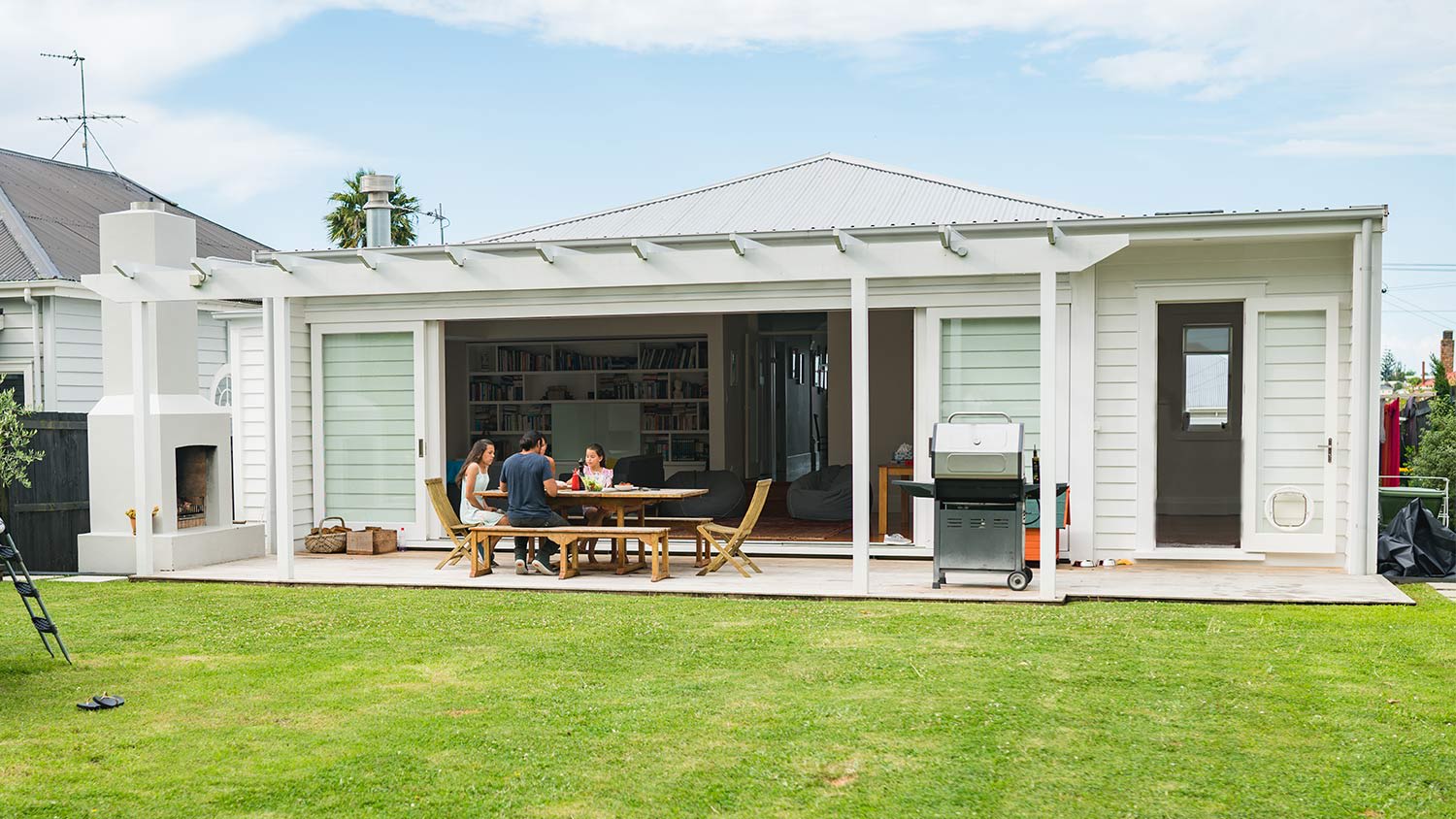
Dreaming of building your own home from the ground up? Learn how much it costs to build a house yourself and if it’s worth it to skip the pro on this project.

Learn how to make your cistern water drinkable with these quick DIY steps for a seamless transformation to private, clean, potable water.
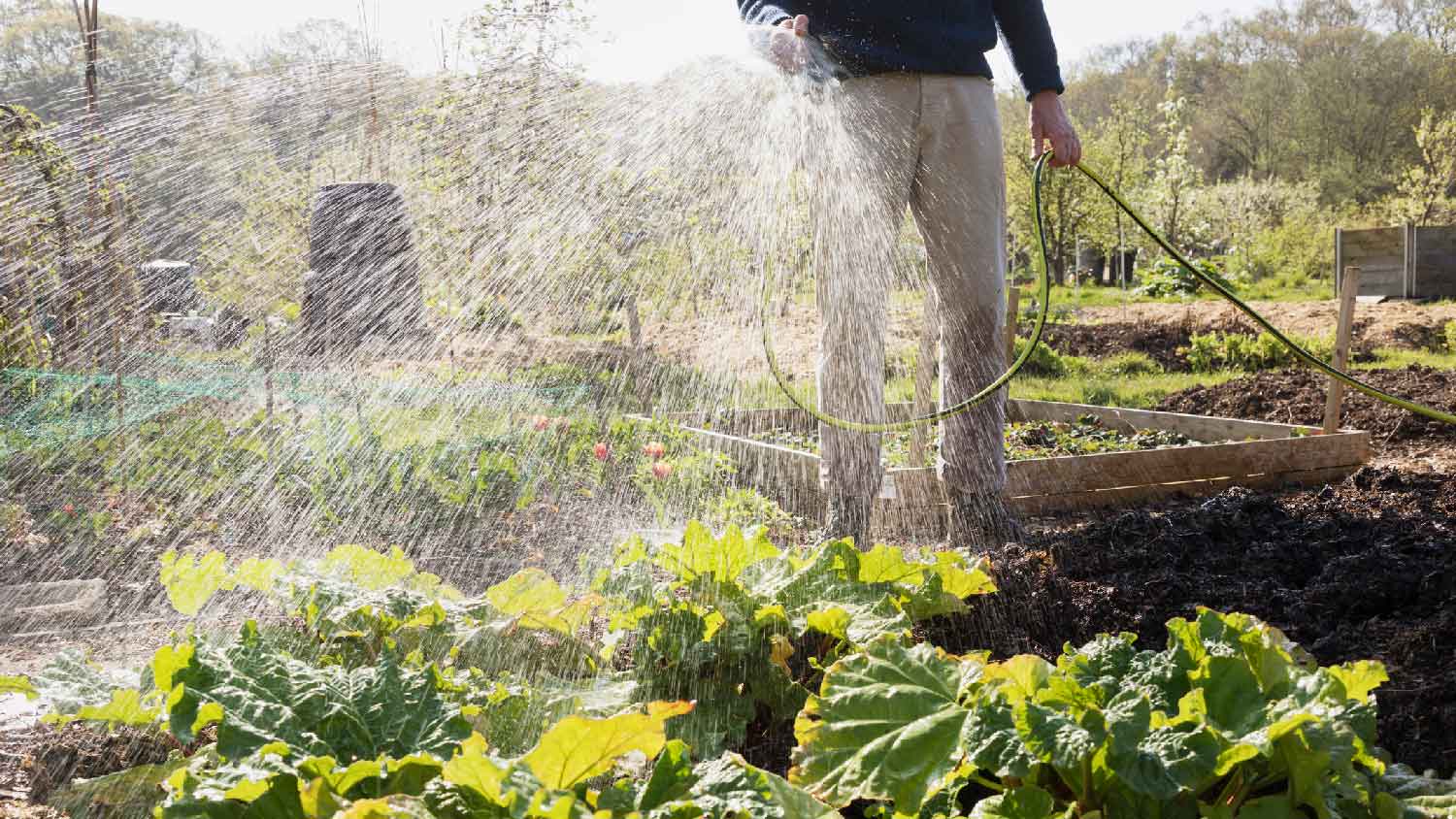
Unearth the answer to what is a cistern hole by finding out what they are, the typical installation cost, and how to make the water safe for consumption.
You don’t always need to rely on municipal water as your home’s main water source. Read this guide to discover what a cistern is and how it works.