

Attics need adequate ventilation between intake and exhaust vents. Too much or not enough ventilation can lead to roof damage and high utility bills.
A little smoke can tell you a whole lot about your attic's airflow

Proper attic ventilation checks show smoke moving inward at soffit vents and outward at roof vents, confirming your intake and exhaust system works together.
Your attic ventilation needs both intake vents at the eaves and exhaust vents at the roof peak to move air properly through the space.
You can conduct a simple smoke test by lighting incense near your attic vents and watching how the smoke travels to assess airflow patterns.
Hiring a local roof repair professional provides reliable guidance on ventilation issues and determines if your current airflow is adequate for your home.
When your attic is properly ventilated, your house is more resistant to mold and moisture damage, and your roof lasts longer. You’ll also save on energy bills, and your home will be more comfortable. A smoke test is a simple way to determine if your attic ventilation is working properly. The test involves a few steps to help locate air leaks and determine the amount of existing ventilation.
When your roof and soffit vents work in unison, hot air is removed, fresh air comes in, and airflow is created. Thanks to the insulation, your attic is sealed off from the rest of your house, so your attic vents don’t draw air from inside your home. Learn how to do a smoke test to check your attic’s ventilation in six easy steps below.
Project difficulty: 1/5
Time: 15 to 30 minutes
Tools and materials needed:
Incense or smoke stick
Lighter or match (if using incense)
Flashlight
Ladder (if you have high attic ceilings)
It’s best to conduct the smoke test on a day that isn’t super windy, because you want to see how air moves through your attic on a typical day. Beyond the smoke test, you can get a local roofing repair professional to come out and examine your home with infrared cameras.
Shut all the windows in your home before you do the test, so you can determine how well the attic ventilates on its own.
Power off any fans or HVAC equipment so you can properly assess how well your attic ventilates.
Bring a flashlight and incense or a smoke stick with you, along with a lighter or match if you need one. If your attic ceilings are high, you may want to stand on a ladder, so you can conduct the smoke test closer to the openings.
Now it’s time to light your smoke stick or incense. Hold it up close to the leaks and ventilation in your attic. Test near windows, doors, and around the cable and internet lines that run through your walls. If you puff the smoke a few feet away from the opening, you should be able to see where and how the smoke travels.

Take a close look at the movement of the smoke. Shine a flashlight or turn on lights to get a good view of where and how the smoke moves. If the smoke blows into the attic in some places and outside in others, your ventilation works well.
If the soffit vents are allowing air in, the smoke drifts inward. If not, you'll want to clean, replace, or unblock your soffit vents. The same goes for your roof vents. The smoke should be traveling outside.
The smoke test can give you a good idea of your home's existing attic ventilation, but it may take a roofing contractor or HVAC technician in your area to determine if the amount of airflow is enough, too little, or too much. A professional can also determine the best attic vent options for your home.
Your attic should be ventilated to help prolong your roof’s life, which is why it’s important for you to learn how to do a smoke test. When extra heat is trapped, it can melt the snow on your roof during the daytime and freeze overnight when the temperatures are low. This can lead to ice dams, interior leaking, and roof damage. Rusty nails, mildew, deterioration, and wood rot can also happen from a poorly ventilated attic.
Not only does poor ventilation harm your roof, but it's also harder for your home to maintain temperatures. You'll have to pay more for your energy bills, and your home might not be as comfortable as it could be.
There’s adequate attic ventilation if, when you conduct a smoke test, the smoke exits out the exhaust vent, and circulates near your intake or soffit vents.
You can tell if your soffit vents are working if you conduct a smoke test, and you can see the smoke moving inward, showing that air from the outside is flowing into your attic.

There are two main types of attic vents: intake and exhaust vents. Intake vents or soffit vents sit at the lowest part of the roof under the eaves and pull in cool air from outside. Exhaust vents at the peak of the roof remove the stale, stuffy air from the inside. Both types of vents are necessary to move air properly through the space.
Within exhaust and intake vents, there are several types of vents to choose from, such as ridge vents and gable vents. The best combination will depend on your house and location.
I have used Columbus Worthington Air for years and recommend them whenever I have a chance. The staff is quick, courteous, and well-trained.
 ARS Columbus Worthington Air
If you’re good people wanting to do business with good people, hire Matt. He is a consummate professional and utterly competent. He installed a water heater in my home at a price that beat competitors by hundreds of dollars with a promise to support the unit for its life (even after its 6 yr...
 Greene's Plumbing Services
Corey Carr was great. I had damage from a recent storm and needed to have my mast and other components replaced. The project entailed coordinating with AEP, and Corey helped make a stressful situation a lot less stressful. I really appreciated his dedication to service and the job very well done.
 Mr. Electric of Columbus
This service was great. My air conditioner went out during the heat spell that we had. My husband has health issues and they came out that night and at 9:30pm the air conditioner was fixed and running. We are sooo very thankful, this is the company I will be using from now on and would...
 Mr. Mechanical Ohio
Great company! Price was competitive, technician showed up on time and completed the job (exterior electric Radon fan replacement) quickly. Would hire them again.
 MaGen Property Inspections and Radon Mitigation
Raven and crew does absolutely fantastic job. They are very professional if any concerns were to occur with any of her work she always took responsibility and finished out with a great job. I have worked with her business for a year and have always been satisfied. Very trusted business and...
 Creations of Transformation LLC
I would recommend this company to anyone! He showed up on time, was friendly, completed a very difficult repair on our dryer vent cover, was responsive, and pricing was extremely fair and competitive. I would have him back to do any of our repairs or cleanings without hesitation!
 U.S.A. Dryer Vent, LLC
Ace Fireplace Services' chimney sweep service is truly exceptional. They used advanced technology to ensure a thorough cleaning process, and my chimney has never looked better. I highly recommend their services.
 Ace Fireplace Services
The technician was very professional and friendly. He answered all my questions and was very thorough. He left the fireplace area very clean . He inspected from the roof and advised me as to other work that might need to be done. There was no pressure there. I was very satisfied with the...
 Supreme brick & chimney
On time, clean and finished fast. Windows seem sturdy and the finish is good. Caulking was done with no smudges. Would recommend.
 Window Depot USA of Central Ohio
From average costs to expert advice, get all the answers you need to get your job done.
Attics need adequate ventilation between intake and exhaust vents. Too much or not enough ventilation can lead to roof damage and high utility bills.
Energy bills rising? Here’s how to perform a DIY duct leakage test to locate any damage in your ductwork and restore your energy-efficient home.
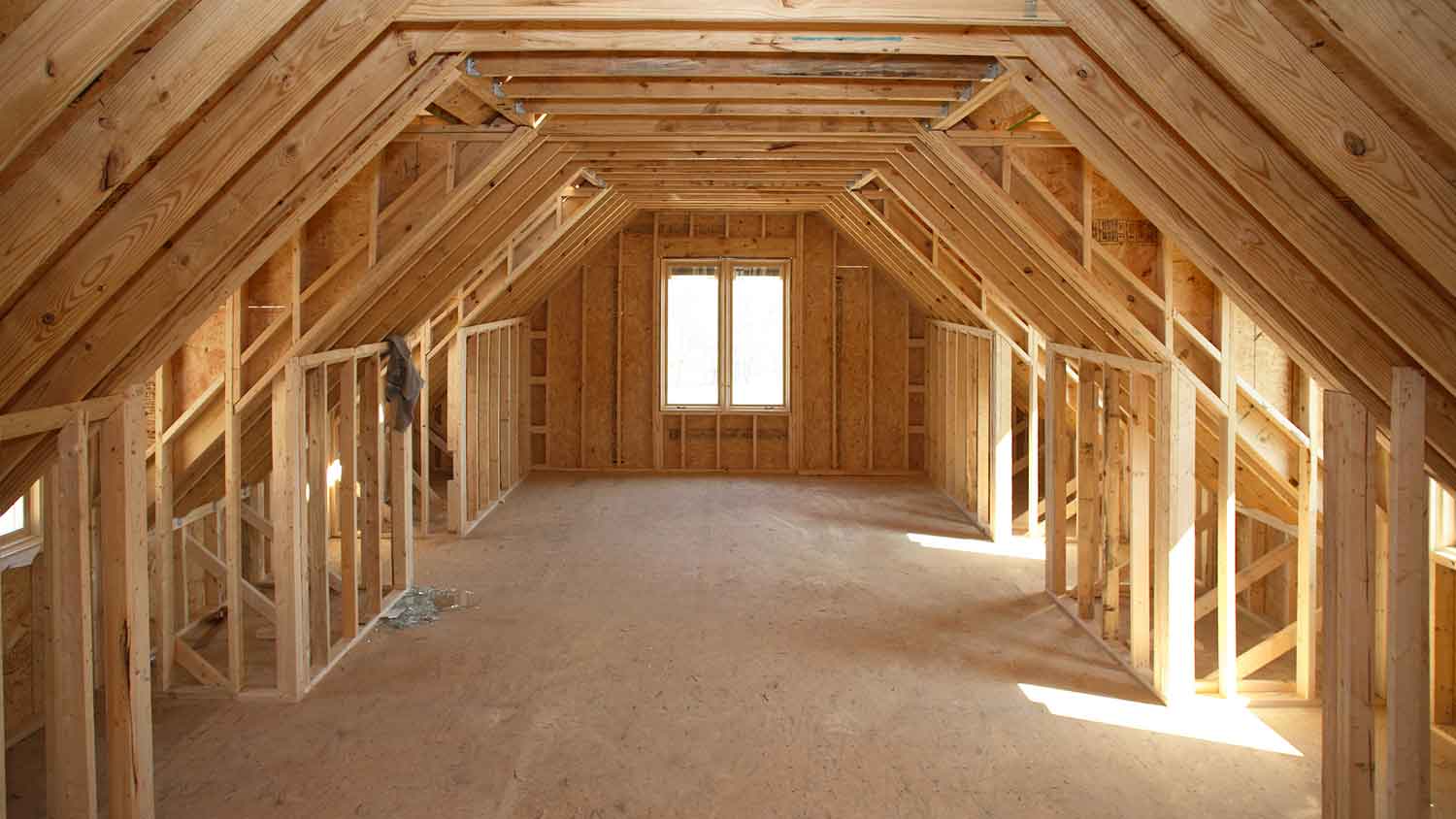
Not sure what you should expect from an attic inspection? This list outlines what your inspector will look for during the inspection.
How long do smoke detectors last? Keep reading to find out when you should replace your smoke detectors and how to maintain them.

An attic without proper ventilation can cause a number of roofing problems, inside and out. Here’s how you can tell if a poorly ventilated attic is wrecking your roof.
Don't ignore your smoke detector if it has flashing red lights. It could indicate a problem that needs immediate attention. Here's how to tell what to do.