

•
Find out how much an elevation certificate costs, including average prices, cost factors, and tips to save money when hiring a surveyor for your property.
Thank your certificate of occupancy for all the little details that make your house a home

The certificate of occupancy confirms your home meets safety standards and building codes, so you can legally live there or complete a mortgage application.
Your local building department keeps certificates of occupancy on file, and requirements vary by state but cover electrical, plumbing, structural, and fire safety inspections.
You need a new certificate when building a home, converting commercial space to residential, or changing your home from single-family to multifamily occupancy.
Hiring a local general contractor provides reliable guidance through the certificate of occupancy process, coordinating inspections and ensuring your home meets all building code requirements.
Building a new home, signing a new mortgage, or making major renovations to your living space typically requires a bit more paperwork and building permits than you'd like—but always for good reasons. A certificate of occupancy (AKA a "C of O" or a CO) indicates that a home passed inspection and remains a safe place to live. But when you do need a new one, and how do you even go about getting it? Here's what you need to know to ensure all of your ducks are in a row.
This certificate of occupancy deems a living space safe and habitable for residential use. The CO states that the home passed a long list of inspections during construction and after major changes. It may include details like its occupancy, square footage, zoning details, and building codes.
As for existing buildings, your state or local municipality has a certificate of occupancy on file for all residential spaces in its jurisdiction. You can’t legally live in your home without a CO. If you rent, your landlord must have a certificate of occupancy on file with the city.
Certificates of occupancy vary state by state but may require electrical, plumbing, and structural inspections for completion. Homes must have a necessary number of windows and doors, proper water and sewage, as well as heating and electricity.
The complete list of areas covered in a home inspection is typically quite extensive, covering things like:
Heat and hot water
Running water
Working smoke detectors
Handrails
Structural integrity of floors, walls, and ceilings
Waterproof systems and lack of water damage
Sewer or septic systems
Fireplaces and wood-burning stoves
HVAC systems and ventwork
Proper painting and insulation
Pest infestations
Safe and maintained landscape work
Pool and patio safety
Storm drainage
ADA compliance
Once these are complete, a representative from your building department may complete a final inspection to check off on the work.
Temporary certificates of occupancy (or TCOs) are a bit more complicated. Let's look at these within the context of New York City, where COs are a considerable part of the moving and renovation process, according to the New York City government website.
Building owners may receive a TCO if their apartments are safe to occupy, but they must address any outstanding safety issues within 90 days. If the owner doesn't perform the changes, the building can lose its TCO. If the owner succeeds, the TCO becomes a full occupancy certificate.
Tracking down or applying for a certificate of occupancy can seem daunting if you're tackling an extensive home renovation or building a new house from the ground up. But don't fret. The process is as standard as construction or home-buying itself.
Let's look at the most common scenarios.

All newly constructed homes or living spaces must receive a certificate of occupancy from the state or municipality for completion. In most cases, the mortgage lending company requires a CO to approve a loan so you can pay your construction team.
The certificate inspection process ensures the final construction matches the original plans submitted in the building permits and meets all building codes for livability.
As we noted above, you'll need a CO to apply for a mortgage on a new home. But what about an existing property? The certificate of occupancy often goes with the rest of your mortgage application paperwork.
In most cases, the certificate already exists on file with your local housing department unless the owner just completed significant structural changes. Also, keep in mind that not all areas require homebuyers to provide a C of O for a standard home purchase.
If you've finally gotten around to transforming your garage into a rental apartment, you'll need a C of O before completing construction. Anytime a building makes the lead from a single-family home to a multifamily home—or a three-family to a four-family home—you’ll need a new certificate of occupancy.
Like brand-new construction, each town requires a unique set of inspections and details to sign off on the certificate.
When property owners transform a former business into a living space, a certificate of occupancy is a large part of the process. This covers everything from turning an old factory into loft apartments to an old medical office into a residential home. Like the other reasons for obtaining a certificate on our list, the space must meet local building codes before it can be rented or sold to tenants.
Apply for a certificate of occupancy through your local building department once you've completed all necessary inspections for the application. When building a new living space, this means there are no open permits or building violations to sort out. Some building owners in large cities like New York City may opt for a TCO to speed up the transition process and fix outstanding work within a 90-day period.
Lastly, many C of O applications require a fee or additional paperwork to even start the process, so be sure to budget money and time for this final crucial step.
If you're about to embark on a major home renovation or new construction, your top-rated general contractor near you has seen it all before. Work with your team to coordinate the best timing and paperwork and ensure a smooth process before calling the moving van.
As mentioned above, you’ll need to complete all of the necessary inspections before applying for your CO. Check with your local building department regarding all of the requirements, as you will apply for your CO through them. If the home already has a CO, you may only need a single inspection.
The major inspections typically include general building, electrical, plumbing, and fire. If the inspection determines you need to make fixes or major changes to pass, the inspection has to be done again when work is completed. After completing all inspections, you’ll have a final inspection.
Exquisite workmanship from Custom Paint Jobs LLC. My home has never looked better.
 Custom Paint Jobs, LLC
Visited my home for estimate same day that I called. Painted on Saturday. Great job. Good price!
Window Depot did an amazing job on my deck. I wasnt sure what I wanted to do, but their composite decking was affordable and will last a long time. I am excited to have family over, and I am no longer embarrassed by my backyard. Jeff and the ground crew were polite, respectful, and caring for...
 Window Depot USA of Central Ohio
The guys did an outstanding job and we had a great experience with CarifaTile. I appreciated that Joe reviewed the quotes with me and set expectations prior to the install. The crews showed up as scheduled and always left the areas clean upon leaving the house. We will definitely use...
 CarifaTile
Beginning with the estimate, Larry and Peyton were super helpful in getting my new condo's interior re-painted. Not only was the job well done, but also done in a super timely manner as promised.
 Five Star Painting of Plain City and Powell
BJ Trim Carpentry rescued me in the middle of a do-it-yourself project. I found I needed more expertise than I had...and more TOOLS! BJ Trim Carpentry responded quickly and completed what I needed expertly, politely and with a little humor!
This brownstone is historical and the carpentry work is very detailed. I was very happy to secure a company in NY and living in OH to complete the request. Wood work on this brownstone has been existing since approximately 1888 and West side did a GREAT JOB. I will not be able to...
 Westside Home Improvement
We had a great experience with Mark Rodgers Construction. We were in the process of seeking out estimates for possible foundation work for our front porch. Mark came out himself to provide the estimate. Turned out that the company deals mainly with concrete, so we wouldn't be getting an...
 Mark Rodgers Construction
Overall this experience was incredible! I looked on Angies List for a cleaning service because I was planning a holiday party and wanted to make sure we found a reliable, thorough and efficient cleaning service to make sure everything was perfect for the party since we had co-workers and...
From beginning to end our experience with Joe was very good. He was professional and prompt in his estimate for the job and worked hard to meet our schedule so that he could remove our old backsplash the day before our new countertops were removed and return shortly after they were removed to...
From average costs to expert advice, get all the answers you need to get your job done.
Find out how much an elevation certificate costs, including average prices, cost factors, and tips to save money when hiring a surveyor for your property.

Building permits are essential. Here’s everything you need to know about building permit costs to budget accordingly for your building project.
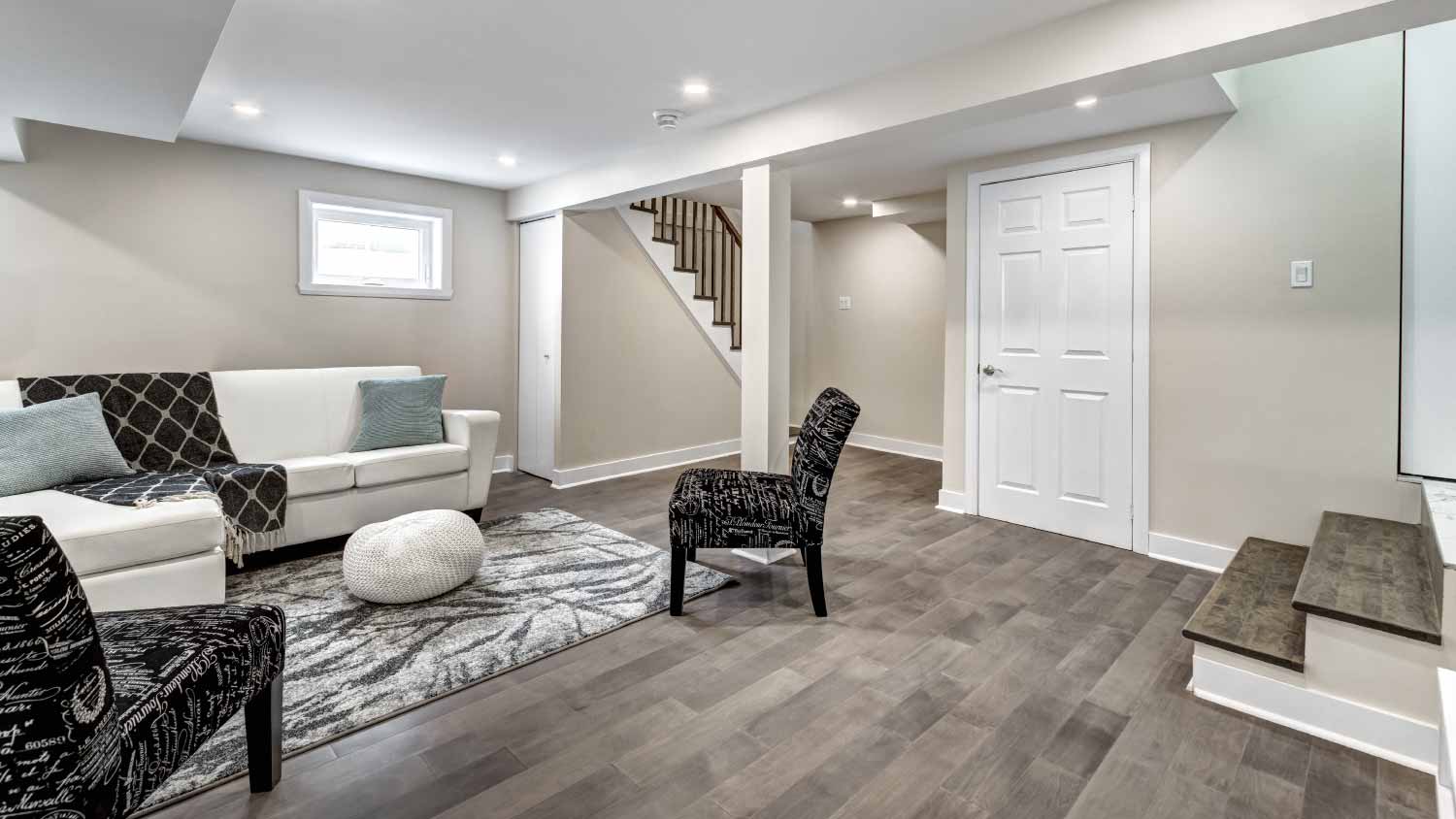
Thinking of finishing your basement? Before you do, learn about when permits are required and what happens if you don’t get one before beginning construction.
Need flood insurance or planning a major remodel? Learn about elevation certification costs, requirements, and how to hire the right local land surveyor.
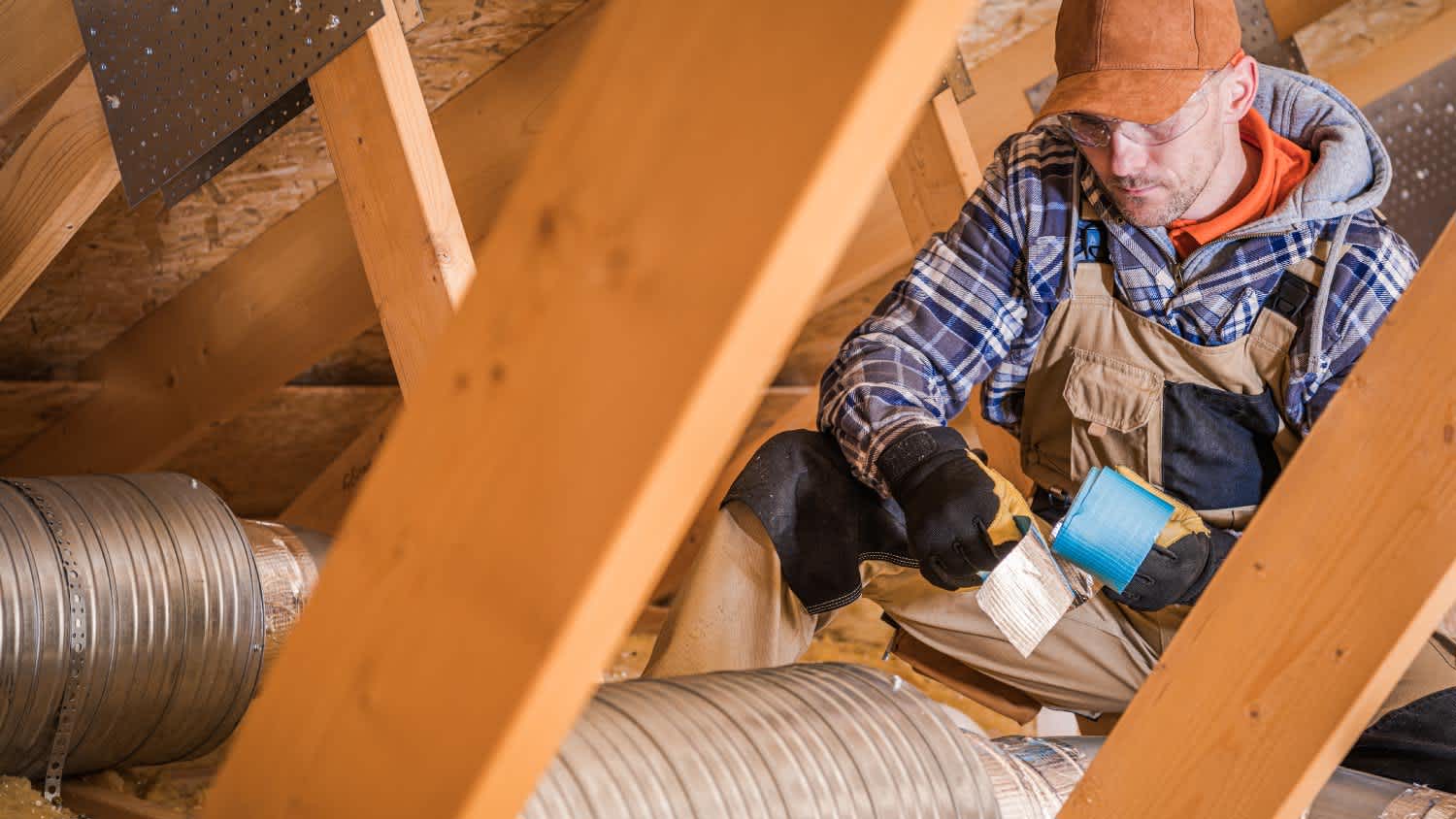
There are several different HVAC certifications available to HVAC pros. Read to learn more about what each certification means and why they’re important.

Learn how to hire a disability remodeling service with expert tips on finding qualified pros, questions to ask, and what to expect for your accessibility project.