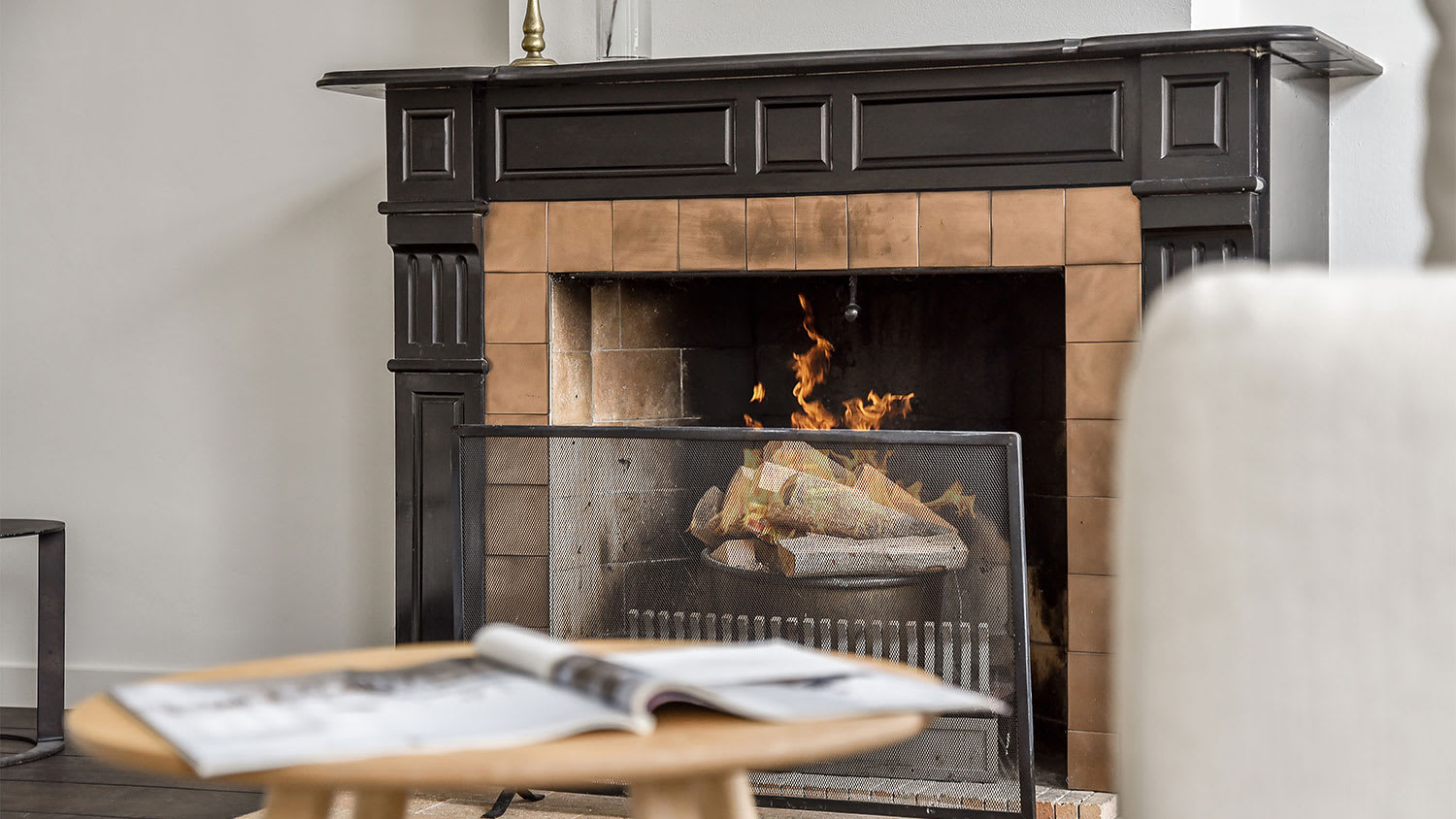
A fireplace remodel cost depends on the extent of the remodel and the materials you choose. Use this guide to calculate your costs and budget accordingly.
Finding the right pro to make your home accessible starts with knowing what to look for

A disability remodeling contractor specializes in accessibility modifications like wheelchair ramps, accessible bathrooms, wider doorways, and safety features that support independent living for your home.
Expect to pay $4,000 on average for accessibility modifications, with costs ranging from $125 to $19,000 depending on your project scope and structural changes needed.
Look for contractors with CAPS certification or equivalent credentials who understand ADA compliance standards and can show you portfolios of completed accessible home projects.
Hiring a local home remodeling professional provides peace of mind with personalized accessibility solutions that meet both your current needs and future requirements as disabilities progress.
This article was created using automation technology and thoroughly fact-checked and edited by an Angi Editor in accordance with our AI policy.
When you need to hire a disability remodeling service, you're looking for accessibility specialists who transform homes to support safe, independent living for individuals with mobility challenges, visual impairments, or other disabilities. These professionals design and install modifications like wheelchair ramps, accessible bathrooms, wider doorways, and safety features tailored to specific needs. These contractors combine construction expertise with understanding of ADA guidelines and universal design principles to create functional, comfortable living spaces.
Disability remodeling contractors offer comprehensive accessibility modifications that address mobility, safety, and independence needs throughout the home. These services range from bathroom and kitchen adaptations to structural changes like doorway widening and ramp installation, all designed to create barrier-free living environments.
Wheelchair ramp installation for safe home entry access
Doorway widening and hallway modifications for wheelchair clearance
Grab bar and safety rail installation throughout home
Accessible kitchen design with lowered countertops and cabinets
Stairlift and vertical platform lift installation for mobility
Slip-resistant flooring and improved lighting for safety
ADA-compliant sink and toilet installations in bathrooms
Home automation systems for lighting and temperature control
Entryway and threshold modifications for barrier-free access
The cost to hire a disability remodeling service averages $4,000, with prices ranging from $125 for simple accessibility upgrades to $19,000 for larger wheelchair-friendly renovations. Cost factors include the extent of modifications needed, whether structural changes are required, the size of the areas being modified, and the types of features being installed. Bathroom and kitchen remodels for accessibility are among the most common projects, with costs varying based on the complexity of ADA-compliant installations.
Planning ahead helps ensure your accessibility modifications meet both current needs and future requirements while staying within budget. Taking time to assess your specific needs, research qualified contractors, and understand the scope of work protects you from costly mistakes and ensures your home modifications truly support independent living.
The first step is conducting a thorough assessment of individual needs based on specific disabilities and mobility challenges. This evaluation identifies barriers like narrow doorways, raised thresholds, or inadequate clearances in critical areas such as entrances, bathrooms, kitchens, and stairways. Consider both immediate modification needs and future requirements as disabilities may progress, helping prioritize which areas need modifications first and what types of adaptations will be most beneficial for daily activities and independence.
Check for specialized certifications like Certified Aging-in-Place Specialist (CAPS) from the National Association of Home Builders, Universal Design Certified Professional (UDCP) through NARI, or Certified Environmental Access Consultant (C.E.A.C.) from Accessible Home Improvement of America.
Verify state licensing requirements, liability insurance, and bonding. Look for contractors with specific experience in disability remodeling who understand ADA compliance and universal design principles. Request to see portfolios of previous accessible home projects and speak with past clients about their experiences with the contractor's work quality and professionalism.
Interview at least two to three contractors with CAPS certification or equivalent accessibility credentials. Request detailed written bids that include plan drawings showing proposed modifications. Compare quotes carefully, understanding that the most cost-effective bid isn't necessarily the lowest—consider the contractor's experience, timeline, and quality reputation. Some things to agree on before service include:
Down payment (standard is 25% for this type of work)
Payment structure and installment options
Final payment terms and conditions
Project timeline with specific milestones
Deliverables including all modifications and ADA compliance features
Asking the right questions during your initial consultation helps identify contractors who truly understand accessibility needs and can deliver safe, compliant modifications. These questions reveal the contractor's experience with disability remodeling, their approach to personalized design, their knowledge of ADA standards, and their commitment to creating functional living spaces that support independence.
Are you licensed, insured, and bonded in this state?
What certifications do you hold for accessibility modifications (CAPS, UDCP, C.E.A.C.)?
How many years of experience do you have with disability remodeling projects?
Can you provide references from clients with similar accessibility needs?
Do you have a portfolio of completed accessible home projects I can review?
Do you work with occupational therapists to develop independent living strategies?
How do you ensure modifications meet ADA compliance standards?
Will you provide detailed plan drawings and a written contract before starting?
Specialized contractors understand the unique needs of individuals with disabilities and can design modifications that truly support safety and independence rather than creating new barriers. Experienced accessibility specialists ensure compliance with ADA standards and building codes, protecting your investment and avoiding costly corrections later. The right local disability remodeling pro takes a personalized approach considering both current needs and future progression of disabilities, potentially saving money by avoiding multiple renovation projects as needs change over time.
Conduct a thorough walkthrough with the contractor to ensure all modifications function properly and meet your accessibility needs before making final payment. Take photos documenting the completed work for your records. Once satisfied with the results, make the final payment according to your agreed-upon terms. Consider leaving an online review to help other homeowners find qualified accessibility contractors, and if you're pleased with the work, offer to serve as a reference for the contractor's future clients who need similar modifications.
If you want to pay the most exorbitant prices possible for your job, this is the company for you. “By the job” pricing is a rip-off, at least how these people use it. Every job is plugged into a category and prices are set by category. You might have a job that takes half an hour or one that...
 Benjamin Franklin Plumbing
1st Choice Renew is simply the best! We hired them for a complete home renovation, and they transformed our space into something truly amazing. The team attention to detail and commitment to quality were evident throughout the project. They were easy to work with, very responsive, and always...
 Save A Dime
We have bought and sold numerous times over the past 50 years. Sherman Hall and Top Line are top notch. Thorough and detailed, he explains every possibility, probability, and eventuality. High class and pleasant. The best.
 Top Line Home Inspections, LLC
Custom Paint Jobs LLC turned our outdated bathroom into a modern masterpiece.
 Custom Paint Jobs, LLC
When we had the winter freeze, I called Quantum Waterworks Waterline & Drain Cleaning Services and within 1 hour I received an e-mail and he sent someone out the next day and he was on time, he was nice and did the job quickly and cleaned up after himself. We had a leak in our kitchen from...
 Quantum Waterworks Waterline & Drain Cleaning Services, LLC
If I could give 10 stars for Kitchen Tune Up, I would. I cannot say enough good things about my experience with Kitchen Tune Up and the entire team involved in the process of my kitchen project. They went above and beyond as far as service and quality with my cabinets, paint, countertops, and...
It was wonderful working with Yordy and his team. They were very professional and are experts in what they do. They have completed the work on time, with better quality and with in fairly reasonable price. We just started with backsplash work , but liking his work, we went on to provide...
 Flooring Solutions
I hired this company to do a local move with a standard amount of things needing moved for a single person (couch, bed, tv, dresser, kitchen table being the biggest), moving from one apartment to another with a very small commute from old to new apartment. I was quoted for this move to be...
 MVM Moving & Storage - Columbus
They work that 360 did on my kitchen cabinets is nothing short of amazing. I still cannot believe the difference from before and after. Jon and Jeff were both so incredibly professional throughout the whole process and their communications with me were constant and consistent. These guys...
 360 Painting Columbus
This was our second experience with The Waterworks and both times have been Exceptional! This time, Michael P. was our technician. He arrived on time, was super professional and respectful of our home and he even wore booties, a face mask, gloves and protected out kitchen floors with drop...
 The Waterworks
From average costs to expert advice, get all the answers you need to get your job done.
A fireplace remodel cost depends on the extent of the remodel and the materials you choose. Use this guide to calculate your costs and budget accordingly.
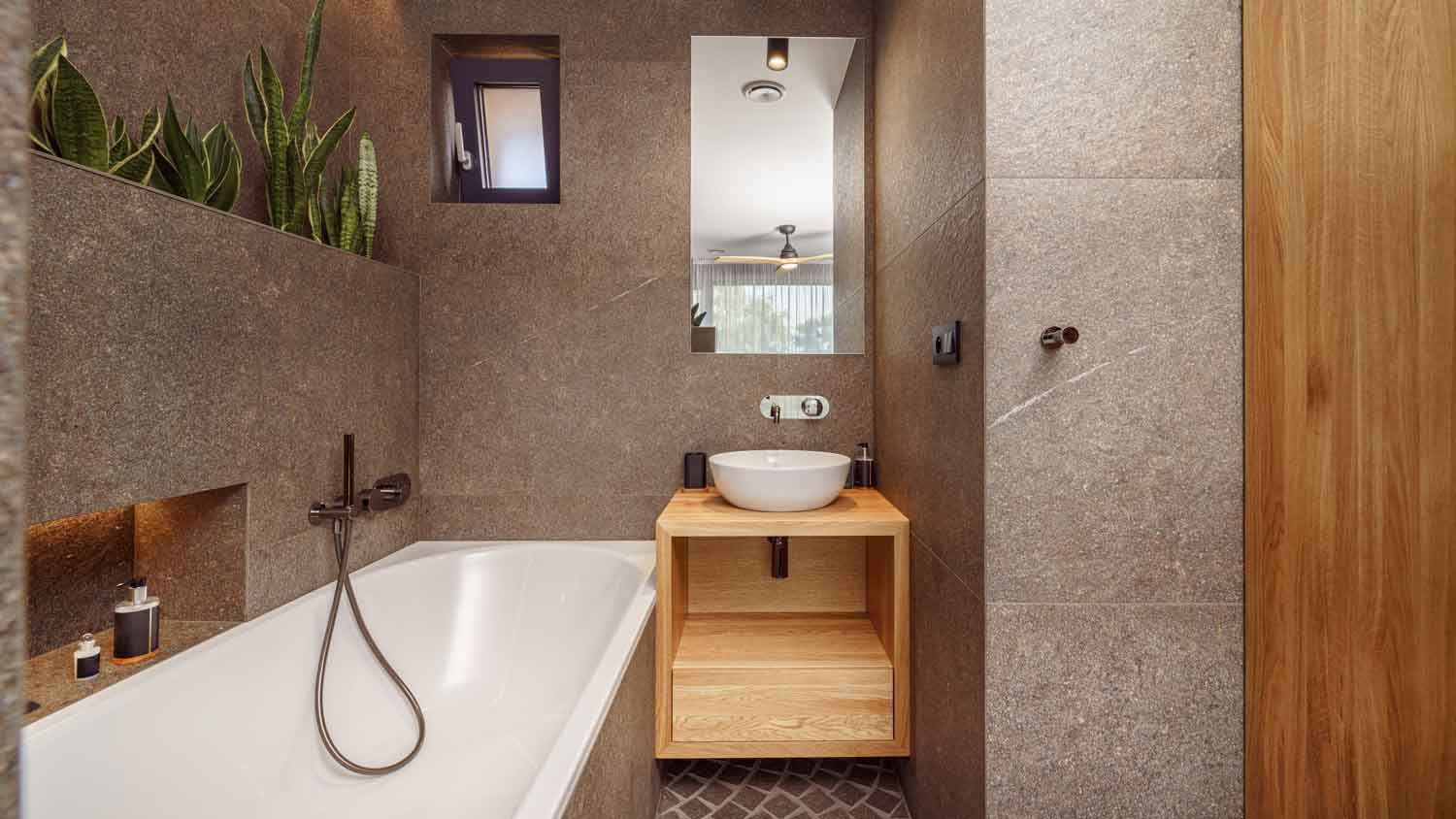
Small bathroom remodel costs depend on a number of factors—like what exactly you’re upgrading and the size of the room. This guide will help you budget.
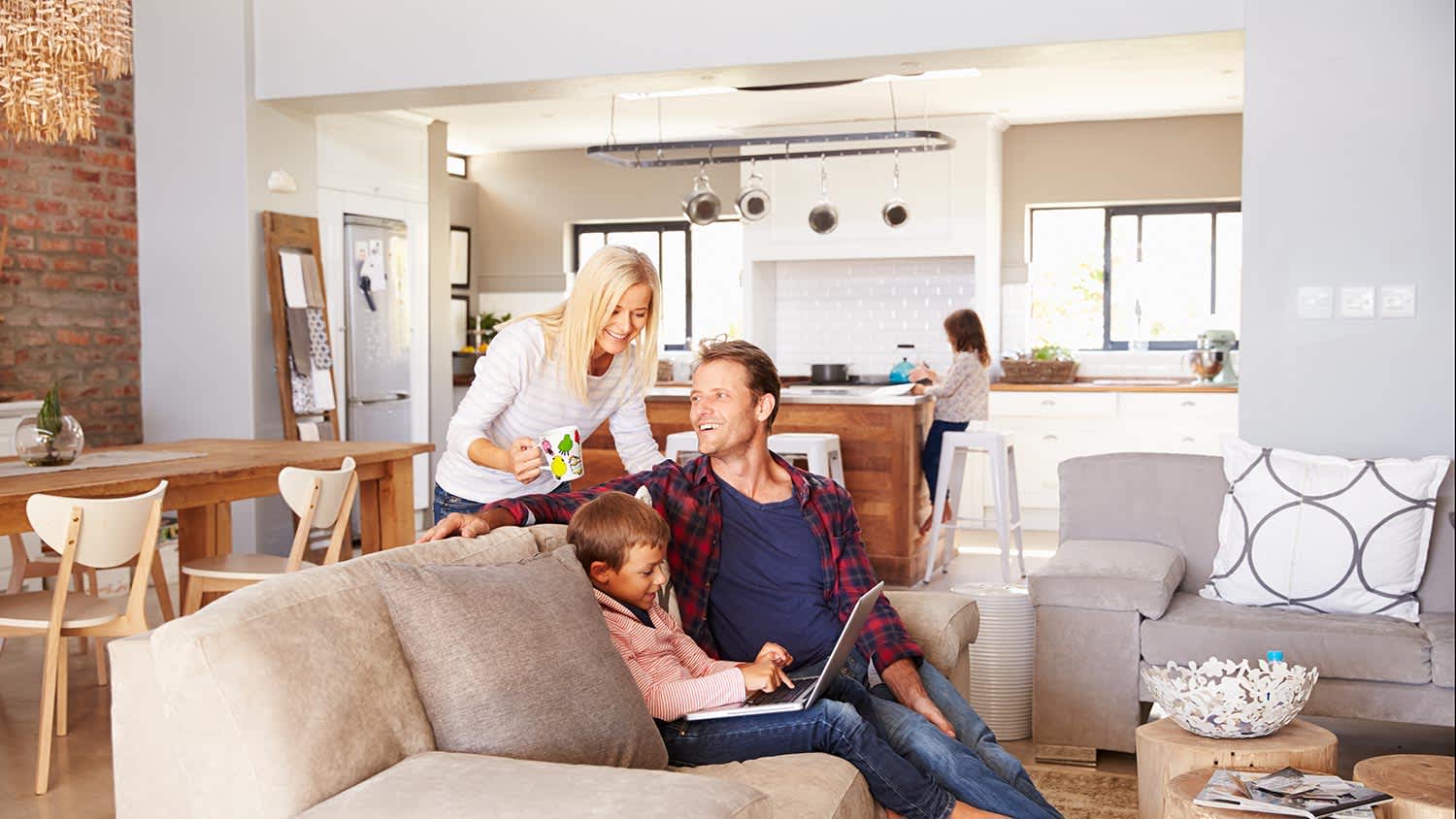
The cost to remodel multiple rooms in your home will depend on what you wish to renovate and the size of the project. Both can affect your ROI.
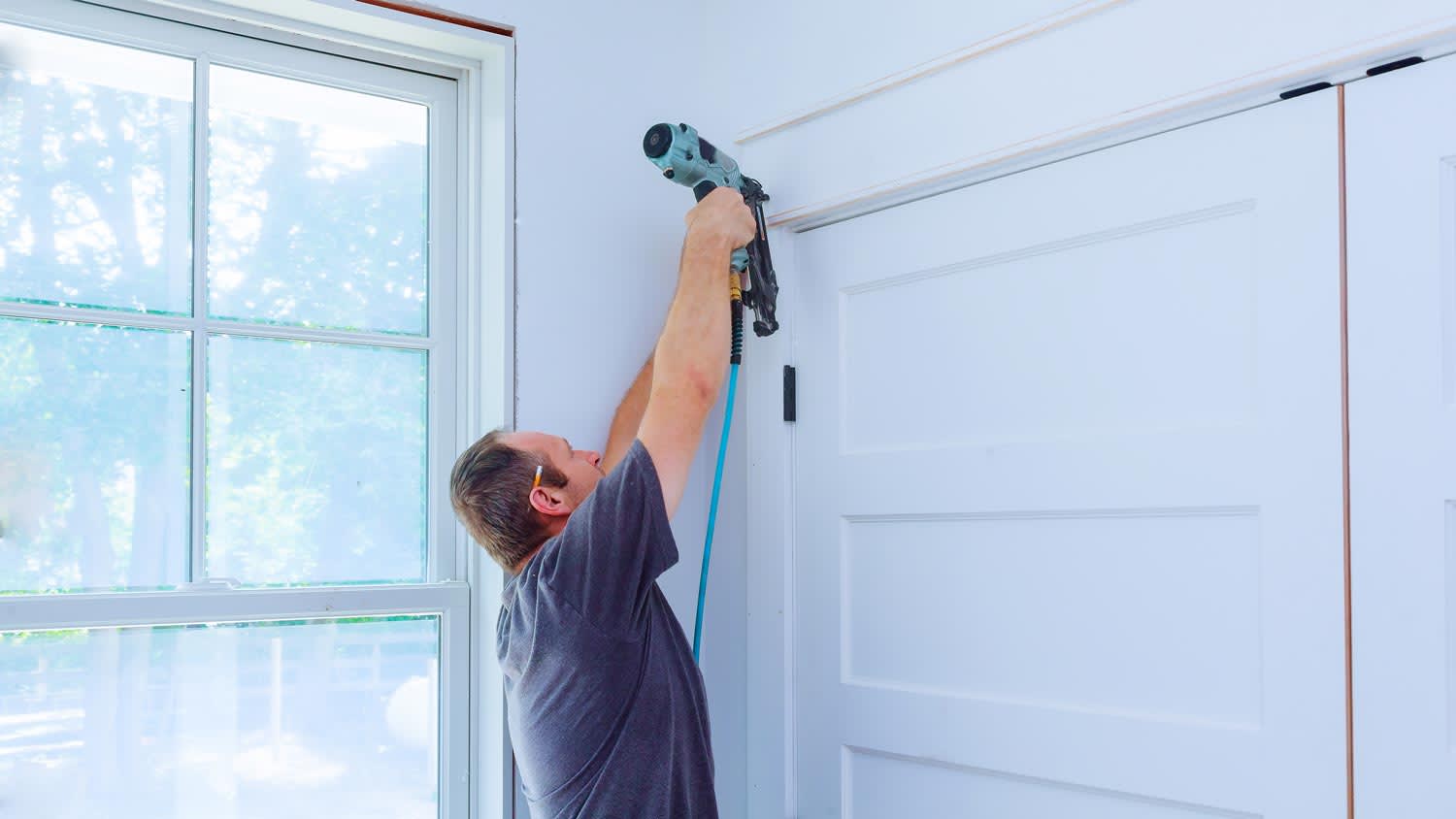
Planning a disability accommodation remodel? Learn about accessibility upgrades, average costs, and how to hire the right local pro for your home.
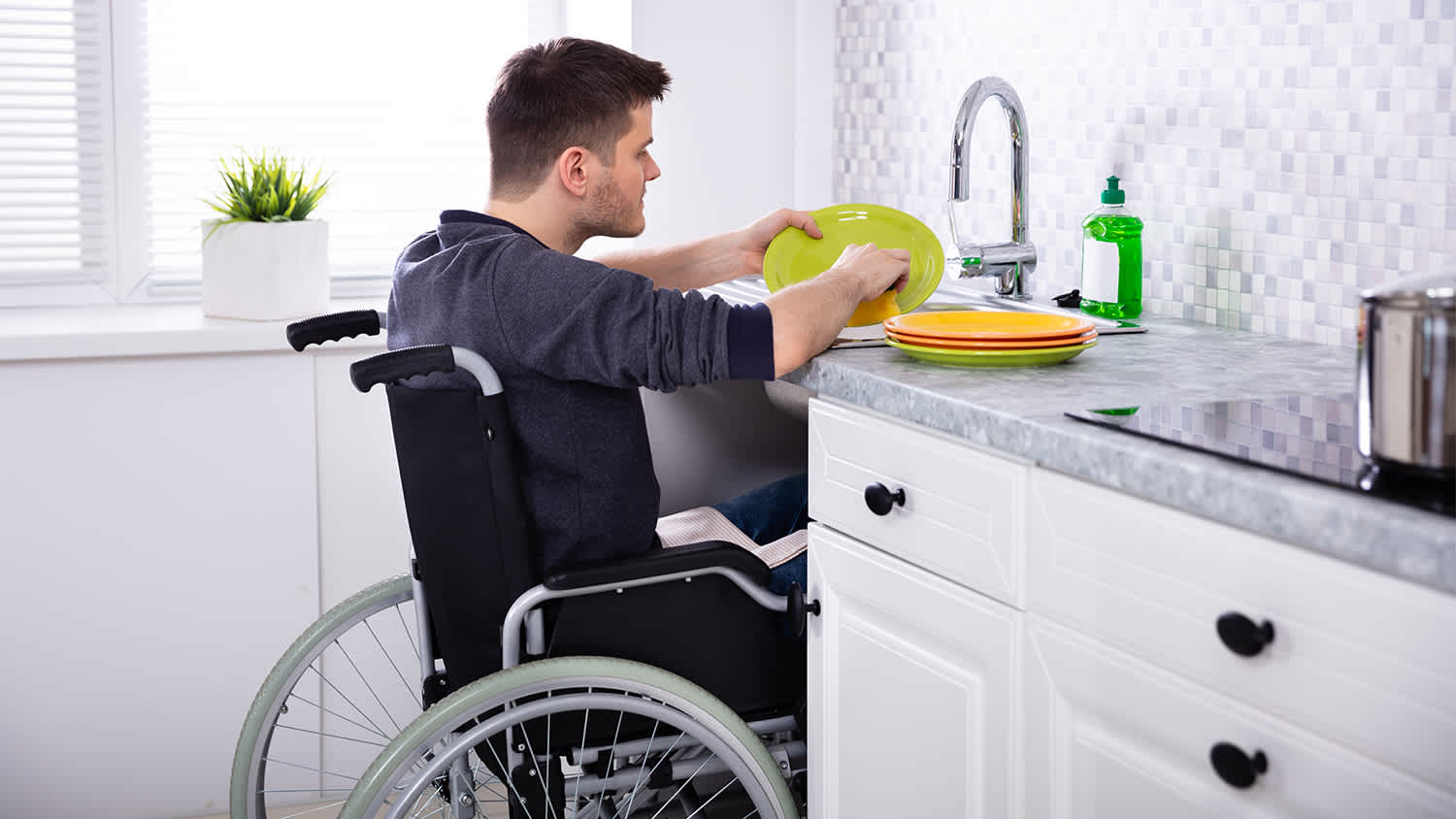
Find the right disability retrofit pro for your home accessibility project. Learn about qualifications, questions to ask, and costs to create a safer space.
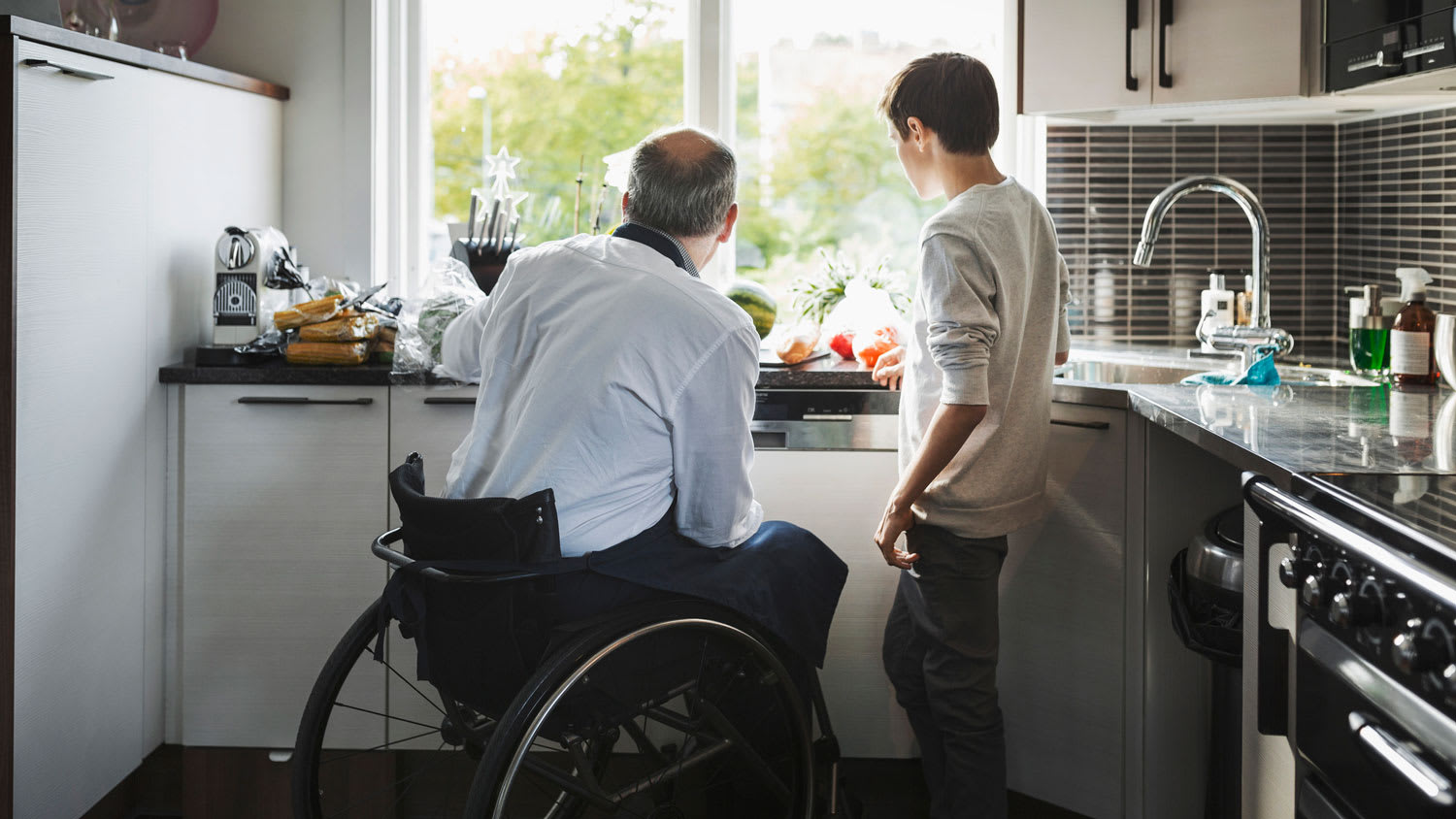
Home modification grants for disabled people to make their homes more accessible are available. Learn more about this funding in our comprehensive guide.