
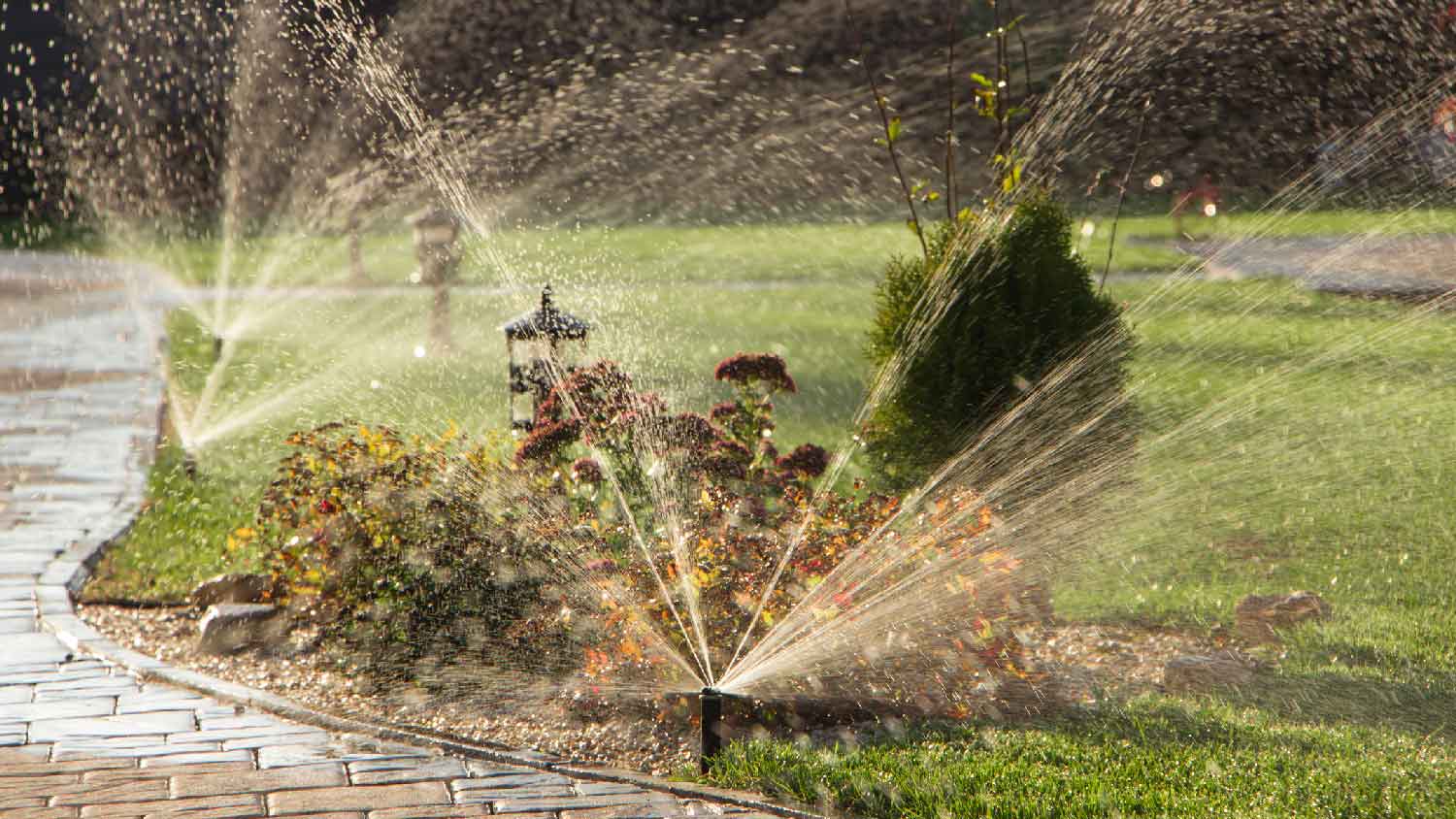
Does looking at your water bill feel like drowning these days? You might have a broken sprinkler. Learn how to find a leak in your irrigation system with ease.
Don’t let sneaky leaks get the better of you

A sprinkler head dripping after you shut the system off points to a leaky or clogged valve or other broken parts.
Sprinkler system repairs cost $130 to $410, with average costs around $270, so catching leaks early helps you avoid higher bills.
Unusually tall or dark grass near your sprinkler heads is a clear sign that too much water is soaking into the ground.
Hiring a local sprinkler repair professional provides reliable help diagnosing valve issues and repairing broken lines before water damage spreads through your yard.
If your irrigation system is leaking water even when it’s turned off, that’s a cause for concern. A still-dripping system likely indicates that you have a leak on your hands. But don’t panic! We’ll show you more signs to watch for so that you can easily fix this problem before the water bill skyrockets.

One of the most obvious signs that there's a leak in the irrigation system is when there's a steady drip of water coming out of a sprinkler head long after it's been shut off. This is often indicative of a leaky valve, clogged valve, or broken or missing parts, like the diaphragm seal.
If this leak is a steady trickle that never stops and seems to be localized to one sprinkler head or zone, it's usually a leaky sprinkler valve.

Does it look like your sidewalk built a sand castle while you were out? Is it particularly fan-shaped, no less? This is a sign that one or more of your sprinkler heads are broken, and the leaking water is pushing soil onto the sidewalk.
Green grass is often a good sign that you're cultivating an enviably green lawn. But if you have patches of unusually lush-looking or tall grass near a sprinkler head or zone, this could be a warning sign. Too much water may be seeping into the ground because a sprinkler pipe broke or cracked. Once one pipe is compromised, the rest of the sprinkler system quickly becomes inoperable.

If the water spout is gushing like it's Niagara Falls, either the sprinkler head is broken or you've got a major leak in the irrigation system. If the irrigation line springs a leak, it vastly increases the water pressure. This is why it shoots into the air like a fountain.
If mold or slime shows up on the curb, it's feeding off of a slow leak rather than a big one that would flood it out. This is probably caused by collected water draining to and leaking out of the lowest sprinkler head in your system and pooling into a specific area—a phenomenon called low-head drainage. This creates the prime conditions for fungal growth to thrive if it happens to go into a deep, dark crack in the curb.
These slow leaks can quickly turn into large, fast ones, which is why routine maintenance from your local sprinkler repair service is so important—it can prevent these leaks from happening in the first place.
Just like how you don't want brown water gushing out of your bathroom faucet, dirty water is a grim surprise you don't want coming out of your sprinklers. Trapped sediment in the sprinkler system from a clogged or leaky valve might be the culprit, but a ruptured line can also cause soil to make it into the sprinkler line and spray your lawn with mud instead of clean water.
If there's some flooding between sprinkler heads, it's usually because of a minor line rupture. The lateral lines in the ground underneath the sprinkler heads can crack or break, causing a leak that pushes everything above it upwards. The sprinkler heads themselves can start leaking as a result.
Just like with the dirty water problem, a ruptured line can cause the sprinkler head not to spray as far as it typically would. Clogs and changes in soil can also constrict the flow of water. Cracked pipes leach out the water, meaning the sprinklers don’t have enough water to spray as far as they normally would.
Many of these sprinkler system issues can be fixed quickly and easily with the help of a pro, especially if you catch them early and stay on top of regular maintenance. On average, home sprinkler system repairs cost $270, with a typical range of $130 to $410. Not the best news for those on a tight budget, but it’s certainly better than having to pay for an entirely new system.
Cody did a great job!
 Itzelpainting
Wonderful. I am going to have them remove and replace my driveway in the spring.
 All Star Paving and Sealing
Did an amazing job transforming my yard. Also installed sod in places, would recommend to everyone.
 Cardinal Landscaping & Construction LLC
Always been satisfied with the service work and how they have taken care of my pool.
Bill Gerhardt sold the company to his employees at the end of 2019, apparently without a workable succession plan and without notifying prospective customers of this fact. Most aspects of the maintenance contract have not been fulfilled: no installation of anual plantings per contract, no...
They show up and they did take us on as a client which seems to be a problem with other lawn care providers. We have multiple properties and this one was located close to downtown and no one really wants to mess with it.
I was very happy with the service provided by AK Irrigation. They responded quickly to my email, and the woman I spoke with was polite and professional. I was able to get an appointment that same week. <br /> The technician (Tyler) arrived on time. He was very knowledgeable, and worked...
 AK Irrigation
The worker came out when he was supposed to come. He informed me he would honor the Angie's List deal, but would not do any more work for me since my son in law owns lawn care company as well, even though they do not do the same type of work. He said he did not feel comfortable giving me...
 Bello Giardino LLC
E & L Lawn Care was super. They were very responsive before and after service. They were efficient and were able to complete the job within 1 day. I have had concern about one section of sod - the owner was pro-active and did a visit to evaluate. I have no doubt they will stand behind...
 E&L lawn care
From average costs to expert advice, get all the answers you need to get your job done.
Does looking at your water bill feel like drowning these days? You might have a broken sprinkler. Learn how to find a leak in your irrigation system with ease.
Whether you need to make a repair or are prepping to winterize your sprinklers, learn how to find your irrigation shut-off valve location with this guide.

Not sure who to call for a water leak in your lawn? Usually, it’s a plumber, but sometimes, you might need to contact your water company. Here’s how to decide.

Winter can be particularly harsh on your plumbing—from water heater issues to frozen pipes. As the weather gets chilly, use these tips to prepare your home and avoid a costly winter plumbing leak.
Your sprinkler system works to keep your garden and lawn cared for. Ensure it’s always performing well. Find out the top tips to care for your sprinklers.
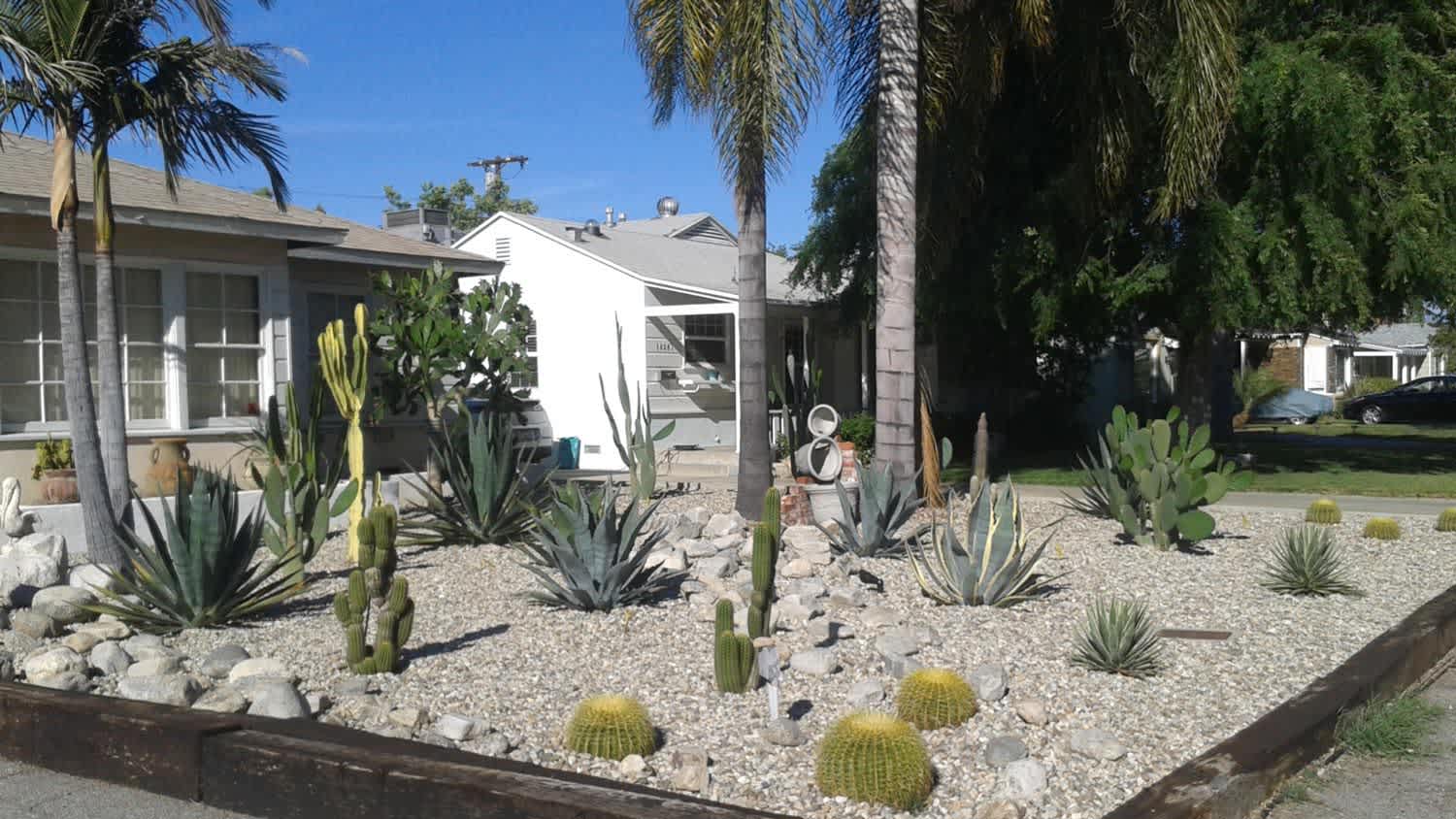
If you want to save money and help the environment, there are many ways to conserve water outdoors. These tips can help you start.