
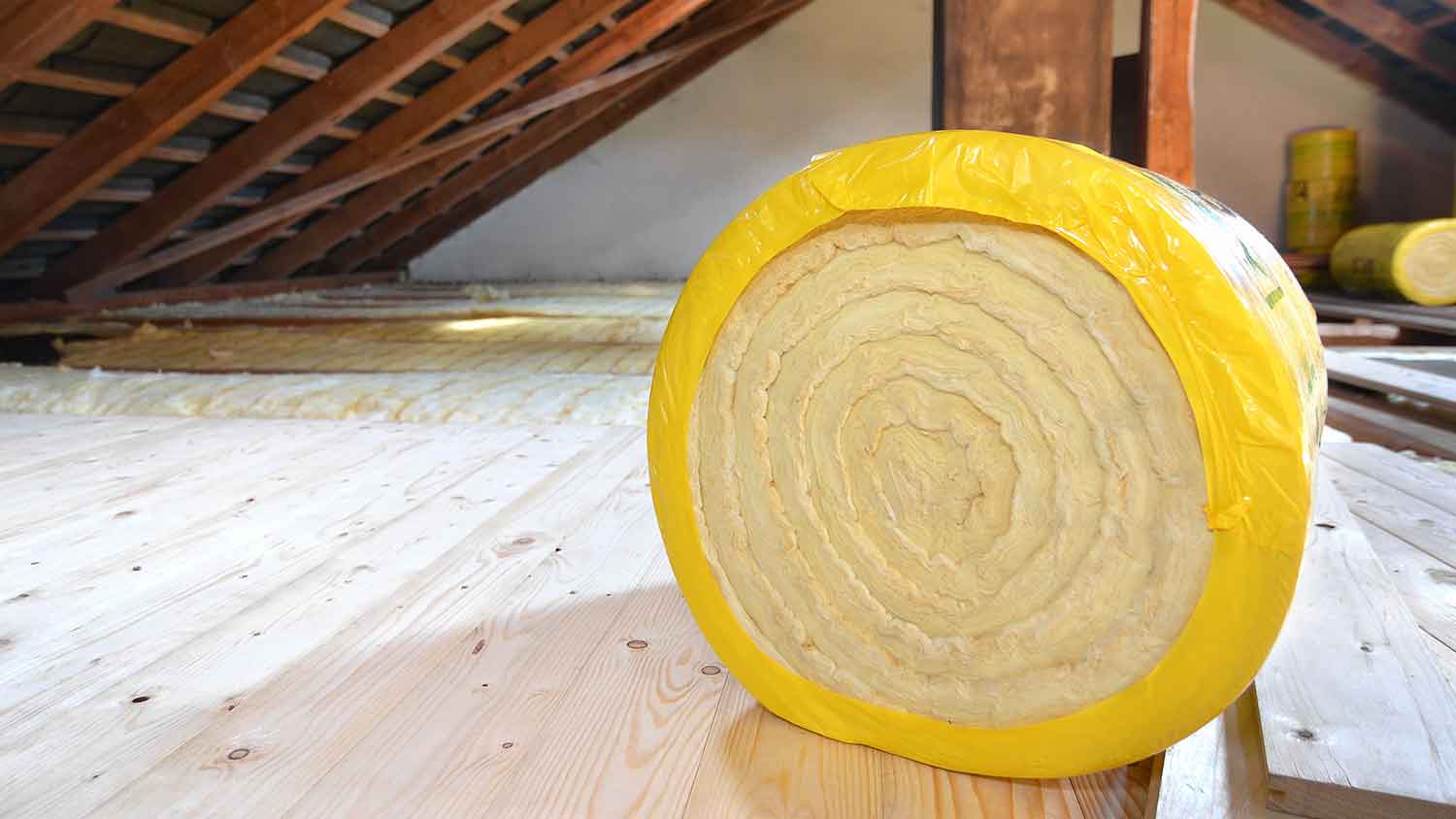
New insulation makes your home more comfortable and boosts energy efficiency. Use this guide to budget for insulation installation costs in Boston, MA.
Insulation service costs depend on your project and location. Check with a local pro for your specific job.

Be prepared to pay for denser R-60 insulation when insulating a Boston attic.
Boston homeowners are paying around 30% above the national average for blown-in insulation.
However, Boston's extreme winters and high energy costs make upgrading to a high R-value that boosts efficiency and cuts energy bills a smart choice,
The average blown-in insulation cost in Boston is $2,198, with many homeowners paying somewhere between $1,445 and $3,333. As Boston homeowners might expect, a combination of higher R-values and increased labor costs results in a local cost for blown-in insulation that is approximately 30% above the national average. Homeowners might see quotes for insulation vary based on things like the type of blown-in material they choose and the size of the space being insulated. Read on to learn more about the cost factors that go into getting new blown-in insulation professionally installed at your Boston home.
Everything from the R-value needed for your home to how much blown-in insulation you use can shape this project's cost. Be sure to ask any contractors you contact about the pros and cons of different materials, like wool and cellulos,e based on the age and layout of your home.
The biggest cost factor is the size of the area that requires insulation. A larger area requires more insulation and labor, increasing the overall price. This metric is calculated by multiplying your square footage by the cost per square foot of your chosen insulation materials, which are detailed below. However, a general range for blown-in insulation per square foot is $2.27 to $4.45 depending on the type.
| Area in Square Feet | Blown-in Insulation Cost Range |
|---|---|
| 500 | $1,135–$2,225 |
| 1,000 | $2,270–$4,4500 |
| 1,500 | $3,405–$6,675 |
When measuring the efficacy of any insulation material, it all boils down to the R-value. Generally speaking, higher is better, though there are two metrics to consider. There’s the overall R-value and the per-inch R-value. For example, if you want a total R-value of 30, you’ll need ten inches of insulation at an R-value of 3.0 per inch. Materials with higher R-values cost more, like sheep’s wool, but you don’t need as much material to complete the installation.
Below is a breakdown of R-values and the corresponding prices:
| R-Value | Number of Bags per 1,000 sq. ft. | Description | Price Range |
|---|---|---|---|
| R-13–R-21 | 7–10 | Suitable for Boston walls | $299–$429 |
| R-30–R-49 | 15–20 | Not suitable for Boston attics | $650–$2,080 |
| R-38–R-49 | 20–26 | Minimum range for Boston attics | $1,690–$2,080 |
| R-49–R-60 | 26–32 | Ideal for Boston attics | $2,080–$2,600 |
The cost to install blown-in insulation depends on the type of insulation you choose for the project. Anticipate spending anywhere between $0.70 and $3.20 per square foot for materials, not including installation. Below is a breakdown of each blown-in material type and how much it costs.
| Type of Blown-In Insulation | R-Value per Inch | Average Cost per Square Foot |
|---|---|---|
| Fiberglass | 2.5 to 3.5 | $0.75 to $1.20 |
| Wet-spray cellulose | 3.2 to 3.7 | $0.70 to $1.95 |
| Dense-pack cellulose | 3.2 to 3.7 | $2.50 to $2.80 |
| Rockwool | 3.0 to 3.7 | $1.60 to $2.30 |
| Natural wool | 3.5 to 3.8 | $1.75 to $3.20 |
When hiring a local insulation installer in Boston, MA, you can expect to be charged a custom rate that's priced by square foot. Keep in mind that Boston contractors don't just split fees between labor and materials. All investments in equipment, certification and licensing, business expenses, insurance, and other business-related costs are factored into the final price.
On average, Boston insulation companies charge between $3 and $5 per square foot for labor when installing new blown-in insulation. If you have an older home with a steep or angled attic that needs to be insulated, the cost may be higher than average. Most local insulation companies also remove and haul away old insulation for a fee. Expect to be charged between $0.50 and $3 per square foot if you need this service.
Massachusetts tightly regulates insulation installation for safety and environmental reasons. Additionally, Boston has strict permitting processes that require your installer to obtain permits and adhere to stringent building codes. Overall, the permit cost for a project like blown-in insulation in Boston comes out to around $50 per $1,000 of project value.
While Boston doesn't require contractors to carry special insurance, Massachusetts law requires all contractors to hold general liability insurance. If a contracting company employs workers, it must also carry workers' compensation insurance. Depending on the size of an insulation company in Boston, monthly premiums for meeting all insurance requirements can range from $45 to $295 on average. One of the tips for hiring an insulation contractor is to ask to see a Certificate of Insurance (COI).
Homeowners should know that sales tax will be added to the cost of all materials purchased for blown-in insulation in Boston. However, labor costs are not taxed for this type of home improvement project. By comparison, the single Massachusetts sales tax rate of 6.25% that applies in Boston is lower than that of most other major cities.
Massachusetts requires home improvement contractors to be licensed if they perform more than $1,000 of work on a residential property. Depending on the number of employees a contracting company has, the fee can range from $300 to $500.
Yes, adding or updating blown-in insulation to fortify a home's efficiency in Boston is a major value-adding project. Part of the chilly Northeast, Boston experiences extreme winter conditions, characterized by low temperatures and regular snowfall. With Boston's energy rates above the national average, homeowners can find relief from their energy bills by installing quality insulation with a high R-value. This makes insulation one of the best home upgrades you can do to improve home value without major construction.
Home is the most important place on earth, which is why Angi has helped more than 150 million homeowners transform their houses into homes they adore. To help homeowners with their next project, Angi provides readers with the most accurate cost data and upholds strict editorial standards. We extensively research project costs to develop the pricing data you see, so you can make the best decisions for you and your home. We rely on reputable sources, including the U.S. Bureau of Labor Statistics, academic journals, market studies, and interviews with industry experts—all to ensure our prices reflect real-world projects.
Want to help us improve our cost data? Send us a recent project quote to [email protected]. Quotes and personal information will not be shared publicly.
I highly recommend this company for any building project. They were reliable, organized, and paid close attention to every detail. The final result exceeded my expectations, and the entire experience was smooth and stress free.
 Decked Out Roofing and Construction Corp.
11 out of 10. Wafi has helped me at two different apartments and he is always great! Good communication, efficient work, and in this case especially high quality! I’m so happy with my AC unit in now and I’d trust Wafi every time. Thank you!!
 Wafi Handy Man
I own a rental property in Boston and recently had a heating system issue. I was able to quickly get in touch with Aaron, told him that my tenant has a small child, and while Aaron was on the road in RI, he made an effort to stop by the place to fix the issue that same night. It meant the...
There is no one in the industry who knows bubble wrap like Patriot Relocation Corp. They handled our fragile items with the care befitting precious artefacts, carefully wrapping them in multiple layers of bubble wrap. Assuring maximum safety, it was like watching a wrapping ninja at work. Our...
 Patriot Relocation Corp
Best service at immediate request. Excellent service quality at a reasonable cost. They did a great job installing water heater. Keep up guys!!! Thank you for the great work and making in time!
Highly recommend this company . They did a great job pressure cleaning our balcony !
Very easy to deal with. Quite a long (5 week) lead time for the windows to be manufactured, but once they arrived, got the job scheduled within a week. Work performed in a morning by two guys. Came on time, acted professionally, cleaned up after. Happy with the new windows - definitely a big...
 PRECISION DOOR & WINDOW INC
Prior to hiring Mass Energy Lab I spoke to 3 other companies about insulating my attic. After multiple phone calls with all four companies, it was apparent that they were the most knowledgeable in their field. I requested a time table I would have expected push back on, but they were...
I hired Silmac to do some remodeling in my new condo in Boston. The job involved relocating the laundry room from kitchen to the master bathroom, removing a tub, relocating a double vanity, and building new closets at the entrance and in the master bath. I collected bids from several...
 SILMAC Construction Inc.
Rick, the owner was very professional, punctual and really good at explaining things in lay mans terms.Rick also communicated and worked <strong> extremely</strong> well with other contractors as this was a multi- stage process demolition, insulation and reconstruction. <br /> From start...
 Rogers Insulation Specialists
From average costs to expert advice, get all the answers you need to get your job done.
New insulation makes your home more comfortable and boosts energy efficiency. Use this guide to budget for insulation installation costs in Boston, MA.
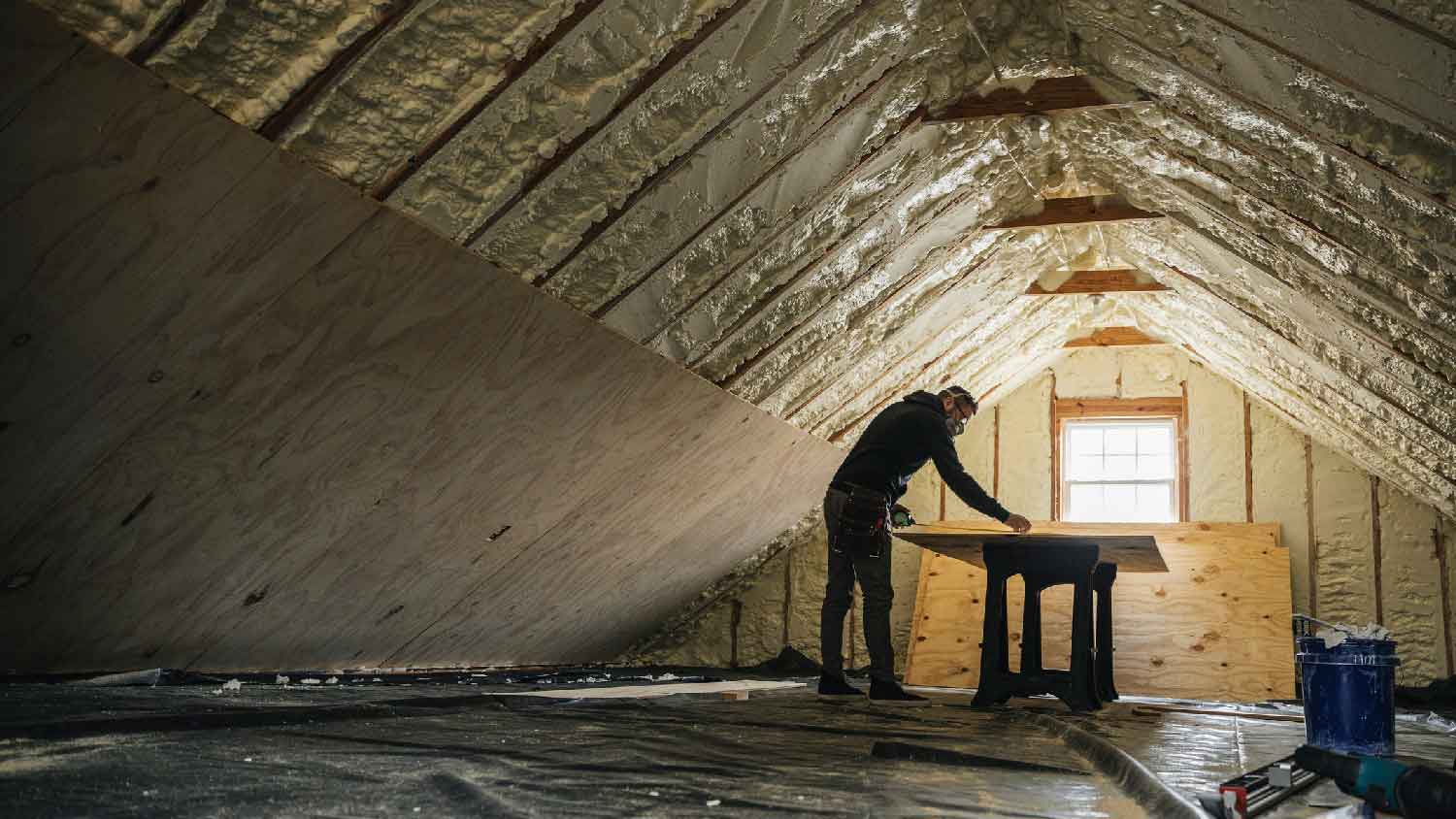
Attic insulation removal costs in Boston, MA, vary based on multiple factors, including why you're removing it and how easy it is to complete the task.
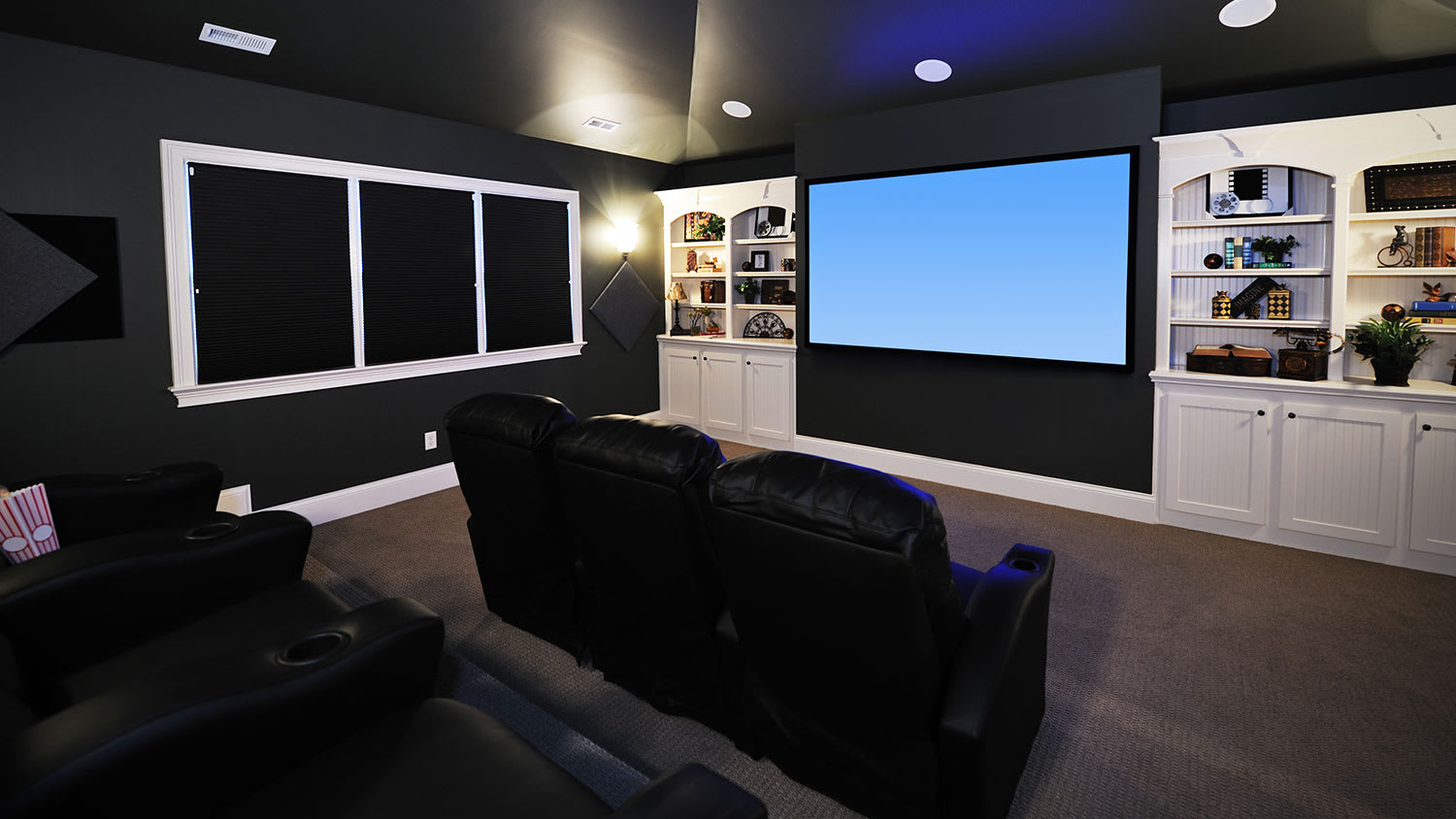
Find out the average soundproofing cost in Boston, MA. Learn what you can expect to pay for acoustic materials and local labor to keep your home quiet.
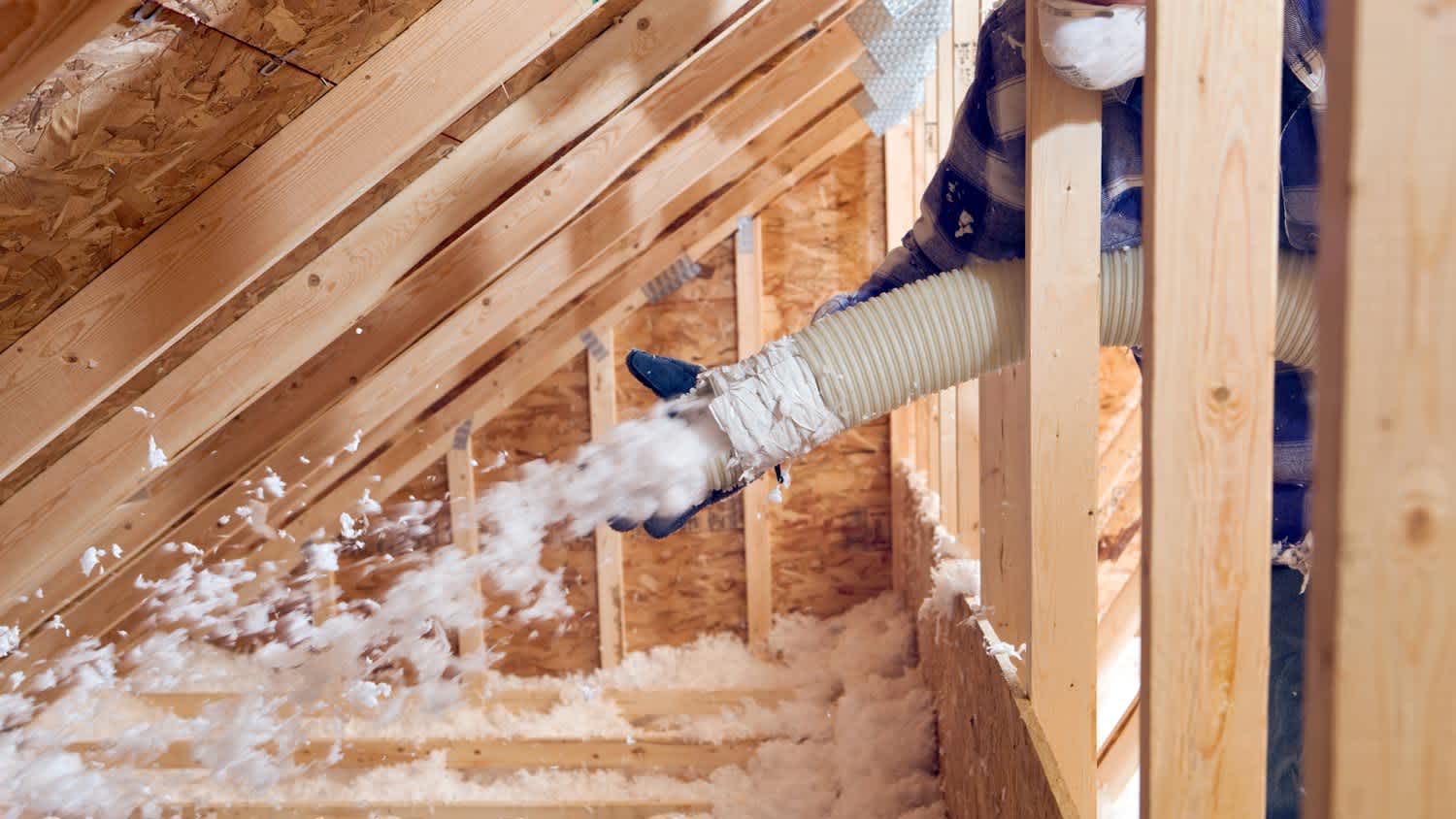
Are your energy bills spiking or rooms feeling drafty? Learn about blown-in insulation installation costs, urgency signs, and how to hire a local pro.

Remove blown-in insulation from your attic safely and efficiently by following this step-by-step guide and prep for your attic remodeling project.
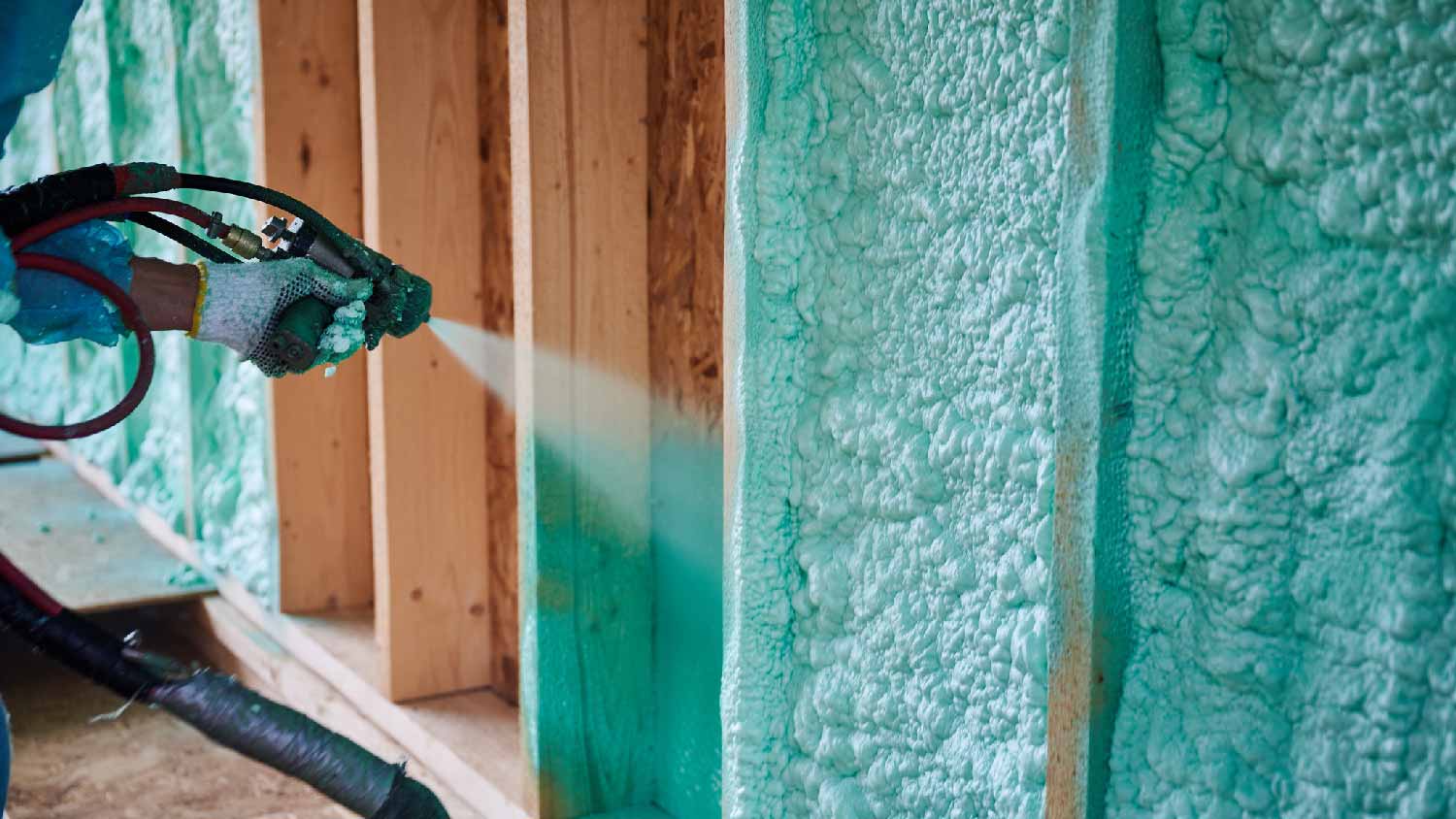
Are you stuck trying to decide between blown-in insulation and spray foam insulation? Factors like your budget and local climate will help you pick the right one.