

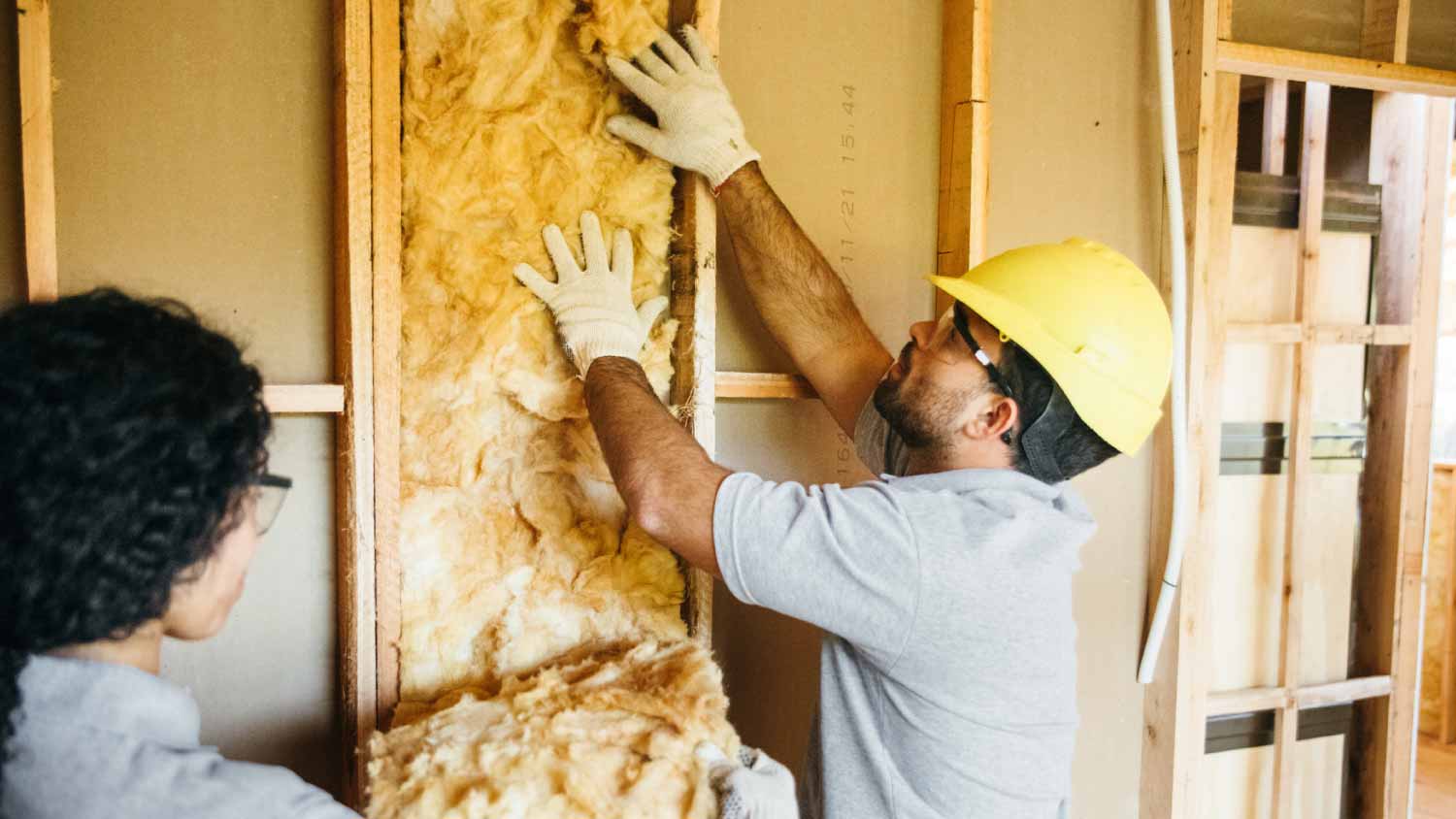
How much does it cost to insulate a wall? This guide breaks down the associated costs and variables to consider when setting your project budget.
You don’t have to go fishing for tips—our guide will show you all you need to know

Fishing wire through an insulated wall becomes easier when you use fiberglass rods with bull-nose tips instead of standard fish tape to avoid snagging.
Turn off the power at your circuit panel before starting any electrical work, and use a voltage tester to confirm electricity is truly off.
Remove your baseboards to access the bottom of the wall, drill through studs horizontally, and run the cable along this path without disturbing insulation.
Hiring a local electrical professional takes the guesswork out of fishing wire through insulation and keeps your home safe while adding new outlets or switches.
When houses are newly built, electricians install the wiring before the drywall goes up and the insulation is installed. But as time goes on, you may discover a need to install a new outlet or switch—maybe you bought a new appliance, you’re reconfiguring a room, or your family’s need for power sources has simply grown. In that case, you’ll need to fish wire through an existing wall. But what if there’s insulation blocking the way?
Knowing how to fish wire through an insulated wall can save you from having to call an electrician every time you need to install a new outlet. The insulation—particularly fiberglass insulation and foam insulation—can make the job a little more difficult than if you were snaking wire through an interior uninsulated wall, but it’s totally doable even for novice to moderately experienced DIY homeowners.
Below, we’ve put together eight tips covering how to fish wire through an insulated wall. Happy fishing!
Here are the outlet types you find in most U.S. homes:
15-amp, 120-volt (2-prong and 3-prong): The standard household outlet for lamps, TVs, and chargers.
20-amp, 125-volt: A higher-power outlet for kitchens, laundry rooms, and workshops.
240-volt (20-amp to 50-amp): A large-appliance outlet for dryers, ranges, and EV chargers.
GFCI: A shock-protection outlet for kitchens, baths, and other wet areas.
AFCI: A fire-protection outlet for bedrooms and living spaces.
Tamper-resistant: A child-safe outlet with internal shutters, now standard in new homes.
Weather-resistant: A corrosion-resistant outlet built for outdoor use.
Convenience types: Switched, combination, USB, smart, and rotating outlets.
Before taking on any electrical work yourself—whether you’re installing recessed lighting or moving an outlet—you should check with your local building inspector. They’ll ensure everything you’re doing is up to code.

This tip may seem obvious, but it’s still important to state: Always turn off the power before working with wiring. You don’t have to turn off the electricity to the whole house. Just use the circuit panel to isolate the outage to the room where you’re working.
To be safe, we recommend using a voltage tester to ensure power truly is off before beginning work. This is one of many tools for electrical work all homeowners should have.
Your walls may have fiberglass insulation, but they could also have blown-in cellulose insulation or some kind of spray foam insulation. It’s important to know what type of insulation you’re dealing with—in certain cases, the insulation may be too difficult for a homeowner to handle on their own.
Fiberglass batts should theoretically be installed with the paper backing toward you, with the “fluffy” pink bit facing outward. If that’s how yours is installed, you won’t have to worry about your wire snagging on the insulation, and it should be an easy project. However, fiberglass batts aren’t always installed right (that is, you may find the “fluffy” bit is facing toward you), so you may have to contend with some tougher-to-navigate insulation when feeding the wire through the wall.
Cellulose insulation is easy enough to fish wire through because it’s loosely packed, though glued-in cellulose may provide more problems. (If you’re ever weighing the pros and cons of cellulose insulation, particularly blown-in, remember how beneficial the loose packing is for running wires down the road!)
Foam insulation can pose more problems. Specifically, closed cell—a dense type of spray foam—is nearly impossible to work with as a DIYer. If you have foam insulation, you may need to call in the pros.

Fishing wire through a wall requires something called fish tape. Fish tape is great for interior walls that don’t have insulation, but you may run into trouble if you’re snaking cables through foam and fiberglass insulation because the fish tape can snag.
In that case, you’ll want to use a fiberglass rod that has a bull-nose tip. These flexible rods can guide your wire through the wall cavity and can more easily move through the insulation. Make sure the rod is long enough for the section of vertical or horizontal wall you’re passing through.
Fishing wires vertically is usually easier than horizontally, as you typically don’t have to worry about studs and other obstructions. We’ll cover some more wire fishing tips for horizontal installs below.
A fiberglass rod isn’t the only viable tool when fishing wires through insulation. If you’re having trouble guiding the wire, you may want to try one of two magnetic tools.
With magnetic ball chains or magnetic fishing bits, you’ll be able to guide the wire through the insulation behind the wall.
In the case of the former, you’ll attach a ball chain to the end of the fiberglass rod and feed the rod through the hole. You’ll then use a magnetic retriever tool from the other opening to grab the chain, magnetically, and fish the wire through.
The magnetic fishing bit is also a great tool to try if you’re having trouble. In this instance, you’ll attach the wire to a strong, magnetic leader and fish that through your opening. You’ll then press a second magnet (called a paddle magnet) against the wall to attract the magnet behind the wall. Once they’re “connected,” you can use small, deliberate motions to pull the magnetic leader down toward the other opening.

Fishing wires horizontally through insulation is more challenging because you also have to get through the studs spaced out along the wall. As an alternative, you can remove the baseboard from the bottom of your wall.
Once you’ve removed the baseboard, cut out the drywall that was covered by the baseboard. This will allow you to access the studs. Drill holes through the studs and fish your wire along the wall horizontally.
Just remember to wear proper safety gear (goggles, gloves, and a mask) if dealing with fiberglass insulation. Fiberglass is dangerous: It can cause skin and eye irritation if you come into contact with it, and if you inhale it, it can lead to breathing problems.
Because you’re reinstalling the baseboard, you don’t need to worry about putting the removed drywall back up. No one will see it!
If you don’t want to remove your baseboards, you could move from the floor to the ceiling. Instead of making cuts in your wall, run the wire horizontally outside the wall where it meets the ceiling, then cover it with decorative crown molding.
This way, you don’t have to make cuts, you don’t have to deal with insulation, and your wiring project also adds character to your room with the newly installed crown molding!
Correctly installing insulation can be difficult. Health and safety risks are involved; therefore, we highly recommend contacting a pro to ensure the job is completed safely and correctly.

Fishing wire through a wall can be tough as it is, but it’s extra daunting when you have to deal with insulation. If you’re not confident snaking the wire yourself, find a trusted electrician near you to do the job.
The fee should be minimal. On average, electricians cost $50 to $100 an hour.
If you’re good people wanting to do business with good people, hire Matt. He is a consummate professional and utterly competent. He installed a water heater in my home at a price that beat competitors by hundreds of dollars with a promise to support the unit for its life (even after its 6 yr...
 Greene's Plumbing Services
I would recommend this company to anyone! He showed up on time, was friendly, completed a very difficult repair on our dryer vent cover, was responsive, and pricing was extremely fair and competitive. I would have him back to do any of our repairs or cleanings without hesitation!
 U.S.A. Dryer Vent, LLC
Best cleaning I've had at my property
I conferred with 2 other contractors before Armstrong Electric. Nick and his crew showed me that the project was not as convoluted as the other contractors made it appear to be. They completed the entire project on time. They were professional, friendly and cleaned up after at completion. I...
 ARMSTRONG ELECTRIC, LLC
Our exterior looks brand new thanks to Custom Paint Jobs LLC. Theyre the best in town!
 Custom Paint Jobs, LLC
Excellent experience with hiring Tether House to Mount our 77’ Samsung TV in our bedroom. Fast, friendly, and knowledgeable. Highly recommend.
 Tether House
The techs on my project, Shawn and Cliff, were great. They were prompt, courteous, and efficient. I am very happy with the results and would definitely contact Mr. Electric for any future electrical projects.
 Mr. Electric of Columbus
We had our houses windows and back door replace this summer by Window Depot USA of Central. He gave us grate advise and saved my family lots money. The team did a fantastic job with installation. If you need help, they sure get job done right!
 Window Depot USA of Central Ohio
Beginning with the estimate, Larry and Peyton were super helpful in getting my new condo's interior re-painted. Not only was the job well done, but also done in a super timely manner as promised.
 Five Star Painting of Plain City and Powell
Great job...edging and pre clean up went well with a great job with seal coat. Friendly, efficient and professional.
 All Star Paving and Sealing
From average costs to expert advice, get all the answers you need to get your job done.
How much does it cost to insulate a wall? This guide breaks down the associated costs and variables to consider when setting your project budget.
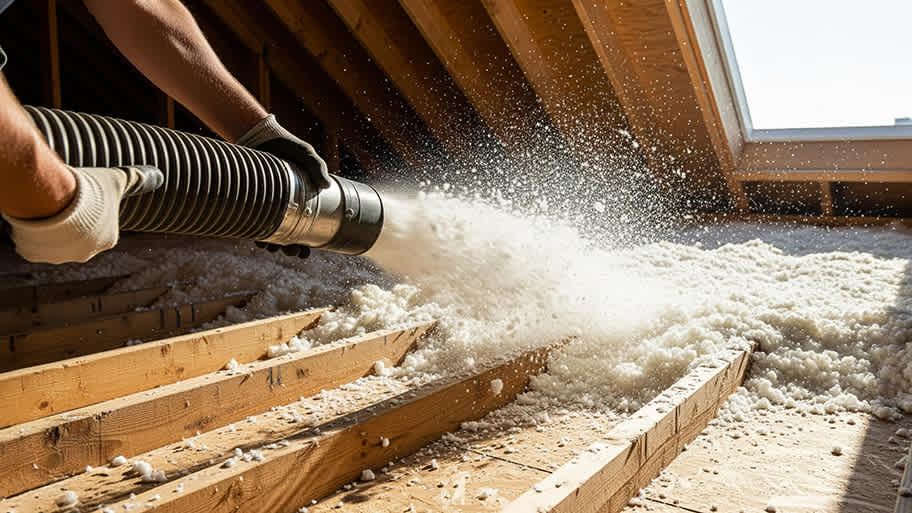
The cost of blown-in insulation costs varies depending on the type of insulation, labor, prep work, and more. Learn more about the cost factors in this guide.
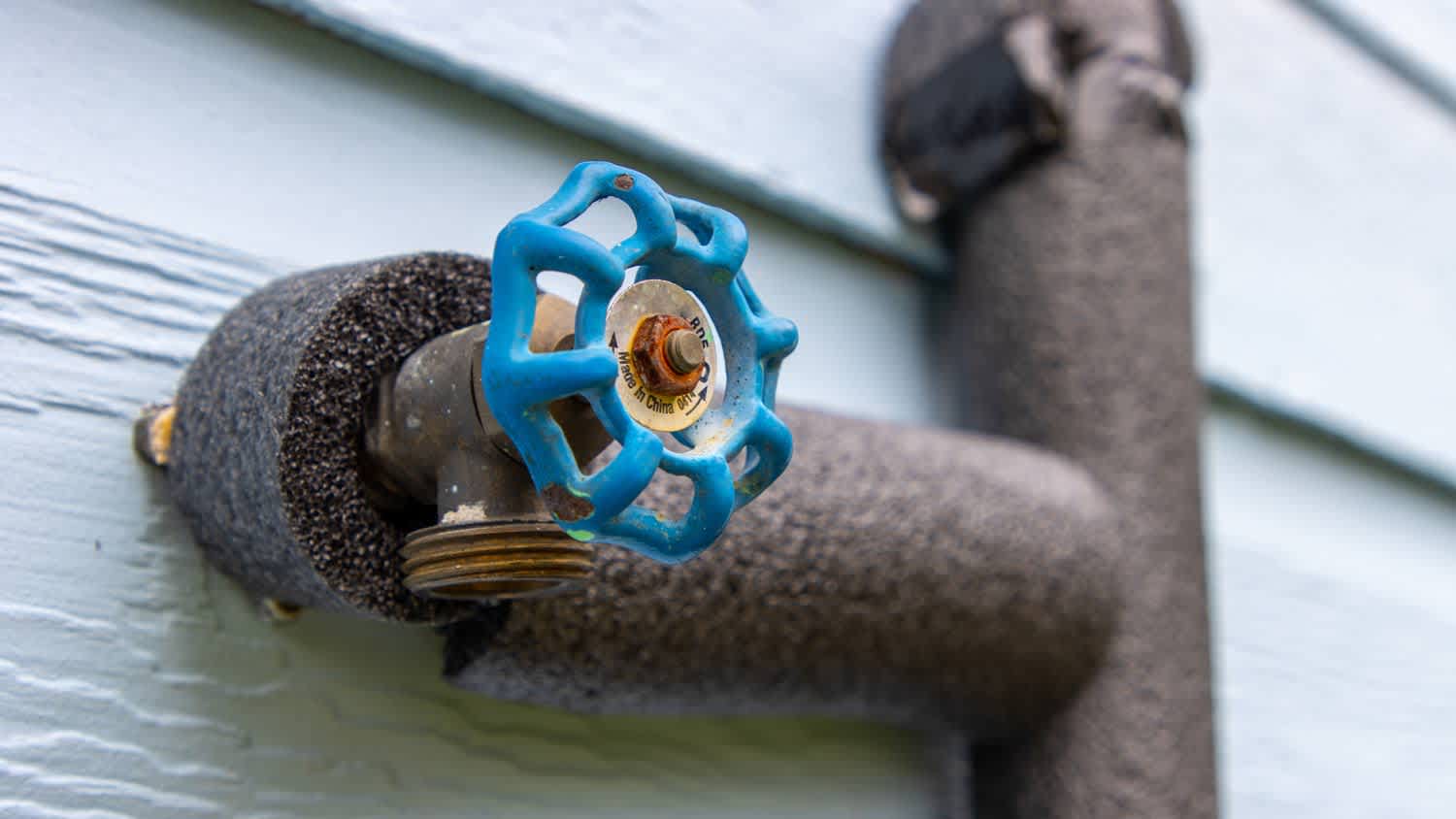
Find out the average pipe insulation cost, including material and labor prices, plus tips to save money on your project.

Water lines are necessary in a home, but you likely don’t want to see them sticking out from behind a fixture. Learn how to fish a water line through a wall.

Wiring your house for ethernet can provide high speed, reliable, and secure internet access. Here’s who can ethernet wire through your walls.

Learn how to run ethernet cable through walls and hide the excess cable so you can save on installation costs and enhance your home computing network.