
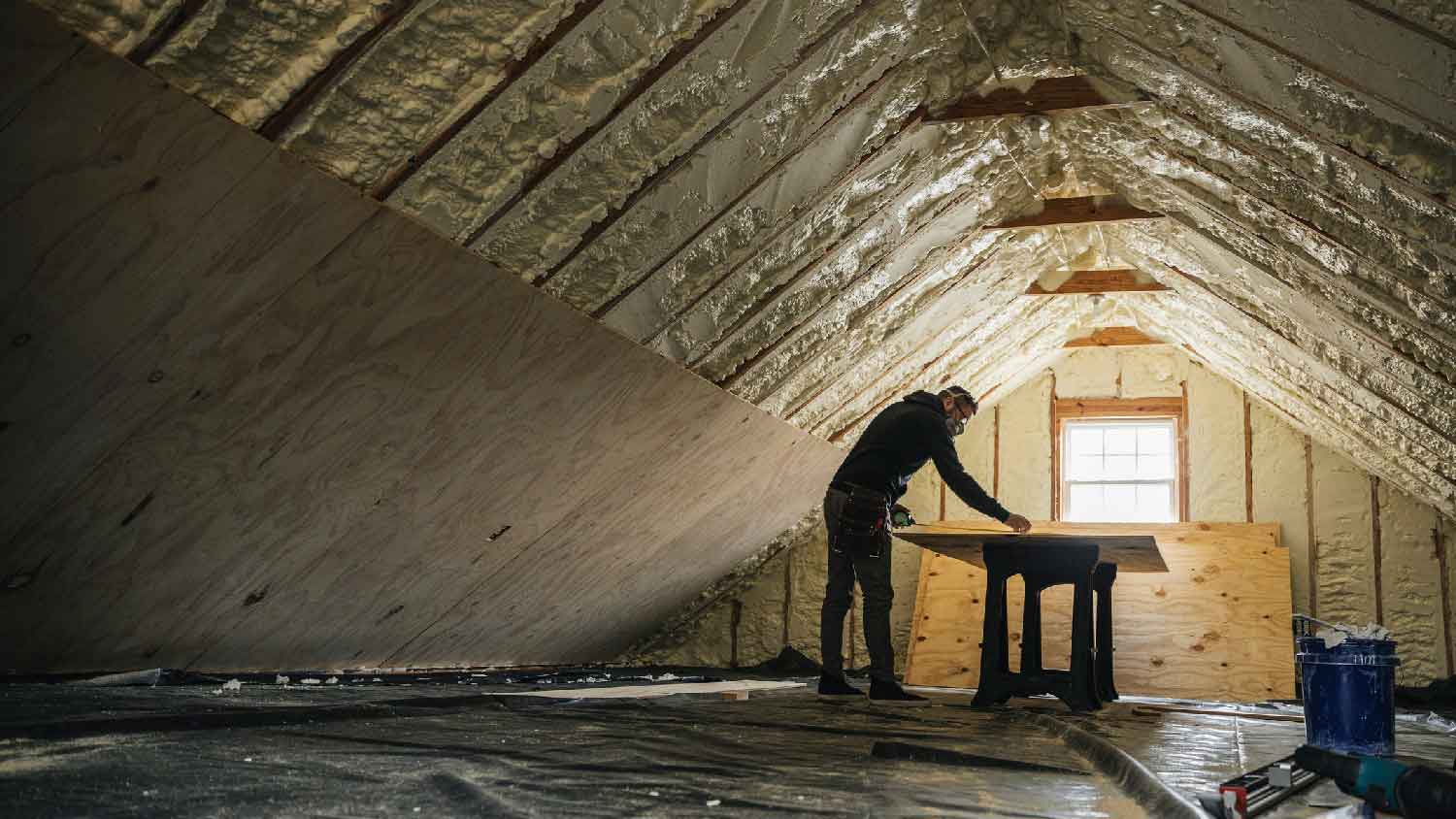
Your attic insulation removal cost in Denver, CO varies based on multiple factors, including why you're removing it and how easy it is to complete the task.
Insulation service costs depend on your project and location. Check with a local pro for your specific job.

Blown-in insulation costs $1.15 to $3.10 per square foot in Denver
The size of the area you’re insulating is the biggest cost factor because crews need more material and time to cover larger spaces
Higher R-values increase cost since they require deeper coverage.
Insulation plays a big role in how well Denver homes handle the city’s long, cold spells and quick temperature shifts. Blown-in insulation averages around $1,501, with most projects falling between $933 and $2,082. The price you’ll pay largely depends on how much coverage you need, the material you choose, and the R-value required for consistent comfort.
In Denver, CO, the cost of blown-in insulation depends on things like how much area you’re insulating and the level of coverage you’re aiming for. Knowing how these pieces fit together makes it easier to get a realistic sense of what this project will cost.
The biggest cost factor is the size of the area that requires insulation. A larger area requires more insulation and labor, increasing the overall price. This metric is calculated by multiplying your square footage by the cost per square foot of your chosen insulation materials, which are detailed below. However, a general range for blown-in insulation per square foot is $1.15 to $3.10, depending on the type.
| Area in Square Feet | Blown-in Insulation Cost Range |
|---|---|
| 500 | $575–$1,550 |
| 1,000 | $1,150–$3,100 |
| 1,500 | $1,725–$4,650 |
When measuring the efficacy of any insulation material, it all boils down to the R-value. Generally speaking, higher is better, though there are two metrics to consider. There’s the overall R-value and the per-inch R-value. For example, if you want a total R-value of 30, you’ll need ten inches of insulation at an R-value of 3.0 per inch. Materials with higher R-values cost more, like sheep’s wool, but you don’t need as much material to complete the installation.
Below is a breakdown of R-values and the corresponding prices:
| R-Value | Number of Bags per 1,000 sq. ft. | Description | Price Range |
|---|---|---|---|
| R-13–R-21 | 7–10 | Useful for light insulation needs, but insufficient for Denver’s colder months and large temperature fluctuations. | $235–$360 |
| R-30–R-49 | 15–20 | Offers basic protection against Denver’s cool temperature drops, but still below what most homes need for optimal winter efficiency. | $520–$1,450 |
| R-38–R-49 | 20–26 | A reliable range for maintaining steadier indoor temperatures through Denver’s long heating season. | $1,050–$1,550 |
| R-49–R-60 | 26–32 | Offers the highest level of protection against heat loss, helping to keep energy use more consistent year-round. | $1,480–$1,980 |
The cost to install blown-in insulation depends on the type of insulation you choose for the project. Anticipate spending anywhere between $0.55 and $2.20 per square foot for materials, not including installation. Below is a breakdown of each blown-in material type and how much it costs.
| Type of Blown-In Insulation | R-Value per Inch | Average Cost per Square Foot |
|---|---|---|
| Fiberglass | 2.5 to 3.5 | $0.55–$1.05 |
| Wet-spray cellulose | 3.2 to 3.7 | $0.70–$1.70 |
| Dense-pack cellulose | 3.2 to 3.7 | $1.90–$2.20 |
| Rockwool | 3.0 to 3.7 | $1.45–$2.15 |
| Natural wool | 3.0 to 3.7 | $1.70–$2.20 |
The cost to hire a professional to install blown-in insulation in Denver can extend beyond labor costs alone. Factors such as permits and taxes can also impact your final costs.
In Denver, insulation professionals charge $80 to $155 per hour, depending on the number of installers on the job and the complexity of the space. Jobs that require extra prep or additional coverage tend to take longer and fall at the upper end of the range.
Blown-in insulation alone usually doesn’t require a permit in Denver, but they may come into play if the project includes ventilation adjustments or electrical work. When needed, fees typically fall between $75 and $250, depending on the project’s scope.
Insulation contractors in Denver typically hold liability insurance and workers’ compensation, and most are licensed as Denver Residential Contractors, which covers non-structural residential work, including insulation and air sealing. These credentials increase contractor overhead, which affects the rates they charge, but they can also protect you and your home if there’s any unforeseen damage during the installation.
Denver applies a combined sales tax of about 8% to insulation materials. Labor isn’t taxed, so it’s worth double-checking your estimate to make sure the tax is only applied to the insulation materials and not the installation itself.
Blown-in insulation can make a significant difference in Denver homes by helping them stay warmer during prolonged, cold spells and reducing the frequency of heating system operation. It’s not the kind of project that typically shifts resale value, but the improved comfort and steadier energy use are qualities many buyers notice and appreciate.
Home is the most important place on earth, which is why Angi has helped more than 150 million homeowners transform their houses into homes they adore. To help homeowners with their next project, Angi provides readers with the most accurate cost data and upholds strict editorial standards. We survey real Angi customers about their project costs to develop the pricing data you see, so you can make the best decisions for you and your home. We pair this data with research from reputable sources, including the U.S. Bureau of Labor Statistics, academic journals, market studies, and interviews with industry experts—all to ensure our prices reflect real-world projects.
Want to help us improve our cost data? Send us a recent project quote to [email protected]. Quotes and personal information will not be shared publicly.
Home Performance Solutions gave me a bid for insulating an attached garage. Mike was incredibly knowledgeable and detailed. The bid and scope of work stood out from the rest. I was looking for a basic wall and ceiling bat insulation between the studs. He ended up recommending spray foam as...
Had a garage & shed insulated. Service was very professional & completed on time. The price for the service was outstanding, and I would recommend Shad & his crew to anyone. 5 out of 5 stars!
 Irons in the Fire Spray Foam
My experience throughout was positive. Josh, who estimated and oversaw the project, was accessible for any questions and even reached out himself. He was an excellent, accessible, and knowledgeable communicator. He gave a written estimate, quite reasonable one (the best that I received),...
 Insulation Nation
Jason and his crew were very professional, clean, and polite. They were very patient with me and all my questions. They even went above and beyond when I had a misunderstanding about how things work. I highly recommend Advanced Insulation Services! Integrity, Character, Compassion, and...
 Advanced Insulation Solutions
prompt on time service, great people to work with, I highly recommend them for insulation work
 Thermal Home Insulation
Energy Armor Wow, these guys were great! Scheduled quickly, showed up on time and did a marvelous job with blown in insulation! They were pleasant, professional, cleaned up afterwards and the newly insulated attic was immediately apparent in the house! The house feels â buttoned upâ now,...
 Energy Armor, LLC
I was very pleased with the professionalism REenergize CO displayed. I would recommend this firm to anyone needing a quality insulation.
 REenergizeCO, Inc.
As a senior I felt very confused about the cost and selection of new flooring â Jack educated me on product selection, what the process of floor insulation involved. The skill at which Jack and his helper Logan installed my vinyl plank flooring was easily noted when I saw the finished...
From the on-site review and estimate process to the completion of the project, this has been one of the best contractor experiences we have had. Ryan (owner) personally came to estimate our project (attic and crawl-space insulation), was patient in addressing our questions and, within 24...
 NetZero Insulation
Insulation Pros of Colorado were outstanding. They were timely, did a great job, respected us and our home, and answered all our questions. Best yet they nearly cut our utility bill in half for Sept compared to that for July and August ... and this Sept hit all time high temps.
 Insulation Pros of Colorado
From average costs to expert advice, get all the answers you need to get your job done.
Your attic insulation removal cost in Denver, CO varies based on multiple factors, including why you're removing it and how easy it is to complete the task.
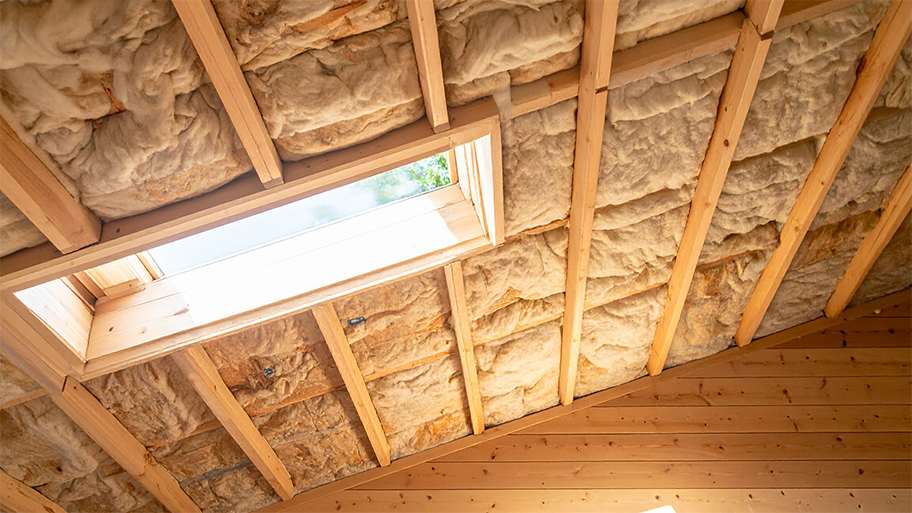
Insulating your attic can improve your home’s efficiency and reduce electric bills. Use this guide to find out what attic insulation will cost you in Denver, CO.
New insulation makes your home more comfortable and boosts energy efficiency. Use this guide to budget for insulation installation costs in Denver, CO.

Remove blown-in insulation from your attic safely and efficiently by following this step-by-step guide and prep for your attic remodeling project.
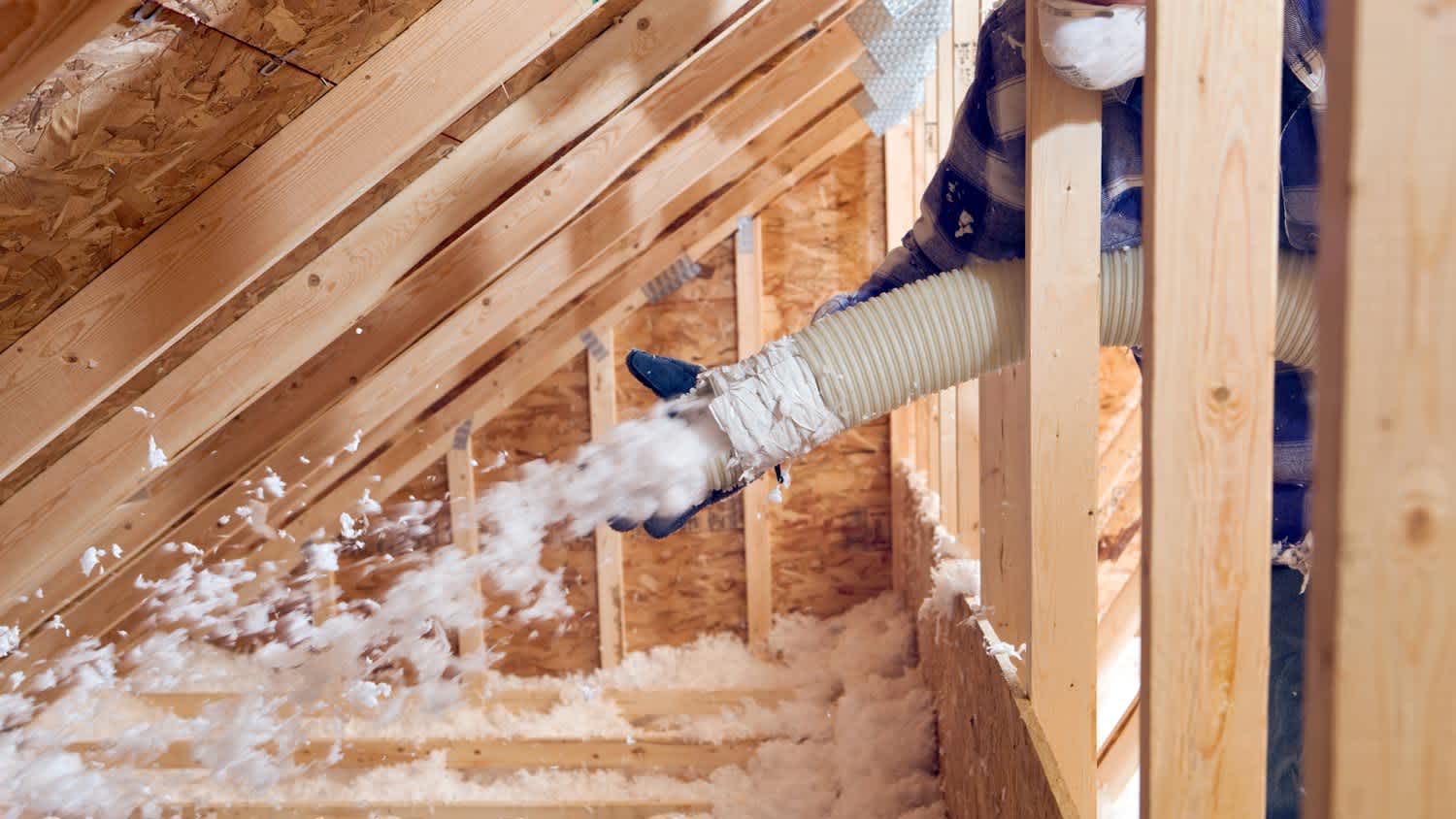
Are your energy bills spiking or rooms feeling drafty? Learn about blown-in insulation installation costs, urgency signs, and how to hire a local pro.
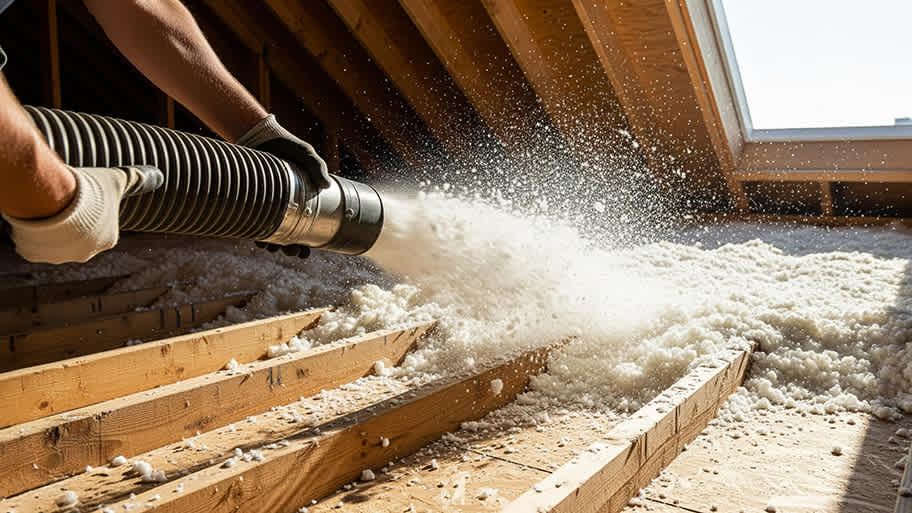
If you’re wondering what blown-in insulation is, keep reading to discover everything you need to know about this type of insulation for your home.