
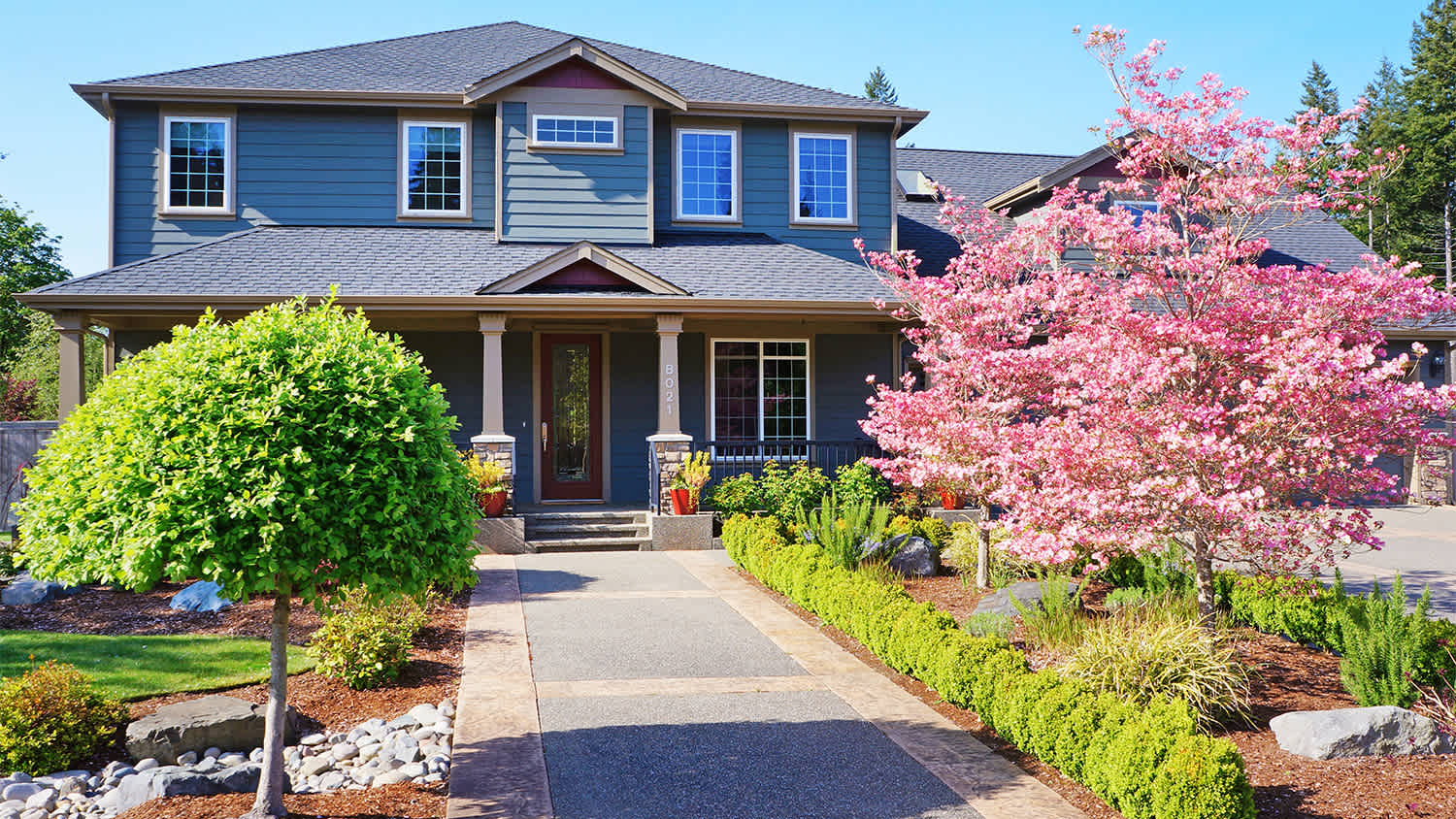
A landscape designer can elevate your outdoor space and bring your vision to life. Use this landscape design cost guide to budget for your next project.
Add a layer of protection against pesky weeds

Top-rated landscape fabric blocks weeds from growing through your soil while allowing water and air to reach your plants and garden beds.
Landscape fabric costs $0.20 to $0.24 per square foot for materials, or $0.44 to $0.75 per square foot with professional installation included.
You should choose permeable fabric for your flower beds and gardens, while plastic works best for rock beds where plants won't grow.
Hiring a local lawn care professional keeps your landscape fabric installation on track, including proper soil preparation and securing fabric around existing plants.
If you dread tending your garden because of its never-ending battle with weeds, it’s time to call for reinforcements—and landscape fabric might be the ally you need. Landscape fabric is like a protective cloak for your garden, helping to block pesky weeds from popping up around your plants.
However, it’s not a perfect solution and won’t be ideal for every situation. Here’s what to know about landscape fabric, the pros and cons, and other alternatives for weed control around your garden and landscape.
Landscape fabrics, sometimes called weed barrier fabrics or garden fabrics, are mainly geotextiles that block weed growth while still allowing water and air to penetrate the soil. These fabrics are typically made from polyester, linen, or recycled materials, though they also come in polypropylene and other nonpermeable varieties. They’re used primarily around vegetable patches, flowerbeds, trees, and other planted areas, but they can be quite useful for rock beds, too.

Landscape fabrics can be a great tool to keep weeds at bay, but they also have some setbacks. Here are the main pros and cons to consider when deciding whether landscape fabric is right for your project.
Weed control isn't the only benefit landscape fabrics can bring to your garden or flower beds. Weed barrier fabrics also limit evaporation, helping to conserve water and keep your soil moist. On top of that, they help insulate the soil and prevent soil erosion, all while minimizing the need for chemical herbicides.
Plus, landscape fabric can be a handy tool if you're using rock mulch in your landscape or flower beds. Not only does it help get rid of weeds in rocks, but it also acts as a barrier between them and the ground, preventing them from sinking into the soil.
Landscape fabric has its advantages, but it also has some disadvantages. For starters, it isn’t a 100% effective weed control solution. Weeds can still pop up occasionally, and the wind can blow weed seeds into the mulch layer above the fabric. When new weeds sprout, their roots often become tangled in the barrier, making it difficult to pull the weeds up by hand.
Another major drawback to landscape fabric is that, when topped with organic types of mulch, it prevents nutrients from reaching the soil as the mulch breaks down. If you’re laying the fabric, you’ll want to amend the soil underneath beforehand, as you won’t be able to do anything once that fabric is down. The benefits of landscape fabrics also start to wear off after about a year, and sooner if you repeatedly puncture them to switch up your flower beds.
Landscape averages about $0.20 to $0.24 per square foot at your local hardware store or online retailer. With labor, it can cost between $0.44 to $0.75 per square foot. If you plan to have it installed by a local lawn care service, you can get the most from your labor costs by bundling the service with your other landscaping needs, such as mulching or planting your shrubs and garden plants.

When working with landscape fabric, selecting the right type is crucial. The fabrics come in permeable varieties that are often biodegradable, and plastic or polypropylene types that do not degrade or allow in air and moisture. Permeable landscape fabrics are ideal for flower beds and garden beds where plants need air to survive and thrive, while plastic is perfect for rock beds and other areas where there won’t be plant life.
Quality is another factor to consider when selecting a landscape fabric. Budget varieties can be tempting, but they can rip easily and might not make it through a single season. Products with heavier weights will generally hold up for much longer. Still, it’s always a good idea to read customer reviews or consult your local garden center for recommendations before purchasing.
Landscape fabrics aren't the only weed-blocking materials that can form a protective layer against weeds.
Burlap: This material is similar to landscape fabric, with an open weave that allows air and water to pass through, helping the soil retain moisture and block weeds.
Newspaper: Collect old newspapers and use them to smother weeds, layering four to eight sheets to block sunlight entirely.
Cardboard: You can also block weeds with a layer of cardboard, a practical and budget-friendly way to reuse those cardboard boxes you no longer need.
Wood chips: This biodegradable mulch option will provide top-notch weed control around your trees and shrubs.
D1 Roofing delivers outstanding service from beginning to end, backed by a strong warranty and expert teams. I highly recommend them for their excellence in meeting and surpassing expectations with unmatched communication. Choosing D1 Roofing was flawless decision
 Division 1 Roofing LLC
We had our houses windows and back door replace this summer by Window Depot USA of Central. He gave us grate advise and saved my family lots money. The team did a fantastic job with installation. If you need help, they sure get job done right!
 Window Depot USA of Central Ohio
Wonderful. I am going to have them remove and replace my driveway in the spring.
 All Star Paving and Sealing
We were having 2”x 2” tile installed . There was a small installation error and the new additional replacement tile was from a different lot and the colors didn’t match. Joe assured us that he would rectify everything , which he did without hesitation. We decided to go with the 18” x 36” tile...
 CarifaTile
We had a 20+ year old landscape lighting system that needed replacement. Midwest Lightscapes worked with us to design a much improved lighting system, lighting the exterior of the house and the back yard. Installation of the 45 light system took one and one-half days, and went very smoothly....
 Midwest Lightscapes
Did an amazing job transforming my yard. Also installed sod in places, would recommend to everyone.
 Cardinal Landscaping & Construction LLC
They show up and they did take us on as a client which seems to be a problem with other lawn care providers. We have multiple properties and this one was located close to downtown and no one really wants to mess with it.
The worker came out when he was supposed to come. He informed me he would honor the Angie's List deal, but would not do any more work for me since my son in law owns lawn care company as well, even though they do not do the same type of work. He said he did not feel comfortable giving me...
 Bello Giardino LLC
E & L Lawn Care was super. They were very responsive before and after service. They were efficient and were able to complete the job within 1 day. I have had concern about one section of sod - the owner was pro-active and did a visit to evaluate. I have no doubt they will stand behind...
 E&L lawn care
From average costs to expert advice, get all the answers you need to get your job done.
A landscape designer can elevate your outdoor space and bring your vision to life. Use this landscape design cost guide to budget for your next project.
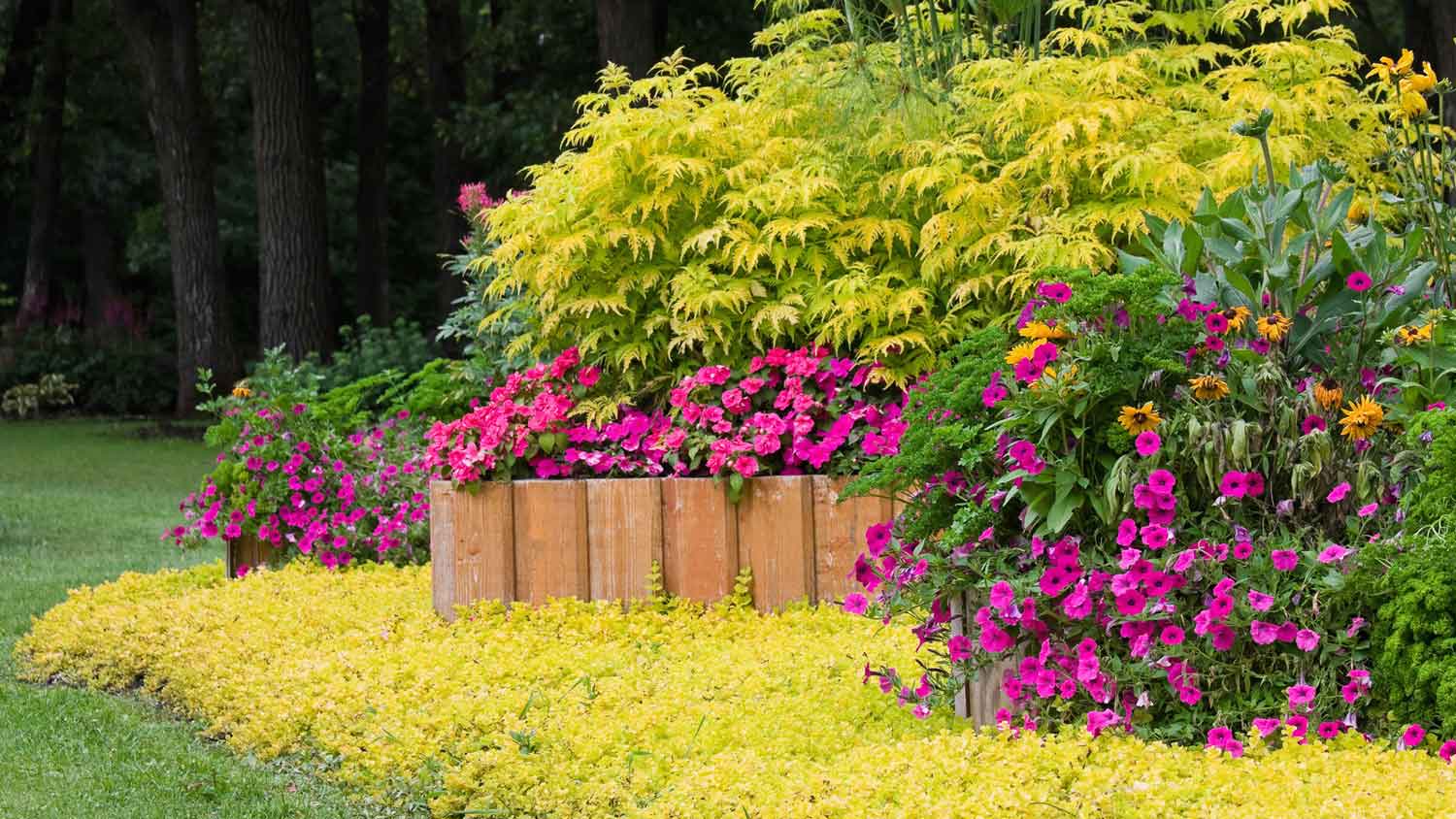
Learn how to install landscape timbers around plant beds and walkways for a professional-looking edge. Boost your home’s curb appeal by doing so.
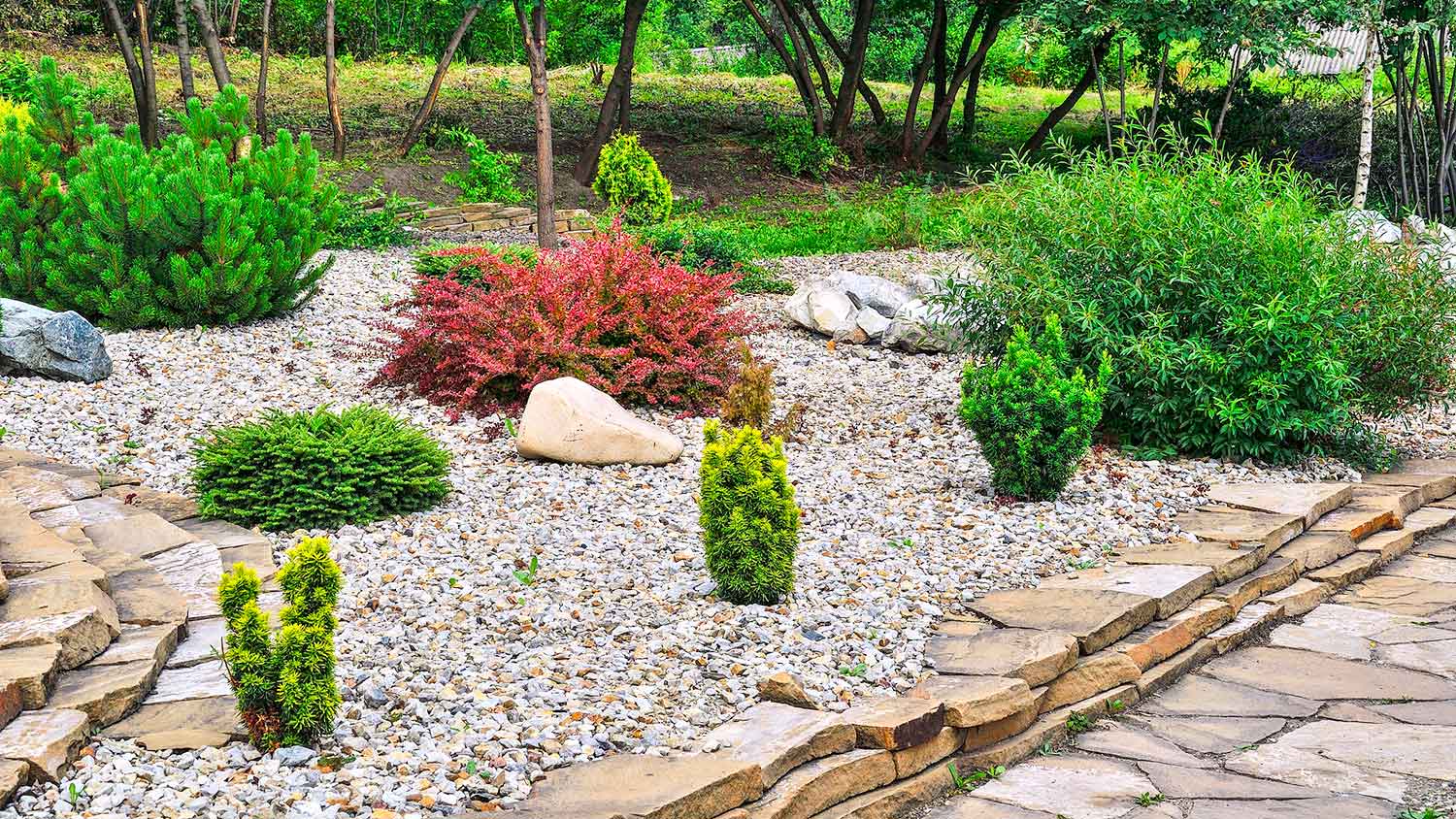
Landscaping rocks are used for a variety of landscaping designs. Learn how to keep landscape rocks in place to keep your yard looking great.
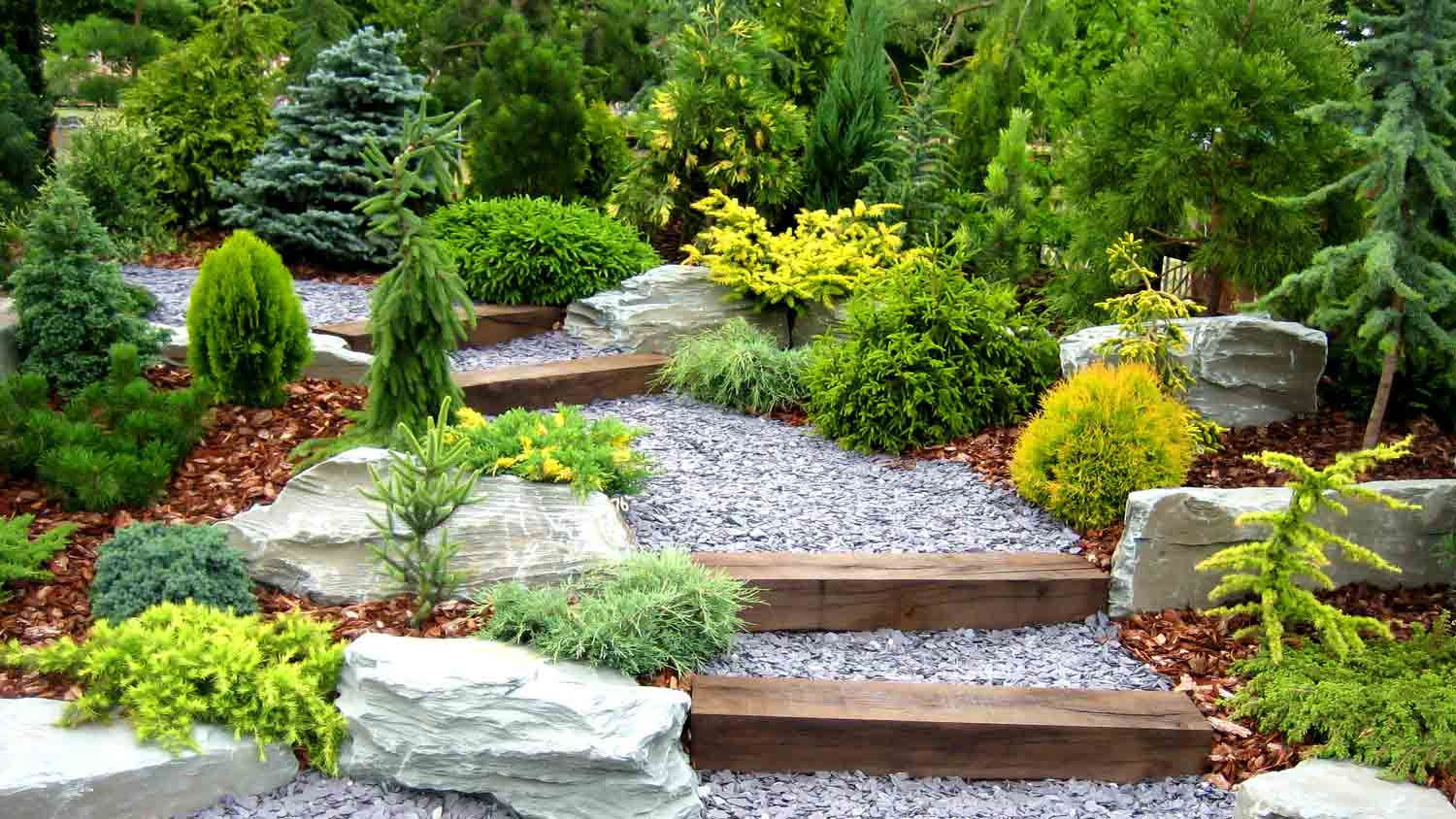
If you are looking to upgrade your yard, you will need a solid landscape design. This guide will show you who to hire to plan your landscape.
A good landscaping website can help you land more sales and build your credibility. Read our list of must-have pages and ideas for your website to help potential clients find you and drive more business for your lawn care company.
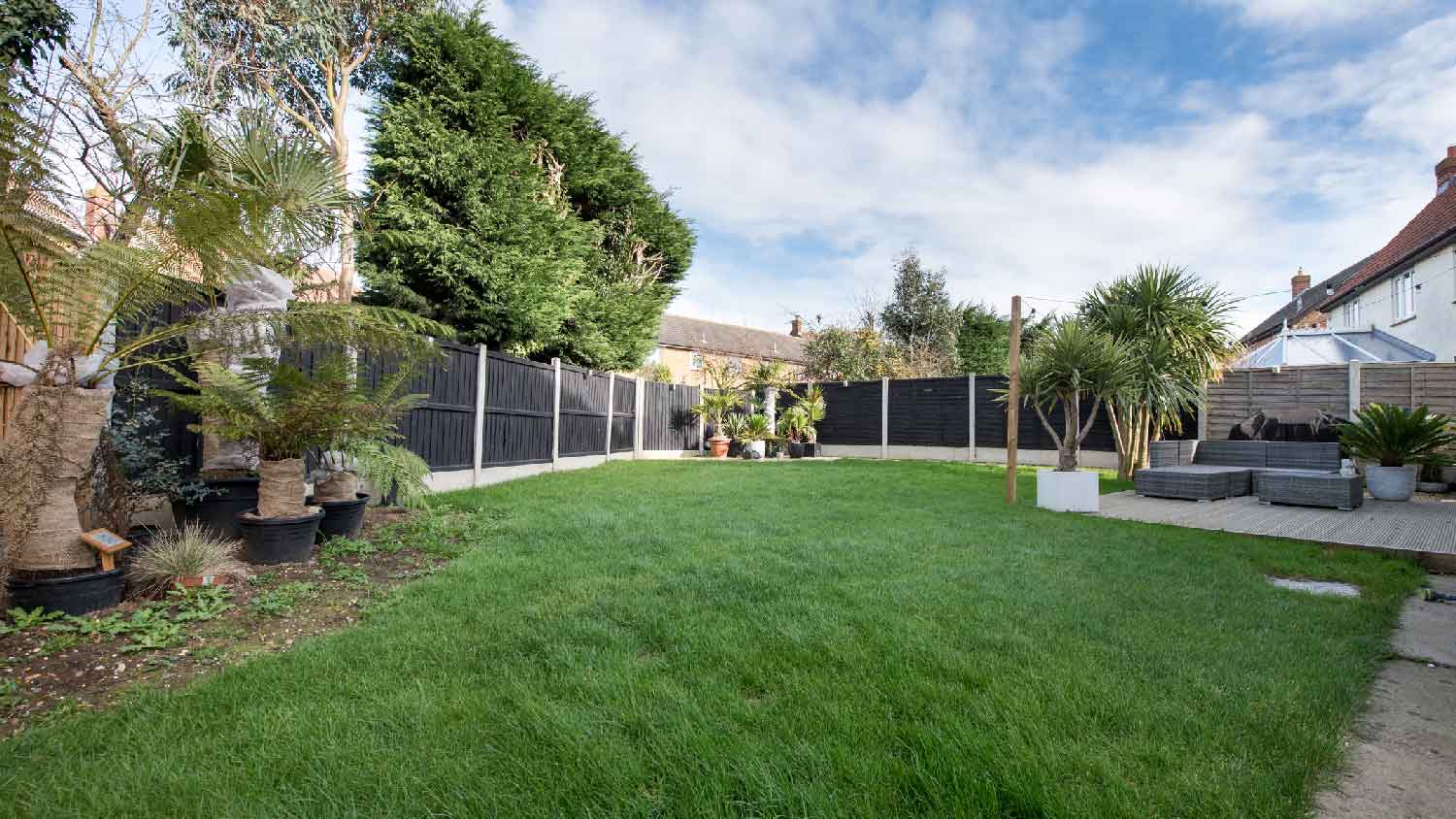
Planning a yard redesign? Learn what a landscape architect does, how much their design services cost, and how to hire the right local pro for your project.