
•
Find out the average mulch delivery and installation cost, plus key factors that impact your price. Learn how to budget, compare options, and save on your landscaping project.
Just a quick calculation, and you’ll be on your way to boosted curb appeal

Calculating how much mulch you need depends on your garden bed area and your desired mulch depth, with 2 to 3 inches recommended for most projects.
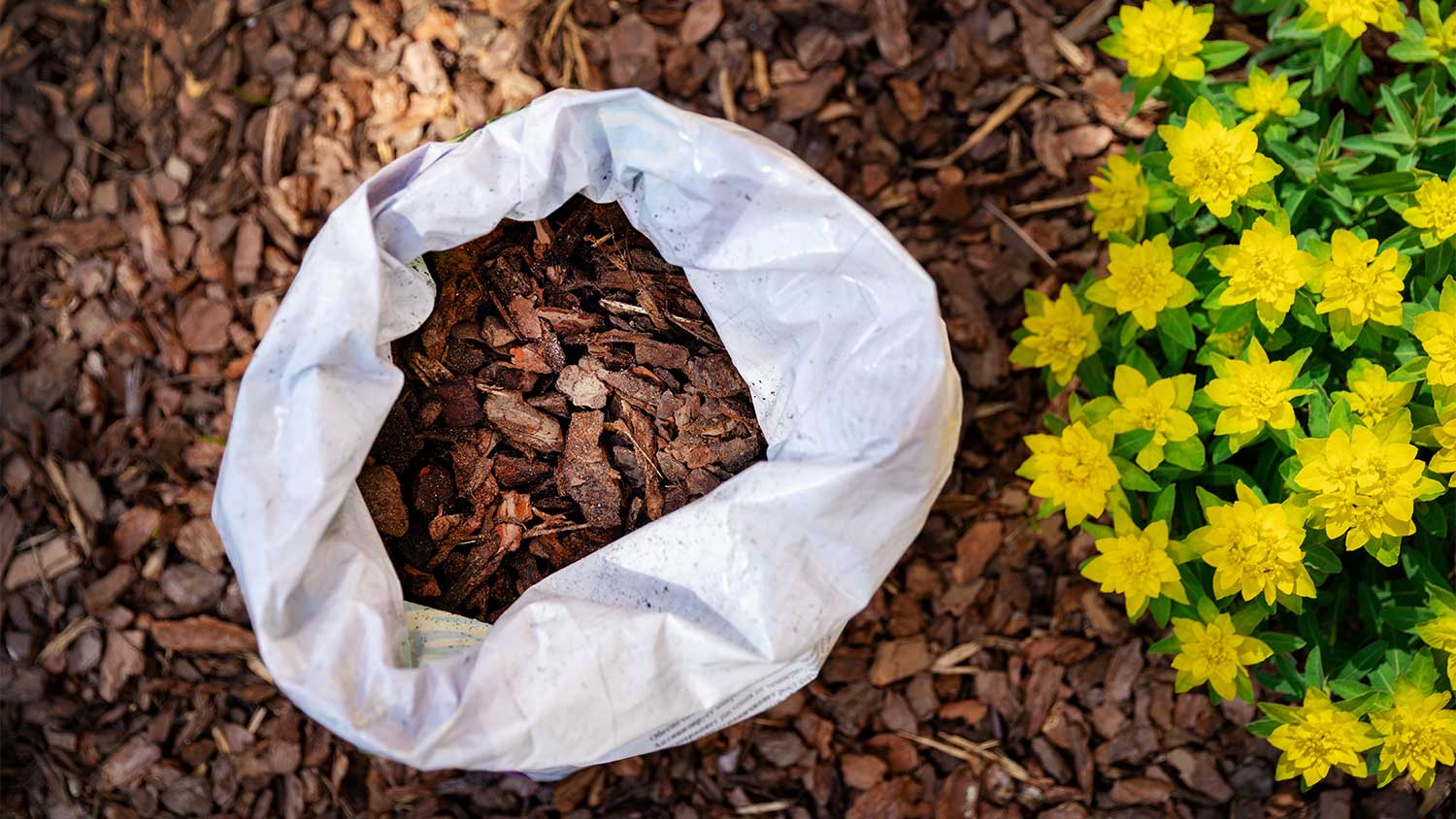
One bag of mulch covers around 9 square feet at 2 inches deep or 6 square feet at 3 inches deep, helping you plan your purchase.
Your mulch type determines maximum safe depth, with fine mulch limited to 3 inches and coarser mulch reaching up to 4 inches without harming plants.
Hiring a local mulch delivery professional saves you from hauling heavy bags and ensures you get the right amount for complete coverage and proper application.
Mulch protects your plants, keeps moisture in the soil, and suppresses weeds, whether you have a tree-lined walkway or a garden full of veggies. But how many bags of mulch do you need? Thankfully, there's a simple formula you can use to work out how much mulch you should be using. In this guide, we’ll help you figure out how much mulch to get for your landscaping project.
Too much mulch can hinder plant growth as it blocks the nutrients, sunlight, and water it needs to grow. One to four inches of mulch is your average mulch depth for most plants.

Every cubic yard of mulch will cover around 162 square feet at a depth of 2 inches or 108 square feet at a depth of 3 inches. Your first step in figuring out how many cubic yards of mulch you need for your project is to determine what area of the space you want to cover. You can use the formulas below based on your project.
For square or rectangular beds: Work out the size of the area you want to cover by multiplying its width and length.
For round beds: Measure the radius, the distance from the center of the circle to the edge of the bed. Multiply that by itself and then by 3.14.
For beds with a varied shape: For all other shapes, including non-standard designs, you can take the dimensions in two directions at the widest parts and multiply them together. You’re likely to overestimate how much mulch you need, but that’s better than not having enough.
Now that you know the surface area in square feet, you multiply that figure by the depth you want your mulch to be in inches and divide by 324. That tells you the number of cubic yards you need for your desired coverage. Just round up to the nearest whole number to make sure your local mulch delivery company delivers enough. You can also use the table below, which shows how much mulch you'll need by area and depth, rounded up to the nearest cubic yard.
| Area (Sq. Ft.) | 2 Inches Deep (In Cubic Yards) | 3 Inches Deep (In Cubic Yards) |
|---|---|---|
| 50 | 1 | 1 |
| 100 | 1 | 1 |
| 200 | 2 | 2 |
| 250 | 2 | 3 |
| 500 | 3 | 5 |
| 650 | 4 | 6 |
| 750 | 5 | 7 |
| 900 | 6 | 9 |
| 1,000 | 7 | 10 |
If you’re planning on picking up the mulch yourself instead of hiring a pro to deliver it for you, chances are you’ll be buying it in bags instead of in bulk. The average bag of mulch contains 1.5 cubic feet of mulch, which can cover around 9 square feet at a depth of 2 inches or 6 square feet at a depth of 3 inches. You can use the formulas above to determine your coverage area and then divide by 9 or 6 to figure out how many bags of mulch you need for a depth of 2 inches or 3 inches, respectively.
You can also use the table below to get an estimate of how many bags of mulch you need without doing any math.
| Area (Sq. Ft.) | 2 Inches Deep (Number of Bags) | 3 Inches Deep (Number of Bags) |
|---|---|---|
| 10 | 2 | 2 |
| 20 | 3 | 4 |
| 50 | 6 | 9 |
| 100 | 12 | 17 |
| 200 | 23 | 34 |
| 500 | 56 | 84 |
Generally speaking, you should never put down more than 4 inches of mulch. Most garden beds benefit the most from a mulch depth of 2 to 3 inches.
The type of mulch you choose determines the maximum depth you can use safely around plants. Too much, and your plants don't get enough air or water. Too little, and the mulch doesn't do its job to keep weeds at bay, maintain proper soil moisture, and insulate the ground.

Fine, dense, small-particle mulch, like shredded hardwood and mulched leaves, has a maximum safe depth of 3 inches, but a depth of 1 to 2 inches is usually best unless you live in an arid area. Because it creates such a dense layer, airflow is limited, so if you go any deeper than 3 inches, you risk starving your plants of oxygen, even in drier climates.
Popular types of organic and inorganic mulches that should be kept to a depth of 3 inches or less include the following:
Shredded hardwood
Shredded softwood
Rotted manure
Gravel
Tumbled glass
Slate chips
Coconut coir matting
Mulched leaves
A dense, heavy layer of mulch can cause dry soil, too, which is the opposite of what you want when putting down mulch. Instead of percolating through the mulch, picking up nutrients as it goes and working its way to the soil and your plant roots, the water can't get through easily and might never make it down into the soil.
The dense, moist layer with very limited airflow that results can encourage fungal pathogens and pests. This is especially an issue if you don’t remove old mulch before laying down the new layer.
Larger and lighter mulch types, such as straw, pine bark nuggets, and other coarse mulches, can go up to 4 inches deep. These coarser types of mulch allow more airflow and don't form such a dense, heavy layer, so even at a depth of 4 inches, there's still plenty of oxygen and water getting through.
Lighter mulch types that can safely be used around plants at a depth of 4 inches or under include the following:
Straw
Pine needles
Coarse bark chips
Shells
Seaweed
Grass clippings
The volume of mulch to use depends on how you plan to use it. Want to grow fruits and veggies? Great, go for something you can easily dig through. Need something for under the kids' swing set? Grab something longer-lasting that’s less likely to track inside. Below, we’ll include some recommendations for which mulch to use and when.
In the vegetable garden, a 2- to 3-inch layer of straw is sufficient, and you'll need to replace it annually. In areas where you won't be digging much but still want your plants to thrive, such as adding mulch to flower beds, you can go for coarse wood mulch at up to 3 inches deep.
If you want to suppress weeds in an area where you're not actively planting, such as a walkway, or you want to create a safe but natural surface in a kids’ play area, you can use longer-lasting coarse bark chips at a depth of up to 4 inches.
Trees and established perennials can tolerate a layer of coarse mulch up to 3 inches deep, or a fine-textured mulch up to 2 inches deep. It makes sense to add a longer-lasting mulch around these types of plants.
This is because you won't be digging around them much, so you don't have to worry about trying to work through a deep coarse mulch layer, and you'll only have to top it up or replace it every three to five years.
Removing old mulch before adding new isn’t required, but it generally looks better. Mulch fades over time, especially when planted in direct sunlight. Old mulch will show through the new layer—especially with stark colors like black mulch.
Can’t decide whether it’s better to get mulch by the bag or delivered in bulk? First, figure out your coverage area using the formulas above and the depth of mulch you want. Calculate based on both cubic yards and bags.
If you need less than 0.5 cubic yards or fewer than 25 bags based on your calculations, it’s a better idea to buy mulch in bags, as most mulch delivery companies have minimum quantities they’ll deliver, starting at 0.5 cubic yards (the equivalent of about 25 bags of mulch).
If you need 50 or fewer bags and have a pickup truck or trailer you can tow to transport the mulch, consider saving on delivery fees by buying the mulch in bags and putting in a little elbow grease to load and unload them. If you need more than 50 bags or don’t have a truck available, hiring a local delivery company is your best option.
Amazing job. Efficient and quick without compromising quality. Basement feels brand new. Would use them again in a heartbeat.
 AffordaPro Restoration
This company went above and beyond with their work, chimney sweeps are usually pretty messy, but the clean up was spot on.!! Josh explained every thing that he was doing, and the things that he was checking to make sure the chimney was safe for me and my family. He was very professional,...
 Supreme brick & chimney
Flawless finish and exceptional service. Custom Paint Jobs LLC is the only choice for me.
 Custom Paint Jobs, LLC
Window Depot did an amazing job on my deck. I wasnt sure what I wanted to do, but their composite decking was affordable and will last a long time. I am excited to have family over, and I am no longer embarrassed by my backyard. Jeff and the ground crew were polite, respectful, and caring for...
 Window Depot USA of Central Ohio
Wonderful company to work with. Very easy to get in touch with and communicate with. The cleaners do an excellent job and pay close attention to detail. Fair pricing, always dependable which I truly appreciate. They show up when they say they will, and my home is immaculate when they finish....
 Sparkle Machine Clean Co.
I definitely recommend Ramonaâ s cleaning service! I have booked services with her many times and she arrives on time, ready to work and provides a great service.
 Your Cleaning Solutions LLC
Great job...edging and pre clean up went well with a great job with seal coat. Friendly, efficient and professional.
 All Star Paving and Sealing
Good workers and they do a good job.
 Mira Construction
Fantastic! Top Line was early for the appointment and very knowledgeable and took time to explain everything they had found during the home inspection. The report included clearly defined issues and what they recommended to remedy the same. The report also included many pictures to help...
 Top Line Home Inspections, LLC
They cleaned my very dirty basement. They were prompts, quick, thorough and their price was fair.
 JDE House Cleaning LLC
From average costs to expert advice, get all the answers you need to get your job done.
Find out the average mulch delivery and installation cost, plus key factors that impact your price. Learn how to budget, compare options, and save on your landscaping project.
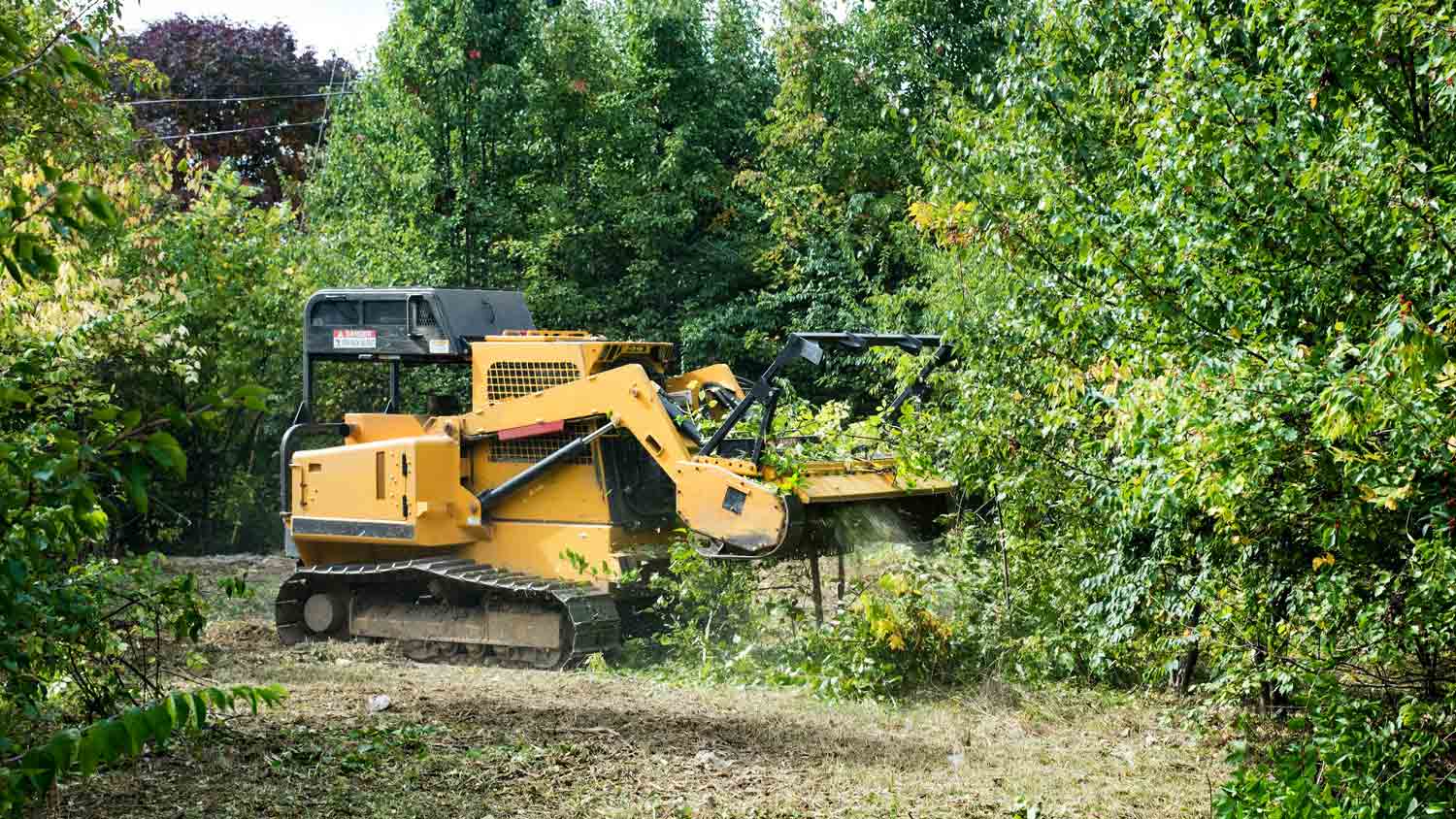
Discover the average forestry mulching cost, including per-acre and hourly rates, plus key factors that impact your total price. Get expert tips to save on your project.
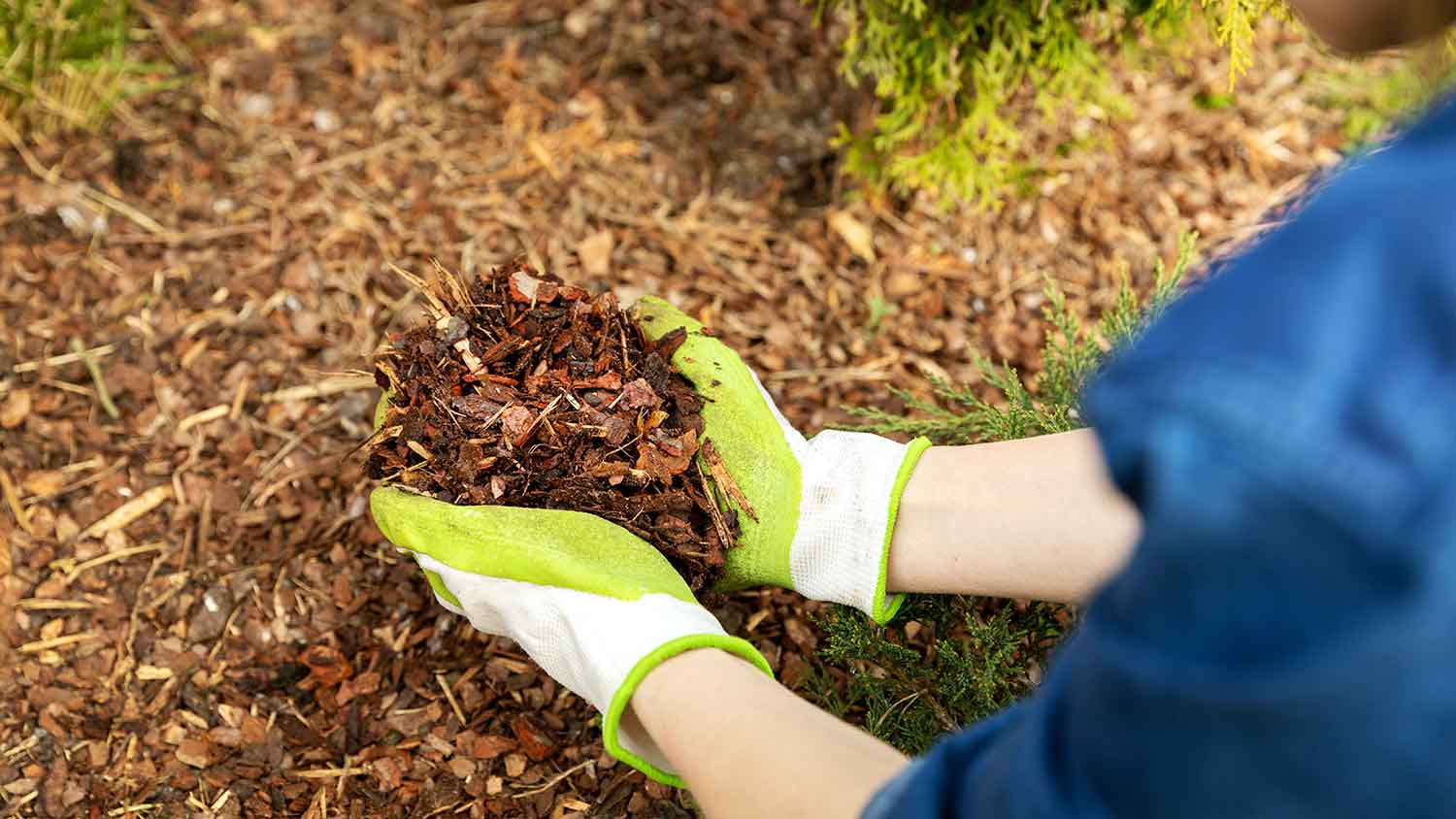
Discover mulch removal cost estimates. Discover what influences pricing, compare DIY vs. professional services, and find expert tips to save on your mulch removal project.
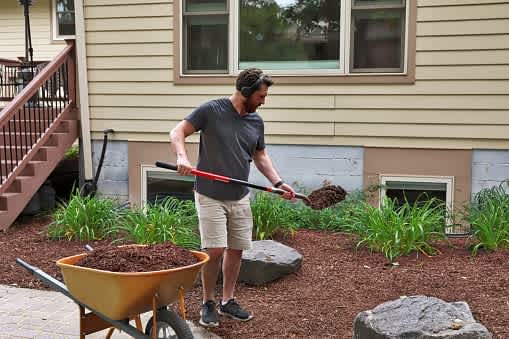
If you’re looking at your yard wondering, “How many bags of mulch do I need?” This calculator will help you determine the exact amount of mulch you should buy.
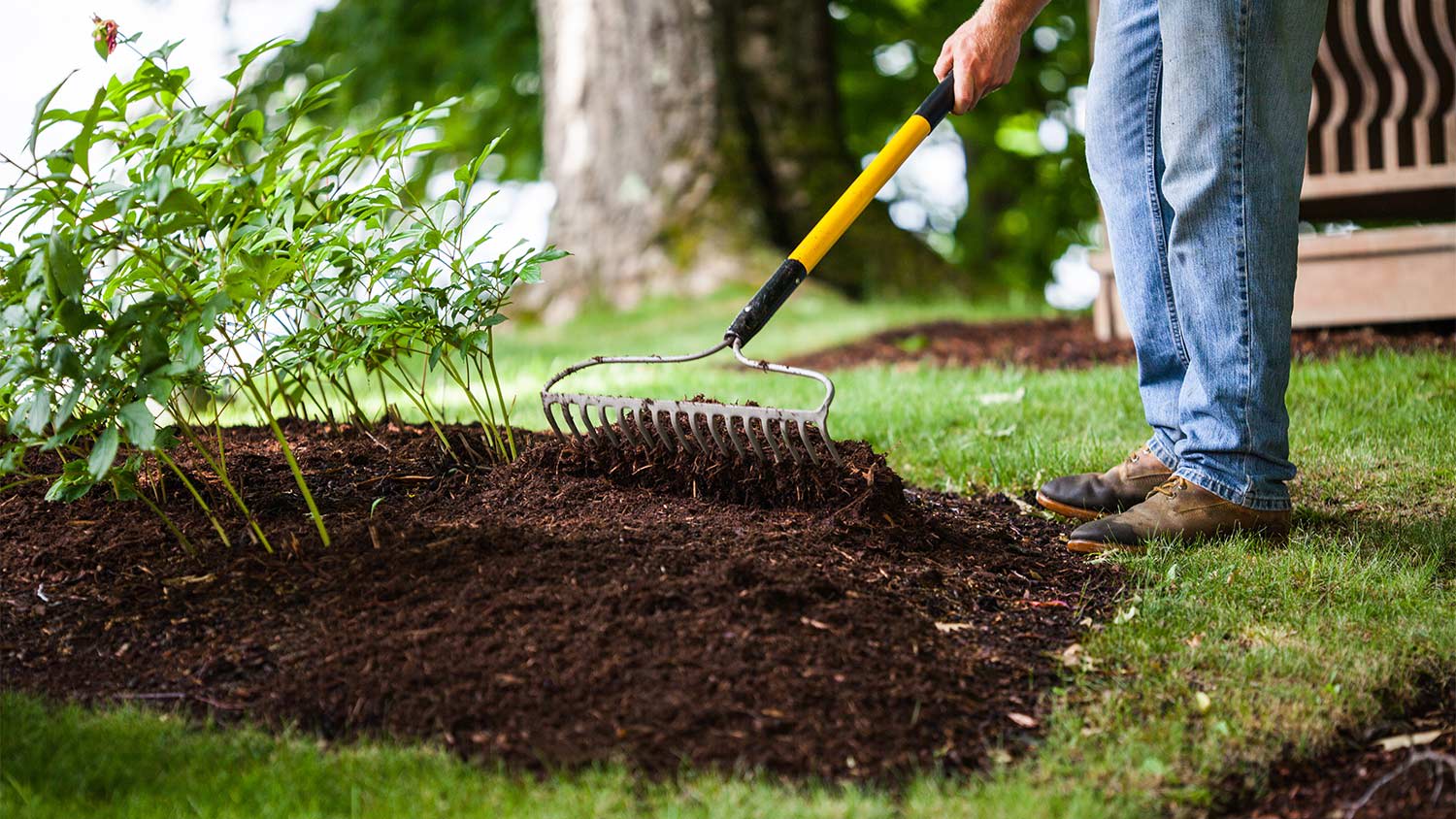
Sheet mulching is both an easy and budget-friendly DIY skill that can fully transform your yard. Let's walk through how to sheet mulch from start to finish.
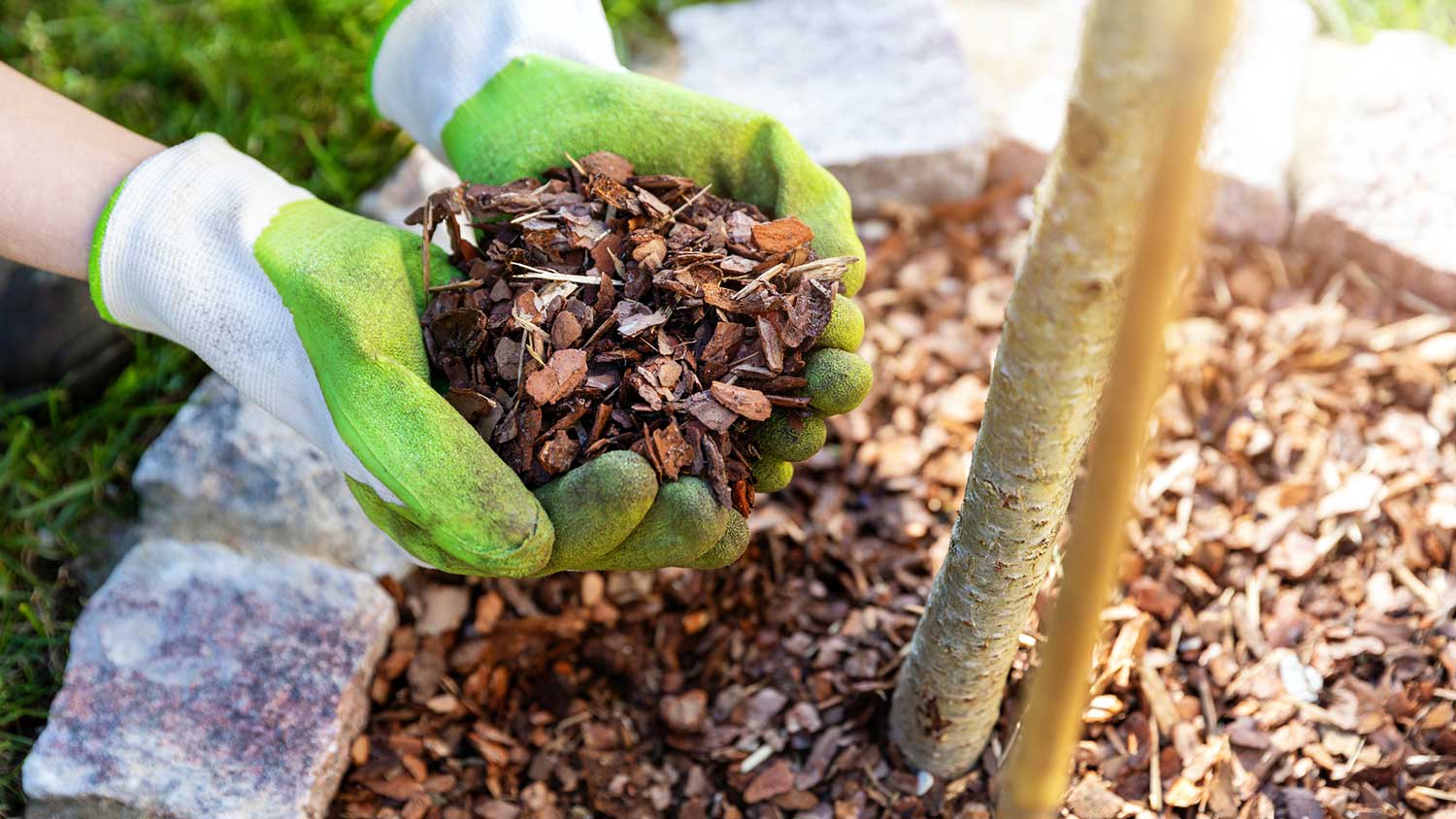
How you add mulch to your trees depends on the type of mulch, your climate, and more. Keep reading to learn how to mulch around trees.