
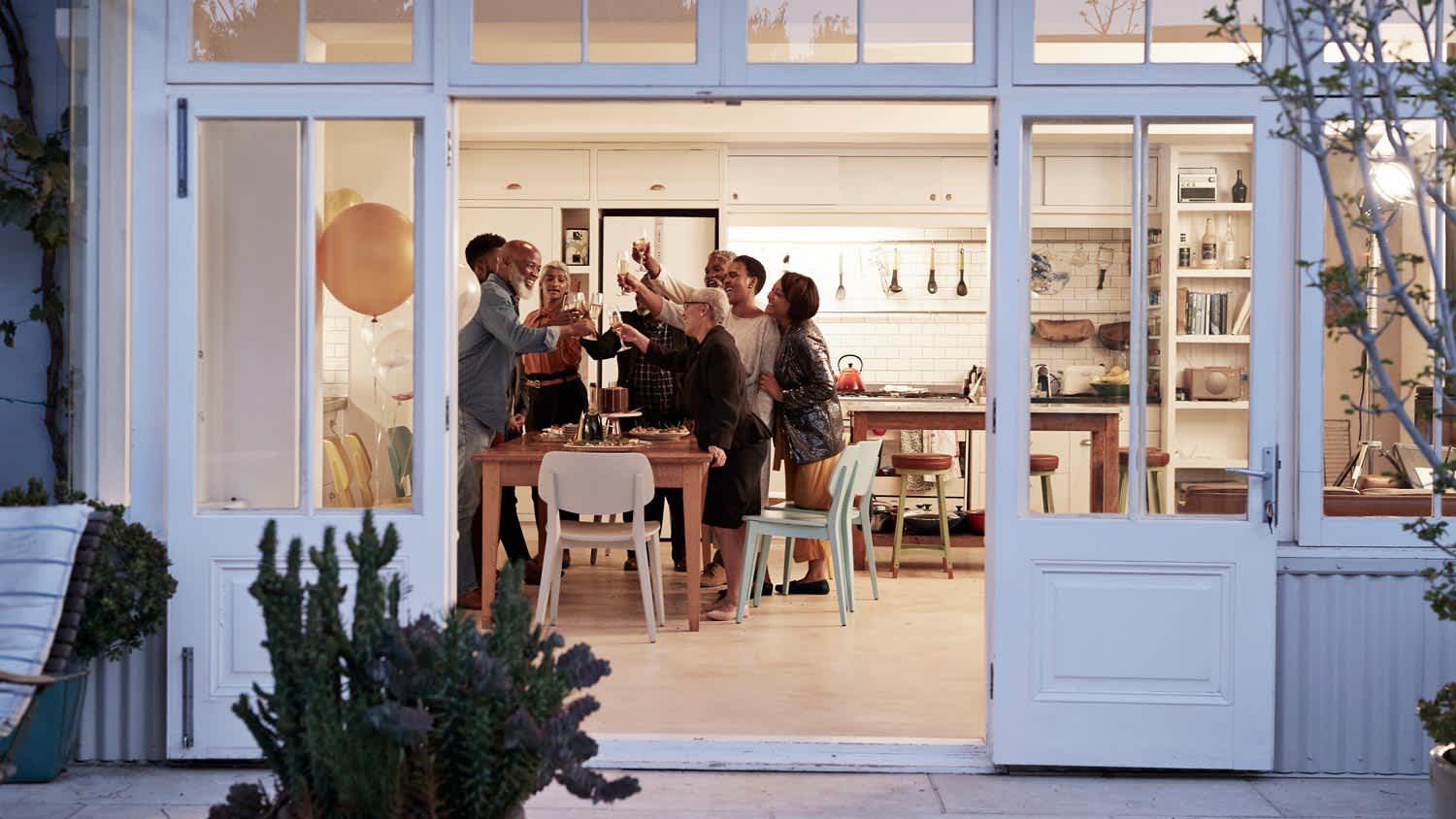
LED lights can transform the look and feel of your kitchen when done strategically. Choosing the right LED lighting comes down to understanding the temperature, brightness, and bulb shape to achieve perfect balance.
Here’s what you need to know whether you prefer it hot to cold

Lighting color temperature measures the warmth or coolness of light in kelvin, helping you choose bulbs that match your room's purpose and mood.
Warm lights between 2,700 K and 3,000 K create cozy spaces perfect for your living room, while cool lights suit productive areas like your kitchen.
Neutral white bulbs from 5,000 K to 6,500 K bring daylight-style brightness to your home gym or reading nook, keeping you energized and focused.
Hiring a local interior lighting design professional provides expert guidance on bulb selection and fixture placement, helping you create the perfect ambiance for every room.
Choosing the right color temperature for a specific space isn't a skill that comes naturally to many people. But once you understand a bit of the science behind this phenomenon, you'll quickly realize it's actually more straightforward than it may appear.
This guide will walk you through the mechanisms of color temperature, along with how it's measured and what to look for when bulb shopping. Whether you want to set a stage for cozy evenings by the fireplace or create an environment where you can be your most efficient, there's usually a way that color temperature can help you do it.
Color temperature is a system for measuring light on a cool to warm scale. It describes the tone and shades of color emitted by light and includes everything from neutral to bright whites.
Color temperature is measured in kelvin (K), a base unit of thermodynamic temperature; the size of 1 degree kelvin is the same as that of 1 degree Celsius. The higher a bulb registers on the kelvin color temperature scale, the more it'll look like daylight. On the other hand, you'll find lights in neutral and warm tones on the mid- and lower-end of this scale.
Here are the most common ranges of kelvin degrees in different types of light bulbs.
2,700 K–3,000 K: warm and soft whites
3,500 K–4,100 K: cool, neutral, and bright whites
5,000 K–6,500 K: natural white and daylight
There are three main categories of color temperature and several subcategories that exist within them. Because each group can set a totally different mood, knowing like from like is necessary to make the best choice for your home.
Lights that feature warm lighting include everything from soft whites to candlelight. Warm, natural lights from sunsets, sunrises, and fireplaces all fall at about 1,800 K on the color temperature scale. Soft incandescent, fluorescent, and light-emitting diode (LED) lights all feature cozy, orange undertones and rank a bit higher at 2,700 K to 3,000 K.
Between 3,500 K to 4,100 K takes you into cool light territory, which is known for its subtle blue undertones. Many compact fluorescents and LED light bulbs fall into this category of light color temperature.
Natural and bright whites begin to appear once you move past 5,000 K on the kelvin color spectrum. Studio lamps, ring lights, and fluorescent tubes are all between 5,000 K to 6,500 K and are known for creating this kind of light, which is often compared to daylight.
The quality of light can considerably impact the way a space feels. One little bulb can be all it takes to shift a room from an exciting, energizing environment to a relaxing place to unwind. Keep reading to find out how to change the mood with color temperature.
Because warm light creates a lot of contrast, it’s best for spaces where you plan to relax rather than focus. They’re great for softening hard edges and moody wallpapers and darkening bright hues and intricate patterns.
Avoid using them in especially dim rooms because they may not always provide enough light to fully function in the space (unless that's the desired effect, like in a bathroom).
Cool lights are great for rooms where you need to see everything going on and plan to do a lot of activities. Use this type of light in rooms like the kitchen or office. But they'll make it harder to unwind, so keep any bulbs 3,000 K to 4,000 K out of your relaxation zones.
Save neutral lights for the areas of your home where you want to feel energized or enlivened, like in your at-home gym or reading nook. This sunshine-style light will give you the boost you need to finish the last few pages or make it through your intense workout.

No matter what type of bulb you're buying, check the package to determine the color temperature beforehand. If you can't find the kelvin temperature on the box, look for a three-digit code.
The first number tells you where the bulb is on the color rendering index (CRI). This is the measurement of light in terms of how it affects the color's appearance. The following two digits are the kelvin temperature. For example, a package with a code of "835" has a CRI of 80 and a color temperature of 3,500 K.
In general, these are the color temperatures you can expect from the most commonly available types of light bulbs.
LEDs: available in all the different color temperatures, from cool to warm
Incandescent lights: available in warm color palettes from 2,700 K
Fluorescent lights: available in bright neutral tones from 3,500 K
Halogen bulbs: available in cool color tones from 3,000 K
Custom Paint Jobs LLC gave our office a fresh new look. Clients love it!
 Custom Paint Jobs, LLC
Best painters in the Greater Columbus, Ohio area. Quality of work second to none and customer service is head above shoulders than everyone else. I cant wait to work on another project with Silvio and Team!
The Mosby team went above and beyond for my project. They not only installed my light fixture; they also worked through an old, wonky, and as it turns out incorrect wiring issue from the work of prior contractors. Professional, thorough, conscientious, and kind. Five star experience. Thank you!
 Mosby Electric
We had a 20+ year old landscape lighting system that needed replacement. Midwest Lightscapes worked with us to design a much improved lighting system, lighting the exterior of the house and the back yard. Installation of the 45 light system took one and one-half days, and went very smoothly....
 Midwest Lightscapes
Jeff was a consummate professional. Responsive, courteous, and focused on meeting our needs. I had a small project of installing and replacing two ceiling light fixtures. He responded to my Home Advisory inquiry within 24 hours and in a span of two weeks our light fixtures were installed. ...
For several months I was looking for somebody to tile a wall in my master bath and move lighting fixtures, and could not find anybody who was responsive. I contacted Rowe through Home Advisor and within days they came by to assess the job and provide an estimate. The cost was very...
 Rowe House Development
A team of 2 spent 5 hours, cleaning top to bottom (removed all light fixture and cleaned.... impressive!!!)
 Luzia's Cleaning
It went very well. I was able to select the color blocks I wanted and where they would be placed in the window. All of the employees were very pleasant and patient. The guys who installed the window arrived promptly, did their job, and there was nothing for me to clean up. The window looks...
 Innovate Home Org - Columbus Glass Block
The initial quoted price from a walk-through seemed high, but we discussed that the quote represented worst case scenario (re-wiring to two floors) and we were excited about the opportunity to have the work done in a timely manner with closing for fire safety reasons, etc. When the job was...
Charlie recommended a separate fan with new lighting to clear steam from the room better. Several weeks ago I contacted Charlie via email to ask about pricing and scheduling, after one follow up he did reply with cost and said it would be about two weeks before he could do the work. I replied...
 Settle Muter Electric
From average costs to expert advice, get all the answers you need to get your job done.
LED lights can transform the look and feel of your kitchen when done strategically. Choosing the right LED lighting comes down to understanding the temperature, brightness, and bulb shape to achieve perfect balance.

Knowing a thing or two about color theory will ensure you always have the tools to choose the right hues for your home and personal preferences.
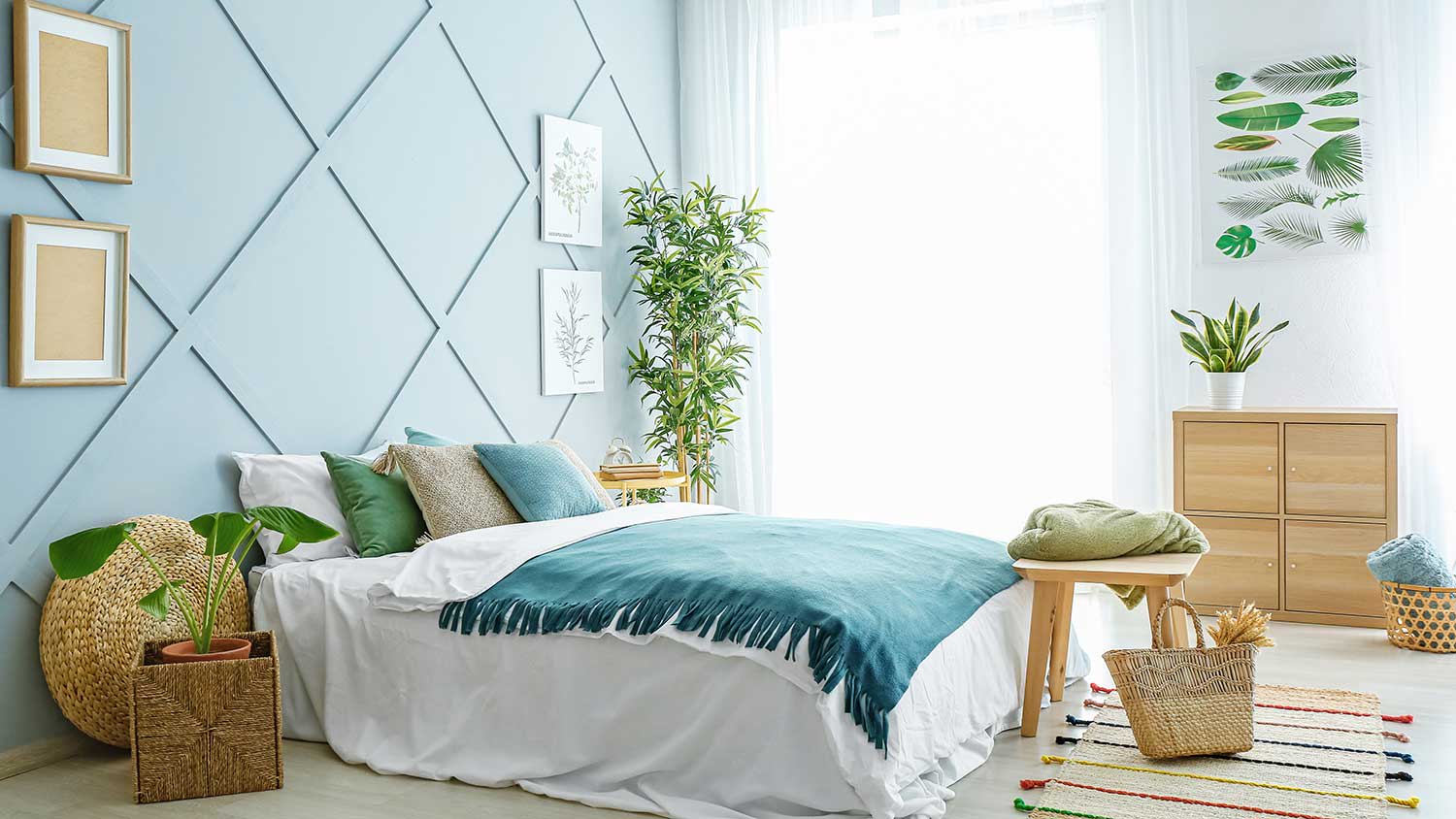
Curious which colors will grace walls across the country this year? Check out which hues color predictors chose as their favorites for 2022.
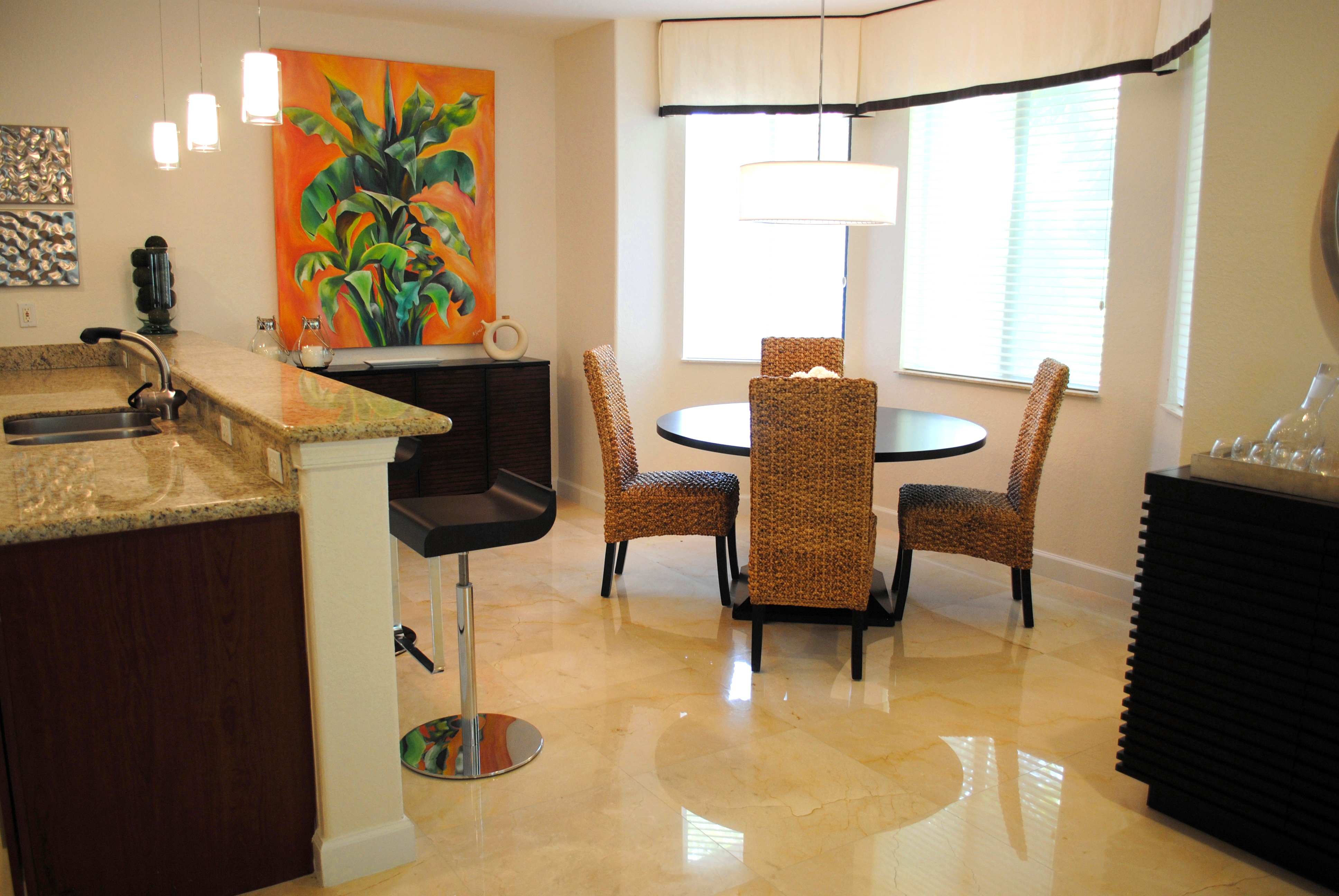
Interior designers use color as one of their main tools when creating beautiful interiors. Learn the psychology behind colors to plan your interior design.

Blue, tan, black, or red—choosing the right roof color is a tricky game. Consider professional tips on how to match your house's aesthetic with the right complementary roof colors. We'll walk you through making the right choice for your vision.

Will your paint colors look different than the color swatch? Can you expect certain paints to dry darker or lighter? How does a second coat impact color? We answer these questions and more in this interior and exterior paint color guide.