

•
Wondering about the cost to paint a fireplace? Get a detailed guide to prices, key factors, and money-saving tips for your fireplace painting project.
Cleaning stubborn black soot from your fireplace is simple if you have the right tools

Fireplaces can make any home feel cozy, whether they're gas or wood-burning. However, they need regular cleaning to prevent a buildup of unsightly and unhealthy fireplace soot. Fortunately, learning how to clean soot from a fireplace isn’t complicated. All you need are a few household cleaning products and some elbow grease.
Soot particles are messy, and inhaling them can be harmful to health. To protect yourself and the fireplace surrounds, take the following precautions before you begin cleaning.
Ventilate the room to avoid trapping airborne soot particles.
Wear a dust mask (preferably an N-95 one for maximum protection).
Wear dish gloves, a long-sleeved top and long pants to prevent soot lying on your skin.
If soot does come into contact with your skin, wash it off immediately
Protect the floor and furniture near your fireplace by placing a drop cloth or two over them.

Learning how to clean black soot from inside your fireplace begins with allowing it to cool. Wait at least 12 hours after your last fire to allow your fireplace to fully cool down before you begin cleanup. If you vacuum up hot coals, they could destroy your vacuum and leave you with a literal hot mess.
Once your fireplace is completely cold, remove the grate and andirons (the metal supports for firewood). Sweep up all of the ashes and debris in the firebox and toss it in the garbage can (again, make sure it’s cool to the touch).
Then, use a shop vac or a good vacuum with a brush attachment to suck up as much soot and dust as possible from your hearth and fireplace.
Fill a spray bottle with regular, plain old water and wet your fireplace, saturating it before applying a cleaning solution. This prevents the cleaning solution from soaking into it. You can either spray the entire fireplace with water or focus on specific problem areas. To prevent it from drying out as you work on the next steps, you can work in small areas at a time.
In a bucket, combine 1 gallon of warm water and 2 tablespoons of grease-cutting dish soap. This will be a very mild cleaning solution.
Dip a firm scrub brush into your cleaning solution and scrub your fireplace, making sure to work top to bottom to prevent dirty water from dripping down and leaving streaks on clean areas. You can wipe the area down with a wet sponge or rag to wipe away dirt or apply more cleaning solution as needed.
Take your water-filled spray bottle and spritz cleaned areas as you go. Use a clean sponge or rag to wipe down the surface to prevent drips.
Keep scrubbing away if your fireplace is still stained with black soot, but don’t be too abrasive, as overzealous scrubbing can actually damage the surface. Mix fresh cleaning solution as needed and wipe it dry with a dry rag. Replace the grate and irons, and your fireplace should look as good as new.
Using the steps above to remove soot from bricks in and around your fireplace is often enough, but if the brick needs extra cleaning, try one of the following methods.
Vinegar is a tough and effective natural soot cleaner.
Mix: Use a ratio of one part water to one part white vinegar.
Spray: Apply with a spray bottle to thoroughly wet all the brickwork and allow it to soak in for a few minutes.
Scrub: Use a soft-bristle brush or sponge to scrub in the still-wet solution. Work from the bottom to the top to prevent unsightly streaking.
Rinse: Use a sponge and warm water to remove the vinegar smell and soot residue. Adding baking soda to the water can help neutralize the vinegar’s acidity and lift any lingering sooty spots.
However, if you have an older fireplace with crumbling brickwork, stick with the mild detergent solution and some elbow grease. Acidic vinegar can further degrade the brickwork if the solution is too strong or not rinsed away properly.
To remove a heavy buildup of ingrained soot on fireplace bricks, you might need something stronger. You can use household ammonia to clean up tough soot stains, but this corrosive chemical needs careful handling.
Before starting, ensure the room is well-ventilated. Wear protective gloves, goggles, and a mask.
Mix: Dilute 1/4 cup of ammonia with 1 gallon of water in a cleaning bucket. Never add other chemicals, as you risk creating highly toxic gases.
Apply: Rub the solution into the brickwork with a sponge while wearing gloves.
Scrub: For tough stains, sprinkle on some abrasive powdered pumice and scrub in with a brush to help lift the soot.
Rinse: Thoroughly rinse the ammonia solution using a fresh bucket of warm water and a clean sponge.
If any stubborn stains remain, call a professional fireplace cleaner in your area. And if you’re worried about soot or creosote buildup in your chimney, which can cause dangerous chimney fires, hire a chimney sweep for professional cleaning.
Follow these cleaning steps to keep the glass door of a fireplace soot and smear-free.
Remove the glass (optional): If it’s simple to remove the glass from your fireplace door, it makes cleaning easier. Always wait until the fireplace (and glass door) are fully cool.
Protect the glass: Carefully lay the glass on a towel or other protective cloth.
Protect your fireplace surround: If you can’t remove the glass, place a towel or other cloth under the glass door to catch any soot and cleaning liquid that may drop.
Create your cleaning solution: Ash from a wood fire makes an effective, eco-friendly, economical, and gently abrasive cleaning product. Mix a little ash with warm water. Alternatively, you can use a solution of one part vinegar and one part water or a commercial fireplace glass cleaner. Avoid using abrasive cleaners, steel wool, or razors, as these can scratch the glass surface.
Scrub in the solution: Apply the solution with a piece of newspaper using circular motions. The newspaper prevents smears or scratches.
Rinse: Use warm water to rinse away the ash solution and dry with paper towels.
Replace the glass: If you removed the glass to clean it, fit it back into place, following the manufacturer’s instructions if they are available.
If you have extra time on your hands, you can save money by cleaning soot from your fireplace yourself rather than hiring a professional to do it for you.
The materials needed to clean your fireplace, not including the chimney, will cost you under $50 at your local hardware store. The average cost of a professional fireplace cleaning ranges from $95 to $150, depending on whether or not the pro will need to clean your chimney as well. Contact a local fireplace cleaning professional for specific prices.
Terrible experience. Walls/trim/floors/cabinets/doors all have drip marks, overspray, etc. Tiling at the fireplace had to be redone by another vendor due to incorrect and shoddy install by Profect. Contractor had his children in our house while he was on site without prior authorization or...
 Profect painting & exteriors
Supreme Brick & Chimney did a great job with a cleaning and inspection of the fireplace! He was efficient, on time, and very pleasant. The space was kept very clean, and the fireplace was spotless when he was done. He also performed a thorough inspection, and did a great job talking us...
 Supreme brick & chimney
Ace Fireplace Services came to the rescue for my chimney repair. They were quick to pinpoint the issue and worked their magic to fix it. My chimney is now in excellent shape, and I'm a satisfied customer.
 Ace Fireplace Services
Custom Paint Jobs LLCs custom murals brought life to our childrens rooms. They love it!
 Custom Paint Jobs, LLC
Storms Mobile Welding was great to work with. They were prompt, professional and did an overall excellent job on the project. I highly recommend.
On time, clean and finished fast. Windows seem sturdy and the finish is good. Caulking was done with no smudges. Would recommend.
 Window Depot USA of Central Ohio
The team is awesome!! I can generally pick up and clean throughout the week, but they CLEAN! Windows, stair rails, microwave. All the things I can’t ever seem to get to regularly. The house looks and smells great after they leave.
Bought a half a cord of firewood from Pitzer with stacking last month. I waited to report so I could see how the wood burned. <br /> <br /> I have three pet peeves regarding landscapers, but Pitzer scored "A"s regarding all three. First, rather than having customers "leave a message" and...
 Pitzer Landscaping
We decided to update our partially finished basement, with a budget. Gerald worked with me on the lighting and chair rail selections, and produced an end product that was everything we wanted and within our budget. The work was done quickly, and he and his crew were always prompt and...
Outstanding! The granite and the installation went so well that we had the remaining slabs of the granite put into our new house. The 2ND kitchen/wet bar installation went as well as the 1ST, so we had them put granite on our master bath counter top, shower seat, ledge and kick plate for...
 LIND STONEWORKS
From average costs to expert advice, get all the answers you need to get your job done.
Wondering about the cost to paint a fireplace? Get a detailed guide to prices, key factors, and money-saving tips for your fireplace painting project.

Get those tough soot stains off your brick fireplace by following these easy steps. We’ll take you through the process, step-by-step.
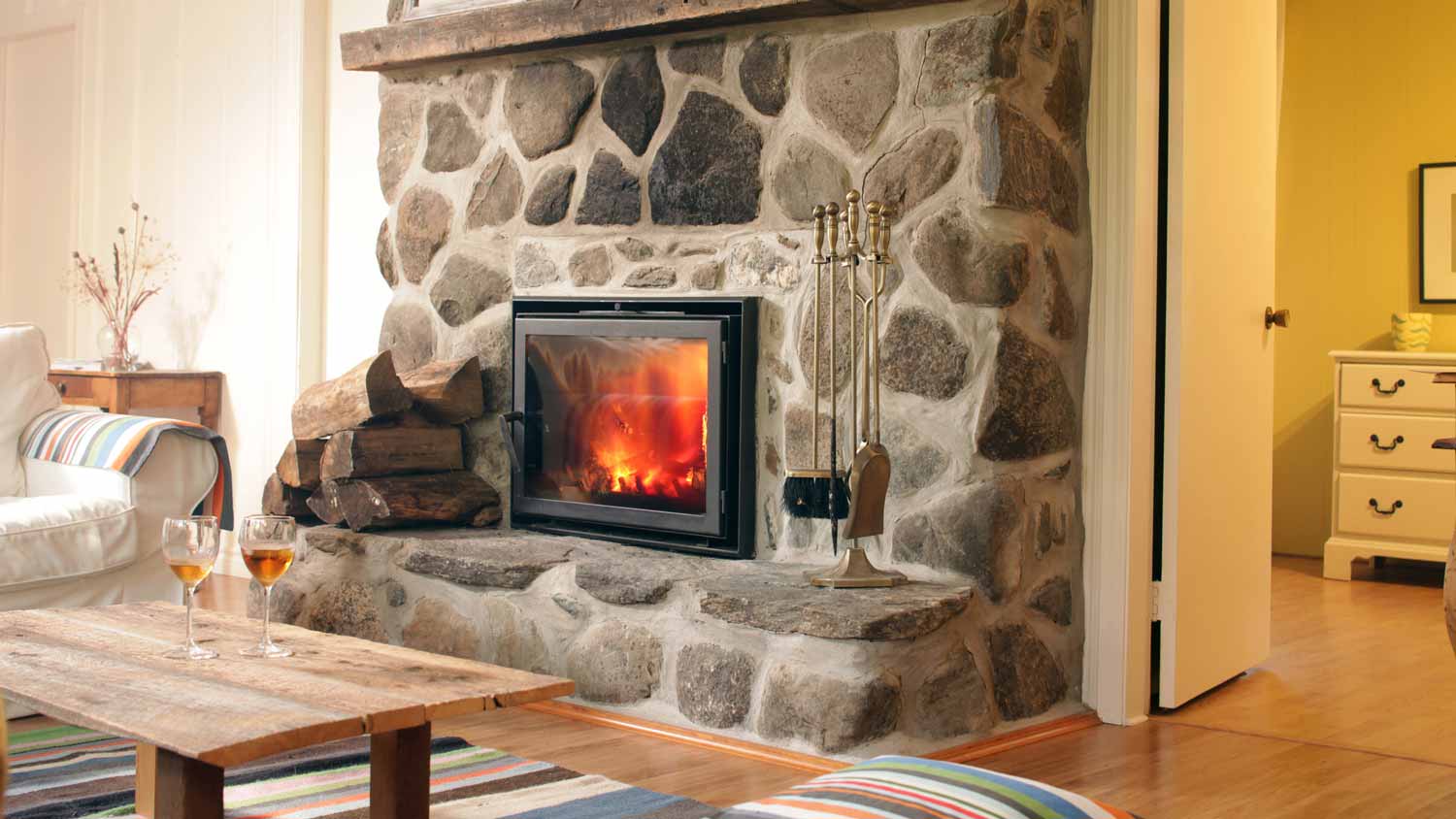
As you use your fireplace, soot will build up over time. To remove the dingy layer, learn how to clean a stone fireplace for a like-new appearance.

So your fireplace stinks—what’s the deal? Find out the six potential reasons why your fireplace smells and how to fix them.

Don’t let a little candle or incense soot stain your walls or ceiling’s finish. Here’s how to clean soot off walls.

Want to relax by a roaring fire this winter? Check out these chimney maintenance tips to ensure your chimney and fireplace are ready to go.