


Discover the average tree maintenance cost, key price factors, and tips to save. Get expert insights to plan your tree care budget with confidence.
Tree service costs depend on your project and location. Check with a local pro for your specific job.

Professional arborist services cost $75 to $5,000, depending on your tree size, location, and service type.
Your tree size and species drive pricing, since large hardwood trees require more labor and specialized equipment.
You should budget for add-ons like stump removal, deep root fertilization, or transplanting, adding $150 to $10,000 total.
Hiring a local arborist professional ensures your trees stay healthy and safe while saving you from potential injury or property damage.
In 2026, the national average cost to hire an arborist is $875. Most homeowners pay between $750 and $1,000, with the spread driven by the size and number of trees, site accessibility, and the type of service needed. If your project includes add-ons like stump removal or deep root fertilization, budget an additional $150 to $10,000 on top of your base cost.
Several key factors determine how much hiring an arborist costs, and understanding them helps you budget accurately before booking a service. The sections below break down how each factor affects your total price.
An arborist consultation typically costs $75 to $150, though some professionals waive the fee entirely if you hire them for the follow-up service. For a comprehensive tree report covering multiple trees, expect to pay $450 to $700.
Hourly billing is uncommon for arborists, but when it applies, rates run $75 to $200 per hour. Most arborists price jobs by service type and tree size rather than time.
Arborist pricing varies widely because the range of services spans everything from routine inspections to full tree removal. Costs depend on the specific service requested, as shown in the breakdown below.
| Tree Service | Description | Average Cost in 2026 |
|---|---|---|
| Tree Trimming and Surgery | Pruning or removing branches to improve tree health, appearance, or safety | $75–$1,500 |
| Tree Cabling | Installing cables to support and stabilize weak or misaligned tree limbs | $200–$400 |
| Deep Root Aeration | Drilling holes around the tree to improve soil and water access for the roots | $100–$300 |
| Deep Root Fertilization | Injecting nutrients directly into the soil to promote healthy tree root growth | $100–$350 |
| Tree Planting | Planting new trees, including the labor and materials needed for proper planting | $100–$300 |
| Tree Removal | Safely cutting down and removing trees that are dead, diseased, or hazardous | $200–$5,000 |
| Stump Removal | Grinding or removing tree stumps to clear space or prevent regrowth | $90–$1,200 |
| Tree Inspection | Assessing tree health and stability to recommend care or removal actions | $0–$150 |
| Tree Injections | Injecting treatments directly into the tree to fight pests, diseases, or nutrient deficiencies | $50–$200 |
| Wood Chipping | Chipping branches and tree debris into mulch or small pieces for disposal or reuse. | $75–$300 |
The size and type of tree are among the strongest cost drivers when hiring an arborist, since larger trees demand more labor, time, and specialized equipment. Hardwood species and mature trees with extensive root systems add further complexity, making them more expensive to prune or treat than smaller or softer-wood varieties.
Site accessibility directly affects what you pay, since trees near a house, power lines, or in a confined yard require specialized tools and additional labor to work on safely. The harder a tree is to reach, the more complex the job becomes and the higher the service fee.

Beyond the initial service, recurring arborist visits are a real part of owning and maintaining healthy trees, and they deserve a dedicated line in your budget.
Regular pest control visits from an arborist run around $40 to $70 per month, since tree spraying and similar treatments require consistent follow-up rather than a single application. Scheduling ongoing visits keeps your trees proactive against bugs and disease before problems escalate.
A standard arborist inspection costs $75 to $150 on average, while an in-depth tree report covering multiple trees can run up to $700.
When it comes to tree maintenance, tackling smaller tasks like pruning can be manageable for experienced DIYers. However, even for these smaller tasks, it's important to have the right tools, such as a pole saw, which can cost anywhere from $40 to $600 or more. For complex jobs like sick tree diagnosis, it's best to leave it to the professionals due to the serious safety hazards involved. While the initial cost of hiring a professional may be higher, it can save you from potential injury or property damage in the long run.
Hiring a certified local arborist not only saves you money on equipment costs, but also brings their valuable expertise. Their experience and specialized equipment can significantly reduce the time it takes to complete the job while ensuring the tree's health and safety. The peace of mind and assurance that your trees are well taken care of make hiring a professional well worth the extra investment.
Bundling arborist and tree maintenance services can save you time and money. Here are a few add-ons to consider when booking your service:
Tree transplanting costs: $300 to $10,000
Lawn aeration costs: $75 to $205
Bush or hedge trimming costs: $450 to $1,440
Leaf removal costs: $190 to $600
Depending on the type and number of services, hiring an arborist can get pricey. However, there are a few ways you can help keep costs down:
Bundle services: If you need multiple services like diagnosing multiple diseased trees, bundling them can reduce the total cost.
Off-season discounts: Arborists may offer lower rates during fall and winter when demand decreases.
Handle basic tasks yourself: Clearing debris or taking care of minor pruning tasks can help you save on labor costs.
Compare quotes: Always get multiple estimates and compare service packages from different pros to ensure you're getting the best deal.
Home is the most important place on earth, which is why Angi has helped more than 150 million homeowners transform their houses into homes they adore. To help homeowners with their next project, Angi provides readers with the most accurate cost data and upholds strict editorial standards. We extensively research project costs to develop the pricing data you see, so you can make the best decisions for you and your home. We rely on reputable sources, including the U.S. Bureau of Labor Statistics, academic journals, market studies, and interviews with industry experts—all to ensure our prices reflect real-world projects.
Want to help us improve our cost data? Send us a recent project quote to [email protected]. Quotes and personal information will not be shared publicly.
This service was great. My air conditioner went out during the heat spell that we had. My husband has health issues and they came out that night and at 9:30pm the air conditioner was fixed and running. We are sooo very thankful, this is the company I will be using from now on and would...
 Mr. Mechanical Ohio
One of my old tall evergreen trees was suddenly leaning toward the busy street in front of my house. I submitted a request for an emergency tree inspection, and Alejandro, owner of Cajete Tree Service, contacted me immediately and arrived to look at it just 20 minutes later. We agreed the...
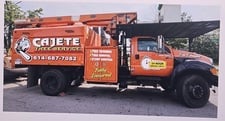 Cajete Tree Service LLC
1 tree was cut down and 5 others including a large willow tree were trimmed. The Grant Tree Service men were professional and cleaned up afterwards. The cost of the 6 trees were affordable. I am very happy with the results. I would hire them again.
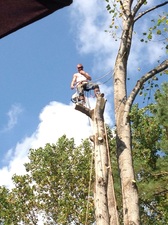 Grants Tree Service
D1 Roofing delivers outstanding service from beginning to end, backed by a strong warranty and expert teams. I highly recommend them for their excellence in meeting and surpassing expectations with unmatched communication. Choosing D1 Roofing was flawless decision
 Division 1 Roofing LLC
Promptly arrived for quoting! Demonstrated superb customer service, affordable pricing, and completed service swiftly! Looking forward to the spring for our service!
 All Star Paving and Sealing
Seth was very professional, prompt in responding to queries about the work required , gave sincere advice as to what would be best for tree trimming and did the job timely.
Ace Fireplace Services' chimney sweep service is truly exceptional. They used advanced technology to ensure a thorough cleaning process, and my chimney has never looked better. I highly recommend their services.
 Ace Fireplace Services
I definitely recommend Ramonaâ s cleaning service! I have booked services with her many times and she arrives on time, ready to work and provides a great service.
 Your Cleaning Solutions LLC
Webb â s was priced well, flexible on scheduling, great with communication, and detailed in their work. Iâ ll definitely use their services again.
 Webbs Pressure and Paint LLC
Great tree company, very professional and honest. Glad we found them, they had the best pricing
From average costs to expert advice, get all the answers you need to get your job done.
Discover the average tree maintenance cost, key price factors, and tips to save. Get expert insights to plan your tree care budget with confidence.

Tree inspections can ensure your trees stay healthy and safe, preventing costly damage. Learn how much tree inspections cost and what can affect the price.
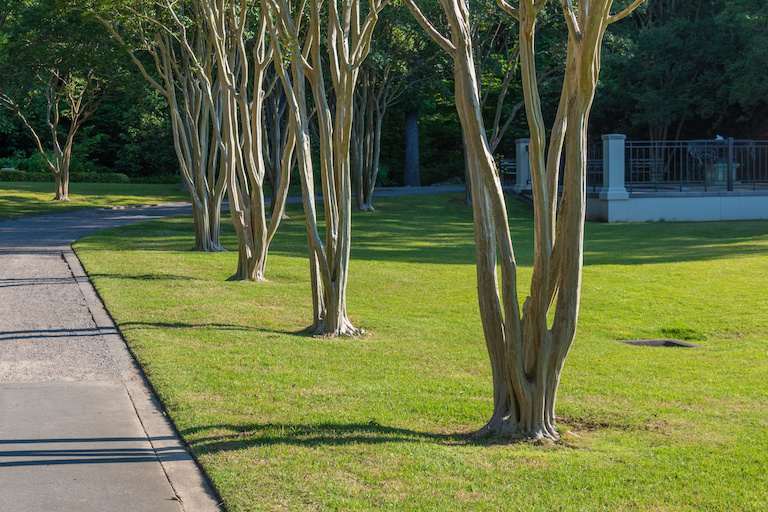
Find out how much it costs to plant a tree based on the number of trees, their size, where you want to plant them, and DIY versus professional costs.

What is an arborist and do they cut down trees? Learn what an arborist is, the services they offer, and when to hire one.

Is it safe and legal to plant a new tree on your property? Dialing a few numbers can help you find out. Here’s who to call before planting a tree.
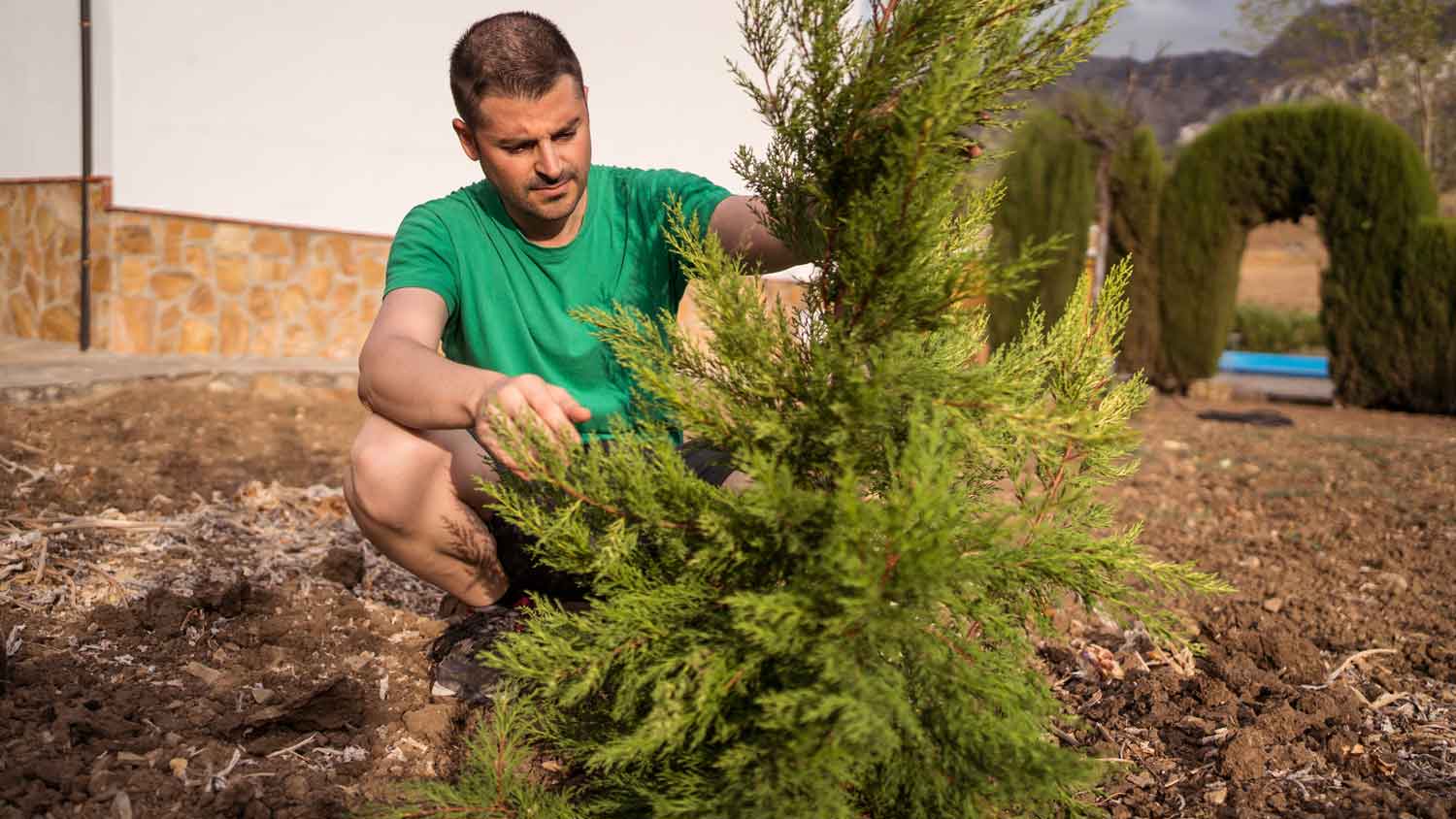
Wondering who to hire to plant trees? Learn everything you need to know about the hiring process for professional tree planting in this informative guide.