

Whether it’s a swarm of mosquitos interrupting your summer evening on the patio or the discovery of fleas in the guest room, you may have to break out bug spray. Read on for tips to reduce your exposure and signs of bug spray side effects.
Time your spray to keep the bugs away

The best time to spray peach trees is early spring while trees are dormant, helping you prevent pest problems before the growing season begins.
Professional tree spraying costs $100 to $400 per tree, while DIY insecticide runs $25 to $50, making early treatment your most budget-friendly option.
You should avoid spraying during bloom to protect bees and other beneficial insects that pollinate your fruit trees and ensure a healthy harvest.
Hiring a local tree maintenance professional removes the guesswork from spray timing and treatment selection, keeping your fruit trees healthy all season long.
You may love your fruit tree, but unfortunately, so do the bugs who nest and feed on it. That’s why learning when to spray your fruit trees for bugs is a vital aspect of year-round care, and getting the timing right is essential for success. This guide will cover when to spray fruit trees for bugs, as well as other factors to consider when planning out your treatments.

The best time to spray preventive treatments on fruit trees is in early spring while the trees are still dormant. Applying preventative treatments, known as dormant oils, will help you get a leg up against pesky bugs and ensure you have a healthy tree throughout the growing season.
These are the main factors to consider when you’re deciding when to spray fruit trees for insects.
The local weather has a significant impact on the optimal timing for spraying. In colder regions, trees stay dormant for a longer time, providing more leeway for applying dormant oils. On the other hand, in warmer areas, the growing season begins earlier, so you’ll need to apply dormant oils earlier. It’s important to refrain from spraying on windy or rainy days, as the spray could drift away or wash off before it can be effective.
Knowing the life cycles of the main pests and tree diseases that affect your region is a crucial determining factor for when to spray fruit trees for bugs. For example, some insect eggs hatch in early spring, so applying a dormant oil spray just before bud break can effectively suffocate overwintering insects and their eggs.
The type of treatment will also impact the optimal time for spraying fruit trees. If you have any concerns about the health of your fruit tree, or if you’re not sure if pests are the culprit, it’s best to hire an arborist to help you find the best treatment plan. Here are the basic timelines by the type of spray:
Insecticides: Apply throughout the growing season when bugs are active, avoiding the flowering period.
Dormant oils: Apply during the dormant seasons when temperatures are above 40 degrees Fahrenheit to smother overwintering pests like mites and aphids.
Fungicides: Apply before bud break and throughout the growth season as needed, avoiding the flowering period.
The growth cycle of fruit trees calls for targeted pest control at different stages, from dormancy to harvest. In early spring, as temperatures rise, apply horticultural or dormant oil sprays like neem oil to tackle overwintering pests. Before bud break, spray fungicides to prevent fungal diseases and set your tree up for a healthy growing season. During bloom, avoid spraying to prevent damaging flowers and harming pollinating bees. After that, you can apply insecticides throughout the growing season to keep the bugs at bay.

The worst time to spray fruit trees is when they are blossoming, as sprays can harm bees and other beneficial insects that pollinate the tree. After the petals fall, when fruit forms, you can resume spraying throughout the summer for ongoing protection.
The cost to spray trees typically ranges between $100 and $400 per tree, depending on the size of the tree and the type of pesticide. You can save by purchasing at-home treatments, but finding the right pro to spray your trees is well worth the cost if it’s within your budget.
Spraying fruit trees yourself is a cost-effective option, with a typical investment of $25 to $50 for the insecticide. You’ll need basic equipment, such as a sprayer and protective gear, and it’s essential to follow safety guidelines, especially when dealing with chemicals. DIY spraying will take a few hours, depending on how many trees you have.
While DIY spraying can save you money, there’s a hefty margin for user error and it’s easy to pick the wrong type of spray or use it incorrectly. Aside from the treatment being ineffective, it’s possible that you can harm the tree, wildlife, and the surrounding landscape. Hiring a local tree maintenance professional will ensure the proper application of the most effective treatment, giving your fruit tree the best chance for a healthy and fruitful growing season. These pros bring specialized knowledge and tools to ensure the treatment is effective as well as safe for your trees and the surrounding environment.
This service was great. My air conditioner went out during the heat spell that we had. My husband has health issues and they came out that night and at 9:30pm the air conditioner was fixed and running. We are sooo very thankful, this is the company I will be using from now on and would...
 Mr. Mechanical Ohio
One of my old tall evergreen trees was suddenly leaning toward the busy street in front of my house. I submitted a request for an emergency tree inspection, and Alejandro, owner of Cajete Tree Service, contacted me immediately and arrived to look at it just 20 minutes later. We agreed the...
 Cajete Tree Service LLC
1 tree was cut down and 5 others including a large willow tree were trimmed. The Grant Tree Service men were professional and cleaned up afterwards. The cost of the 6 trees were affordable. I am very happy with the results. I would hire them again.
 Grants Tree Service
D1 Roofing delivers outstanding service from beginning to end, backed by a strong warranty and expert teams. I highly recommend them for their excellence in meeting and surpassing expectations with unmatched communication. Choosing D1 Roofing was flawless decision
 Division 1 Roofing LLC
Promptly arrived for quoting! Demonstrated superb customer service, affordable pricing, and completed service swiftly! Looking forward to the spring for our service!
 All Star Paving and Sealing
Seth was very professional, prompt in responding to queries about the work required , gave sincere advice as to what would be best for tree trimming and did the job timely.
Ace Fireplace Services' chimney sweep service is truly exceptional. They used advanced technology to ensure a thorough cleaning process, and my chimney has never looked better. I highly recommend their services.
 Ace Fireplace Services
I definitely recommend Ramonaâ s cleaning service! I have booked services with her many times and she arrives on time, ready to work and provides a great service.
 Your Cleaning Solutions LLC
Webb â s was priced well, flexible on scheduling, great with communication, and detailed in their work. Iâ ll definitely use their services again.
 Webbs Pressure and Paint LLC
Great tree company, very professional and honest. Glad we found them, they had the best pricing
From average costs to expert advice, get all the answers you need to get your job done.
Whether it’s a swarm of mosquitos interrupting your summer evening on the patio or the discovery of fleas in the guest room, you may have to break out bug spray. Read on for tips to reduce your exposure and signs of bug spray side effects.
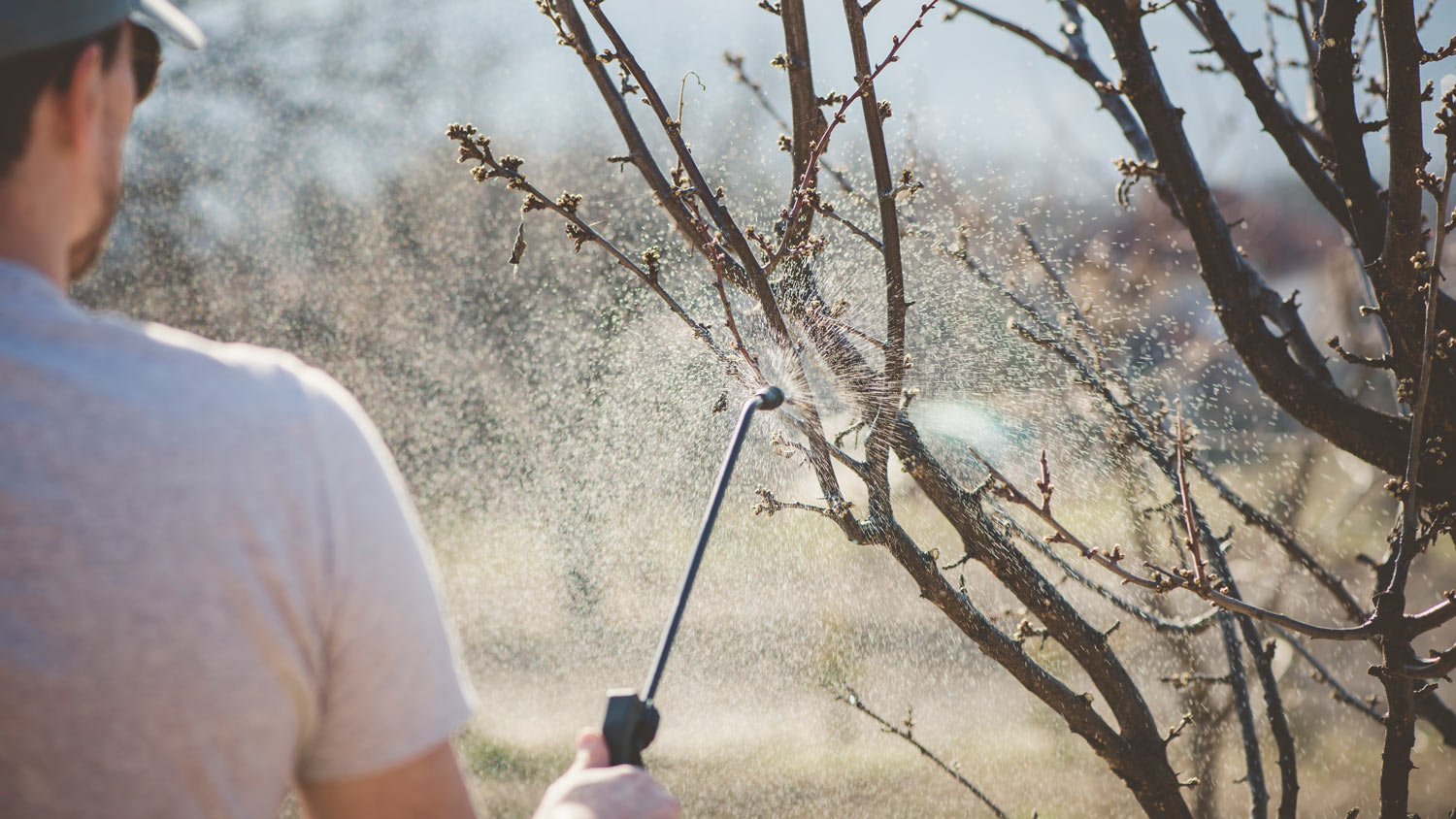
Who do I hire to spray my trees? Look for a tree maintenance service with the proper licensure and certifications. Find out more in this guide.
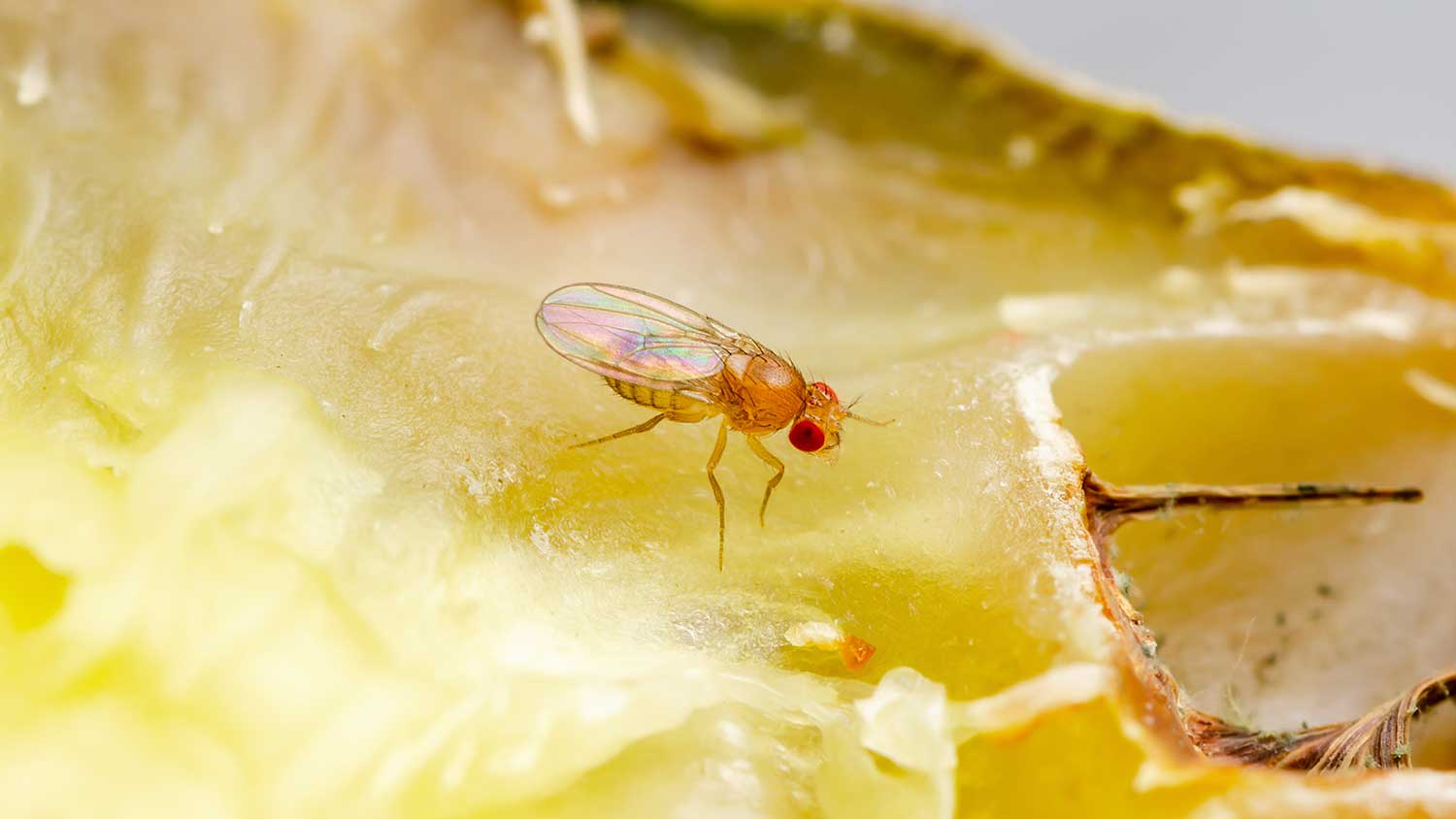
Unlike mosquitoes or spiders, fruit flies lack the capability to pierce human skin. But that doesn’t mean they’re not a nuisance.
Fruit flies feed off your produce and the food waste in your drain. Learn how to get rid of fruit flies in the house with this helpful DIY guide.

How long do fruit flies live? The answer depends on factors such as temperature and food sources. Find out the average fruit fly lifespan.
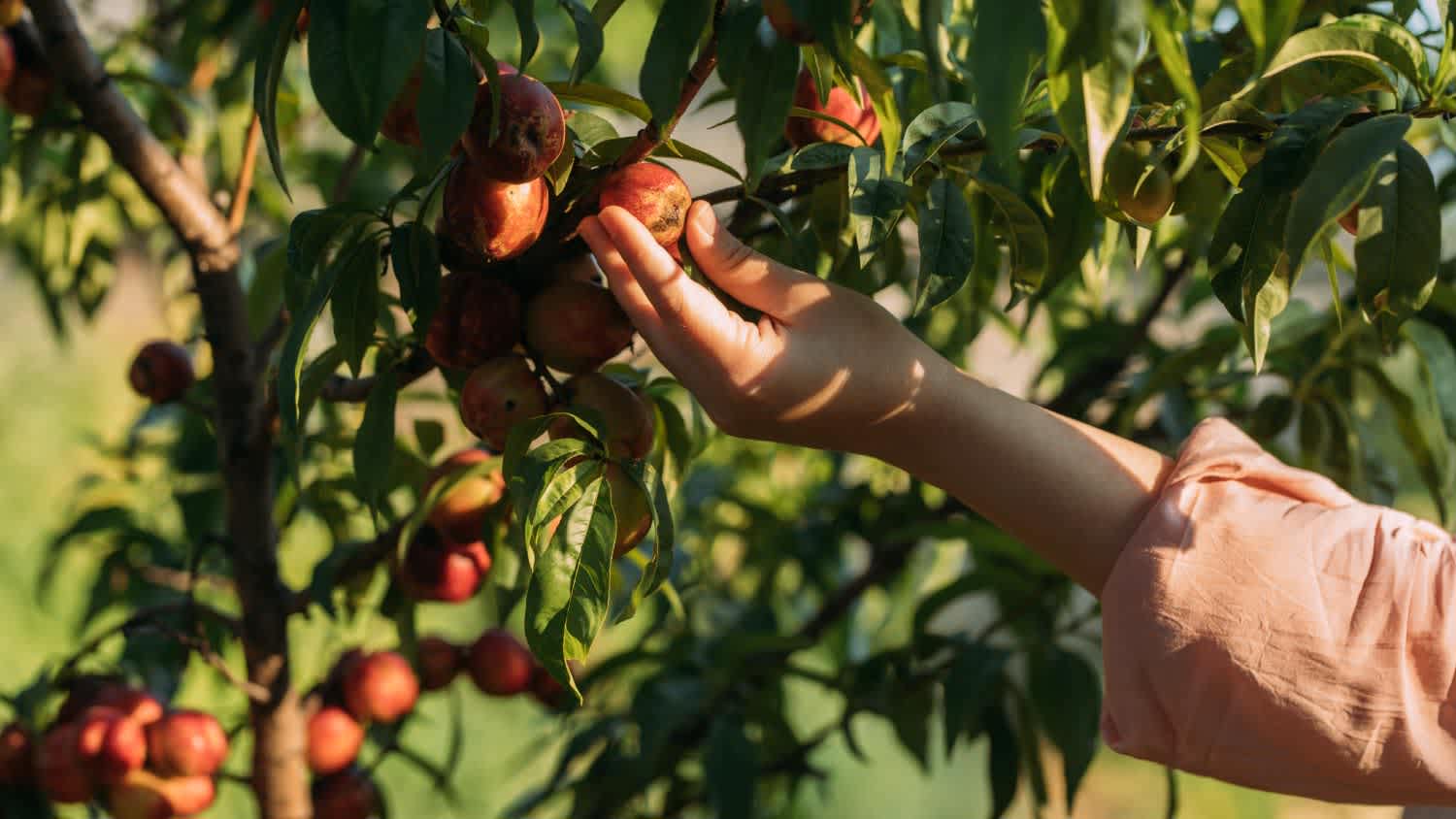
Would you pick and eat fresh, homegrown fruits? Learn about the best fruit-bearing trees that can add value to your yard with tips to grow them.