
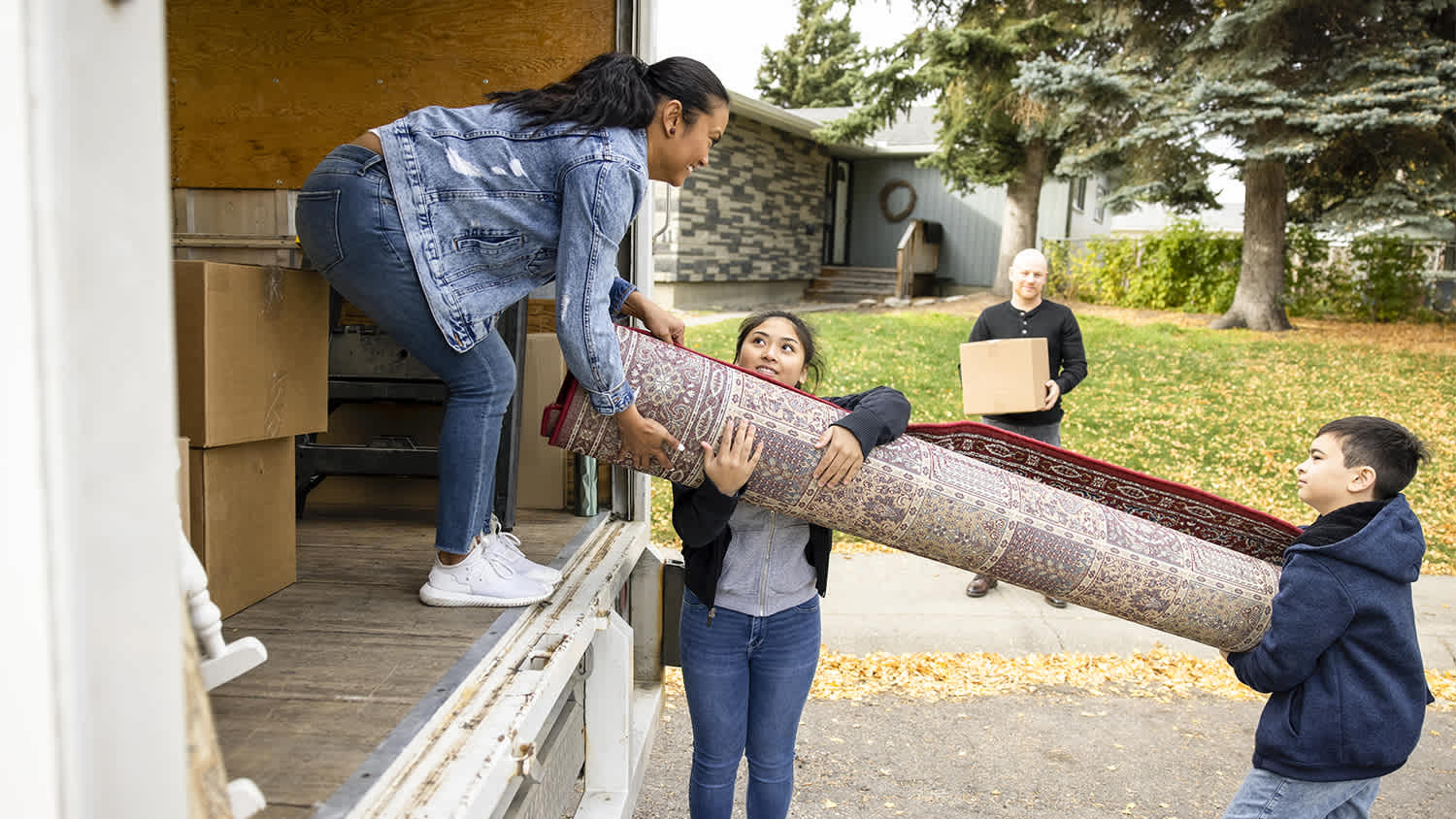
When planning a cross-country move, anticipate the total cost by looking at all the relevant price factors and consider ways to save money.
Learn effective ways to make moving by yourself possible

Learning how to move by yourself starts with creating a detailed moving checklist that helps you organize tasks, schedule utilities, and track progress from start to finish.
Expect to pay $890 to $2,570 for professional movers locally or up to $12,000 for cross-country moves, with DIY options costing $120 to $2,300 for truck rentals.
Decluttering your belongings before packing makes moving easier, and using the 90/90 rule helps you identify items to donate or sell so you have less to transport.
Hiring a local moving company provides reliable support with loading heavy furniture and appliances, keeping you safe while they handle the most demanding parts of your move.
Whether you are moving across town or to another country, it can be overwhelming, especially if you are learning how to move by yourself. There is so much to do and so little time, and the thought of tackling this significant task on your own may seem daunting. Fear not: You can do it with the right tips, tools, and planning. Follow these top 10 tips to learn how to move by yourself for a smooth move.
The first thing you should do is create a moving checklist. This crucial step will help you organize the entire process and ensure you don't forget important things, such as taking inventory of your items, scheduling stop and start dates for your utilities, and lining up help with your pets or kids for moving day. Work backwards from the earliest possible date to your moving day and check off each step of the moving process as you go.
Downsizing and decluttering your items is how to move by yourself with ease. The fewer items you have, the less you worry about moving. Clearing the clutter before you start packing is the best course of action. It will streamline the process, and getting items out of the house will give you a better idea of how many moving supplies you will need to purchase.
Use the 90/90 rule to cut clutter quickly. If you haven't used it in the last 90 days and don't plan on using it in the next 90, let it go. This rule can help you get rid of more items, so you have less to pack. If you can part with some large items, such as furniture and appliances, it will make moving by yourself much more manageable. Consider donating slightly used items to a local charity or selling some usable pieces secondhand.
A vital part of moving by yourself is choosing a moving method that will make it simpler for you. A budget-friendly option is to ask a friend or family member to borrow a truck if you don’t own one.
However, moving trucks are usually equipped with loading ramps so that you can load your items right into them with a dolly. It can cost between $20 to $3,500 to rent a moving truck, depending on the vehicle size, the distance you are moving, and which company you rent from.
If you don't want to deal with driving a large truck yourself, you can opt for a moving container instead. A shipping container service will deliver the container, and once you load your items, they will pick it up and deliver it to your new residence. Renting a shipping container costs between $1,400 to $6,900 or more. The price varies depending on the size of the container, the company, and if it's a local, cross-country, or international move. Once you decide on a moving method, make reservations as soon as possible to reserve your transportation.
You must protect your items for the move, so you will have to buy packing supplies. The cost of moving supplies varies depending on what you need to buy. The more items you have, the more supplies you will need. Moving boxes can cost between $1 to $10 per box, depending on the size. Another helpful step is to calculate how many boxes you’ll need based on your home size and volume of belongings.
You will also need essential items like packing tape, bubble wrap, moving blankets, packing paper, and foam peanuts. However, you can save a bundle by searching for free moving boxes at local retailers, like grocery and liquor stores, or online sites that provide reused cardboard boxes.

Moving equipment, such as furniture and appliance dollies, are vital if you move yourself. Dollies are designed to make transporting heavy and bulky objects easier, especially when loading boxes and furniture into a moving truck or shipping container. The price to rent a dolly depends on the type you get and how long you rent it for, but it typically costs between $10 to $20 a day.
Buying a dollie can cost between $130 to $230 or more. However, if you buy one, you will have it for future moves, or you can resell it to recoup some of your money.
Moving day is demanding enough, both physically and mentally. You want to avoid staying on top of the moving process while also keeping a close eye on your children and pets. Instead, ask friends or family members to watch your little ones and furry friends, or hire a sitter for the day. This essential step in the moving process will provide plenty of peace of mind on the moving day, and it will allow you to focus solely on the task at hand.

Now it's time to protect and pack your belongings. Wrap fragile items with bubble wrap and utilize packing paper to prevent other possessions from getting scuffs and scratches during transit. Don’t forget to mark these boxes as “fragile” so you and your moving team remember to handle them with care.
You want to pack your boxes efficiently without over or underpacking them. Packing smaller boxes that are lighter in weight is how to move by yourself without the risk of dropping items or getting hurt. Mark heavy boxes as such, and be sure to reserve those for moving with the help of an appliance dolly or professional help.

Although you can move quite a bit by yourself, you will need help with heavy items, such as appliances and couches. Otherwise, you risk hurting yourself or damaging your items. Consider hiring professional movers to help with these tricky and time-consuming tasks. The average cost to hire local movers is between $25 to $50 per hour, and if you only need help with loading and unloading, you can specify your desired services during the contract phase. Hiring local movers to assist with your move is a surefire way to make your move run more efficiently because they have the equipment and experience to get the job done correctly.
Use your appliance dollies and other moving equipment to safely transport boxes, furniture, and appliances to the moving vehicle. When loading a moving truck or container, such as a packing pod, you’ll want to pack it correctly to ensure a smooth transit. Create vertical walls and distribute weight evenly to prevent items from sliding or falling during the move.
Put heavy boxes on the bottom and stack lighter items on top. Remember, if you pack smaller boxes, they will be easier to move by yourself.
Once you arrive at your new home, it's time to unpack and organize. Start with the essential items first, such as your bathroom and kitchen supplies. Prioritize setting up your bed so you can rest peacefully at the end of your moving day. Break down moving boxes as you unpack to keep your space clear and clutter-free. You may also want to consider hiring a professional organizer to get your new place set up faster and more efficiently.
Most moves are local or within state lines, and the cost to hire movers ranges from $890 to $2,570. Travel distance has the biggest impact on price, and the cost of moving cross-country can reach as high as $12,000. Many moving companies also factor in the weight of each shipment, charging $0.50 to $0.80 per pound.
You'll also pay more to move a larger home or hire additional movers since each laborer costs $25 to $50 per hour. Depending on which moving company you choose, additional services and their costs can include:
Professional cleaning service: $30–$50 per hour or $200–$500 for move-out cleaning
Renting a storage unit: $240 per month
Moving insurance: $0.60 per pound
The cost to move yourself is typically between $120 and $2,300, depending on the size of the truck or trailer you rent and the distance of the move. DIY moving expenses also include packing materials, storage containers, and moving insurance. You'll also want to budget for expenses such as the cost of fuel, food, lodging, or supplies on a long-distance road trip.
While moving locally can be DIY-friendly, if you have accessibility concerns, several heavy or bulky items, or just lack the time to do it carefully, hiring professional movers can be well worth the cost.
I recently moved to another state and chose United Trust Van Lines after comparing several companies. Their team was punctual, professional, and extremely careful with my belongings. I was especially impressed with how they handled my home office setup and fragile items. Everything arrived on...
 United Trust Van Lines, LLC
Showed up on time and cleaned carpets well, but didn?t move furniture.
 Voda Cleaning & Restoration of Columbus
A reliable team for moves across state. My switch to a new place needed careful lifting through tight hallways. The movers checked the doorway first, then carried heavier pieces with slow, controlled movements. Their patience helped prevent damage, and I?d choose them again.
I could not have moved without the help of Jen Stover! I was in my house for nearly 20 years, so the thought of clearing it out while working full time was overwhelming. Jen takes great joy in sorting and organizing while asking the hard questions with patience and compassion. Jen is...
 Go and Stow Home Organizing
We were lucky enough to be introduced right as we were moving into one house and out of another. Both places were spotless! The impeccable attention to detail exceeded our expectations, and with a full crew, they are incredibly efficient. We want everyone we know to meet this outstanding company!
 Millan Cleaning Services
Excellent experience for me! They helped me a lot with my move. very reasonable price. Good communication with the office manager is excellent.
 Goodview Moving and Storage
I was concerned about my possessions safety throughout the move but Bridge View Van Lines took all necessary security measures to make sure everything arrived in mint shape I am really appreciative of their effort and commitment They made my long distance move seem simple
 Bridgeview Van Lines
Binion team was great with my move!
 All My Sons Moving & Storage
I am really impressed with their timeliness and turnaround. Mitchell came out, and we decided to move forward with their pricing. Our roof was on within a week, and we could not be happier with their team! Amazing company, great prices and honest, dependable craftsmanship. I highly recommend...
 Window Depot USA of Central Ohio
Ozie and Tyquese were great and worked fast. It was a good move
 All My Sons Moving & Storage
From average costs to expert advice, get all the answers you need to get your job done.
When planning a cross-country move, anticipate the total cost by looking at all the relevant price factors and consider ways to save money.

Moving has a reputation for being stressful—but it doesn’t need to be. Here are some tips on preparing for moving day so you can focus on your next adventure.
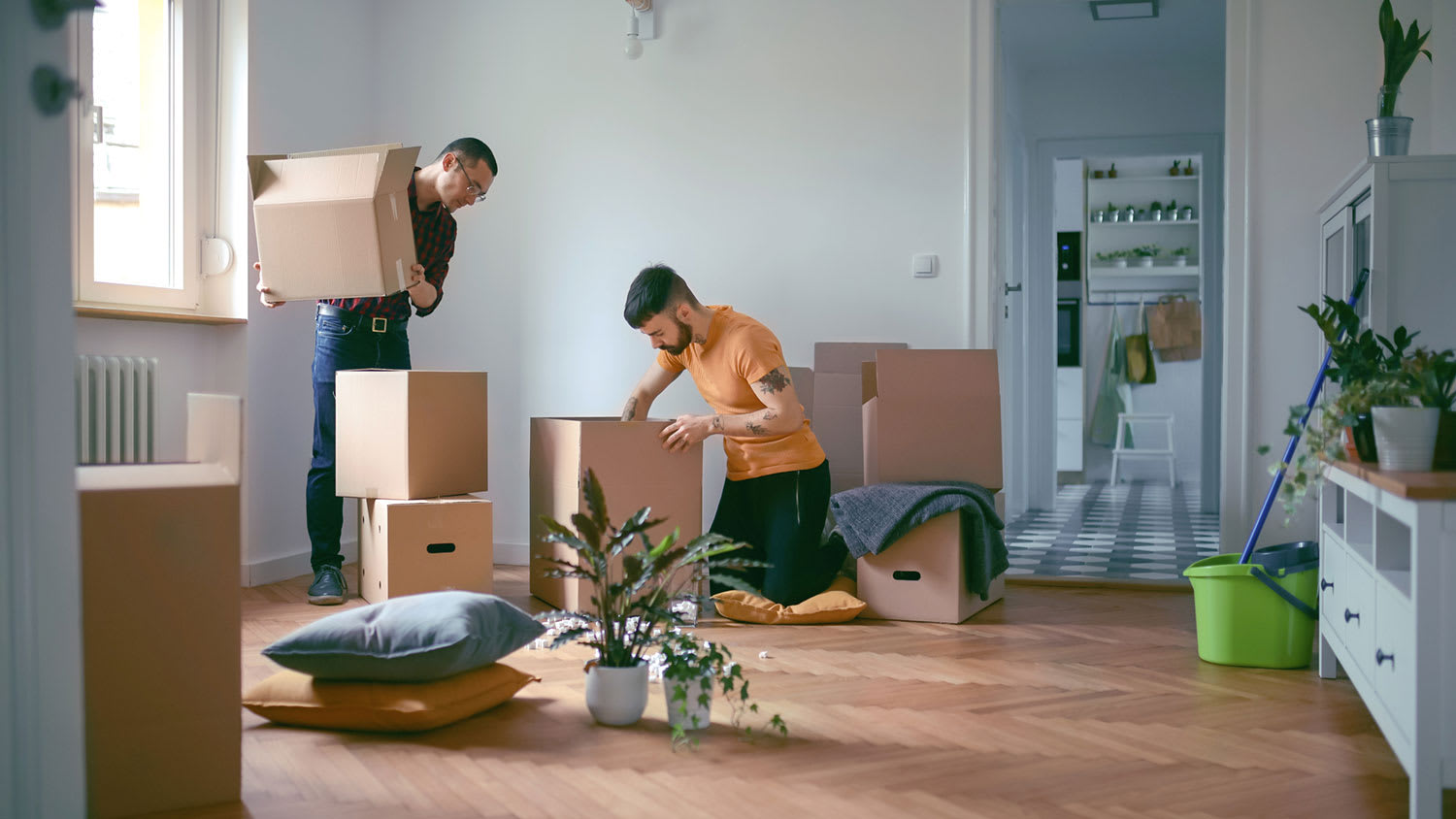
Is packing not your thing? Nonsense. You can pack like a pro and keep moving day chaos at bay with these tips to help you efficiently pack your household goods.

Packing clothes for a move can be stressful, but you can make the experience more pleasant by having a plan. Learn how to pack clothes for moving.

Ready to learn how to pack for a move? We’re going room by room in your home with all the top steps on packing up your belongings.
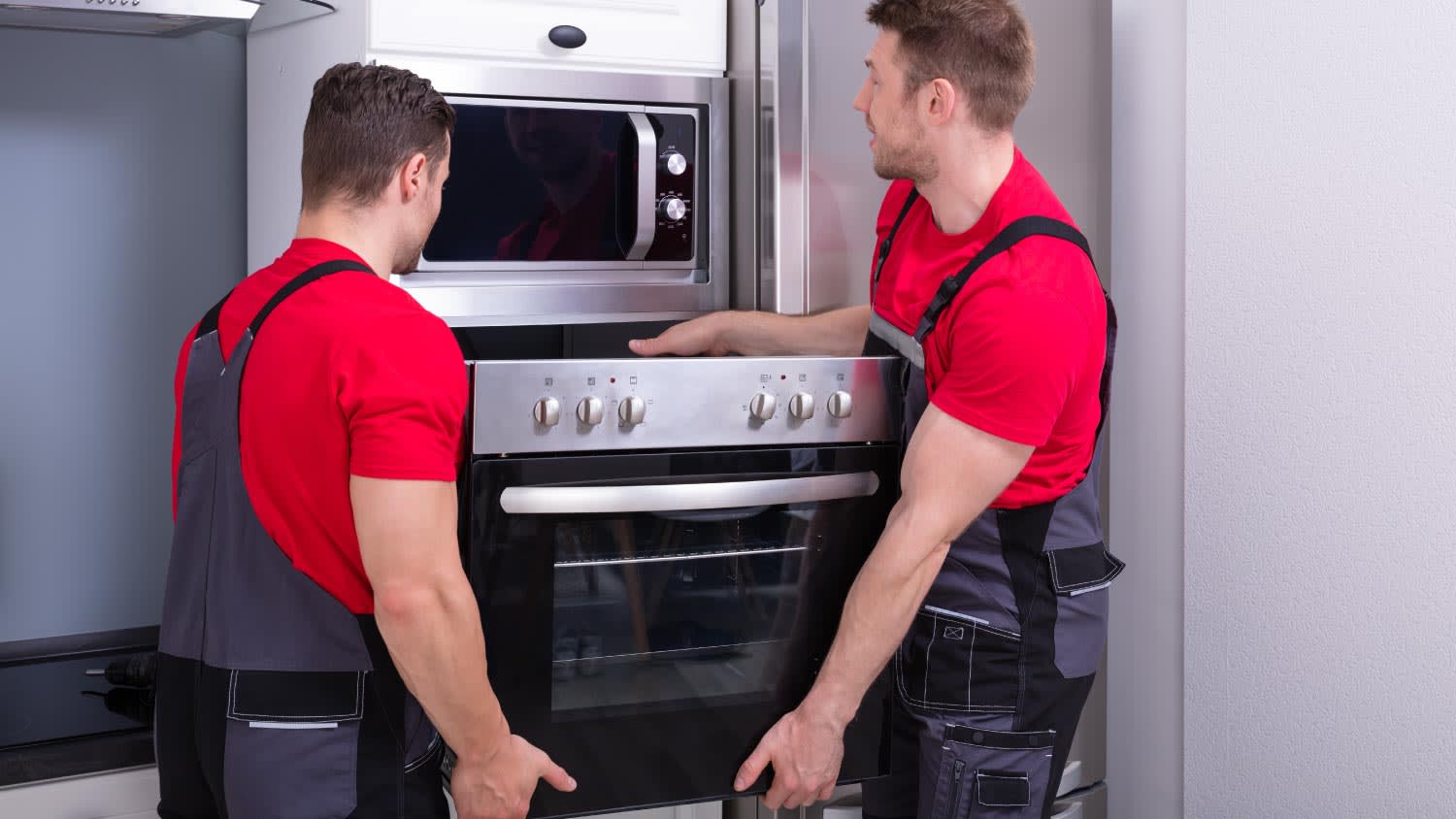
If you’re wondering how to pack appliances for moving, these tips will set you up for success whether you plan to DIY or hire professional movers.