
Hoping to reinvigorate your current garden with a few new blooms, veggies, or trees? We'll take it step by step, from choosing new plants to helping them grow.
You say “weird” like it’s a bad thing

Cool plants for your garden include unique specimens like black mondo grass, bat flowers, and spiral aloes that add striking visual interest.
Your garden benefits from rare plants such as cup-and-saucer vines and vampire lilies, which offer unusual colors and forms not found in standard landscapes.
You can find these unique plants through online mail-order nurseries or by visiting your local plant nursery for special-order assistance and expert guidance.
Hiring a local garden designing professional helps you select and place uncommon plants that thrive in your specific climate and complement your existing landscape.
From hydrangea to roses to hostas, some plants are common for a reason: they grow in a variety of climates and produce with little effort. But if you’re bored with boxwood, the next time you’re looking for an addition to your garden, consider a lesser-known plant but one likely just as easy to grow. From stunning tropicals to mysterious plants fit for Dracula’s castle garden, these 14 unique plants for your garden will add a little pizazz to your growing grounds.
Ophiopogon planiscapus ‘Nigrescens’

Hardiness zones: 5 to 10
Likes: Partial sun
One of the few truly black plants, this stunning plant grows slowly into neat, mounds about six inches high and wide. It can handle full sun in milder, coastal climates or be used in shade gardens, looking striking when planted along a border in front of a bright yellow heuchera, such as Heuchera x 'Carnival Limeade' or ‘Electric Lime.’
Black mondo grass has tiny pale purple or white flowers in the spring that turn to shiny purple berries, which stand out brightly against the deep black color of the blades. Because it is a slow grower, plant this spidery specimen in a container. For a winning combination, plant it in a cobalt blue pot with contrasting chartreuse spikemoss (Selaginella kraussiana 'Chartreuse’) or a golden creeping Jenny (Lysimachia nummularia 'Aurea’).
Cobaea scandens

Hardiness zones: 9 to 11
Likes: Full sun
One of the most beautiful vining plants, the magical two- to three-inch purple and green bell-like flowers look like little cups sitting on tiny saucers. An heirloom plant native to Mexico, it grows as a tender annual anywhere but in zones 9 to 11. The cup-and-saucer vine can ramble up to 30 feet long and 6 feet tall but usually doesn’t grow quite that big as an annual. Get a headstart by sprouting the seeds indoors. A fantastic addition to a cottage garden arbor or fence line, this is the ultimate Victorian garden plant. As a bonus, it attracts hummingbirds (and in some southern climates, bats!).
Tacca chantrieri

Hardiness zones: 9B to 11
Likes: Shade (bright light, no direct sun)
Special note: Bat flowers are poisonous, so exercise caution around pets and children
Named for their bat-like appearance, the bat plant’s floral structure is as complex as Dracula himself. The flowers are made up of deep purple bracts which sprout long whiskery bracteoles that can grow as long as 2 feet. There are also several deep-colored, pendulant flowers that burst from the center of the “bat.”
There are several varieties of the bat plant, the most popular being deep purple, but the flowers can range from chocolate-brown to white. Because they are so tender, unless you live in one of the mildest zones, grow them in pots and keep them outside in the summer, then bring them in as houseplants during the cool weather.
With their blooms, they can reach 3 feet in height but usually stay under a foot wide, and with the right amount of humidity and bright, indirect light, they can bloom several flowers one plant at the same time.
Dracunculus vulgaris

Hardiness zone: 5 to 8
Likes: Bright shade
Special note: Can be toxic to animals
Also known as the dragon arum, this tropical-looking plant is surprisingly hardy. Named for its incredible flower, which is a velvety, vampire red with a ruffled edge and a long, purple-black spadix. The flower itself has a stinky, rotten smell that attracts its pollinator, carrion beetles, and flies.
If you have one of these blooming in your garden, you’ll know it. The leaves are deep green, and the flowers' stems are actually green dappled with red, giving it the appearance of being splattered with blood. Although sinister in appearance, the plant itself is non-toxic to humans and used in various medicines. Look for its cousin, the voodoo lily (Sauromatum venosum ), also called the snake lily, which has a similar flower (and smell).

Hardiness zone: 9 to 11
Likes: Full sun
If you want something in your garden that none of the neighbors have, consider a mangave.
Relatively new to the botany scene, mangaves are a cross between agave plants and the genus Manfreda (which is now considered an agave). While the agave is most frequently associated with the enormous plant that produces nectar or tequila, these hybrids are small and full of personality.
From curling leaves to red tips to wild waves, look for the ‘Catch a Wave’ mangave, which has sliver, waving leaves, or the wild-looking ‘Desert Dragon,’ which only grows about six inches high and is green with purple spots. Mangaves also look great in containers and, for most climates, will need to be kept as a houseplant through the winter or considered an annual.
Callicarpa

Hardiness zone: 5 to 8
Likes: Full sun
While the flowers of the Callicarpa are certainly lovely, it’s the shiny bluish-purple berries left behind after bloom that earned this sweet shrub its common name, beautyberry. Because the berries appear in the fall, plant a beautyberry for a unique color against warm autumn oranges and yellows. This flowering shrub grows around 6 feet tall and wide and attracts birds to the garden. Look for Callicarpa bodinieri ‘Profusion’ for an excessive display of berry clusters.
Allium sp.

Hardiness zone: 4 to 9
Likes: Full sun
Globe thistles are a popular choice in gardens for their long-lasting, sturdy flowers and natural deer resistance, but less commonly seen are the pale variety, such as ‘Star Frost,’ which produces large, round globes of white flowers. This onion relative attracts pollinators galore, with upright flowers that can grow up to 4 feet high.
Mandragora officinarum

Hardiness zones: 6 to 8
Likes: Full sun or partial shade
Special note: Mandrakes are poisonous plants, so use caution around children and pets.
Fans of Harry Potter will recall the screaming roots of the mandrake, and few plants in history are as steeped in as much lore as the mandrake. And while the roots get all the attention, the plant itself is an interesting addition to any garden.
The relatively low-growing plant gets green, wrinkly leaves that can grow over a foot long but lie flat along the ground. Pale white, bluish, or bright purple flowers appear in the center of the plant, which give way to green berries in late summer. The berries turn red-orange in the fall. If you live in a zone that requires digging them up for the winter, don’t worry—you won’t need earmuffs to block the screams.
You may discover a fat little root. However, that is supposed to resemble a human body, but more likely looks like a carrot. Another variety of mandrake which blooms in late summer and fall is Mandragora autumnalis.
Aloe polyphylla

Hardiness zones: 7 to 9
Likes: Full sun, partial sun
A conversation piece in any flower bed, the tight forming spiral of this aloe grows clockwise or counterclockwise. Rare plant enthusiasts strive to have one of each in their own garden beds. Best suited to a rock garden where not overwatered, it can be kept inside like its cousin, the Aloe vera, in the winter in colder climates. It is two feet high and wide and almost globe-like in full growth.
Imperata cylindrica

Hardiness zone: 5 to 9
Likes: Full sun
An incredibly striking grass for any garden, the upright blades of green leaves have bright red tips, earning its title. The entire blades become deep red in late summer and fall, glowing in your garden bed, especially when paired with silvery-blue fescues, like Festuca 'Elijah Blue'. Overall it grows to 20 inches high and about 18 inches wide. Look for the ‘Red Baron’ for the showiest of reds.
Clerodendrum trichotomum

Hardiness zone: 7 to 9
Likes: Full sun
All the glory bowers are striking in a garden, but the harlequin glory bower has a few unique characteristics that set it apart. It’s a fast grower, considered a shrub but for many, it can become a small tree, as it can grow up to 30 feet.
Small white and red flowers cover it, forming incredibly beautiful bright blue berries in the center of deep pink calyxes. What’s more, when you crush the leaves, they give off an unusual smell some describe as peanut butter-like. Even though it can grow quite large, you can cut it to the ground before winter.
Bouteloua gracilis

Hardiness zones: 4 to 9
Like: Full sun
A beautiful, clumping grass native to the United States, it has a bluish-green color and grows to 4 feet wide and tall. What sets this grass apart from some of its fellow prairie grasses is the uncommon flower structure, which grows horizontally off from the stem, making it appear like little flags. Look for ‘Blonde Ambition,’ which has chartreuse inflorescences that fade to light brown over summer but remain on the plant throughout the winter.
Echium amoenum

Hardiness zone: 3 to 9
Likes: Full sun
More commonly seen in the purple variety, red feathers echium is an unsung hero of the drought-tolerant perennial bed. It spreads only about 10 inches wide and grows showy 15-inch flower spikes covered in dozens of small, deep scarlet flowers that bloom for weeks.
Origanum libanoticum

Hardiness zone: 5b to 8b
Likes: Full sun
Stunning in hanging baskets, the cascading origanum form drooping flowers of pale pink, bluish-purple, and green. Hybrids include ‘Kent Beauty’ and ‘Kirigami,’ which do well in container gardens. Bees and butterflies love them, they don’t need a ton of water, and they even have a lovely fragrance. Although the plant is relatively uncommon, it will not disappoint.
While many of these plants might be hard to find at first, you may find many of them available via mail order after you do a little digging online. Pay attention to botanical names rather than common names, as many plants, such as the vampire lily, share common names with other species. Or visit your local plant nursery where a professional can help you find your new favorite flowers and perhaps even special-order them for you.
Custom Paint Jobs LLC made our home feel like a piece of art. Thank you for your creativity!
 Custom Paint Jobs, LLC
Window Depot did an amazing job on my deck. I wasnt sure what I wanted to do, but their composite decking was affordable and will last a long time. I am excited to have family over, and I am no longer embarrassed by my backyard. Jeff and the ground crew were polite, respectful, and caring for...
 Window Depot USA of Central Ohio
First of all, the gentleman I dealt with (Cam?) was very responsive to my many questions and concerns throughout the project, which is a huge plus to me. From the first time I met him for the estimate all the way til the completion of the job, he and his crew were professional and respectful....
 All Star Paving and Sealing
We had a 20+ year old landscape lighting system that needed replacement. Midwest Lightscapes worked with us to design a much improved lighting system, lighting the exterior of the house and the back yard. Installation of the 45 light system took one and one-half days, and went very smoothly....
 Midwest Lightscapes
Another great success for me on home advisor. This company did an awesome job on my landscaping and stayed within my budget. The best part, the work was complete within 2 days of my initial request. Professional and responsive. I highly recommend!
 Blue Ring Residential Services, LLC
The company no showed on me twice. The 2nd time was no call no show. They were responsive to set up the first appointment to perform the "landscape cleanup". 3 hours after their initial scheduled appointment time they called me to let me know they had some "problem" with the truck and their...
 Ruby Home and Hauling Services
Received ideas for future landscape plans...quote to do the work seemed a bit high but I did not have any other quotes to compare it to, so perhaps that is the going rates. <br />
 Landscapes By Terra, Inc
All around they have done a really great job. <br /> I have used JL Landscapes for the past 8 years. I own and operate my own commercial/residential real estate company where we own, operate, and maintain our own properties. JL Landscapes has been our exclusive landscaper for both our...
 J.L. Landscapes
Bought a half a cord of firewood from Pitzer with stacking last month. I waited to report so I could see how the wood burned. <br /> <br /> I have three pet peeves regarding landscapers, but Pitzer scored "A"s regarding all three. First, rather than having customers "leave a message" and...
 Pitzer Landscaping
I left a message on Sunday requesting to schedule a time to obtain an estimate/walk-through and received a return call in the morning of the following Monday. Mark worked with me and agreed to schedule the estimate/walk-through for the following Saturday. When Mark arrived for the...
From average costs to expert advice, get all the answers you need to get your job done.
Hoping to reinvigorate your current garden with a few new blooms, veggies, or trees? We'll take it step by step, from choosing new plants to helping them grow.
Looking for home gardening inspiration? Check out advice from nine gardening influencers on how to grow a healthy garden and have fun along the way.

Is it time for a landscape glow-up? Check out these 47 landscaping ideas that show off your one-of-a-kind lawn and gardening style.
From improper lawn care to how not to plant a perennial bed, these are the common landscaping and design mistakes professional landscapers can’t stand.
If you’re curious about the life cycle of plants, including flowering plants, annuals, and biennials, this guide delivers plant life cycle basics.
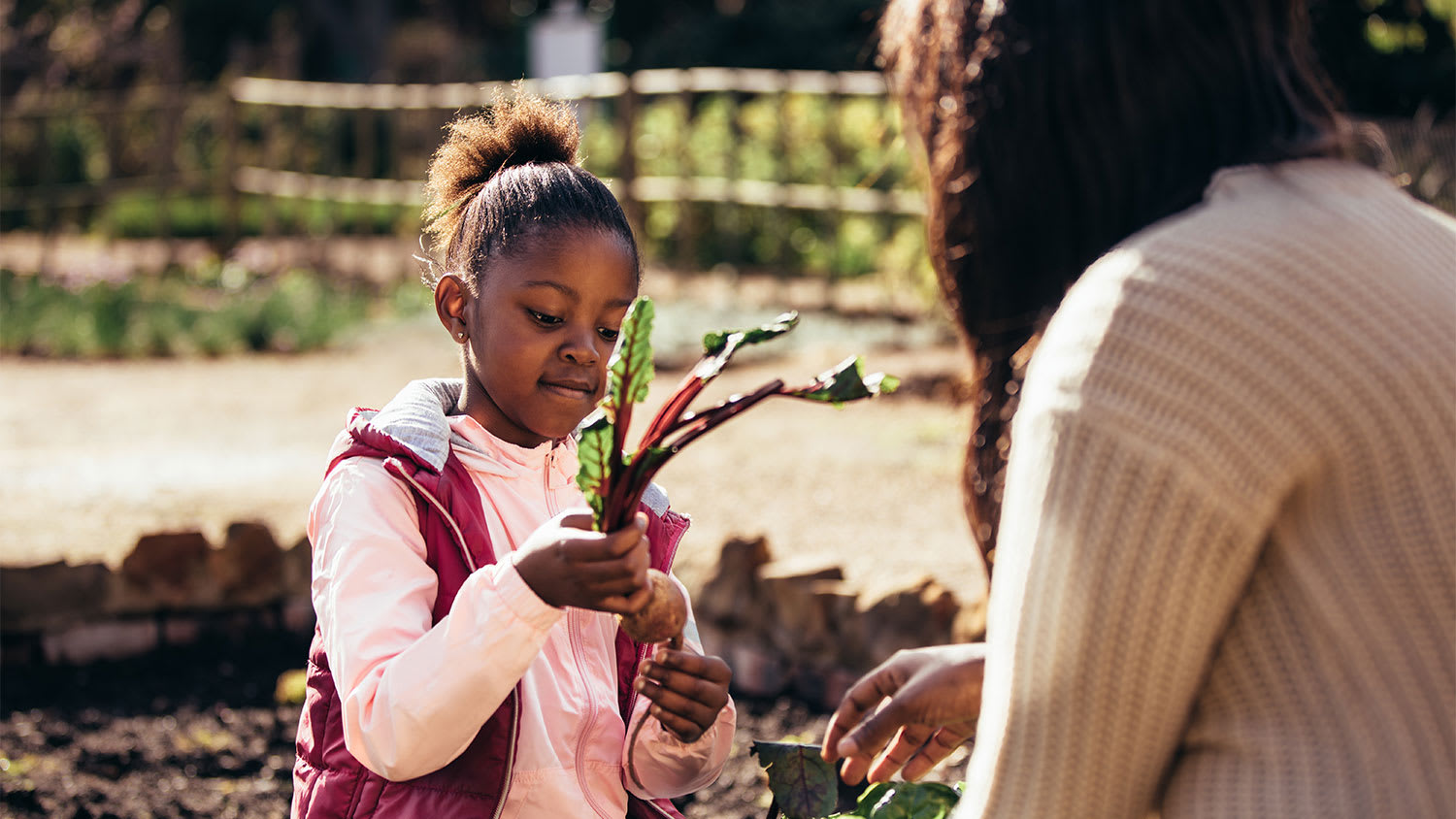
Knowing how to plant a vegetable garden can seem daunting if you weren’t born with a green thumb. Luckily, you just need a little know-how, water, and sunshine.