
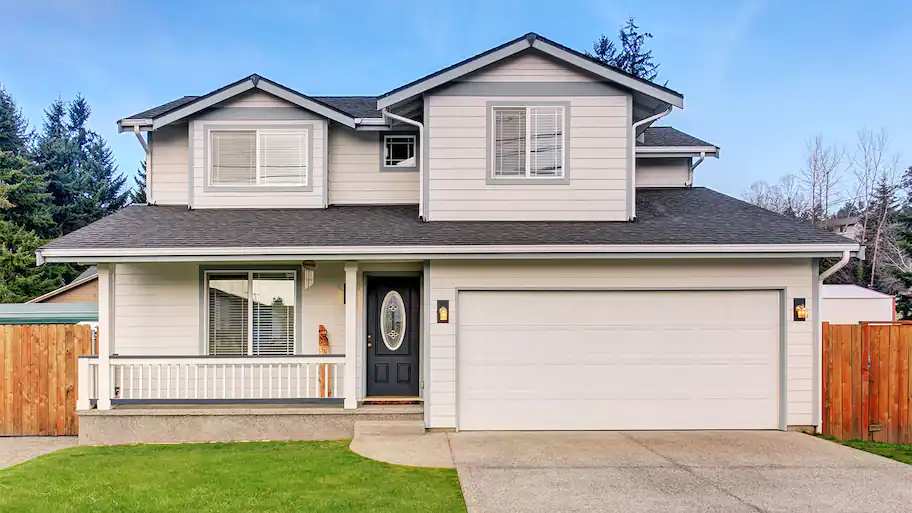
Electrical subpanels allow you to use appliances and electronics safely. This cost guide explains the important factors to consider when installing a subpanel.
Proper wire sizing is vital for safety

The 125 amp wire size you need is 2 AWG for copper or 1/0 AWG for aluminum, with copper being thinner but more costly.
Properly sizing your electrical wires prevents overheating and electrical fires by reducing resistance and friction heat, keeping your home safe from hazardous conditions.
Your wire size selection depends on current load, wire material, and diameter, with larger wires having lower gauge numbers and less resistance to electricity.
Hiring a local electrical professional ensures proper wire sizing for subpanels or whole-house generators, handling code requirements and installation with confidence.
Installing a whole-house generator or extending electrical service in your home through a subpanel requires using the correct wire sizes, including 125 amp wire size.
Hiring a qualified electrical contractor is necessary for this type of electrical work. However, having wire-sizing information, such as the proper 125 amp wire size, will help you better understand a price breakdown for subpanel work or the cost of installing a whole-house generator.

Electrical wires come in various sizes to accommodate different electrical loads or how much electricity they can safely handle. We measure wire sizes by their thickness and express the measurement in gauges. The loads they handle, we measure in amps (A), volts (V), and watts (W).
AWG means American Wire Gauge and is one of the standards that denotes wire gauge or thickness. Another measurement notation when dealing with large-diameter wires is kcmil or thousandths of circular mils where one kcmil equals 0.5067 mm squared.
The larger a wire's diameter, the lower its gauge number representation and the more amps it can safely handle. In general, household circuit wire sizes range from 14 AWG for 15A circuits to 6 AWG for up to 60A ones.
When discussing larger amp loads for electrical service, sub-panels, or whole-house generator feeder lines, we're talking about wire sizes between 4 AWG to larger than 1 AWG. Wires larger than 1 AWG use 1/0 AWG or 0 AWG up to 4/0 or 0000 AWG. The numbers get bigger as the diameter increases. Beyond 4/0 AWG, the measurement changes to kcmil, a direct measurement of the wire's diameter.
The current standard material for household circuitry wiring is copper. However, copper and aluminum wires are common and legal for use in large-gauge electrical applications, such as feeder wires to your home.
Copper wire is more costly than aluminum but less resistant to electrical current. You can use smaller diameter copper wire than aluminum for the same amp load. Aluminum wiring requires specific hardware for installation to handle the metal's tendency to expand and contract.
Small-gauge aluminum wires for household circuits were popular once but no longer meet building code requirements.
| 125A Copper Wire | 125A Aluminum Wire |
|---|---|
| 2 AWG | 1/0 AWG |
| 0.2576-inch diameter | 0.3249-inch diameter |
| Max amps 130A | Max amps 135A |
Installing the correct 125A wire size depends primarily on the amount of current passing through the wire. The chart below contains typical household copper and aluminum wire sizes based on amps.
| 100A | 4 AWG | 2 AWG |
| 125A | 2 AWG | 1/0 AWG |
| 150A | 1/0 AWG | 2/0 AWG |
| 200A | 2/0 AWG | 4/0 AWG |
Properly sizing wires to meet electrical current demands is necessary to avoid overheating and is more than a simple electrical safety tip. The movement of electricity through wires creates heat due to the friction of a wire's resistance. A wire's AWG or diameter affects its resistance measurement or ohms. Larger gauge wires have less resistance than smaller ones.
Friction heat can be excessive in wires too small for the current passing through them. Electrical fires can result from this condition. So, it's crucial to install the correct wire size for the electricity that will travel through them. Luckily, your local electrician will know the requirements and code restrictions for your location and is indispensable when installing or servicing large electrical installations.
I recently had Mosby Electric perform an electrical installation on 8-14-2026, and I couldn’t be more satisfied with the service. From the moment I called, their team demonstrated fast arrival and professionalism. The electricians were highly knowledgeable, completing the installation...
 Mosby Electric
Great company! Price was competitive, technician showed up on time and completed the job (exterior electric Radon fan replacement) quickly. Would hire them again.
 MaGen Property Inspections and Radon Mitigation
I conferred with 2 other contractors before Armstrong Electric. Nick and his crew showed me that the project was not as convoluted as the other contractors made it appear to be. They completed the entire project on time. They were professional, friendly and cleaned up after at completion. I...
 ARMSTRONG ELECTRIC, LLC
The techs on my project, Shawn and Cliff, were great. They were prompt, courteous, and efficient. I am very happy with the results and would definitely contact Mr. Electric for any future electrical projects.
 Mr. Electric of Columbus
Victor was wonderful. He was on time, professional, and explained everything he was doing. He was thorough and figured out that the problem was electrical instead of with my HVAC system. Very knowledgeable. I will be using this company in the future for any HVAC needs. Thanks!
 Hubbs Heating & Air LLC
They were excellent. They did a great job. I was totally satisfied. They put tremendous effort in making sure the work was completed. They were great. They provided immediate response to any inquires I made. I would hire them again. I would recommend them to anyone who needs electrical work....
 JCB & Associates, LLC DBA Property-Tech Industries
Initially, the repairman could not find the problem. Apparently, there was some electrical shortage, but he could not find the definite problem. He left, but called back later to say he had a new idea. He returned and replaced the light switches on the doors. The refrigerator seemed to return...
 Appliance Pro LLC
The initial quoted price from a walk-through seemed high, but we discussed that the quote represented worst case scenario (re-wiring to two floors) and we were excited about the opportunity to have the work done in a timely manner with closing for fire safety reasons, etc. When the job was...
I have to tell you I am all about customer service - I will go out of my way and even pay more for it if you give me great customer service. <br> <br>In a world where this is hard to find, these guys were awesome! I can not sing their praises enough. They were prompt, personable, funny, got...
 Waibel Electric
When I challenged the markup on the generator, Bruder Electric withdrew its bid. They only want naïve customers.
From average costs to expert advice, get all the answers you need to get your job done.
Electrical subpanels allow you to use appliances and electronics safely. This cost guide explains the important factors to consider when installing a subpanel.
The cost to paint aluminum siding depends on several factors, including type of paint and labor cost. What are the pros and cons of DIY or hiring a painter?
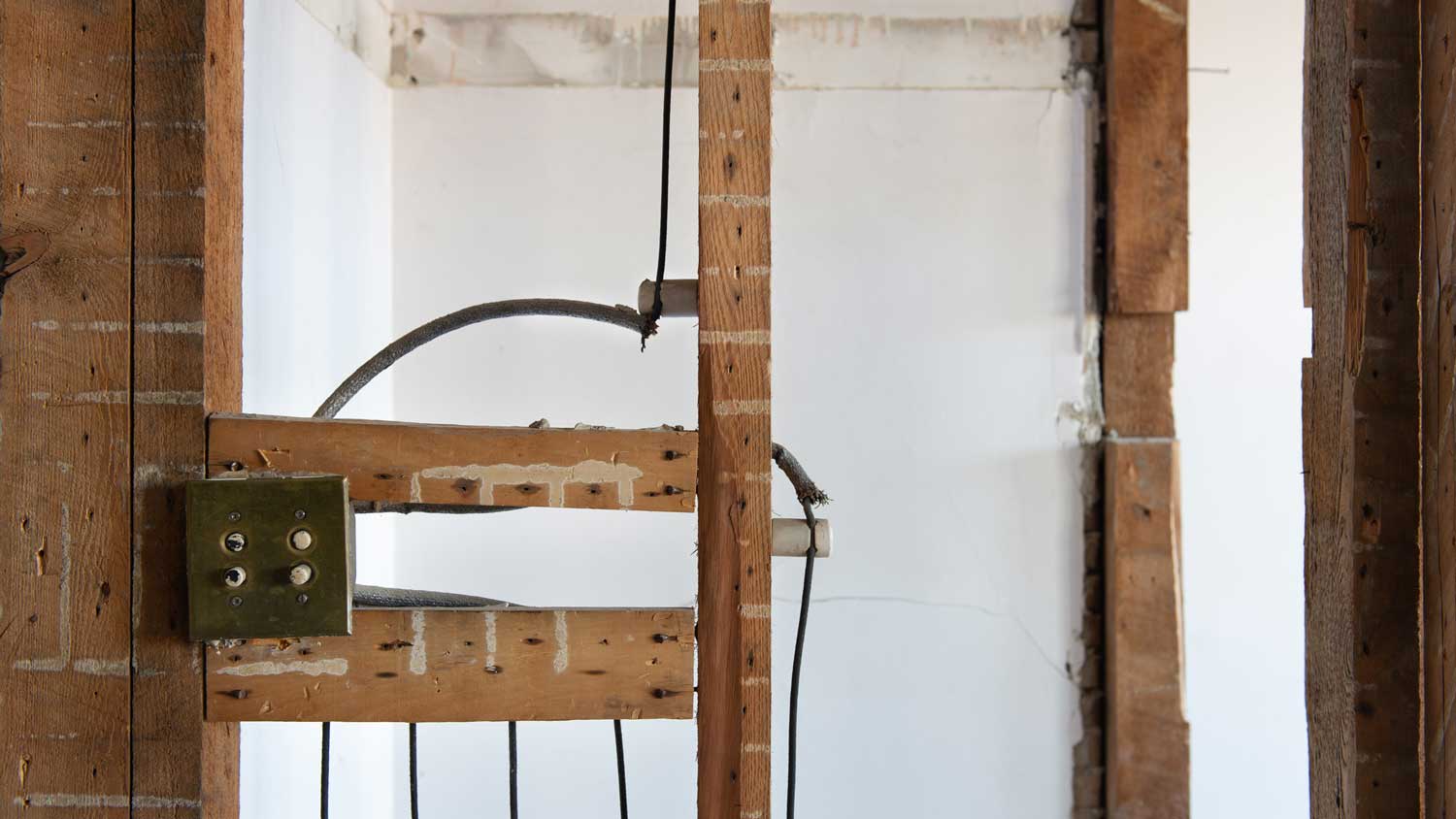
Considering replacing your home’s knob and tube wiring with a contemporary electrical system? Find out what costs and considerations may be involved.
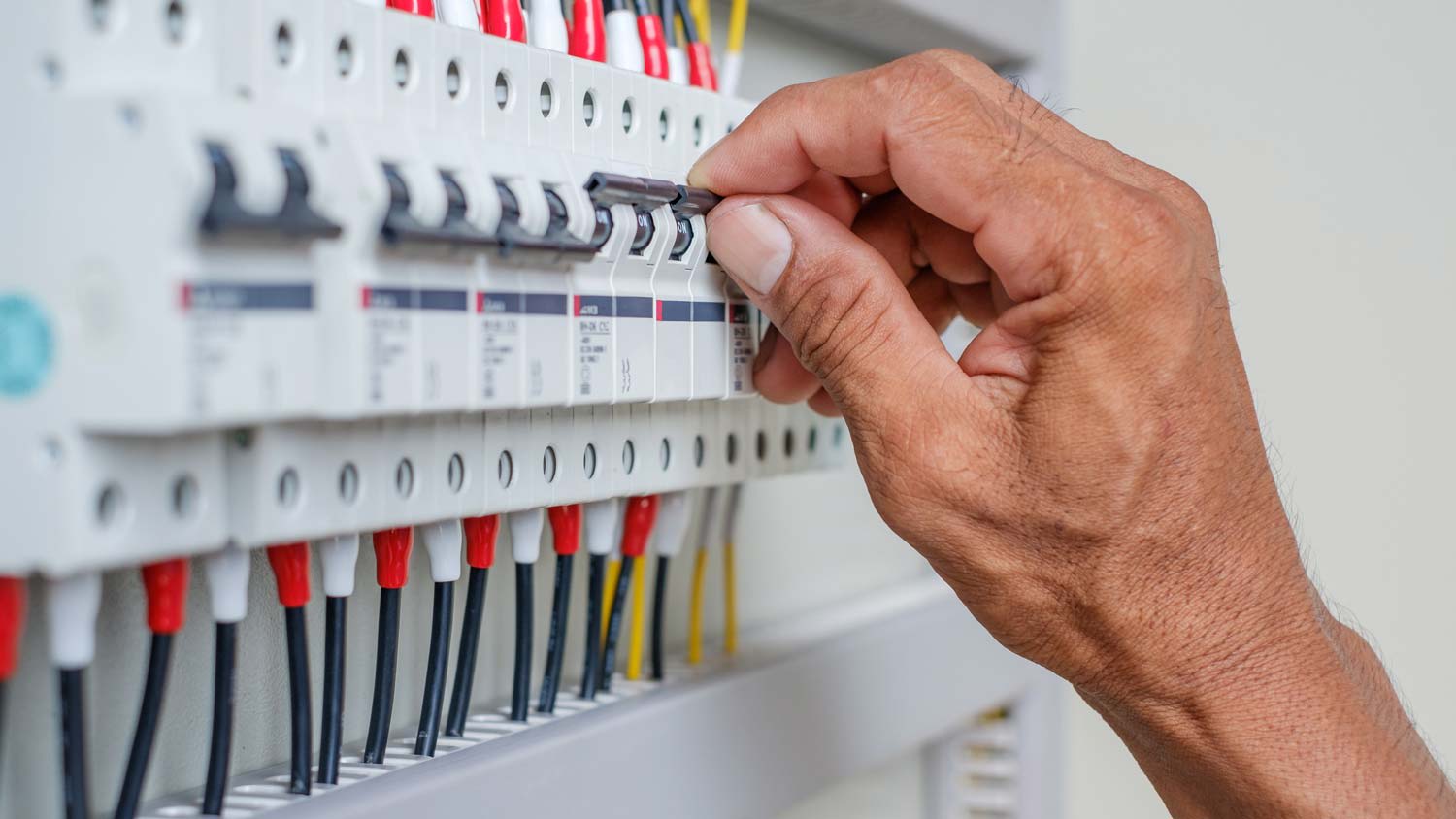
Planning out a 50-amp circuit? Selecting the right wire size is crucial. Find out how to determine the right 50-amp wire size.

Selecting the right wire size helps your electrical system run safely and efficiently. Find out the correct wire size for 100-amp service panels.

Wire sizes vary based on the ampacity of a circuit and more. Use this wire gauge amp chart to help you choose the correct wire size for your electrical circuit.