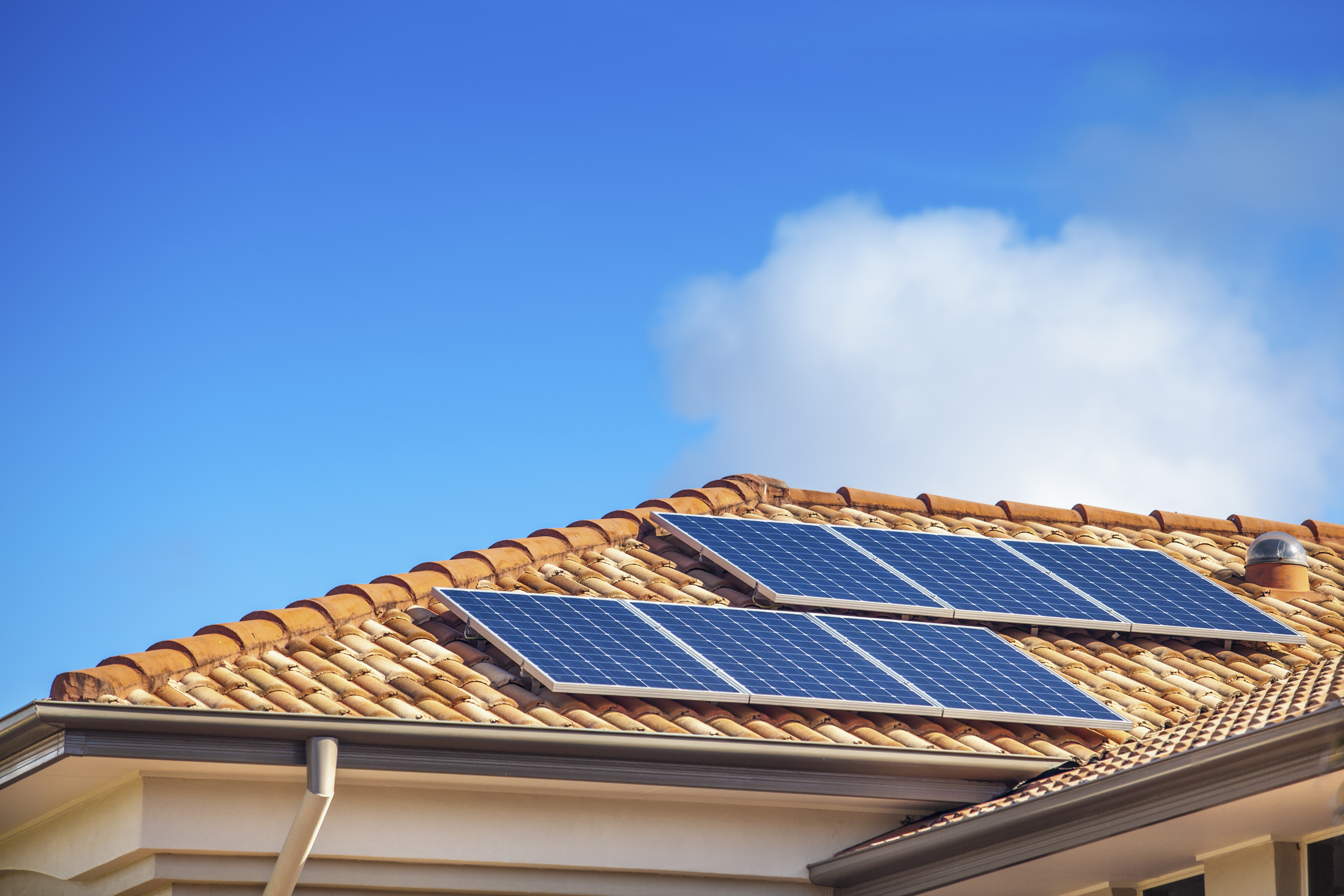
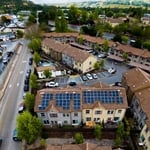
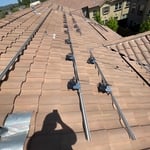
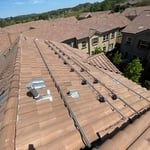
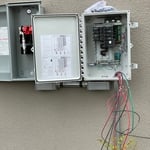
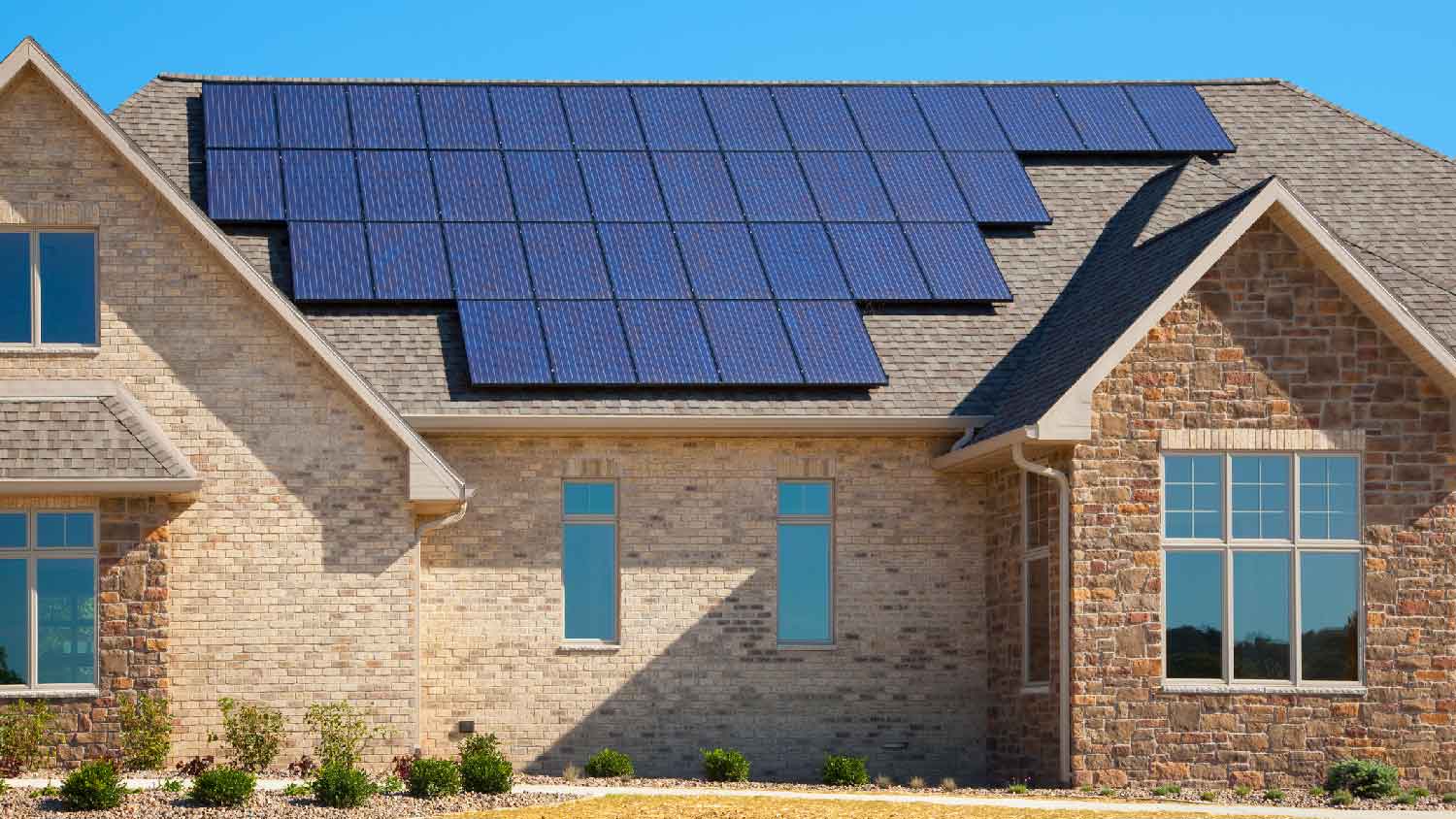
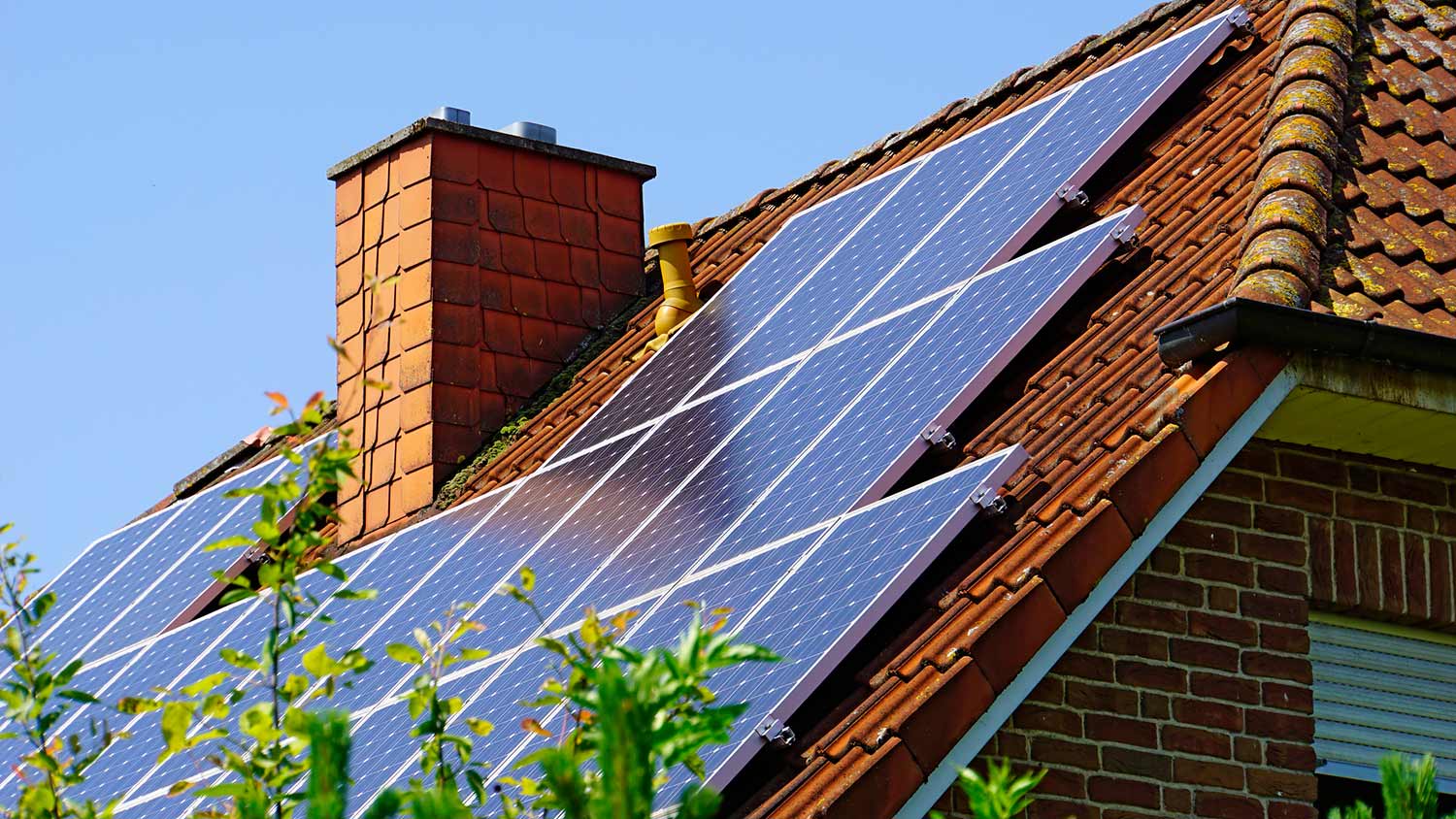
We provide residential and commercial solar power options, and provide support services for industry partner companies. We offer no cost consultations and $0 down financing. Please contact our office for a consultation at (931)922-8258.
"I was very impressed with the installer who was sent. He mounted the dish without drilling through my new roof, which might have voided my roof warranty, Also, he mounted the dish in a location where it is easy for me to brush the snow off it in winter. I appreciate his knowledge and thoughtfulness. Also, they didn't charge me to re-install the dish."
"The last was a rental company that we have and we used them for an air conditioning and heating system. It was Bototach Mechanical. It’s been a good program for us. They’re very responsive. I don’t know what the thought process was. My husband said, well let’s try these guys and so we did. We have an older home and it’s proved to be a very good deal. The quality has been pretty good, so I would give them an A for the quality. I will give you one helpful hint though. If the company decides they want to replace an appliance, you need to call them and negotiate with them because you can upgrade, but you need to talk to them in person not just do it over the internet."
We are a locally owned and operated company. We value honesty and integrity in all aspects of our business. We offer a variety of home improvement services that are customized to each individual project. We pride ourselves on the quality of our work, as well as our commitment to outstanding results. We look forward to building lasting relationships with our clients and guarantee your satisfaction!
We are committed to excellence in every aspect of our business. We uphold a standard of integrity bound by fairness, honesty, and personal responsibility. Our distinction is the quality of service we bring to our customers. Accurate knowledge of our trade combined with ability is what makes us true professionals. Above all, we are watchful of our customers' interests and make their concerns the basis of our business.
\nMainly use Wire transfers - do financing with customers as well.
\nWith Financing offer 12 months no payments.
\n
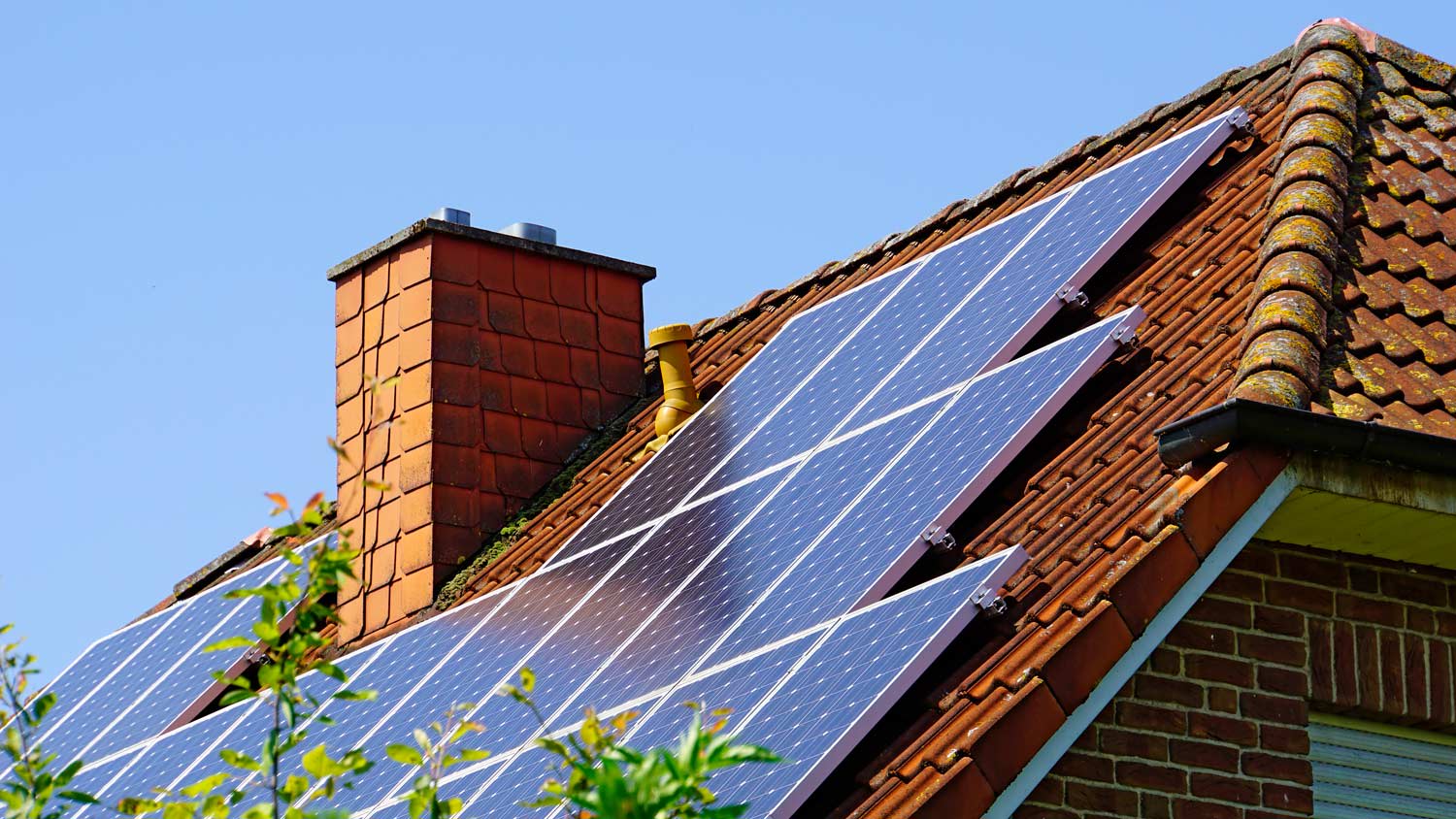
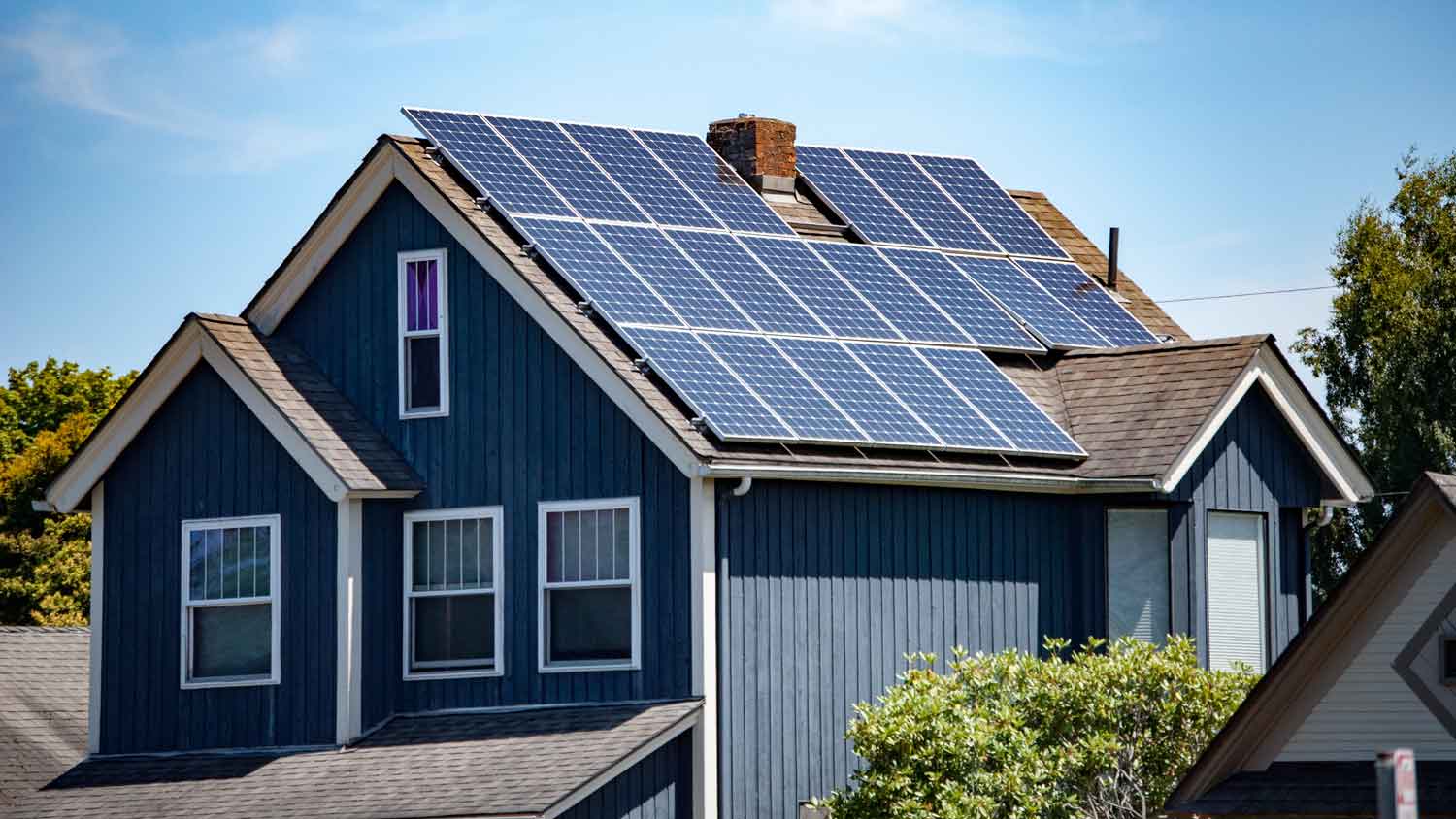
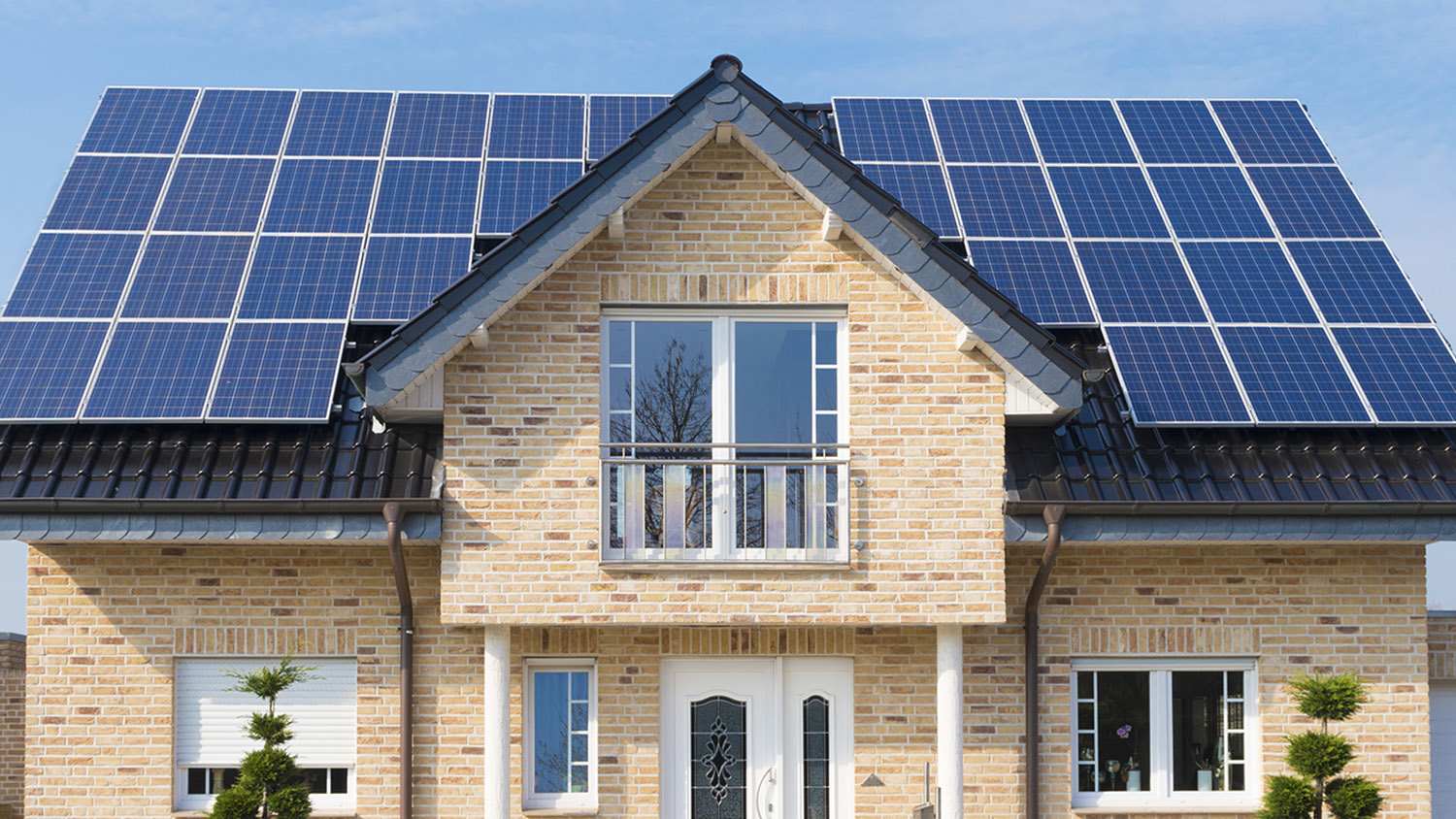
Ideally, you want to place them facing true south. This is different from what a compass shows, which is called the magnetic south. You can find true south by using an online calculator as long as you know the longitude and latitude of your property. Solar panel placement is key to maximizing the energy you generate, so this is an important step.
Rooftop solar panels supply energy to a single household, where a solar farm can power multiple homes at once with clean energy. Residential rooftop solar panels cost more per watt with a lower project total, and those panels only service the residence they are installed on (in most circumstances). With a solar farm, multiple households can buy into the project and share the overall cost.
There are a few great questions to ask a solar contractor or inspector when you speak to them. You’ll probably want to find out about the energy yield and efficiency of your array, ensuring the actual output matches the amount you calculated when installing the array in the first place. It’s also a good idea to find out about any damage or wear and tear on the array and to inquire about how soon you need to make repairs or replacements to essential components.
Learn about common solar blockers in your area to determine how often you should wash solar panels and the best cleaning method:
Soot: If you have a fireplace, soot can disperse and accumulate on the solar panels.
Debris, dirt, and leaves: These natural elements require light cleaning. Being close to trees or living in a desert area can cause more of these to accumulate.
Pollen: Areas with a high pollen count require more frequent solar panel cleaning, and sticky plant material requires a deeper cleaning.
Bird droppings: Bird droppings are binding and more difficult to remove. Keep this in mind if you live near a lot of surrounding trees.
It’s possible that installing solar panels can lead to mold on the roof. The panels themselves are not the issue. Problems caused by improper installation—such as roof leaks and mounts that aren’t sealed properly—can cause mold. Another potential cause of mold is debris accumulation under panels, which can trap moisture. If you live somewhere with extreme snow, rain, or hail, your home could be more prone to mold.
The Baggs, WY homeowners’ guide to solar panel services
From average costs to expert advice, get all the answers you need to get your job done.
Find out how much it costs to remove solar panels, including average prices, key cost factors, and tips to save money on your solar panel removal project.
Discover solar panel maintenance costs, including average prices, cost factors, and tips to save, empowering you to keep your solar system running efficiently.
There are three types of solar panels: monocrystalline, polycrystalline, and thin-film. Before choosing one for your home, here are the pros and cons of each.
If you’re making the switch to solar energy, you’ll want to know the difference between solar panels versus solar shingles. Here are the pros and cons of each.