


Top-rated radon detection and reduction specialists.

Get matched with top radon detection and reduction specialists in Kinnear, WY

Enter your zip and get matched with up to 5 pros

Need a pro for your radon detection and reduction project in Kinnear, WY?

Select your specific project to find the pro for you.

Find Radon detection and reduction specialists in Kinnear

Big Horn Basin Home Inspections, LLC
4.6(
11
)
Radon Gas - AbatementRadon Gas - Testing

Serving Kinnear, WY and surrounding areas

Approved

In business since 2015

Offers commercial services

Customers say: Quick response

"I live in an area weâ re getting a contractor to respond is a challenge. Tony responded immediately, and answered all my questions over a couple of phone calls. The business came highly recommended by a customer who has been using there services repeatedly over a long period of time. I would recommend Tony to anyone who needs a home inspection or radon mitigation. Prompt and professional."
Response time11 hrs
Response rate95%
5 neighbors recently requested a quote
Alpha Radon Mitigation
New to Angi
Radon Gas - AbatementRadon Gas - Testing

Serving Kinnear, WY and surrounding areas

In business since 2016

Free estimates

Credit card accepted

Alpha Radon Mitigation, is committed to excellence in every aspect of our business. We uphold a standard of integrity bound by fairness, honesty and personal responsibility. Our distinction is the quality of service we bring to our customers. Accurate knowledge of our trade combined with ability is what makes us true professionals. Above all, we are watchful of our customers interests, and make their concerns the basis of our business.

Response time20 mins
Radon Detection and Reduction questions, answered by experts

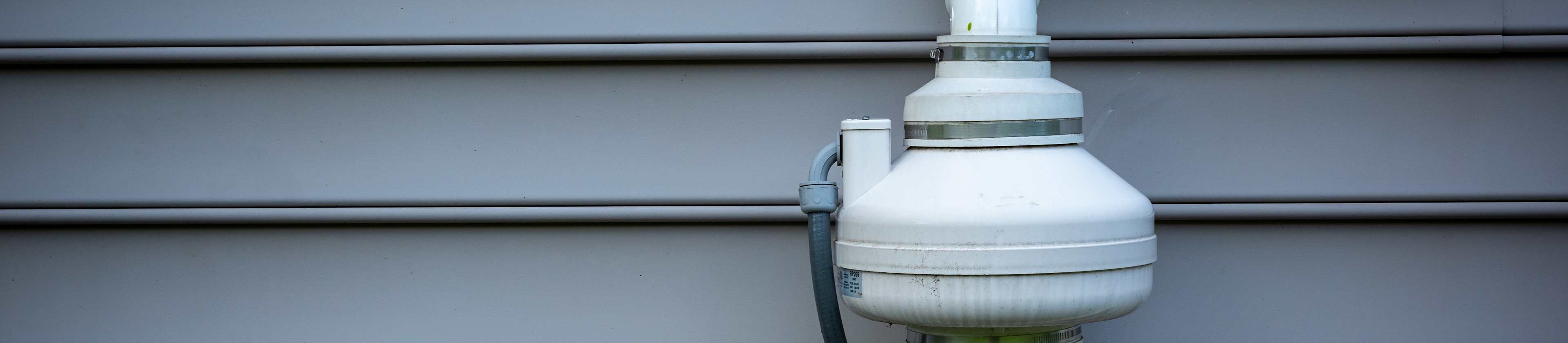
The cost to replace a radon fan ranges from $300 to $600 for the fan itself, with installation adding an additional $200 to $500. Overall, the total cost for replacement can range from $500 to $1,100, depending on factors such as the fan model, home size, and local labor rates. If the fan is part of a larger radon mitigation system, the price may be higher.

Keeping radon from getting into your home is much better than having to get rid of it once it's already indoors. While there may not be a way to fully prevent radon from getting into your home, there are things you can do to reduce the gas's ability to enter. 

Sealing foundation cracks and openings can help keep the gas from seeping inside. Improving air flow, such as by opening windows, can also be helpful. If you're building your home from scratch, talk to your contractor about using radon-resistant construction to keep the gas out.

A homeowner can install a radon mitigation system on their own. But it’s a challenging DIY that requires a lot of knowledge about radon mitigation as well as familiarity with local regulations. You do not want to risk an improper installation that leaves the system unable to detect radon or gives it a shortened life span. Relying on a professional is the surest way to guarantee a successful installation.

No level of radon is technically safe, but since it is naturally present everywhere, it is impossible to avoid entirely. The average radon level in homes across the United States is 1.3 picocuries per liter (pCi/L). The Environmental Protection Agency (EPA) recommends taking action to reduce radon levels if your home's test results are between 2 and 4 pCi/L or higher.

Mitigation can take several days depending on home setup, equipment accessibility, and achieving effective diffusion system sealed efficiency.

The Kinnear, WY homeowners’ guide to radon detection and reduction services

From average costs to expert advice, get all the answers you need to get your job done.