"Kasey (Dueling Aces) built our Trex Front Porch Deck and installed rain gutters, did an excellent job and were right on time. Kasey and his staff were courteous, professional and friendly. I will have Kasey back for more improvements and additions and I recommend Dueling Aces to anyone."
With several years experience, we work hard to bring each customer the best possible service and quality available. We look forward to working with you on your next project. We welcome your questions and thank you for your interest.
\n
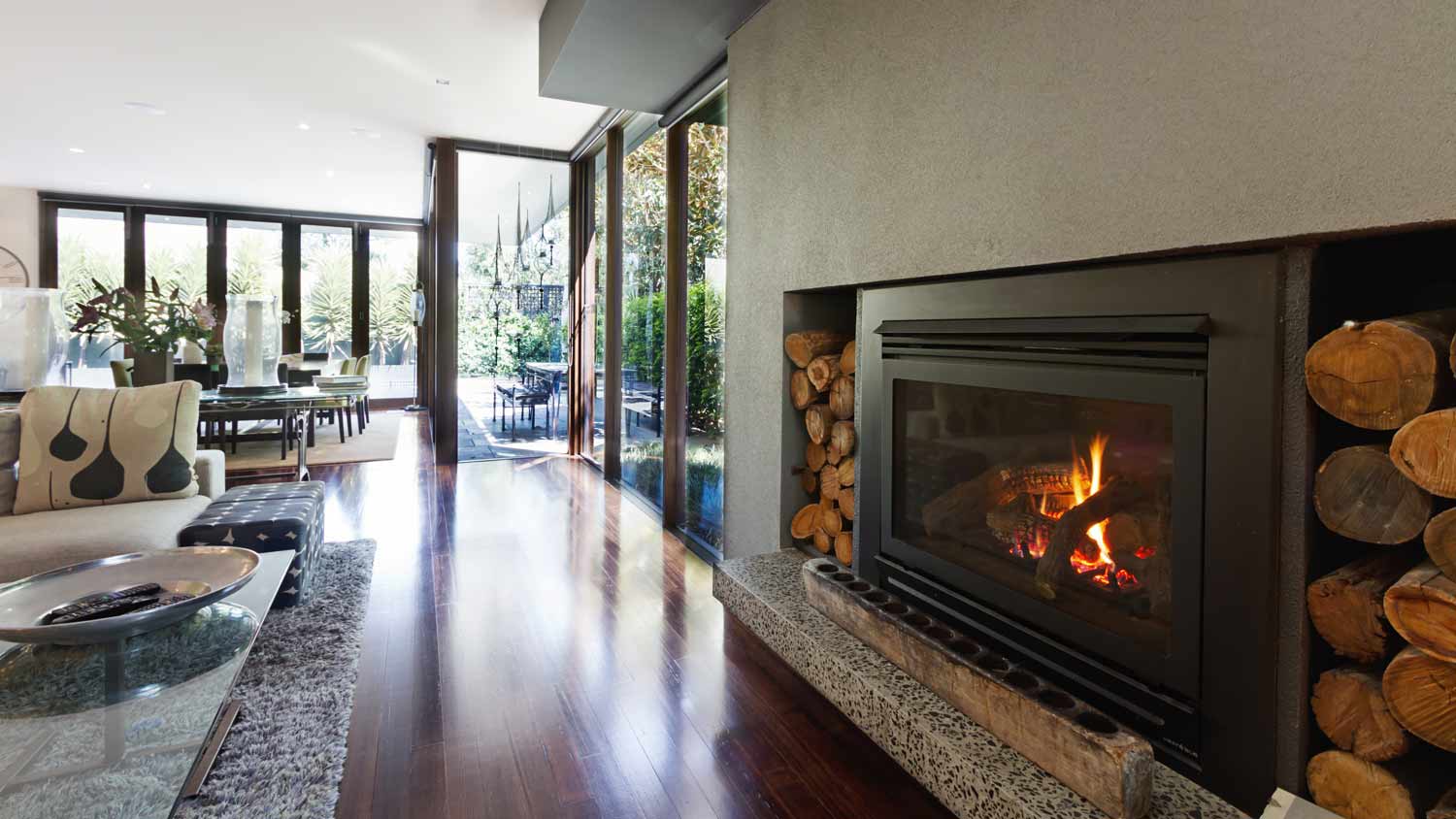
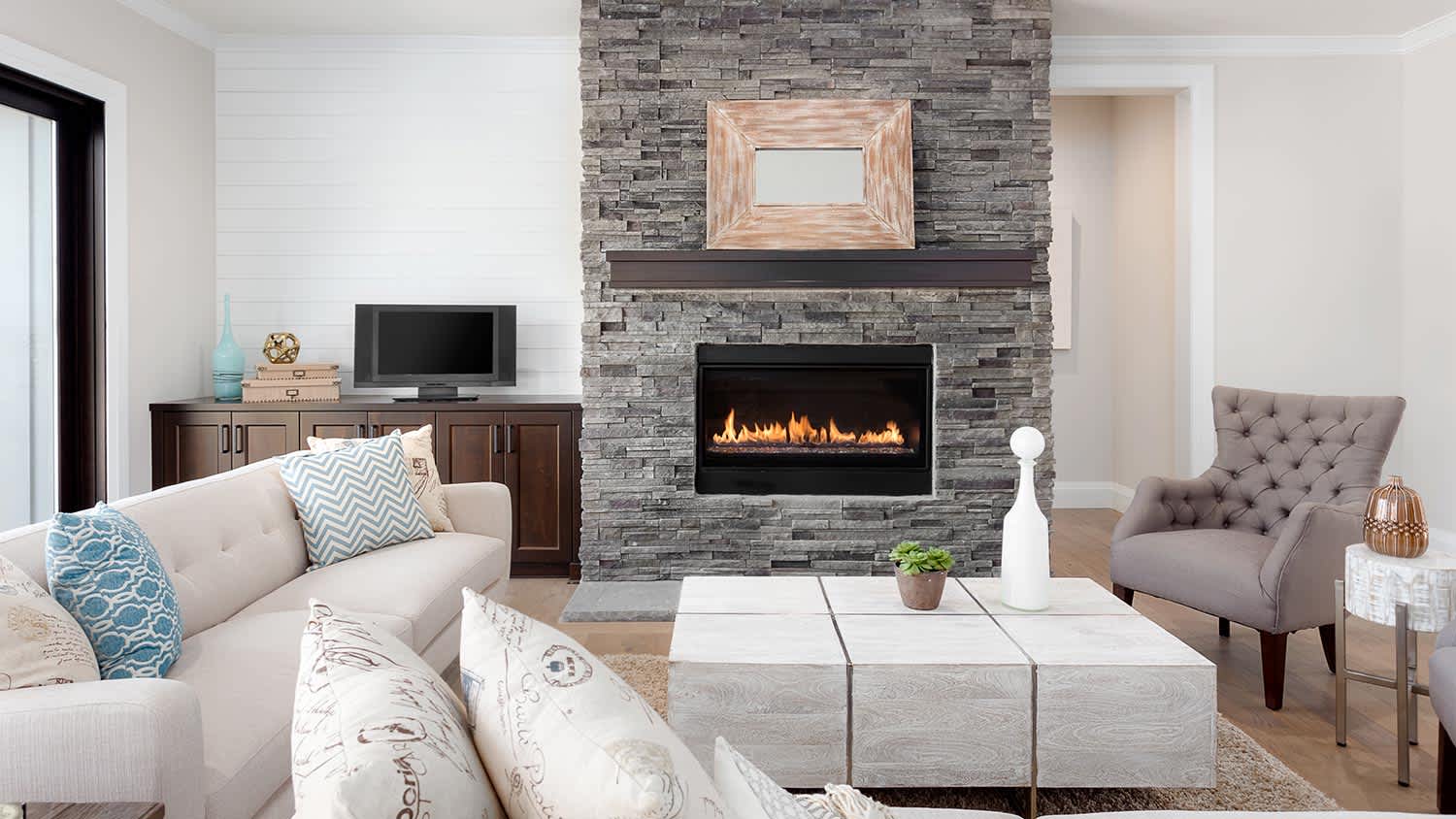
Gas fireplaces provide energy-efficient heating, low maintenance, and the convenience of instant ignition with remote control options.
The National Fire Protection Association (NFPA) says that chimneys and their associated elements like fireplaces, vents, or stoves should be cleaned at least once a year before the start of seasonal use. According to the Chimney Safety Institute of America, a chimney should be cleaned when there is 1/8 inch of soot buildup. If there’s more than that, creosote—a flammable byproduct of burning wood—can form and increase the risk of a chimney fire.
Most cleanings take 1-3 hours, but extensive soot buildup or liner damage may require additional time.
Yes, you can have a gas line professionally installed to convert your traditional fireplace to natural gas; just know it’ll be an extra cost to budget for. The cost to run a gas line where you don’t already have one is about $540, though most homeowners pay between $260 and $820. Your total could be significantly higher if you don’t already have a main gas line running to your home.
Some people don’t like the look of gas fireplaces since they don’t offer the classic charm or appeal of a wood-burning fire. Plus, gas fireplace installation is more expensive than other types of fireplace installations due to the added complexity of working with gas lines. There’s also a chance that gas could get into your home, which is a major health and safety risk.
The Baggs, WY homeowners’ guide to fireplace services
From average costs to expert advice, get all the answers you need to get your job done.
With a gas fireplace, it’s important to stay up-to-date on your inspections. Learn more about how much gas fireplace inspections cost before you book one.
Find out if you really need a chimney to install a fireplace in your home. This guide helps you understand your options, such as a ventless fireplace, when choosing the right fireplace for your home if you don't have a chimney.