





Top-rated energy efficiency auditors.

Best energy efficiency auditors near War, WV

Enter your zip and get matched with up to 5 pros

Need a pro for your energy efficiency auditing project in War, WV?

Select your specific project to find the pro for you.

Top-Rated Energy efficiency auditors in War - Updated Nov 2026

Avatar for Holler Home Inspections LLC
Holler Home Inspections LLC
New to Angi
Home Energy Audit

Serving War, WV and surrounding areas

Approved

Free estimates

Emergency services offered

Warranties offered

Meet Your Home Inspector - Hi there! I’m Dylan Osborne, North Carolina Licensed and InterNACHI Certified Professional Home Inspector – CPI. I hold a Degree in Applied Science; Architecture & Construction Technologies, and 25 years of experience in land surveying, commercial property maintenance, and general manager for a 10-building, 75-unit condo complex in the US Virgin Islands. After Hurricanes Irma and Maria hit in 2017, I supervised the rebuild of the property tougher, stronger, and better than before – complete with a half-megawatt backup generator.\n\nMy knowledge, training, and experience allow me to bring a get-it-done-right attitude to every home inspection. I look forward to putting that knowledge and experience to work for you! \n828-760-7716


Dylan Osborne CPI
Avatar for Renewable Engineered Systems
Renewable Engineered Systems
4.7(
12
)
Energy Audit - For BusinessHome Energy Audit

Serving War, WV and surrounding areas

In business since 1998

Free estimates

Emergency services offered

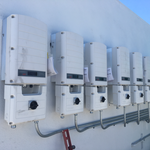
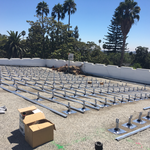
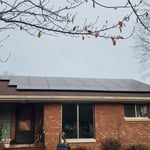
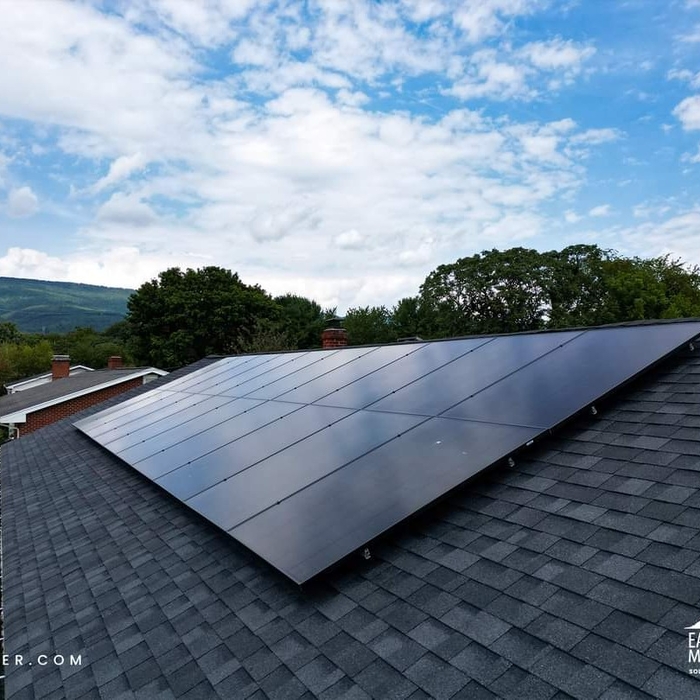
"Wonderful, it was a very quick and easy process. Brian talked us through it and in no time we had a 3KW system mounted on a frame in the garden and the invertor installed in the basement. Brian talked us through working with our power company to get the system checked and approved and we now get credits from the power company for power we provide to the grid. In addition we are set up to get Solar Renewable Energy Credits (SRECs) payments for providing clean energy. We also got a free Energy Audit which helped locate some problems areas we were able to fix. The system has basically cut our energy costs in half. I have hesitation in recommending them to anyone interested in solar energy."
Additional Photos
Additional Photos
Additional Photos
Additional Photos
Additional Photos

+14

Recommended by100%of homeowners
Energy Efficiency Auditing FAQs, answered by experts

Modern windows provide enhanced UV protection, improved heat retention, and cooling efficiency, contributing to overall household energy savings.

Smart home upgrades can be worth the money. Several upgrades, including smart thermostats and ceiling fans, can help reduce your energy bills. Others make life more convenient, freeing up your time to do what you love (or get more work done). And some smart home upgrades, such as entertainment systems, simply make life more enjoyable. All are worthy causes.

To determine the right size generator for your house, you should calculate the total wattage of the appliances and devices you want to power during an outage. List all essential items, note their start-up wattages, and add them together.

Here are some typical wattage requirements for common appliances:

  • Refrigerator: 600 watts

  • Large dehumidifier: 700 watts

  • Large window air conditioner: 1,400 watts

  • Water heater: 3,000 to 4,500 watts

  • Electric furnace: 5,000 to 25,000 watts

A 7,500-watt generator might be sufficient for essentials like a refrigerator, freezer, well pump, and lighting circuits. However, for high-demand items like a water heater or furnace, a whole-home generator is a better choice. A portable generator may be enough if you only need to power a few critical items.

While home square footage can offer a rough estimate, it is not always a reliable indicator. For reference, here are some typical generator sizes based on square footage:

  • 1,000 sq ft: 6–9 kW

  • 1,500 sq ft: 7–10 kW

  • 2,000 sq ft: 10–14 kW

  • 2,500 sq ft: 12–16 kW

  • 3,000 sq ft: 16–20 kW+

For the most accurate sizing, consult a professional who can calculate your home's peak and average power consumption and recommend the optimal generator.

A good SEER rating for an HVAC system is typically between 15 and 20. However, minimum requirements vary by location; HVAC systems in northern states must have at least a 14 SEER rating, while those in southern states need a minimum of 15. For the highest possible efficiency, look for units with a SEER rating of 21 or higher. It's important to remember that a SEER rating represents the maximum efficiency a unit can achieve, not the level at which it will operate at all times.

No, it isn’t necessary to have energy-efficient windows. However, if you care about your energy bill and making your windows more energy efficient, fixing any heat, UV, or air transfer issues is an excellent way to lower your bills and keep your house cooler in the summer and warmer in the winter.

The War, WV homeowners’ guide to energy efficiency auditing services

From average costs to expert advice, get all the answers you need to get your job done.