








Top-rated energy efficiency auditors.

Get matched with top energy efficiency auditors in Gary, WV

Enter your zip and get matched with up to 5 pros

Need a pro for your energy efficiency auditing project in Gary, WV?

Select your specific project to find the pro for you.

Find Energy efficiency auditors in Gary

Avatar for Holler Home Inspections LLC
Holler Home Inspections LLC
New to Angi
Home Energy Audit

Serving Gary, WV and surrounding areas

Approved

Free estimates

Emergency services offered

Warranties offered

Meet Your Home Inspector - Hi there! I’m Dylan Osborne, North Carolina Licensed and InterNACHI Certified Professional Home Inspector – CPI. I hold a Degree in Applied Science; Architecture & Construction Technologies, and 25 years of experience in land surveying, commercial property maintenance, and general manager for a 10-building, 75-unit condo complex in the US Virgin Islands. After Hurricanes Irma and Maria hit in 2017, I supervised the rebuild of the property tougher, stronger, and better than before – complete with a half-megawatt backup generator.\n\nMy knowledge, training, and experience allow me to bring a get-it-done-right attitude to every home inspection. I look forward to putting that knowledge and experience to work for you! \n828-760-7716


Dylan Osborne CPI
Avatar for Renewable Engineered Systems
Renewable Engineered Systems
4.7(
12
)
Energy Audit - For BusinessHome Energy Audit

Serving Gary, WV and surrounding areas

In business since 1998

Free estimates

Emergency services offered

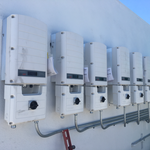
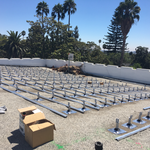
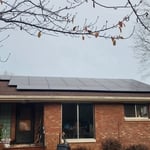
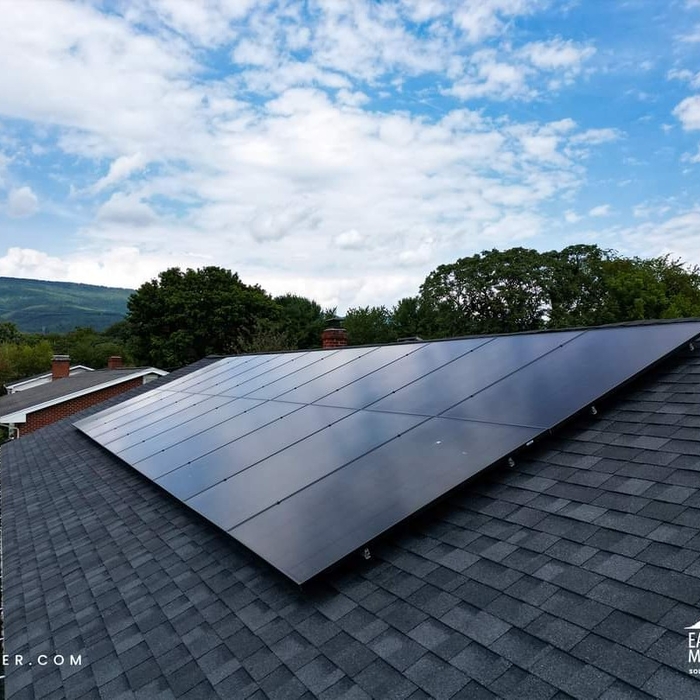
"Wonderful, it was a very quick and easy process. Brian talked us through it and in no time we had a 3KW system mounted on a frame in the garden and the invertor installed in the basement. Brian talked us through working with our power company to get the system checked and approved and we now get credits from the power company for power we provide to the grid. In addition we are set up to get Solar Renewable Energy Credits (SRECs) payments for providing clean energy. We also got a free Energy Audit which helped locate some problems areas we were able to fix. The system has basically cut our energy costs in half. I have hesitation in recommending them to anyone interested in solar energy."
Additional Photos
Additional Photos
Additional Photos
Additional Photos
Additional Photos

+14

Recommended by100%of homeowners
Energy Efficiency Auditing questions, answered by experts

The number one culprit of high energy bills is older appliances, especially fridges and freezers that are left on all the time. These two appliances tend to last a long time, which is good, but it also means that newer models are usually significantly more energy-efficient due to upgraded technology. The second most common reason for a high bill is heating and air conditioning.

You can increase your home’s load factor by replacing fuse boxes with a circuit breaker, hiring a licensed electrician to upgrade your electrical panel, upgrading wiring, or installing subpanels. An electrical inspection by an expert can help determine the state of your current electrical systems and how they can be improved.

There are several strategic ways to lower your home insurance premium. The primary one is to shop around and get quotes every few years to make sure you’re getting the best deal. Also, sometimes bundling your auto and homeowner’s insurance will get you a discount on both. Finally, try to keep your credit score up; many homeowner insurance companies use credit scores to generate quotes.

Fireplaces can theoretically help you save on heating bills if you lower the temperature throughout the rest of your home and heat only a single room that you occupy using the fireplace. However, in most cases, homeowners won’t save any money on heating bills. Gas and electric fireplace inserts could actually lead to a spike in your respective energy bills if you use them frequently, and if you don’t keep up with chimney maintenance and repairs, your traditional masonry fireplace could actually be a source of heat loss in the winter.

To determine the right size generator for your house, you should calculate the total wattage of the appliances and devices you want to power during an outage. List all essential items, note their start-up wattages, and add them together.

Here are some typical wattage requirements for common appliances:

  • Refrigerator: 600 watts

  • Large dehumidifier: 700 watts

  • Large window air conditioner: 1,400 watts

  • Water heater: 3,000 to 4,500 watts

  • Electric furnace: 5,000 to 25,000 watts

A 7,500-watt generator might be sufficient for essentials like a refrigerator, freezer, well pump, and lighting circuits. However, for high-demand items like a water heater or furnace, a whole-home generator is a better choice. A portable generator may be enough if you only need to power a few critical items.

While home square footage can offer a rough estimate, it is not always a reliable indicator. For reference, here are some typical generator sizes based on square footage:

  • 1,000 sq ft: 6–9 kW

  • 1,500 sq ft: 7–10 kW

  • 2,000 sq ft: 10–14 kW

  • 2,500 sq ft: 12–16 kW

  • 3,000 sq ft: 16–20 kW+

For the most accurate sizing, consult a professional who can calculate your home's peak and average power consumption and recommend the optimal generator.

The Gary, WV homeowners’ guide to energy efficiency auditing services

From average costs to expert advice, get all the answers you need to get your job done.