
Top-rated generator install pros.

Get matched with top generator install pros in Washington, WV

Enter your zip and get matched with up to 5 pros

Need a pro for your generator install project in Washington, WV?

Select your specific project to find the pro for you.

Find Generator install pros in Washington

Avatar for SON LIGHT ELECTRIC LLC
SON LIGHT ELECTRIC LLC
5.0(
6
)
Fixed Generator - InstallFixed Generator - Repair

Serving Washington, WV and surrounding areas

Approved

In business since 2022

Free estimates

Credit card accepted

"Very professional and kind, answered all questions. Jamey did a fabulous job, and was very quick. We would recommend him to anyone. Very impressed and such a nice person. We were having a whole kitchen remodel and are contractors were very impressed with Son Light Electrics work."
photos of my work
photos of my work
photos of my work
photos of my work
photos of my work

+4

Response time6 hrs
Response rate94%
37 neighbors recently requested a quote
Kennylectric
New to Angi
Portable Generator - Repair

Serving Washington, WV and surrounding areas

Approved

Licensed electrician with 10 years of hands-on experience offering reliable, high-quality electrical services for residential, small commercial and industrial projects. Whether you need a quick fix or a full installation, I bring professional expertise and attention to detail to every job.\n\n✔ 10 years of licensed experience\n✔ Troubleshooting & repairs\n✔ Lighting installation & upgrades\n✔ Outlet, switch, and panel work\n✔ Clean, safe, and code-compliant service\n\nDependable, honest, and committed to getting the job done right the first time. Flexible availability for evenings and weekends.\n \nPlease reach out to schedule your next project.

Avatar for John Templeton
John Templeton
4.8(
20
)
Fixed Generator - InstallGenerator - Install - For BusinessPortable Generator - Install

Serving Washington, WV and surrounding areas

In business since 2020

Free estimates

Emergency services offered

"John came when he said he would come and did what he said he would do. This in itself is amazing. He was courteous and worked extremely hard to finish the job on time. The price was very fair. I would highly recommend John Templeton for your electrical work."
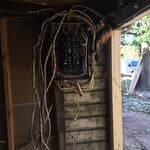
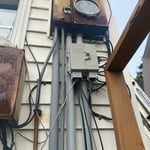
Old farmhouse panel before
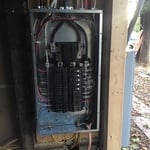
New Farmhouse panel after
Old Meter
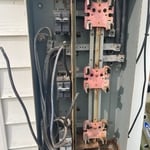
Inside old Meter
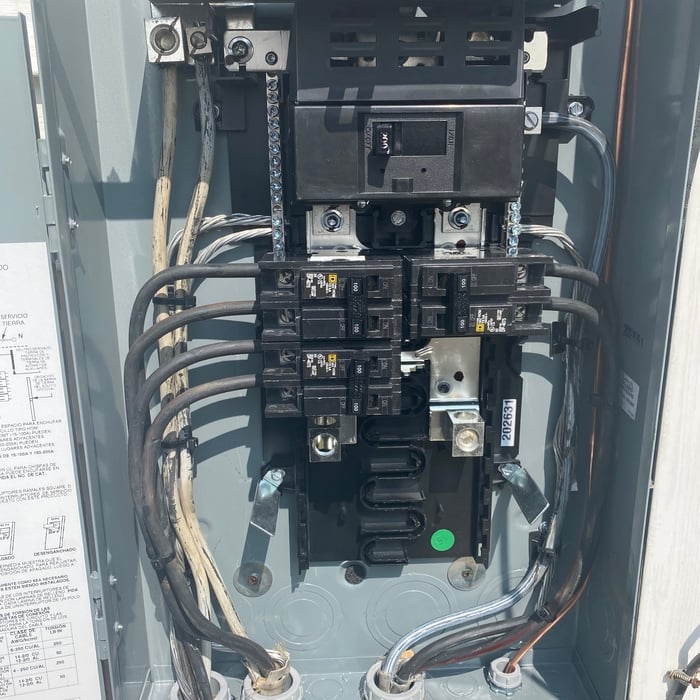
Inside New Meter Box after Upgrade

+21

Response time5 hrs
Recommended by100%of homeowners

Fishers of Men Generator Repair
5.0(
2
)
Fixed Generator - RepairGenerator - Repair - For Business

Serving Washington, WV and surrounding areas

In business since 2018

Free estimates

Credit card accepted

"I am more than pleased with the service I received from this company. Nathan is by far a caring human being. When the big companies couldnâ t help me out, he was there to service My Generac and he has been there ever since whenever I need him. Iâ ve been using this company for at least the last four years. And will continue to gladly call him when needed."
Response time5 hrs
Recommended by100%of homeowners
Showing 1-10 of 15
Generator Install questions, answered by experts

Whole-house generators need to be installed on level ground several feet away from walls and other objects. Because they tap into the electrical system directly, they usually need to be close to your home electrical panel for a transfer switch installation. It also helps with installation if they are near to a gas line or propane tank installation.

Most homeowners won't be able to claim a home generator as a tax write-off. However, a whole-house generator may be tax-deductible in certain situations depending on its purpose. For instance, if it's needed to power essential medical equipment, it may qualify as a medical expense deduction. Also, in some cases, businesses can deduct a generator as a business expense if it supports operations. Always consult a tax professional to determine eligibility based on your specific circumstances and the applicable IRS regulations.

Potential benefits of using a natural gas generator include reducing your carbon footprint, lower likelihood of carbon monoxide exposure, budget-friendly operating costs, and low-maintenance, continuous fuel supply. Some possible drawbacks, though, include higher initial installation costs, dependency on a natural gas supply, and installation complexity. Keep in mind that pros and cons will vary based on the type and brand of natural gas generator. 

Generators are safe to use as long as they are installed and operated correctly according to the manufacturer's recommendations. The most critical safety tips are to never use a portable or fuel-powered generator inside an enclosed space due to the risk of lethal carbon monoxide poisoning; always operate it outdoors where fumes can dissipate away from your home. Additionally, never attempt to connect a generator to your home’s electrical panel yourself—hire a professional to ensure the setup meets safety standards. Finally, avoid overloading the generator by not connecting more appliances than it is rated for, as this can damage your equipment or cause a fire.

To determine the right size generator for your house, you should calculate the total wattage of the appliances and devices you want to power during an outage. List all essential items, note their start-up wattages, and add them together.

Here are some typical wattage requirements for common appliances:

  • Refrigerator: 600 watts

  • Large dehumidifier: 700 watts

  • Large window air conditioner: 1,400 watts

  • Water heater: 3,000 to 4,500 watts

  • Electric furnace: 5,000 to 25,000 watts

A 7,500-watt generator might be sufficient for essentials like a refrigerator, freezer, well pump, and lighting circuits. However, for high-demand items like a water heater or furnace, a whole-home generator is a better choice. A portable generator may be enough if you only need to power a few critical items.

While home square footage can offer a rough estimate, it is not always a reliable indicator. For reference, here are some typical generator sizes based on square footage:

  • 1,000 sq ft: 6–9 kW

  • 1,500 sq ft: 7–10 kW

  • 2,000 sq ft: 10–14 kW

  • 2,500 sq ft: 12–16 kW

  • 3,000 sq ft: 16–20 kW+

For the most accurate sizing, consult a professional who can calculate your home's peak and average power consumption and recommend the optimal generator.

The Washington, WV homeowners’ guide to generator installs

From average costs to expert advice, get all the answers you need to get your job done.