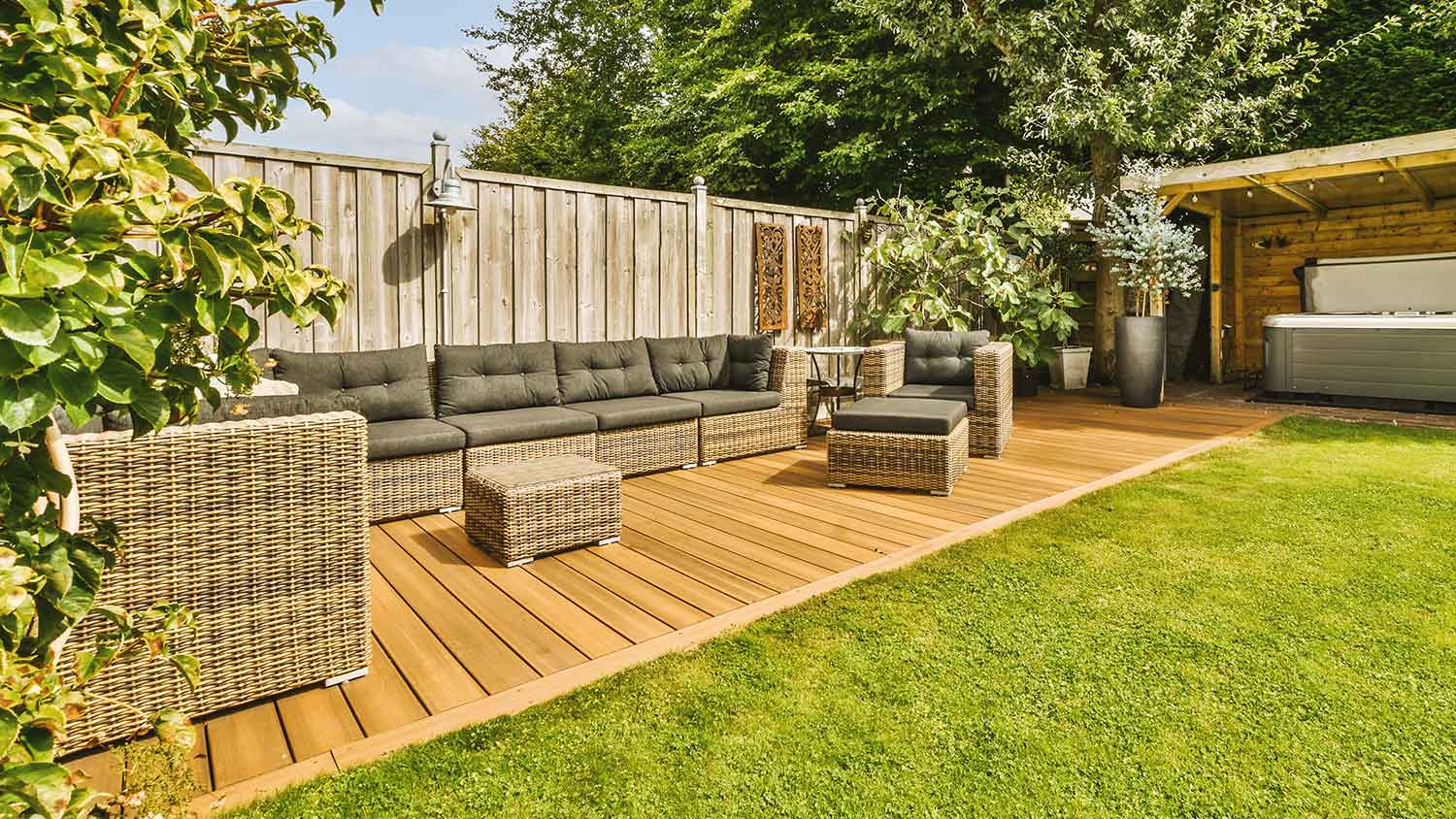





Top-rated deck staining pros.

Get matched with top deck staining pros in Richwood, WV

Enter your zip and get matched with up to 5 pros

Need a pro for your deck staining project in Richwood, WV?

Select your specific project to find the pro for you.

Find Deck staining pros in Richwood

Avatar for Pitzer Painting LLC
Pitzer Painting LLC
New to Angi
Exterior Home or Structure - Paint or StainExterior Home or Structure - Paint or Stain: Large

Serving Richwood, WV and surrounding areas

Approved

In business since 2024

Free estimates

Small jobs welcome

We are committed to excellence in every aspect of our business. We uphold a standard of integrity bound by fairness, honesty, and personal responsibility. Our distinction is the quality of service we bring to our customers. Accurate knowledge of our trade combined with ability is what makes us true professionals. Above all, we are watchful of our customers' interests, and make their concerns the basis of our business.\n

Pitzer Painting
Avatar for Need-A-Fix
Need-A-Fix
5.0(
1
)
Exterior Home or Structure - Paint or Stain: LargeExterior Home or Structure - Paint or Stain: Medium

Serving Richwood, WV and surrounding areas

In business since 2024

Credit card accepted

Offers commercial services

we pride our company on reliability, great communication, integrity, and quality work. We are experts in our trade and will do our best to keep you as educated as we can on your particular task or project. We look forward to earning your business! Saturday by appointment only.\n

Response time5 hrs
Showing 1-10 of 16
Deck Staining questions, answered by experts

Oxygen bleach uses hydrogen peroxide as a base and won’t harm wood when using it as a cleaner. On the other hand, chlorine bleach breaks down wood at the cellular level and causes irreversible harm. Although you may not see immediate damage to wood after exposing it to chlorine bleach, its strength and integrity are now compromised.
Limewash and whitewash are two techniques used to give brick a light, matte finish, but they differ in composition, application, and permanence. The best choice depends on your aesthetic goals and the specific surface.

Composition

  • Limewash: A natural and environmentally friendly option made from limestone, water, and sometimes pigments. It is breathable and soaks into porous surfaces like brick.

  • Whitewash: Traditionally made from lime, water, chalk, and binders, but a similar look can be achieved with watered-down white paint. It is paint-based and sits on top of the surface.

Appearance and Finish

  • Limewash: Provides a natural, textured appearance that allows the brick's character to show through. It offers a more traditional finish.

  • Whitewash: Creates a softer, more opaque finish, often used for a rustic or shabby-chic style.

Application and Permanence

  • Limewash: Is semi-permanent and can be removed, making it a good choice if you might want to change the look in the future. It requires more skill to apply and cannot be used on previously painted brick.

  • Whitewash: Is a more permanent solution. It is more forgiving to apply and can be used on painted brick. However, because it sits on the surface, it can trap moisture.

Ultimately, if you want a breathable, natural, and reversible finish for unpainted brick, limewash is a great option. If you need a more permanent, opaque coating that can be applied over painted surfaces, whitewash is the better choice. Whitewashing may also be more economical, costing approximately $1.40 to $4.20 per square foot.

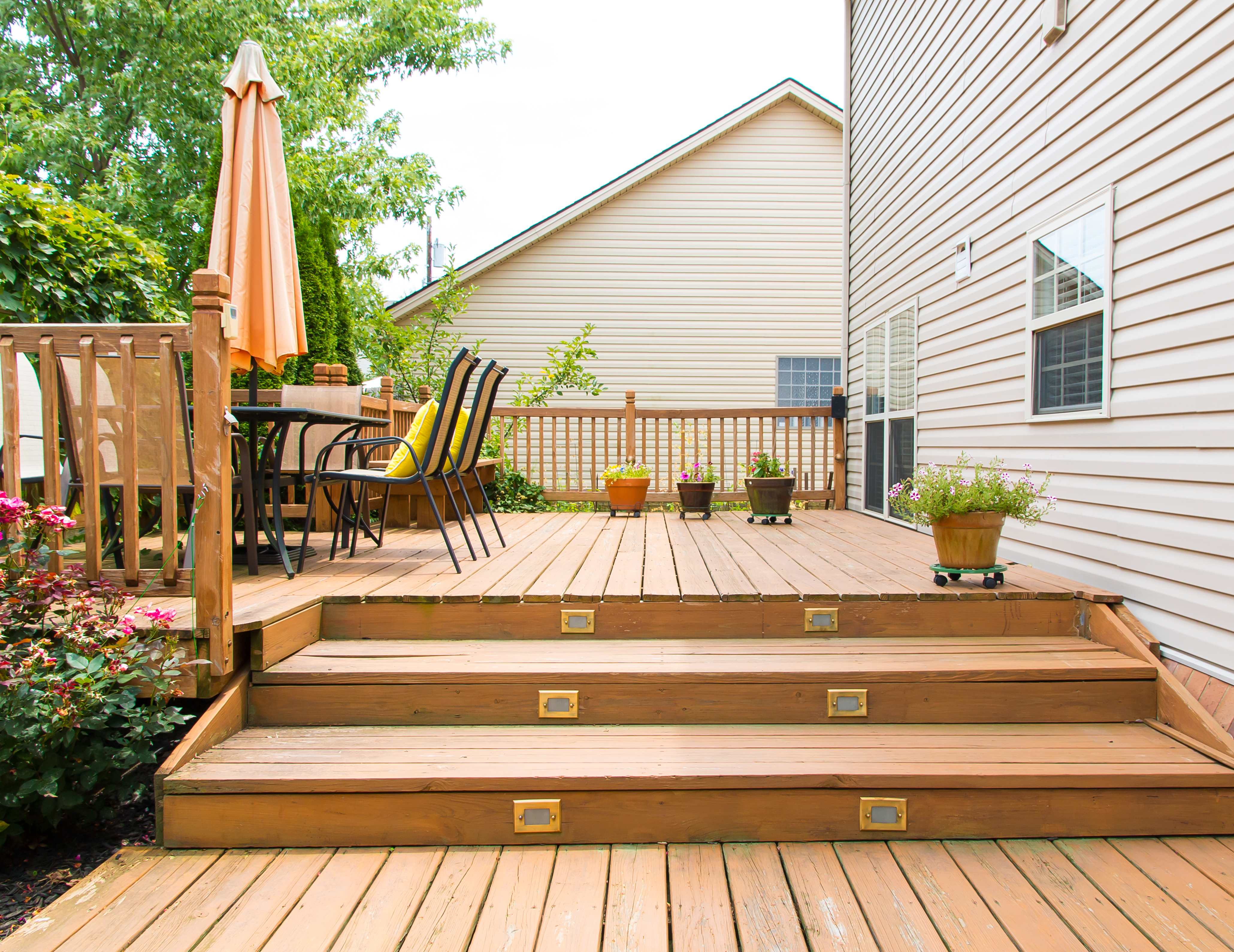
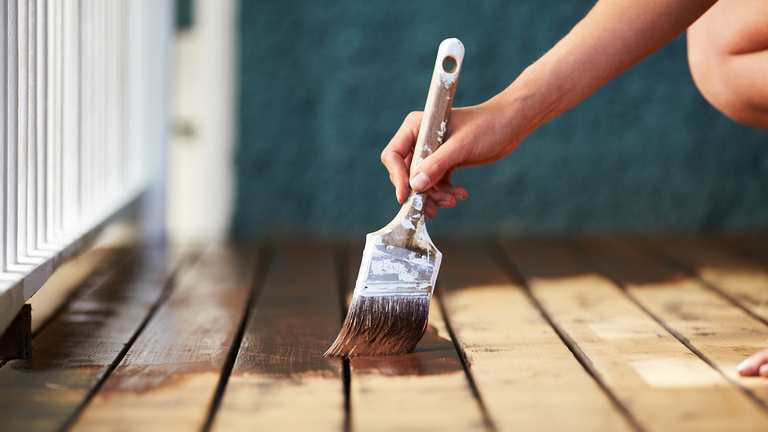
When staining a deck, don’t skip surface prep, avoid staining damp or dirty boards, and don’t apply stain in extreme heat, cold, or wet conditions. Never overload the wood with a stain, as too much can cause tackiness or peeling. Also, don’t forget to test a small area first to ensure the color and finish look right.

Yes, you can and should paint or stain pressure-treated wood to help prevent the boards from cracking. However, you must wait for the wood to dry out completely before applying any finish. Freshly treated wood can take weeks or even months to dry; a common recommendation is to wait three to six months. To check if the wood is ready, perform a simple water test: drip some water onto the surface. If the water beads up, the wood is still too wet and needs more time to dry. If the wood absorbs the water, it is dry enough to be painted or stained. You can proceed with building your deck or fence while the wood is still wet, but you will need to wait to apply the paint or stain.

A properly applied coat of stain will last between 3 and 8 years, depending on your climate. If you live in a place where your fence experiences a lot of moisture or high heat, your stain will last for a shorter period than in more temperate conditions. We recommend reapplying stain every 3 to 5 years to keep your wood in good condition.

The Richwood, WV homeowners’ guide to deck staining services

From average costs to expert advice, get all the answers you need to get your job done.