



Top-rated wallpaper removers.

Get matched with top wallpaper removers in Raysal, WV

Enter your zip and get matched with up to 5 pros

Need a pro for your wallpaper removal project in Raysal, WV?

Select your specific project to find the pro for you.

Find Wallpaper removers in Raysal

Avatar for Chuck Huggins Inc
Chuck Huggins Inc
4.4(
25
)
Wallcovering or Wallpaper - Removal

Serving Raysal, WV and surrounding areas

In business since 1992

Free estimates

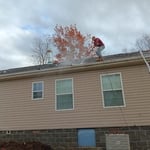
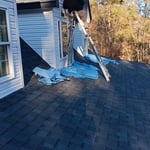
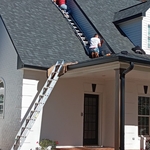
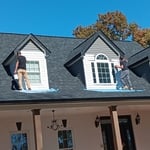
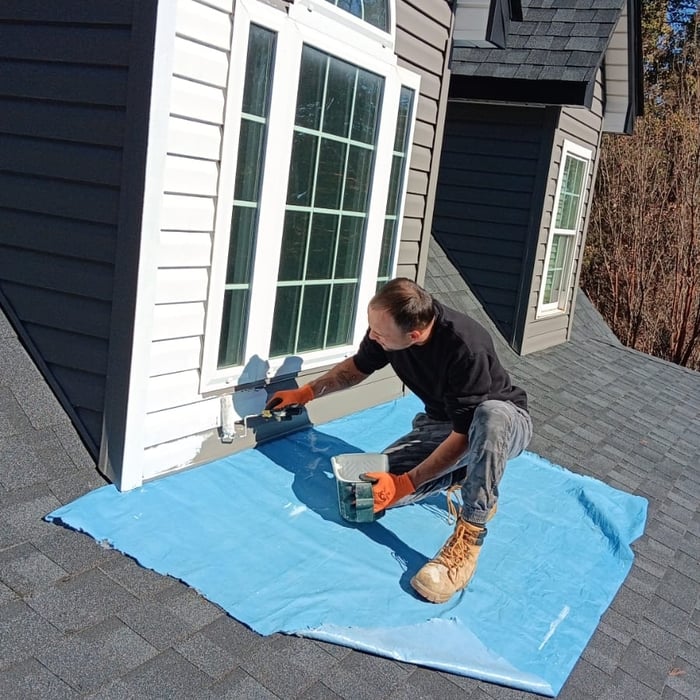
"Chuck returned my call within 2-3 days and came over and we discussed what needed to be done. He returned with an estimate within a day or two. We arranged for a start date and he and his team were on site at the agreed upon day and time. They pressure washed all the woodwork, ceiling and siding on the porch; they scraped, caulked and primed. There was a lot of scraping, especially the wood railings. A lot of attention was paid to the prep. Everything was topped off with a couple of coats of beautiful paint. They even suggested a wonderful contrasting color for the brickwork which turned out very nice. In addition, they cleaned and painted the concrete steps as well as filled in some gaps with concrete between the steps and the foundation. I was very please with how they cleaned up everything when they were done too. The job was done in 3 days."
Brochure 1 of 2
Brochure 2 of 2
Before
During
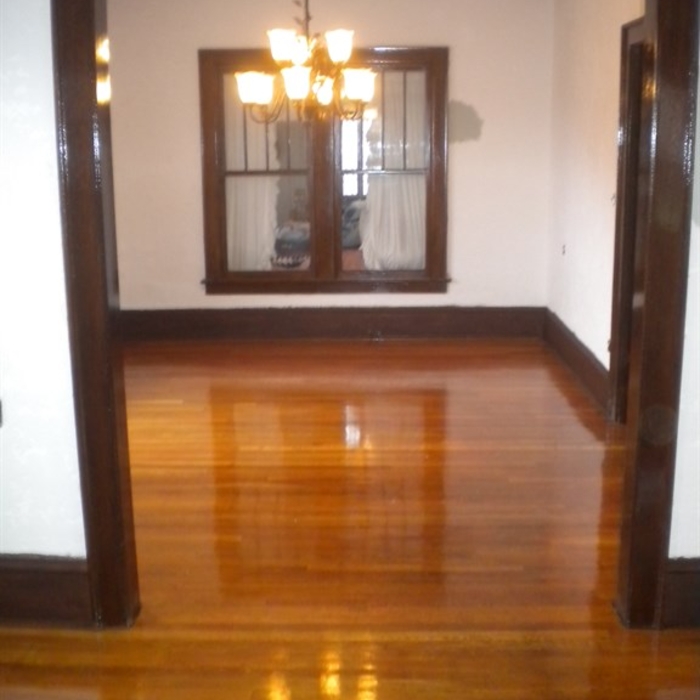
After

+11

Recommended by100%of homeowners

Wallpaper Removal questions, answered by experts

Small amounts of wallpaper can be thrown away in your household trash. If you’re removing a whole home’s worth of wallpaper, you may need to contact a waste removal company, rent a dumpster, or schedule a special pick-up with your municipality’s waste removal service. Wallpaper isn’t recyclable, so no matter which method you choose to dispose of it, make sure it doesn’t get mixed in with the recycling.

In most cases, it is not recommended to wallpaper over existing wallpaper, as the success depends on the type of paper already on the wall. While you might be able to cover non-coated wallpaper, you should never apply new wallpaper over a vinyl-coated one, which is more common. Doing so can lead to poor adhesion, resulting in bubbles, imperfections, and peeling. It can also trap moisture, potentially causing hazardous mold growth between the layers.

Even if the existing wallpaper is suitable, experts recommend applying only one new layer. Adding multiple layers (more than two total) can cause significant adhesion problems, leading to warping and bubbling. For the best results, the recommended approach is to remove the old wallpaper and all paste residue before hanging the new paper. If you are unsure about your wallpaper type, consider consulting a professional.

While you can remove wallpaper yourself, it is a labor-intensive process that risks damaging your walls. Common DIY methods include using a steamer to loosen the adhesive or spraying the paper with a solution of hot water and vinegar or dish soap before scraping. However, steamers can cause irreparable damage if used incorrectly, and the spray-and-scrape method can harm drywall if it gets too wet or you scrape too aggressively. For these reasons, hiring a professional is often the fastest, easiest, and safest option. A pro has the experience and specialized tools to remove wallpaper efficiently without damaging the underlying surface, which saves time and minimizes the prep work needed for your next wall treatment.

Peel-and-stick wallpaper is designed to be removed without damaging walls, making it a good choice for renters or temporary design changes. However, damage to paint or drywall can occur under certain conditions. To prevent issues, the wall surface must be properly prepared before application—it should be clean, smooth, dry, and correctly primed or painted. Applying wallpaper to a freshly painted surface can cause the paint to peel off during removal. Additionally, removing the wallpaper too quickly or aggressively can also cause damage. For best results, always follow the manufacturer's instructions for both application and removal.

Wallpaper lasts an average of around 15 years, but there is some variance. The type of wallpaper matters, as vinyl wallpaper tends to last the longest—sometimes 20 years or more—while a peel-and-stick wallpaper, which is the easiest to install for DIYers, will usually only last for around five years. Exposure to high humidity, smoke, and UV rays from sunlight can also limit the lifespan of your wallpaper, as can heavy traffic in the installation area.

The Raysal, WV homeowners’ guide to wallpaper removal services

From average costs to expert advice, get all the answers you need to get your job done.