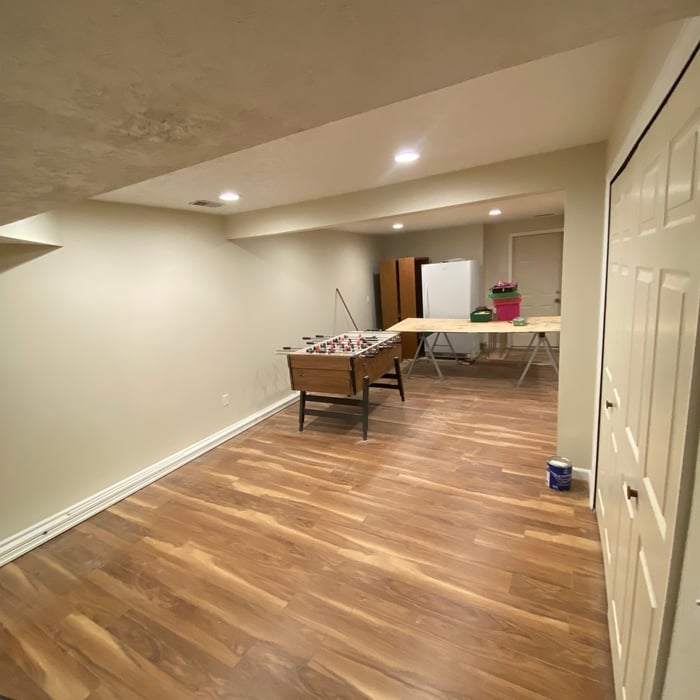
"By far, the best contractor I have ever worked with and I don't think there is anything they can't do! The owner worked with us to develop the best plan to make our dreams a reality. They worked with me every step of the way - from contracts to picking out materials. Our house is a historical mansion and very difficult to work on - they did an amazing job working through issues that arose with the structure and took the time to research the local laws and guidelines for historical homes. They vetted and hired subcontractors. Absolutely went above and beyond. They have no problem building rapport with everyone they come in contact with and have a good instinct for what clients are looking for. They were punctual and worked efficiently. Gradie is very knowledgeable and creative! I've hired them for several more jobs ranging from big landscaping projects to multiple remodels. Cannot recommend them enough!"
Hello, \n\nMy name is Isaac, I do basic landscaping, (mulching, bush trimming, leave and small brush removal, mowing, gutter clean outs, and pressure washing, and some painting.) \n\nContact me at 2763451257/[email protected]
My name is Austin Woodrum. I’ve been in the construction/carpentry business for eight years now I am licensed and ensure in more than anything. I’m just curious what type of jobs are offered here.
We pride our company on reliability, great communication, integrity, and quality work. We are experts in our trade and will do our best to keep you as educated as we can on your particular task or project. We look forward to earning your business!
"He was here on time and worked hard throughout the whole day. The porch and steps on my house look better than ever before and I was beyond impressed!"
Generally, it is not necessary to remove old mulch before applying a new layer. As organic mulch breaks down, it enriches the soil with nutrients. However, you should remove the old layer if it shows signs of fungus or disease, which can be common in moist areas, or if the total depth is already too thick. Avoid letting the total mulch depth exceed 3 inches, as this can harm plant roots. If you do remove old, disease-free mulch, it can be added to a compost pile.
Yes, you can absolutely make your own mulch, and there are a few ways to go about it. First, you can lay down pine needles or mulched leaves if you’re mulching in the fall. In the spring and summer, you can use mulched grass clippings. Alternatively, you can lay down a few layers of newspaper in your garden and gently wet the paper to keep it in place.
While a river may seem safer than the street, blowing leaves into the water can cause a lot of problems. Leaves can alter the local ecosystem, encourage bad algae growth and block narrow waterways. In large numbers, leaf debris can lead to fish death events in nearby bays or lakes and require expensive dredging to address. That’s why many cities also ban blowing leaves into water.
Trees that provide a habitat to bats and an abundance of bugs—their main food source—will attract bats to your yard. Because the North American landscape has changed so much in recent years, bats have a harder time finding trees with cavities to shelter in. If your yard has a dead or dying tree with a lot of sun exposure, bats will likely be drawn to it because trees with those features are less common.
The cost of yard work depends on the type of work you need done. The average cost of lawn care is $300, but you could pay as little as $100 or up to $500.
The Raysal, WV homeowners’ guide to lawn services
From average costs to expert advice, get all the answers you need to get your job done.
Discover average lawn aeration cost, key price factors, and tips to save. Get a clear estimate for your yard and learn how to choose between DIY and hiring a pro.
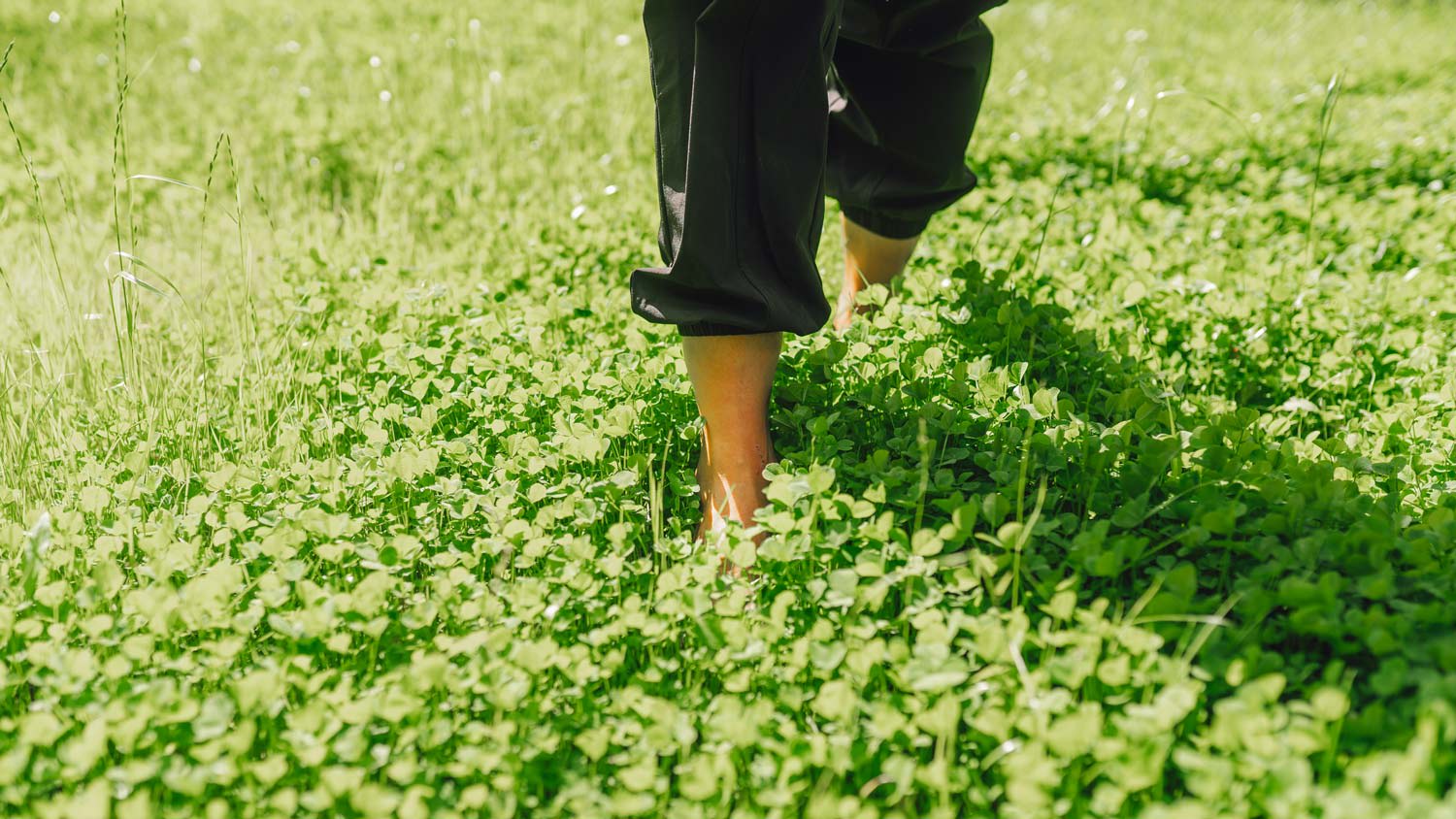
Of all the increasingly popular grass alternatives, clover is edging out the competition. Get to know the top clover lawn pros and cons and whether this option is right for you.