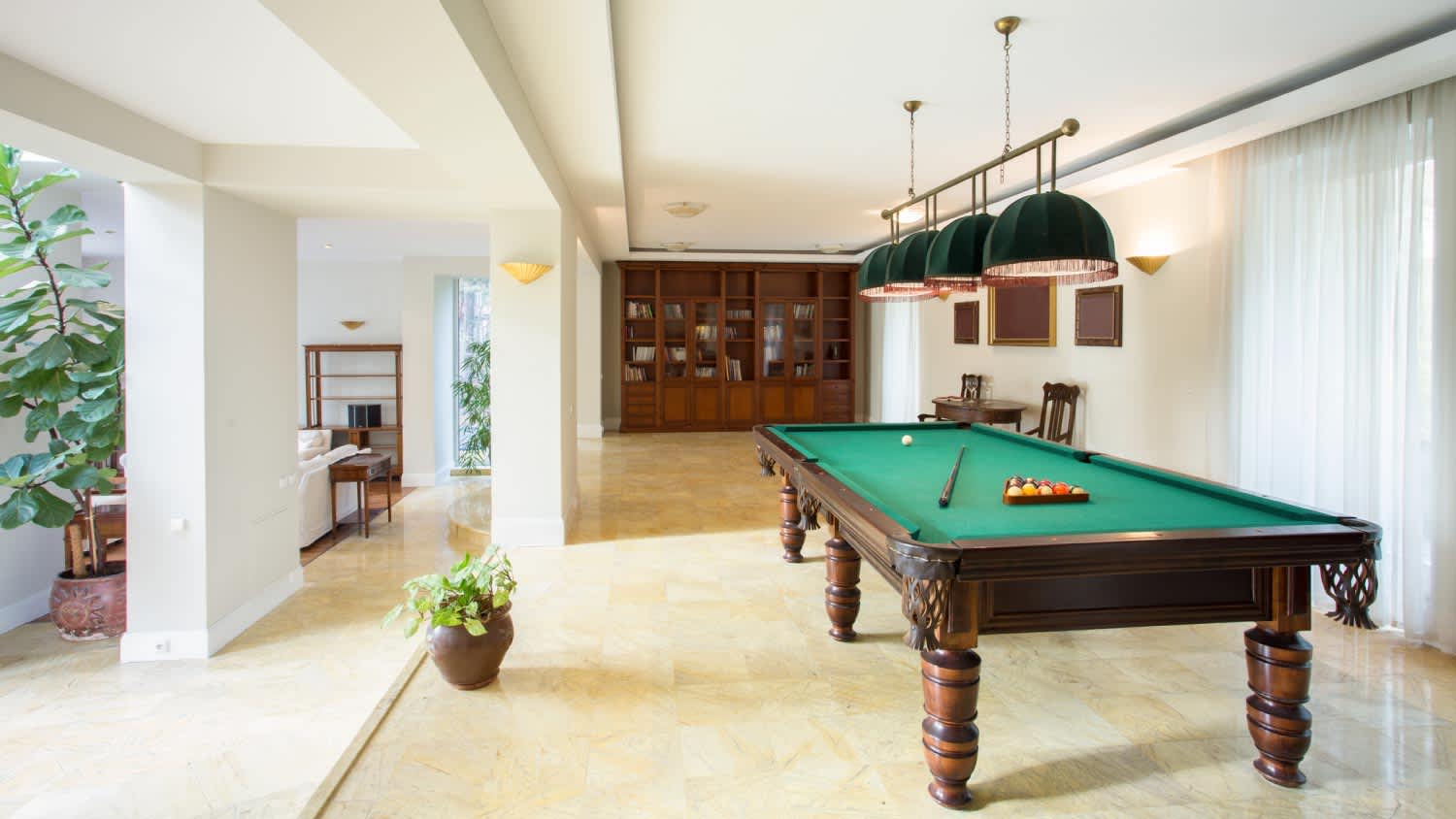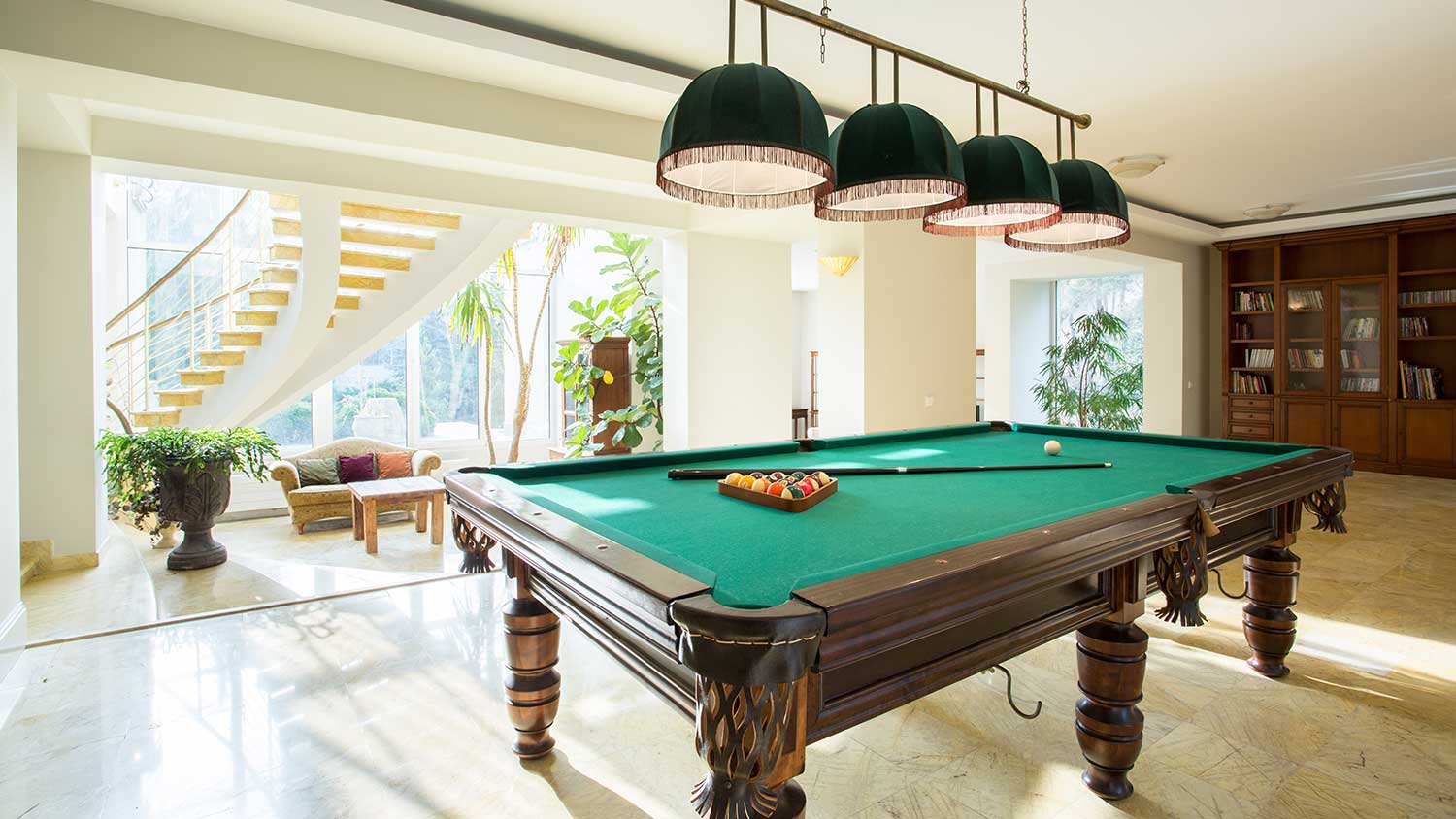
Top-rated pool table assembly pros.

Get matched with top pool table assembly pros in Ona, WV

Enter your zip and get matched with up to 5 pros

Need a pro for your pool table assembly project in Ona, WV?

Select your specific project to find the pro for you.

TRUSTED BY ONA, WV HOMEOWNERS

  • Average homeowner rating star icon4.3
    Average homeowner rating
  • Verified reviews icon145
    Verified pool table assembly services reviews

Find Pool table assembly pros in Ona

One Man Freelancing
New to Angi
Handyman for Multiple Small Projects

Serving Ona, WV and surrounding areas

Approved

I am a young business owner and brand new father! I have worked all over the construction industry from a young age and became a licensed plumber before I finished highschool. The name “One man” Freelancing was inspired by my service in the WV national guard where I still currently serve as the “one man” a term given to the cannon crewmember who loads and fires the artillery cannons. I have a broad range of knowledge and problem solving skills, if I don’t know how to do the job I will surely be able to learn and you will not be disappointed with results!

Porter Contracting LLC
New to Angi
Handyman for Multiple Small Projects

Serving Ona, WV and surrounding areas

Approved

In business since 2023

Credit card accepted

Offers commercial services

Porter Contracting LLC provides Landscaping, Tree Removal, Brush Removal, Land Clearing, Stump Removal, Gravel, Gutter Cleaning, Gutter Guards, gutter installs, Hauling, Outside Lighting, Pressure Washing, interior and exterior remodels and repairs, crawlspace encapsulation

1 neighbors recently requested a quote
...
Showing 1-10 of 139
Pool Table Assembly questions, answered by experts

Generally, you should run your pool pump for eight to 12 hours a day to keep your water clean and chemical levels balanced. The ideal runtime can vary depending on your specific pump type. While running the pump as much as possible is ideal for cleanliness, it can increase electricity costs. To save money, you can run the pump strategically during non-peak hours when electricity is cheaper, which is often in the evenings or at night. The hours do not need to be consecutive.

The total time to install an inground pool typically ranges from 8 weeks to 4 months. This timeline can be influenced by several factors, including permitting, site preparation, and the construction process itself.

Key phases and their typical durations include:

  • Permits: Obtaining necessary permits can take anywhere from two to six weeks.

  • Excavation and Site Preparation: This phase takes about a week but can be extended by problematic soil, unexpected ground conditions, or the need to move underground utility lines.

  • Construction: The actual build, including plumbing and electrical work, often takes one to two months. The pool material is a major factor here; a concrete pool needs about 30 days to cure, while installing a fiberglass or vinyl liner is much faster.

External factors can also cause significant delays:

  • Contractor Availability: Spring and summer are busy seasons, and high demand can lead to long waitlists, potentially adding months to your start date. It is often recommended to start planning and getting estimates up to a year in advance.

  • Other Delays: Weather, material shortages, complex designs, and other unforeseen challenges can extend the project timeline.

When looking into fiberglass vs. concrete pools, you will notice a big price difference. A fiberglass pool costs $15,000 to $75,000, whereas a concrete pool costs $35,000 to $100,000. While concrete pools are customizable, fiberglass is faster to install and requires less maintenance. Additionally, you can expect to pay $25,000 to maintain a concrete pool over a ten-year span. On the other hand, a fiberglass pool only requires basic maintenance like testing water levels and cleaning.

Depending on where you live and the demand for pools and spools, a spool may increase your property value and make your home more appealing to potential buyers. It’s worth looking at installation, maintenance, insurance, and safety costs to see if the increase in value is worth the cost of installing a spool.

Yes, pool pumps use a significant amount of electricity, making them one of the biggest energy consumers in a home. A pool pump can use up to three times as much electricity as a refrigerator. Typically, a residential pool pump consumes about 1 kilowatt-hour (kWh) for every hour it runs. Because pumps often need to run for about eight hours a day to properly filter the water, this can add up to an annual consumption of 3,000 to 5,000 kWh, which can cost between $480 and $800 per year based on average electricity rates.

The amount of electricity your pump uses depends on its size, energy efficiency, and daily run time. To lower your energy consumption, you can choose an energy-efficient or variable-speed pump, ensure it is correctly sized for your pool, and run it only for the minimum time required to keep the water clean.

The Ona, WV homeowners’ guide to pool table assembly services

From average costs to expert advice, get all the answers you need to get your job done.