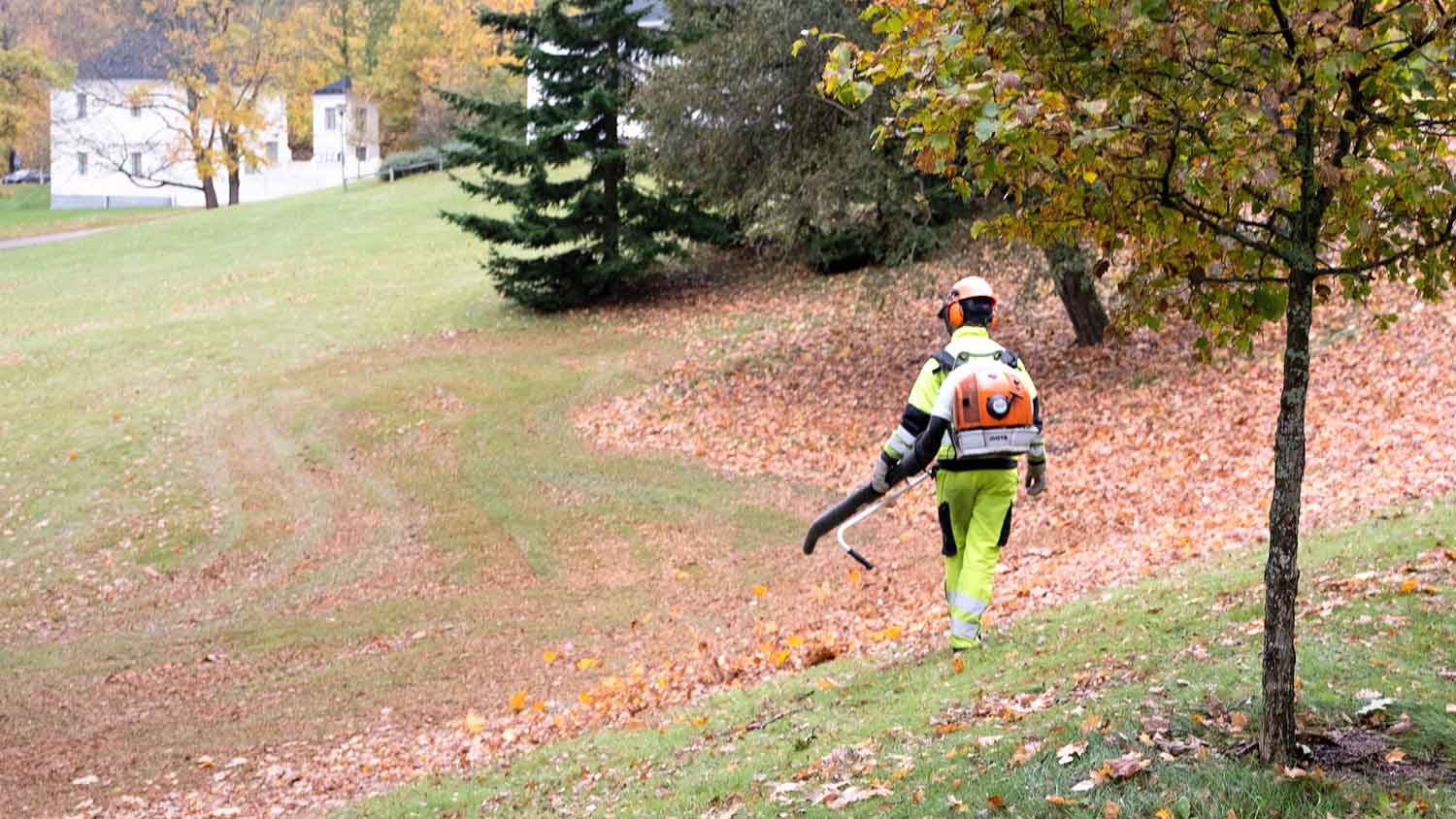
Top-rated leaf removal pros.

Best leaf removal pros near Oak Hill, WV

Enter your zip and get matched with up to 5 pros

Need a pro for your leaf removal project in Oak Hill, WV?

Select your specific project to find the pro for you.

Top-Rated Leaf removal pros in Oak Hill - Updated Nov 2026

Sam's Safemovers
4.8(
17
)
Waste, Junk, Building Materials and Debris - Remove and Haul

Serving Oak Hill, WV and surrounding areas

Approved

In business since 2010

Free estimates

Offers commercial services

"Shawn and his crew were on time, friendly, respectful and very helpful. I would most definitely hire them again. They brought a second van to transport fragile items and wrapped anything with moving parts. You can not go wrong with these guys!"
Response time8 hrs
Response rate100%
23 neighbors recently requested a quote
...
Showing 1-10 of 122
Leaf Removal FAQs, answered by experts

Lead removal is crucial in older homes to eliminate risks of lead poisoning, which can severely affect health, particularly in children, by impacting development and cognitive functions.

The best disposal method for hazardous waste is recycling or donation, if possible. That way, the world can reduce its consumption of raw materials and the volume at which materials have to be treated and disposed of. If recycling or donation is not an option, most waste can be disposed of through landfills or incinerators, but their collection and treatment are separate from regular day-to-day waste disposal. 

While the EPA provides guidelines for homeowners to perform DIY lead paint removal, it is a risky process and generally not recommended due to serious health risks and strict regulatory requirements. The process requires precise safety precautions, such as wearing a respirator and protective eyeglasses, creating sealed exits, and using a HEPA vacuum for cleanup. To ensure the job is done safely, effectively, and in compliance with regulations, it is highly recommended to hire a professional lead abatement company. Certified professionals have the necessary training, experience, and specialized equipment (like chemical strippers and HEPA vacuums) to handle and dispose of hazardous materials safely.

The EPA enforces hazardous waste laws and ensures people dispose of their hazardous waste responsibly. Depending on where you live, your state’s hazardous waste regulatory agency may also enforce these laws. Individually, it’s up to each household to properly dispose of their hazardous waste.

According to the Environmental Protection Agency (EPA), hazardous waste is generally classified into four main categories:

1. Characteristic Wastes: These exhibit at least one of four hazardous traits: ignitability (flammable, like gasoline), corrosivity (can rust or decompose materials, like car batteries), reactivity (unstable and can explode, like aerosol cans), or toxicity (harmful when ingested, like lead-based paint).

2. Listed Wastes: These are specific wastes from manufacturing and industrial processes that the EPA has officially designated as hazardous. They include byproducts from processes that use solvents, pesticides, and other chemicals.

3. Universal Wastes: These are commonly generated hazardous items that are subject to streamlined regulations. Examples include batteries, pesticides, mercury-containing equipment (e.g., bulbs), and some lamps.

4. Mixed Wastes: This category includes waste that contains both hazardous and radioactive components, making it subject to regulation by both the EPA and the Nuclear Regulatory Commission.


The Oak Hill, WV homeowners’ guide to leaf removal services

From average costs to expert advice, get all the answers you need to get your job done.