




When pests show up, so do we.\n\nFor nearly a century, Terminix® has been one of America's most trusted names in pest control. Every day, our exterminators serve thousands of homes and businesses nationwide, combining national service with local knowledge to provide best-in-class, proactive pest management solutions. We stop problems before they start and respond quickly if issues arise, keeping your property protected.\n\nAnd for extra peace of mind, if pests come back, so do we‐guaranteed.\n\nThe Terminix It Guarantee means that if pests come back, so do we to re-treat at no additional cost. No excuses, just a commitment to care for your home like it's our own with protection you can trust.3
The cost of pest control services depends on various factors, but the average homeowner pays around $175, with a typical range of $100 to $500. Your final cost will be influenced by the type of pest, the size and severity of the infestation, and the number of treatments needed.
Service costs also vary by frequency:
One-time service: $300–$550
Initial visit for ongoing service: $150–$300
Monthly visits: $40–$70
Quarterly visits: $100–$300
Annual visits: $300–$550
For specific pest examples, getting rid of spiders typically costs between $100 and $300, whereas a termite infestation can cost from $230 to $2,500 or more, depending on the extent of the damage.
Studies indicate that owls don't possess a conventional sense of fear. However, they find intense, sudden human noise unsettling, like clapping or shouting. Additionally, owls are likely spooked by sudden bursts of bright light. While they may not experience fear as humans do, these disturbances can disrupt their natural behaviors, making it essential to minimize such disruptions when sharing spaces with these remarkable creatures.
They can have a deterrent effect on birds to some extent. The reflective surfaces of these objects, such as aluminum foil strips, CDs, or reflective tape, create flashes of light and movement that can startle or confuse birds temporarily. However, some birds can become accustomed to these visual disturbances over time and might adapt their behavior accordingly. For a more sustained solution, combining shiny objects with other deterrent methods shared here is often beneficial for creating a more comprehensive and effective strategy for bird control.
Trees that provide a habitat to bats and an abundance of bugs—their main food source—will attract bats to your yard. Because the North American landscape has changed so much in recent years, bats have a harder time finding trees with cavities to shelter in. If your yard has a dead or dying tree with a lot of sun exposure, bats will likely be drawn to it because trees with those features are less common.
An owl's worst enemy in the wild is often other raptors and environmental factors. Among the avian threats, larger owls or other birds of prey can pose a danger, engaging in territorial disputes or competing for food resources. Terrestrial predators like foxes, raccoons, and larger mammals may target owl nests or young fledglings. Environmental factors like severe weather conditions, habitat loss, and food availability changes can also significantly impact owl populations.
The Mill Creek, WV homeowners’ guide to bird control services
From average costs to expert advice, get all the answers you need to get your job done.
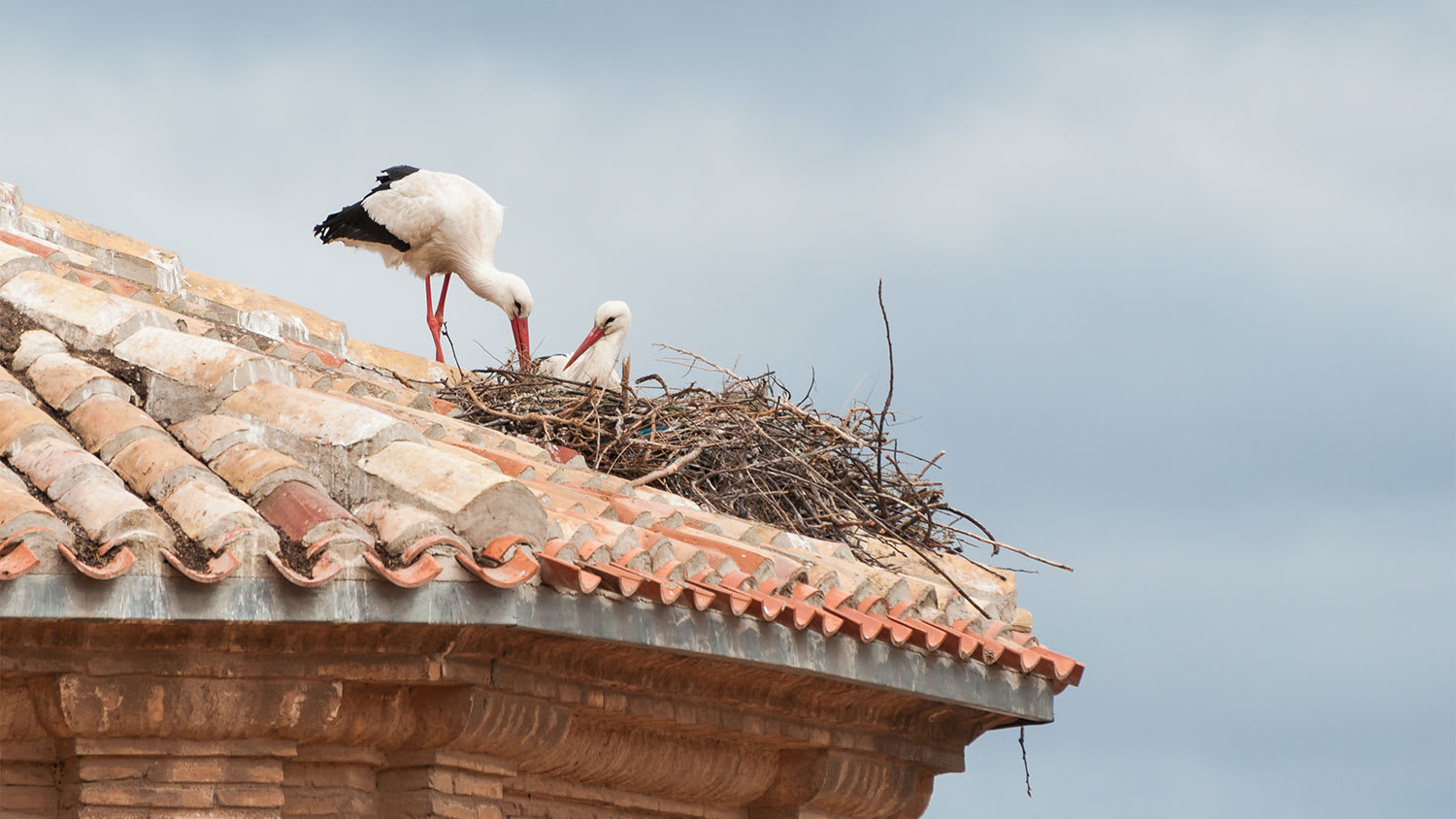
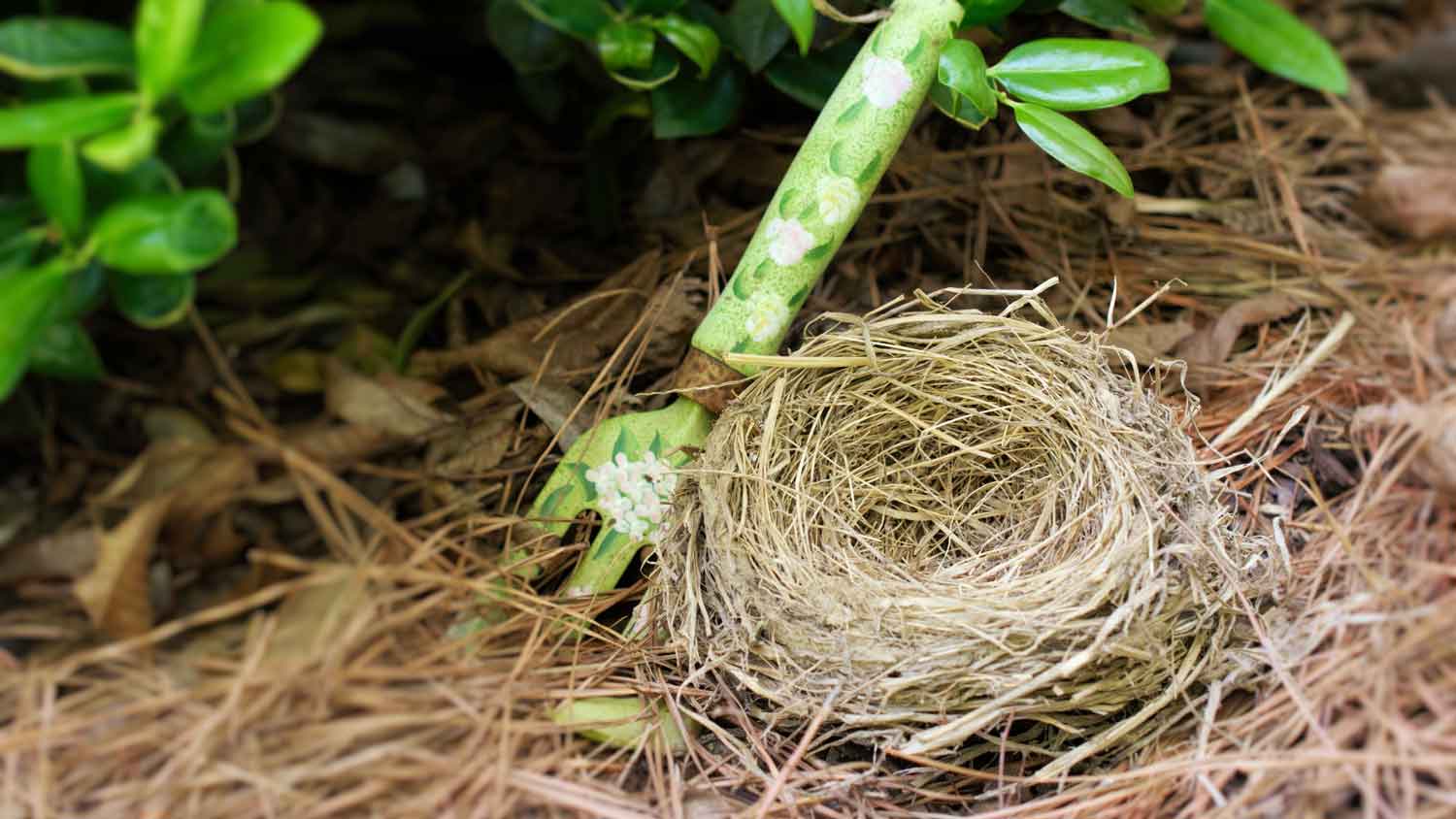
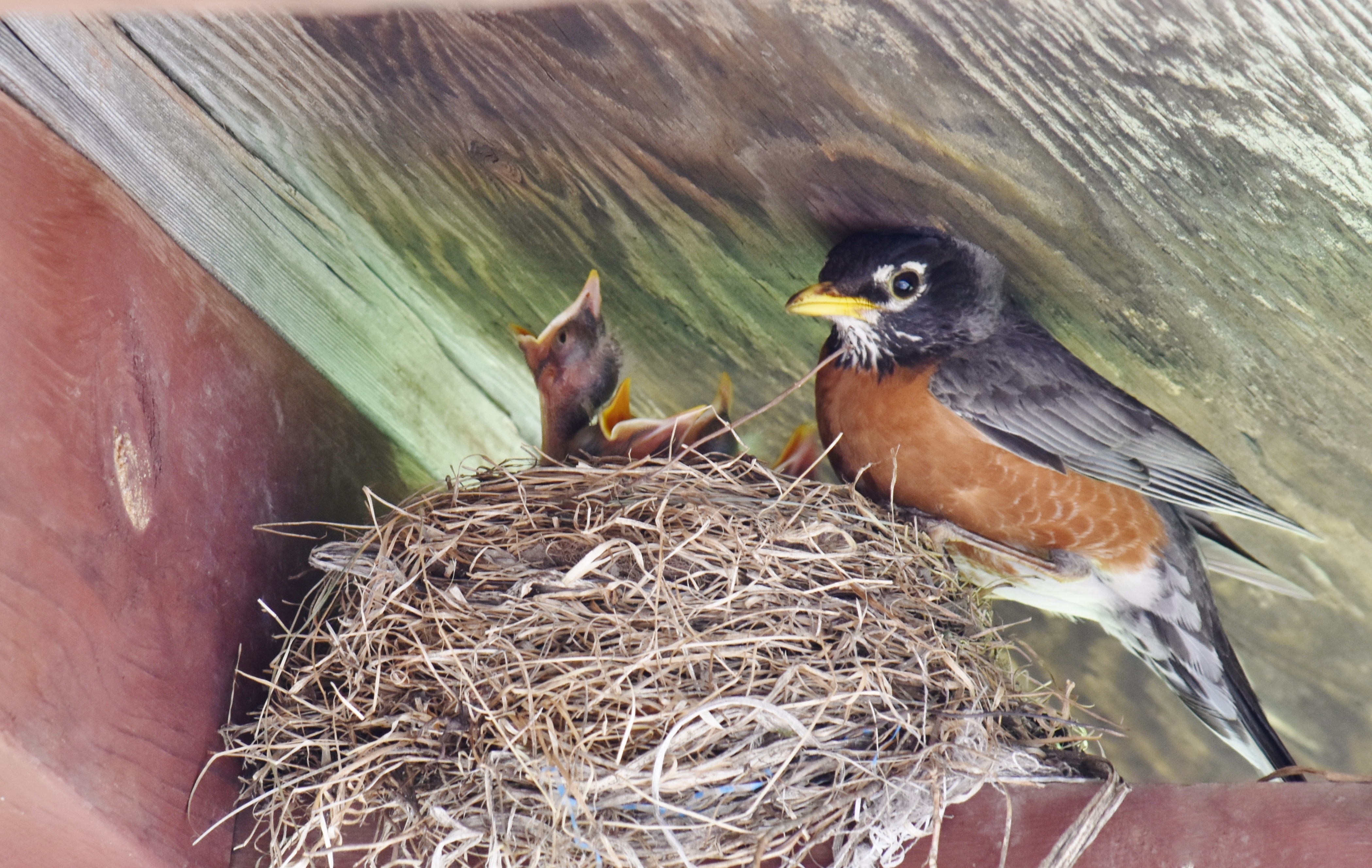
Sometimes birds nest in unwelcome places. Find out how much bird nest removal will cost based on factors like location, bird species, and preventative measures.