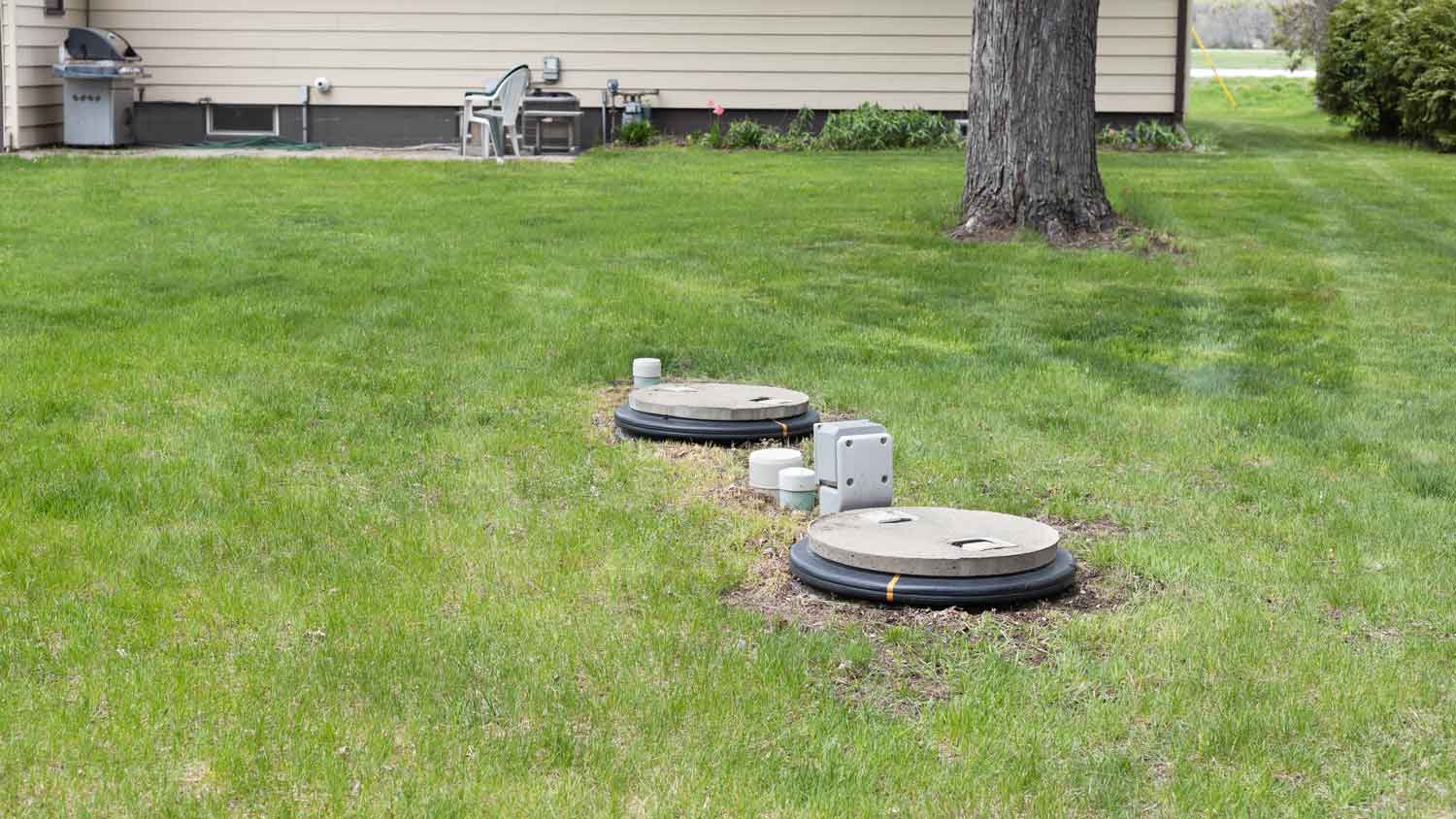
Top-rated percolation testing pros.

Best percolation testing pros near Lost Creek, WV

Enter your zip and get matched with up to 5 pros

Need a pro for your percolation testing project in Lost Creek, WV?

Select your specific project to find the pro for you.

TRUSTED BY LOST CREEK, WV HOMEOWNERS

  • Average homeowner rating star icon4.3
    Average homeowner rating
  • Verified reviews icon88
    Verified percolation testing services reviews

Top-Rated Percolation testing pros in Lost Creek - Updated Nov 2026

No results for Percolation testing pro in

Try adjusting your search criteria.
Percolation Tests FAQs, answered by experts

Asbestos siding can be dangerous, but it doesn't necessarily pose a health risk if it's in good condition and left undisturbed. The danger comes from inhaling asbestos fibers, which can be released if the siding is damaged, deteriorating, crumbling, or disturbed during remodeling or repairs. Exposure to these airborne fibers can cause serious, life-threatening diseases like asbestosis (lung scarring), mesothelioma (an aggressive cancer), and other lung cancers.

If your asbestos siding is intact, the general recommendation is to leave it alone. However, if it's damaged or you plan to renovate, it's crucial to handle it safely. Due to the significant health risks and the difficulty of containing the fibers, it is not recommended to perform any asbestos work yourself. Instead, you should hire a professional asbestos removal company to inspect, repair, encapsulate, or remove the material. The presence of asbestos can also negatively impact your property's value.

Whether or not to buy a home containing asbestos is ultimately a decision for the homebuyer, and there are several things to consider. When in good condition and contained, asbestos is unlikely to present a health risk—it’s when those tiny fibers are loose and airborne that they become a problem. Consider any renovations you plan on doing to the home that could disturb existing asbestos and the cost of removal. If an inspection finds asbestos in a home on the market, you could negotiate with the seller for a lower price, though this isn’t a sure thing.

Since the EPA partially banned asbestos in 1989, it is no longer used to manufacture new siding in the United States; production had largely ceased by the early 1980s. Many other countries, such as Canada, Iceland, and Denmark, also have bans on asbestos. However, asbestos siding is still present in many homes built before the late 1980s. The only definitive way to know if your siding contains asbestos is to have it professionally lab-tested.

Asbestos was most commonly produced and integrated into building products from the 1920s to the late 1980s. In reality, asbestos use should have ceased much sooner because asbestos was linked to cancer in studies produced as early as the 1950s. You can even extend that number past the 1980s due to stockpiled materials and because some countries treat asbestos use differently. It may also be found more in commercial applications than residential.

Damaged tiles can release asbestos fibers into the air. Anyone in the surrounding area who may inhale the fibers will have them settled in the lining of internal organs. Over time, it may lead to serious health conditions such as lung cancer and mesothelioma.

The only safe way to prevent these conditions is to avoid exposure to asbestos at all costs, even for a short period of time.

The Lost Creek, WV homeowners’ guide to percolation testing services

From average costs to expert advice, get all the answers you need to get your job done.