


Top-rated energy efficiency auditors.

Best energy efficiency auditors near Davis, WV

Enter your zip and get matched with up to 5 pros

Need a pro for your energy efficiency auditing project in Davis, WV?

Select your specific project to find the pro for you.

Top-Rated Energy efficiency auditors in Davis - Updated Nov 2026

Avatar for Renewable Engineered Systems
Renewable Engineered Systems
4.7(
12
)
Energy Audit - For BusinessHome Energy Audit

Serving Davis, WV and surrounding areas

In business since 1998

Free estimates

Emergency services offered

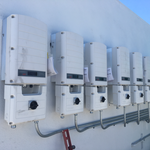
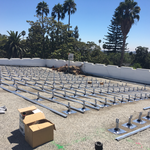
"Wonderful, it was a very quick and easy process. Brian talked us through it and in no time we had a 3KW system mounted on a frame in the garden and the invertor installed in the basement. Brian talked us through working with our power company to get the system checked and approved and we now get credits from the power company for power we provide to the grid. In addition we are set up to get Solar Renewable Energy Credits (SRECs) payments for providing clean energy. We also got a free Energy Audit which helped locate some problems areas we were able to fix. The system has basically cut our energy costs in half. I have hesitation in recommending them to anyone interested in solar energy."

Additional Photos
Additional Photos
Additional Photos
Additional Photos
Additional Photos

+14

Recommended by100%of homeowners
Laurel Highlands Green Energy Company, LLC
New to Angi
Energy Audit - For BusinessHome Energy Audit

Serving Davis, WV and surrounding areas

In business since 2010

Free estimates

Small jobs welcome

Laurel Highlands Green Energy Company, LLC is a licensed and insured company that specializes energy efficient improvements to your home apartment or commercial building. Using the Whole House as a system approach LHGECO LLC can offer cost effective solutions to solve your home comfort issues. LHGECO LLC offers complete diagnostic energy audits and weatherization & energy efficiency improvements

Response time8 hrs
Energy Efficiency Auditing FAQs, answered by experts

Blower door tests are measured in a few different ways, but the most popular are air changes per hour (ACH) and cubic feet of air (CFM) moving through the house per hour. A good ACH score is less than 2ACH, but 1ACH is better. This means the house experiences a total air change within 60 minutes (for 1ACH). For 2ACH, there’s a complete change every 30 minutes, and so on. CFM scores are similar in that a lower score means less air change, and therefore less leakage.

While some aspects of an appraisal, such as comparable properties nearby, are out of your control, there are several steps you can take to potentially increase your home's value. Make any necessary repairs and upgrades before the appraiser's visit, as they can only value what is currently part of the home, not its potential. Examples include renovating older areas, updating landscaping to boost curb appeal, and staging your home. You can also provide the appraiser with the cost of recent upgrades, which may increase your home's value by about 50% or more of what you paid for those improvements.

Window AC units use a fair amount of electricity, but significantly less than central AC systems. Because they are more energy-efficient for cooling individual rooms or small spaces, their usage is comparatively low. On average, a window AC unit consumes between 500 and 1,400 watts, while a central AC system uses over 3,500 watts—meaning a window unit uses about one-third of the energy. This typically translates to a monthly running cost of $15 to $40, although this can vary depending on external factors.

There are energy-efficient options when building a cottage. Select green building materials, high-performance insulation, and energy-efficient windows when designing your cottage. Options such as solar panels, efficient HVAC systems, and LED lighting can lower your utility bills and reduce your environmental impact. Many builders offer energy-efficient upgrades as part of the design process.

STC (Sound Transmission Class) is a rating that describes how well a building material or assembly blocks airborne sound. A higher STC rating means less noise will pass through the material, providing better sound reduction. This rating system applies to various building components, including windows, doors, flooring, drywall, and insulation.

For context, a typical single-pane window has an STC rating of around 25 (where normal conversations are audible), while a well-sealed, double-pane window can exceed STC 45 (blocking loud speech and most music). It is important to note that for some products, like soundproofing drywall, the STC rating refers to the entire wall system, not just the individual panel.

Additionally, STC ratings are most effective for measuring sound reduction at mid-to-high frequencies, such as human speech, and may not accurately reflect how well a material blocks low-frequency sounds like bass music or thunder. Because of these factors, it is recommended to consult a professional to determine the right STC-rated materials for your specific soundproofing needs.

The Davis, WV homeowners’ guide to energy efficiency auditing services

From average costs to expert advice, get all the answers you need to get your job done.