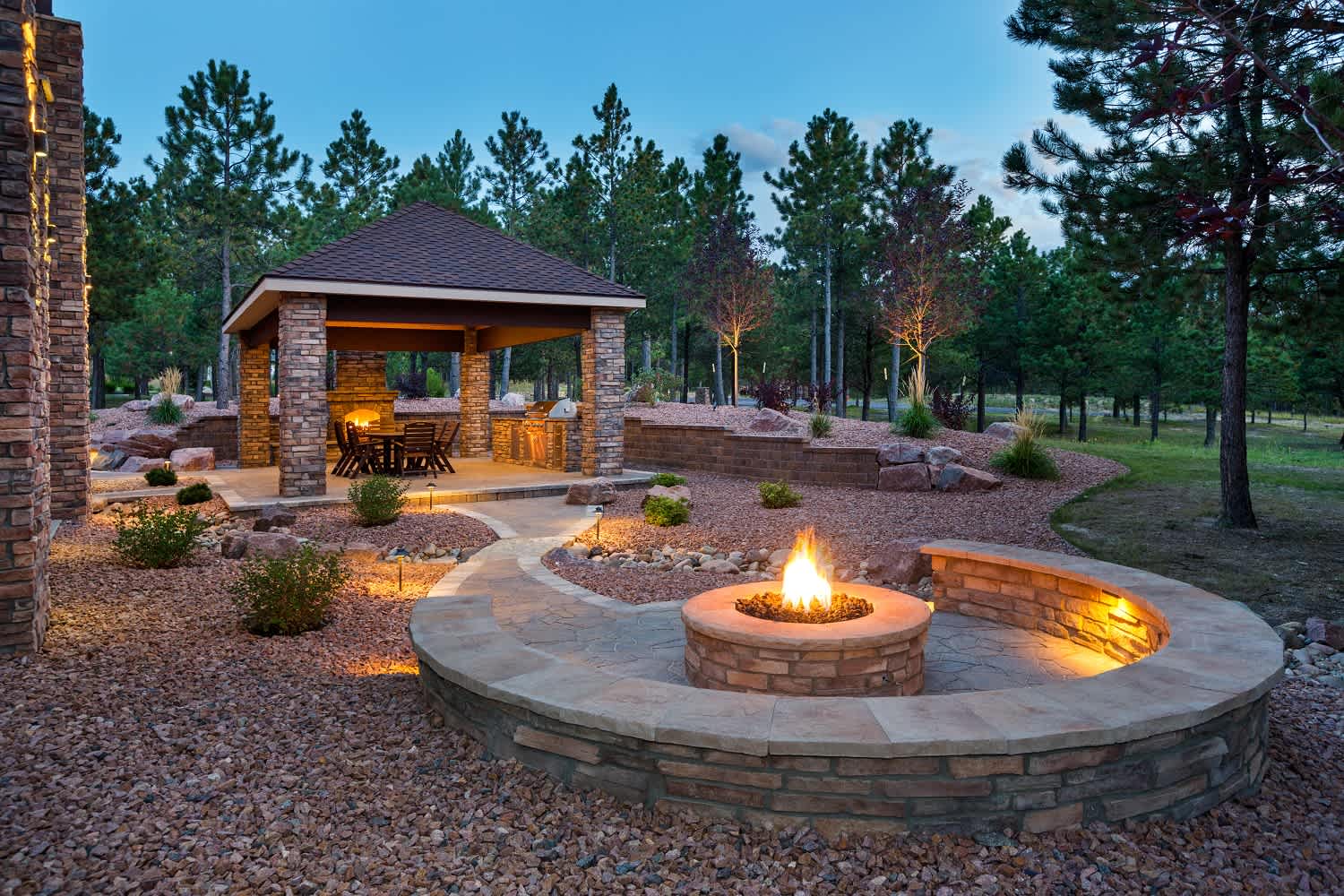





Top-rated fire pit installation pros.

Get matched with top fire pit installation pros in Belle, WV

Enter your zip and get matched with up to 5 pros

Need a pro for your fire pit installation project in Belle, WV?

Select your specific project to find the pro for you.

Find Fire pit installation pros in Belle

No results for Fire pit installation pro in

Try adjusting your search criteria.
Fire Pit Installation questions, answered by experts

According to the National Fire Protection Association’s Code NFPA 25 (titled “Standard for the Inspection, Testing, and Maintenance of Water-Based Fire Protection Systems”), private fire hydrants must undergo inspection once per year, with an accompanying flow test and any necessary maintenance performed on the same schedule. Keep in mind that your town, city, or county may adopt more or less strict testing requirements. 

Yes, there are regulations on using wood stoves, particularly concerning emissions and installation standards. The Environmental Protection Agency (EPA) sets emission limits for wood stoves to ensure they burn cleaner and more efficiently. Additionally, local building codes may have specific requirements for installation and venting, so it's essential to check with local authorities before installing or upgrading your stove.

There are several tools available to help prevent electrical fires. First, ensure that you have GFCI outlets installed in necessary areas, along with an AFCI, which is a circuit breaker that can help prevent arc-faults. Investing in surge protectors is also wise, as they can safeguard your appliances and other items against power surges that may overload your outlet and cause sparking.

Burning a single palm tree stump, if you’re careful, is technically doable DIY. However, you should always take precautions to control the fire and do research if you’re burning multiple types of trees. 

Some trees, such as ornamental trees, black cherry, and some oak trees, release toxins into the air when burned that can be irritating to your lungs (or even dangerous) to breathe in.

When a carbon monoxide alarm goes off, you should always take it seriously. Infrequent and occasional chirps often point to a low battery, a faulty device, or dust buildup (this usually affects smoke detectors and not standalone CO detectors). A continuous alarm signals an emergency, and you should immediately evacuate and call 911. When it comes to carbon monoxide in your home, it’s better safe than sorry.

The Belle, WV homeowners’ guide to fire pit installation services

From average costs to expert advice, get all the answers you need to get your job done.